The aroma of freshly baked bread is one of life’s simplest pleasures, a comforting scent that transforms any kitchen into a haven of warmth and delicious anticipation. But behind every perfect crust and fluffy crumb lies a crucial piece of equipment: the Bread Baking Tray. Far more than just a rectangular container, the right loaf pan is instrumental in achieving that ideal shape, even bake, and effortless release that every home baker dreams of. Whether you’re a seasoned artisan or just starting your journey into the world of homemade bread, understanding the nuances of these essential tools can elevate your baking from good to truly exceptional.
Exploring the Diverse World of Bread Baking Trays
Bread baking trays, often referred to as loaf pans, come in a surprising array of materials, shapes, and sizes, each offering unique advantages and considerations for your baking projects. Choosing the right type depends largely on your baking style, the kind of bread you prefer, and your maintenance preferences.
Materials Matter: Unpacking the Differences
The material of your loaf pan is perhaps the most critical factor, influencing everything from heat distribution and browning to durability and cleaning.
- Aluminized Steel: This is arguably the most popular choice for home bakers, often featuring a nonstick coating. Aluminized steel pans are celebrated for their excellent heat conductivity, which ensures even baking and consistent browning across your loaf. They are typically durable and offer easy release, especially with a good nonstick surface. However, some nonstick coatings require handwashing to preserve their integrity.
- Stainless Steel: Known for its robustness and longevity, stainless steel offers a professional-grade option. These pans are highly durable and don’t pose concerns about nonstick coatings leaching into food. They are also excellent for dishes with acidic ingredients like tomato sauces, as they won’t react with the metal. While pricier, stainless steel pans can last for decades and are often dishwasher-safe. You might need a bit more grease or a parchment paper lining for easy bread release compared to nonstick options.
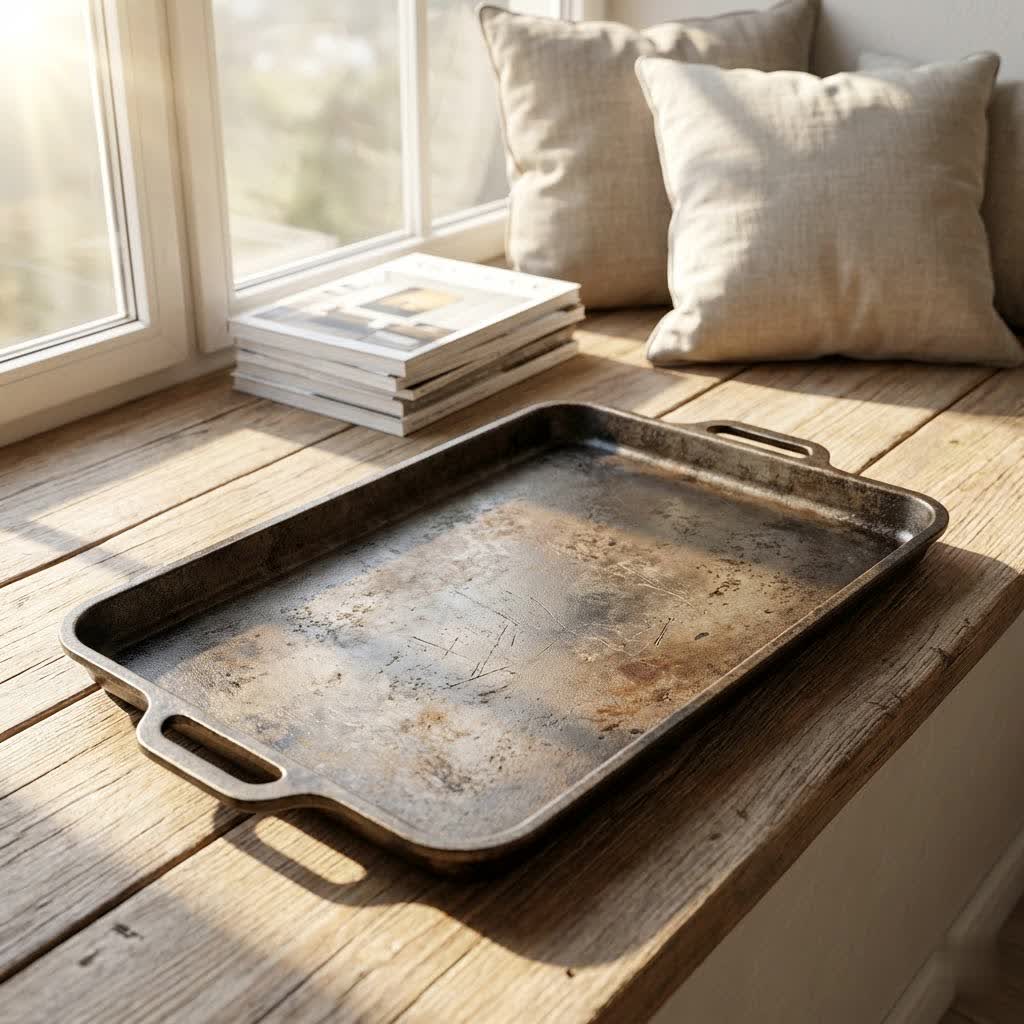
- Cast Iron: A classic material, cast iron loaf pans are incredibly durable and, once properly seasoned, develop a natural nonstick surface. They excel at retaining and distributing heat evenly, leading to a beautifully browned, thick crust. However, cast iron pans are significantly heavier and bulkier, taking longer to heat up and cool down. They also require specific seasoning and care to prevent rust.
- Glass and Ceramic: These materials are visually appealing and can go directly from oven to table. Both glass and ceramic are good insulators, meaning they heat up slowly but retain heat for a long time. This can result in longer baking times and potentially overcooked or dry bottoms and sides if not adjusted for. Glass, in particular, carries a risk of thermal shock and can shatter if exposed to rapid temperature changes. While often dishwasher-safe, their insulating properties make them less ideal for delicate bread structures that rely on quick, even heat.
- Silicone: Lightweight and flexible, silicone loaf pans offer excellent nonstick properties, often requiring no greasing at all. They are easy to unmold, especially for delicate items or frozen desserts, and are typically dishwasher-safe. However, silicone is a slower heat conductor, which can lead to less even browning and longer baking times for bread. Their flexibility also means they may require a baking sheet underneath for support to prevent buckling in the oven, potentially affecting the loaf’s shape.
|
Our Picks for the Best Baking Tray in 2026
We may earn a commission when you use one of our links to make a purchase.
|
||
| Num | Product | Action |
|---|---|---|
| 1 | Nordic Ware Naturals Half Sheet - USA Made Aluminum Commercial Quality Sheet Pan for Baking or Roasting, Encapsulated Galvanized Steel Rim Prevents Warping, 2-Pack |

|
| 2 | GoodCook BestBake Nonstick Textured Carbon Steel Cookie Sheet, 11" x 17", Large Baking Sheet, Even Heating, Scratch-Resistant, Non-Toxic, Durable, Ideal for Baking and Sheet Pan Dinners |
|
| 3 | ROTTAY Baking Sheet with Rack Set (2 Pans + 2 Racks), Stainless Steel Cookie Sheet with Cooling Rack, Nonstick Baking Pan, Warp Resistant & Heavy Duty & Rust Free, Size 16 x 12 x 1 Inches |
|
| 4 | NutriChef 3-Piece Nonstick Kitchen Oven Baking Pans - Premium & Stylish Non-Stick Steel, Commercial Grade Restaurant Quality Metal Bakeware with Red Silicone Handles - Easy to Clean, NCSBS3S |
|
| 5 | Commercial Quality Baking Sheet Pan Set, Natural Aluminum Cookie Sheet, Umite Chef Warp Resistant Baker's Half Sheet Pan, Large Thick Cookie Tray Pans for Baking, Roasting(2 Pack, 18X13In) |
|
| 6 | GoodCook Everyday Nonstick Carbon Steel 13” x 9” Baking Sheet Set, 3 Pack – Standard-Sized Carbon Steel Cooking Pans, Bakeware Set, Cookie Sheets for Baking, Oven Pan Set |
|
| 7 | Baking Sheet Tray Cooling Rack with Silicone Baking Mat Set, Stainless Steel Cookie Pan For Oven, Set of 9 (3 Sheets + 3 Racks + 3 Mats), Warp Resistant & Heavy Duty & Easy Clean, Red |
|
| 8 | Stainless Steel Baking Sheet Tray Cooling Rack with Silicone Baking Mat Set, Cookie Pan with Cooling Rack, Set of 9 (3 Sheets + 3 Racks + 3 Mats), 10/12/16 Inch, Easy Clean |
|
| 9 | GoodCook Everyday Nonstick Carbon Steel Baking Sheet Set, 3 Pack – Small 13” x 9”, Medium 15” x 10”, Large 17” x 11” – Carbon Steel Cooking Pans, Cookie Sheet Bakeware Set |
|
| 10 | Premium Nonstick Baking Sheet Pans – Set of 3, Heavy-Gauge Carbon Steel, Warp, Dent, and Rust-Resistant – Gourmet Rimmed Half Cookie Sheet Trays, Non-Toxic for Exceptional Baking Performance |
|
Shapes and Sizes: Tailoring to Your Bake
Beyond material, the dimensions of your bread baking tray play a crucial role in the final appearance and texture of your loaf.
- Standard Loaf Pans: The most common sizes are generally 8.5 x 4.5 inches (often referred to as a 1-pound loaf pan) and 9 x 5 inches (for 1.25 to 1.5-pound loaves). These dimensions are versatile for most quick breads, yeast breads, and even pound cakes. The height and width subtly impact how much your bread rises and its overall form.
- Pullman Loaf Pans: These specialty pans are rectangular with straight sides and come with a sliding lid. They are designed to produce perfectly square, uniform sandwich loaves with a fine, dense crumb, as the lid prevents the bread from doming over. While a niche item, they are invaluable for achieving that specific, professional sandwich bread look.
- Mini Loaf Pans: Ideal for individual servings or gifting, mini loaf pans come in various sizes and are perfect for smaller portions of quick breads or savory loaves.
Your Ultimate Guide to Choosing the Best Bread Baking Tray
Selecting the perfect bread baking tray involves more than just picking the first one you see. Consider these factors to ensure your choice aligns with your baking ambitions and practical needs.
Key Factors for Consideration
- Material: As discussed, this is paramount. For general bread baking, aluminized steel with a quality nonstick coating is often recommended for its balance of even heat, durability, and ease of use. If you prioritize extreme durability and are willing to put in extra care, stainless steel or seasoned cast iron are excellent long-term investments.
- Size: Always check your recipes. Most bread recipes are developed for standard 8.5×4.5 or 9×5 inch loaf pans. Using a pan that is too large can lead to a flat, spread-out loaf, while a pan that is too small might cause your dough to overflow.
- Thickness and Weight: A good quality loaf pan should feel substantial. Thicker gauges of metal promote more even heat distribution and reduce the risk of warping. Pans that are too light can sometimes lead to burnt bottoms.
- Nonstick vs. Uncoated: A nonstick surface provides convenience, making loaf release and cleanup effortless. However, some bakers prefer uncoated pans (like commercial-grade aluminized steel or stainless steel) for their durability and the ability to achieve a crisper crust, often relying on parchment paper or generous greasing.
- Handles and Rims: Pans with reinforced or rolled rims are less prone to warping over time. Wide handles can significantly improve safety and ease of use when transferring hot pans in and out of the oven, especially when wearing bulky oven mitts.
- Brand Reputation: Established brands often signify reliability and consistent performance. Look for brands known for their bakeware quality.
- Oven Compatibility: While most metal pans are oven-safe to high temperatures, silicone pans typically have a lower heat limit, usually around 430°F (220°C). Always check manufacturer guidelines.
Matching the Pan to Your Oven
Most recipes assume a conventional metal pan in a standard oven. If you use glass or ceramic, be prepared to adjust baking times, possibly reducing the oven temperature slightly or extending baking duration, as these materials heat slower. For convection ovens, you might need to reduce baking time or temperature.
Comparing Different Bread Baking Trays
To provide a clearer picture, here’s a comparison of popular bread baking tray materials:
| Material | Durability | Non-Stick (Initial) | Heat Conduction | Browning | Cleaning | Best For |
|---|---|---|---|---|---|---|
| Aluminized Steel | High | Often (coated) | Excellent | Even & Golden | Easy | Everyday bread, quick breads, consistent results |
| Stainless Steel | Very High | No (needs greasing) | Good | Even, Lighter | Easy | Longevity, acidic recipes, chemical-free |
| Cast Iron | Extremely High | Yes (seasoned) | Excellent | Deep, Crispy Crust | High maintenance | Rustic breads, dense loaves, heat retention |
| Glass | Moderate | No (needs greasing) | Slow | Darker bottom/sides | Easy | Casseroles, visual appeal, specific bakes |
| Ceramic | Moderate | No (needs greasing) | Slow | Darker bottom/sides | Easy | Casseroles, presentation, slower bakes |
| Silicone | Moderate | Excellent | Slow | Uneven/Lighter | Very Easy | Quick breads, frozen desserts, easy unmolding |
Expert Insight:
“The secret to superior bread lies not just in your recipe, but in understanding how your pan interacts with heat. Aluminized steel provides consistent performance, while a well-seasoned cast iron delivers an unparalleled crust. Each material is a tool, and knowing its strengths is the baker’s true advantage.” – Chef Elena Petrova, Master Baker and Culinary Educator
Essential Tips for Using and Maintaining Your Bread Baking Tray
Proper usage and consistent maintenance are key to extending the lifespan of your bread baking trays and ensuring optimal baking results every time.
Smart Usage Techniques
- Preparation is Key: For nonstick pans, a light coating of baking spray or butter and flour is usually sufficient. For uncoated metal, glass, or ceramic, generous greasing and flouring are essential. Alternatively, lining your pan with parchment paper is a fantastic method for effortless release and easier cleanup. Simply butter the pan lightly to help the parchment stick, then cut it to fit the bottom and extend up the long sides to create a “sling.”
- Mind the Temperature: Metal pans heat up quickly, providing a good initial rise and browning. Glass and ceramic pans, however, heat more slowly. If a recipe calls for a metal pan and you use glass, you might need to reduce the oven temperature by 25°F (around 15°C) and extend the baking time to prevent overbrowning the exterior before the interior is cooked.
- Don’t Overfill: Leave adequate space (typically about one-third of the pan’s height) for your bread to rise, preventing overflow and ensuring a well-formed loaf.
Care and Maintenance for Longevity
- Cleaning: Most manufacturers recommend handwashing for nonstick and cast iron pans to preserve their coatings and seasoning. Use warm, soapy water and a soft sponge. For stubborn bits, a gentle soak can help. Stainless steel, glass, and ceramic are often dishwasher-safe. Always avoid abrasive scrubbers or harsh detergents, especially on nonstick surfaces.
- Drying: Thoroughly dry all pans immediately after washing, especially cast iron, to prevent rust.
- Storage: Store pans carefully to prevent scratching, particularly nonstick surfaces. Stacking with a paper towel or cloth liner between pans can help protect them. For cast iron, a very light oiling after drying can maintain seasoning.
- Avoid Metal Utensils: On nonstick surfaces, always use wood, silicone, or plastic utensils to prevent scratches.
Top-Rated Bread Baking Trays to Consider
Based on extensive testing and user reviews, several brands consistently stand out for their quality and performance in the realm of bread baking trays. While prices and availability vary, these are generally highly regarded options:
- USA Pan Bakeware: Often praised for its aluminized steel construction with a unique corrugated nonstick surface, which promotes airflow for even baking and easy release without needing spray. They also offer excellent Pullman pans.
- Chicago Metallic Commercial II: Known for durable, commercial-grade aluminized steel pans. Their uncoated versions are workhorses, and their nonstick options are also highly rated for even baking and easy release.
- OXO Good Grips Nonstick Pro Loaf Pan: This ceramic-coated aluminized steel pan offers great heat transfer and a durable nonstick surface for easy food release and cleanup.
- Nordic Ware Naturals: Offers quality aluminum pans that provide consistent results. They are known for sturdy construction and good heat conductivity.
- Hestan Provisions OvenBond Tri-Ply Loaf Pan: A high-end stainless steel option prized for its professional-grade durability, even heat distribution, and resistance to acidic foods.
When choosing a specific model, look for features like reinforced rims, comfortable handles, and a size that matches your most frequent baking needs.
Where to Buy Bread Baking Trays?
Finding the right bread baking tray is easier than ever with numerous purchasing options available.
- Online Retailers: Websites like Amazon, Williams Sonoma, King Arthur Baking, and Sur La Table offer a vast selection from various brands, often with detailed product descriptions and customer reviews. This provides convenience and the ability to compare prices easily.
- Department and Home Goods Stores: Stores such as Macy’s, Target, Walmart, or specialized kitchen supply stores often carry a good range of popular loaf pan brands. This allows you to physically inspect the pan’s weight, feel, and features before purchasing.
- Specialty Baking Stores: Dedicated baking supply shops may offer a curated selection of professional-grade or unique bread baking trays.
When shopping, compare prices, check return policies, and read recent reviews to ensure you’re getting a quality product that meets your expectations.
Conclusion
The journey to baking the perfect loaf of bread is deeply rewarding, and the bread baking tray is an indispensable companion on this adventure. By understanding the diverse materials, sizes, and features available, you can confidently select a pan that not only meets your specific needs but also enhances your baking experience. From the even browning of aluminized steel to the rustic charm of cast iron, each pan offers a unique contribution to your culinary creations. With proper care and a little practice, your chosen loaf pan will become a treasured tool, consistently delivering delicious, perfectly shaped loaves for years to come. What will be the next delightful loaf you bake in your ideal bread baking tray?
Frequently Asked Questions
Is it better to bake bread in a glass or metal pan?
For most bread recipes, metal pans are generally preferred by home bakers and professionals alike. Metal conducts heat quickly and evenly, promoting consistent rising and browning. Glass heats slower and retains heat longer, which can lead to longer baking times and potentially a thicker, tougher crust or drier sides and bottom.
How do you line a loaf pan with parchment paper for easy release?
To line a loaf pan with parchment paper, first, lightly grease the pan to help the paper adhere. Cut a strip of parchment paper that fits the width of the bottom of the pan and is long enough to extend up both long sides, creating “handles.” Press it into place, making sure it conforms to the corners. For full coverage, you can use two strips or carefully cut slits in a wider sheet to fold around all four corners.
Can you bake sourdough bread in a loaf pan?
Yes, absolutely! Baking sourdough in a loaf pan is an excellent way to achieve a uniform, rectangular shape, which is particularly convenient for slicing into sandwiches. The baking results are similar to other methods, often yielding a beautiful crust and tender crumb, making it a great option for those who want classic-shaped sourdough.
Can you bake brownies in a loaf pan?
You can certainly bake brownies in a loaf pan, but keep in mind that a standard brownie recipe often yields more batter than a single loaf pan can hold. You’ll likely need to either halve your recipe, use two loaf pans, or bake in batches. Ensure you grease and flour or line the pan with parchment paper, as brownies can be sticky, to ensure easy removal.