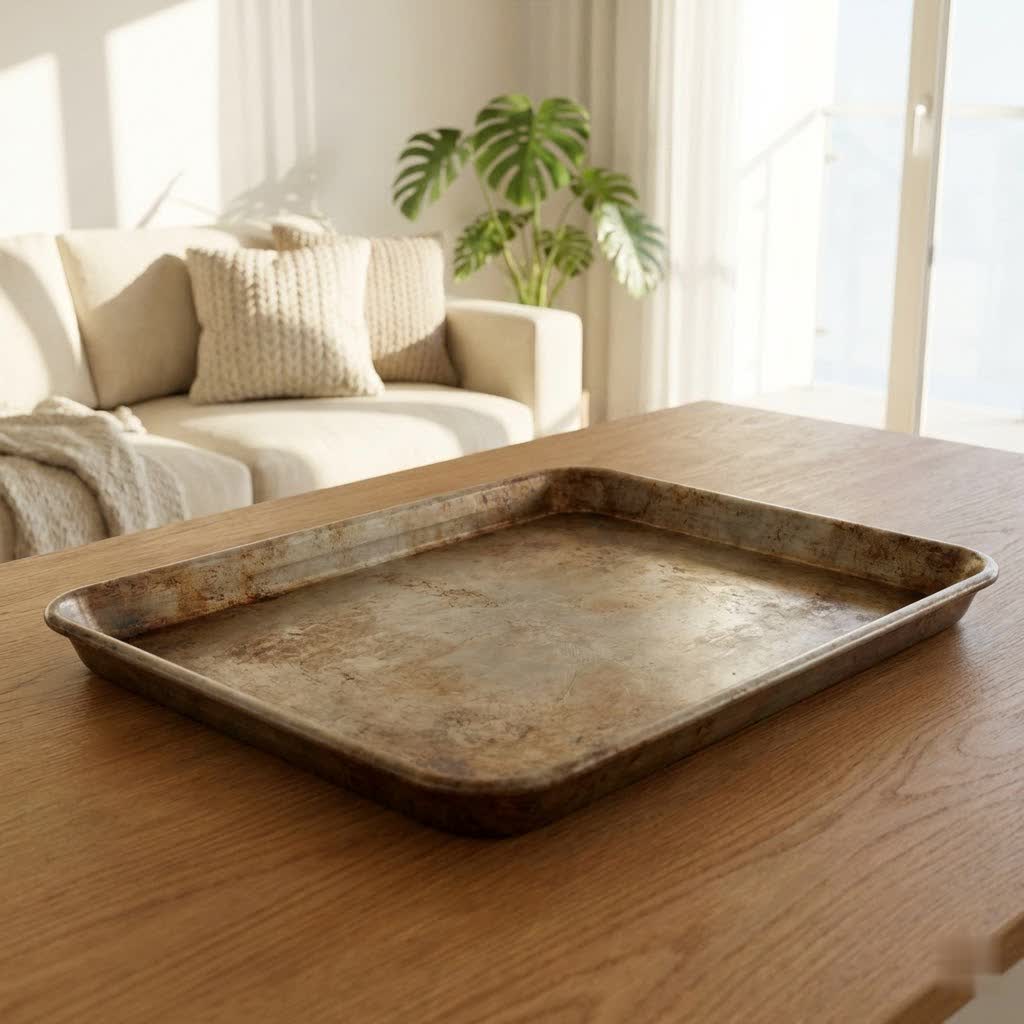
In the bustling heart of any kitchen, a trusty baking tray is often the unsung hero, silently transforming raw ingredients into culinary delights. But for those who love to bake in batches, host large gatherings, or simply appreciate the efficiency of generous cooking surfaces, a “Big Baking Tray” isn’t just a luxury – it’s a necessity. With over a decade immersed in kitchenware, especially the nuanced world of baking trays, I’ve seen countless designs, materials, and innovations. My goal is to equip you with the knowledge to select a large baking tray that not only fits your oven but also elevates your baking experience, ensuring perfectly golden results every time.
Discovering the World of Big Baking Trays
When we talk about “big baking trays,” we’re generally referring to larger sheet pans designed to maximize oven space and cooking capacity. These versatile workhorses are essential for everything from roasting substantial quantities of vegetables and meats to baking dozens of cookies or a magnificent sheet cake. Understanding the different types is the first step toward finding your ideal kitchen companion.
Common Types of Big Baking Trays by Material
The material of your baking tray is paramount, dictating its heat conductivity, durability, and overall performance.
- Aluminum and Aluminized Steel: These are arguably the most popular choices for large baking trays, and for good reason.
- Aluminum: An excellent heat conductor, aluminum heats up quickly and cools down efficiently, helping to prevent over-browning. It’s often the most affordable option. However, uncoated aluminum can be prone to staining and may react with acidic foods. It typically requires parchment paper or greasing for non-stick performance and can discolor if washed in a dishwasher.
- Aluminized Steel: This material combines the best of both worlds. It features a steel core for robust durability and even heat distribution, coated with aluminum for rapid heat transfer. Many professional kitchens opt for aluminized steel, often finished with a non-toxic, non-stick glaze for superior food release.
- Carbon Steel: Known for its strength and excellent heat retention, carbon steel trays often come with a durable non-stick coating. They are heavier than aluminum and heat up more slowly, but maintain a consistent temperature, which can be beneficial for certain baked goods.
- Stainless Steel: Stainless steel offers exceptional durability and is non-reactive, making it suitable for a wide range of foods. It conducts heat evenly but might require more care to maintain its pristine appearance, as it can sometimes pit or warp slightly on initial use. The advantage is that many stainless steel trays are dishwasher safe and can even be used on stovetops for versatility.
- Ceramic Coated: These trays typically have an aluminized steel base topped with a ceramic-based non-stick coating derived from sand. They are praised for being eco-friendly, non-toxic, and capable of withstanding high temperatures. Ceramic coatings provide excellent non-stick properties and are relatively easy to clean, though they can be more brittle than other finishes.
|
Our Picks for the Best Baking Tray in 2026
We may earn a commission when you use one of our links to make a purchase.
|
||
| Num | Product | Action |
|---|---|---|
| 1 | Commercial Quality Baking Sheet Pan Set, Natural Aluminum Cookie Sheet, Umite Chef Warp Resistant Baker's Half Sheet Pan, Large Thick Cookie Tray Pans for Baking, Roasting(2 Pack, 18X13In) |

|
| 2 | GoodCook Everyday Nonstick Carbon Steel 13” x 9” Baking Sheet Set, 3 Pack – Standard-Sized Carbon Steel Cooking Pans, Bakeware Set, Cookie Sheets for Baking, Oven Pan Set |
|
| 3 | Premium Nonstick Baking Sheet Pans – Set of 3, Heavy-Gauge Carbon Steel, Warp, Dent, and Rust-Resistant – Gourmet Rimmed Half Cookie Sheet Trays, Non-Toxic for Exceptional Baking Performance |
|
| 4 | Nordic Ware Naturals Half Sheet - USA Made Aluminum Commercial Quality Sheet Pan for Baking or Roasting, Encapsulated Galvanized Steel Rim Prevents Warping, 2-Pack |
|
| 5 | Stainless Steel Baking Sheet Tray Cooling Rack with Silicone Baking Mat Set, Cookie Pan with Cooling Rack, Set of 9 (3 Sheets + 3 Racks + 3 Mats), 10/12/16 Inch, Easy Clean |
|
| 6 | GoodCook Everyday Nonstick Carbon Steel Baking Sheet Set, 3 Pack – Small 13” x 9”, Medium 15” x 10”, Large 17” x 11” – Carbon Steel Cooking Pans, Cookie Sheet Bakeware Set |
|
| 7 | NutriChef 3-Piece Nonstick Kitchen Oven Baking Pans - Premium & Stylish Non-Stick Steel, Commercial Grade Restaurant Quality Metal Bakeware with Red Silicone Handles - Easy to Clean, NCSBS3S |
|
| 8 | GoodCook BestBake Nonstick Textured Carbon Steel Cookie Sheet, 11" x 17", Large Baking Sheet, Even Heating, Scratch-Resistant, Non-Toxic, Durable, Ideal for Baking and Sheet Pan Dinners |
|
| 9 | ROTTAY Baking Sheet with Rack Set (2 Pans + 2 Racks), Stainless Steel Cookie Sheet with Cooling Rack, Nonstick Baking Pan, Warp Resistant & Heavy Duty & Rust Free, Size 16 x 12 x 1 Inches |
|
| 10 | Baking Sheet Tray Cooling Rack with Silicone Baking Mat Set, Stainless Steel Cookie Pan For Oven, Set of 9 (3 Sheets + 3 Racks + 3 Mats), Warp Resistant & Heavy Duty & Easy Clean, Red |
|
Each material offers distinct advantages, catering to different baking needs and preferences. For large volume cooking, durability and even heat distribution are often top priorities.
Your Essential Guide to Choosing the Best Big Baking Tray
Selecting a big baking tray isn’t just about grabbing the largest one you see. Several factors come into play, ensuring your chosen tray performs optimally and integrates seamlessly into your kitchen.
Critical Factors to Consider
- Size and Oven Compatibility: The most crucial aspect. While “full sheet pans” (approx. 26 x 18 inches) are standard in commercial kitchens, they are generally too large for home ovens. The “half sheet pan” (approx. 18 x 13 inches) is the most common and versatile large size for home use, fitting most standard residential ovens while offering ample cooking surface. Always measure your oven’s interior to ensure at least a 2-inch clearance on all sides for proper air circulation. Some brands offer “mega cookie sheets” which are larger than half sheets but can be cumbersome and may not fit easily into standard sinks for washing.
- Material and Heat Distribution: As explored above, the material directly impacts how evenly and quickly your food cooks. Aluminum and aluminized steel are prized for even heat conductivity, preventing hot spots and ensuring consistent baking. Darker materials like hard-anodized aluminum or darker carbon steel can absorb more heat, leading to quicker browning—sometimes requiring slight temperature or time adjustments.
- Gauge and Durability: The thickness of the metal, known as its gauge, is a strong indicator of quality and durability. Thicker, heavier gauge pans (lower gauge number) are less likely to warp or buckle under high heat, providing a more stable and long-lasting baking surface. Warping can lead to uneven cooking and can be a frustrating experience.
- Non-stick Coating: Many large baking trays feature non-stick surfaces, which are incredibly beneficial for easy food release and cleanup. Look for durable, PFOA- and PTFE-free coatings for healthier cooking. While convenient, non-stick surfaces require gentle care, avoiding metal utensils and abrasive scrubbers. Some quality uncoated pans, like those from Nordic Ware, rely on parchment paper or silicone mats for non-stick functionality but offer superior heat transfer and are extremely durable.
- Handles and Rims: Well-designed handles, especially “easy-pull” types, provide a secure grip, making it safer and easier to transfer a heavy, hot tray in and out of the oven, even with mitts. Rims are also important; while most baking sheets have four raised edges to contain liquids and food, traditional cookie sheets might have one unrimmed side for effortless sliding of baked goods.
Choosing the right big baking tray involves balancing these factors with your specific baking habits and oven’s capabilities.
Comparative Look at Big Baking Trays
To help you visualize the differences, here’s a comparison of common materials for large baking trays:
| Feature | Aluminum/Uncoated | Aluminized Steel | Carbon Steel | Stainless Steel | Ceramic Coated |
|---|---|---|---|---|---|
| Heat Conduct. | Excellent (Fast) | Very Good (Even) | Good (Retains) | Good (Even) | Very Good (Even) |
| Durability | Good | Excellent | Excellent | Excellent | Good (Coating can be brittle) |
| Non-stick | Requires parchment/grease | Often non-stick glaze | Often non-stick coating | Requires parchment/grease | Excellent non-stick |
| Warping Resist. | Moderate | High | High | High | High |
| Cleaning | Handwash best, can stain | Easy (non-stick) | Easy (non-stick) | Dishwasher safe (can pit) | Easy |
| Weight | Lightweight | Medium | Heavy | Heavy | Medium |
| Price | Low | Medium-High | Medium | High | Medium-High |
| Pros | Heats quickly, inexpensive | Durable, even heating, often non-stick | Durable, good heat retention | Very durable, non-reactive, versatile | Eco-friendly, non-toxic, easy release |
| Cons | Stains, discolors, not non-stick | Higher cost than aluminum | Heavier, slower to heat | Can be expensive, may need careful seasoning | Coating can chip, requires gentle care |
This table provides a snapshot, but individual product quality and specific coatings can significantly influence performance. For example, a high-quality aluminized steel pan with a robust non-stick coating often offers the best balance of performance and longevity.
Essential Tips for Using and Caring for Your Big Baking Tray
Even the best big baking tray needs proper care to ensure its longevity and continued high performance.
Usage Best Practices
- Don’t Overcrowd: Leave sufficient space (about 2-3 cm) around items on the tray for proper air circulation. Overcrowding can lead to steaming instead of browning, yielding soggy results.
- Preheat if Desired: For crispier results, especially with roasted vegetables or certain breads, preheating the empty tray in the oven for 5-10 minutes can make a difference.
- Use Liners: Parchment paper or silicone baking mats are your best friends. They not only make cleanup a breeze but also protect non-stick coatings from scratches and help prevent sticking, especially with sugary or acidic foods.
- Rotate for Evenness: Ovens often have hot spots. Rotating your baking tray halfway through the cooking process can promote more even browning and cooking.
- Cool Before Handling: Avoid placing a hot tray directly on a cold surface or immersing it in cold water immediately after removing it from the oven, as this can cause warping due to thermal shock.
Cleaning and Storage for Longevity
- Gentle Cleaning is Key: For most trays, warm, soapy water and a soft sponge are sufficient. Avoid abrasive scrubbers, steel wool, or harsh detergents, especially on non-stick surfaces, as these can degrade the coating over time.
- Tackle Stubborn Stains: For burnt-on grease or stubborn residue, a paste made from baking soda and a little water or vinegar can work wonders. Apply the paste, let it sit for 30 minutes to overnight, then gently scrub. Lemon and salt also make an effective natural abrasive for metal trays.
- Handwash for Aluminum: While some trays are dishwasher safe, it’s generally recommended to handwash aluminum to prevent discoloration. Always check the manufacturer’s instructions.
- Dry Thoroughly: Ensure your tray is completely dry before storing to prevent rust, particularly for carbon steel and stainless steel options.
- Smart Storage: Storing big baking trays can be a challenge due to their size. Consider vertical storage using organizers to prevent scratches and make them easier to access. If stacking, place paper towels or thin cloths between them.
> “The secret to a long-lasting baking tray isn’t just about initial quality, but consistent, gentle care. Treat your pans well, and they will return the favor with delicious results for years.” – Chef Lena Pham, Culinary Institute Instructor
Where to Acquire Your Next Big Baking Tray
Finding a high-quality big baking tray is easier than ever with numerous options available.
- Online Retailers: Websites like Amazon, Williams Sonoma, and manufacturer direct sites (e.g., USA Pan, Nordic Ware, Caraway) offer extensive selections, often with customer reviews that provide valuable insights into real-world performance.
- Specialty Kitchen Stores: Stores dedicated to kitchenware can offer expert advice and a curated selection of durable, high-performing trays.
- Restaurant Supply Stores: For those seeking truly professional-grade durability and performance, restaurant supply stores are an excellent resource. They often carry heavy-gauge aluminum or aluminized steel sheet pans built to withstand rigorous daily use.
When purchasing, always compare prices, read product descriptions carefully, and check for warranties or guarantees that speak to the manufacturer’s confidence in their product’s longevity.
Conclusion
A big baking tray is more than just a piece of metal; it’s a canvas for your culinary creativity, a tool for efficiency, and a foundation for countless memorable meals and treats. By understanding the different materials, key features, and proper care, you are now well-equipped to choose a tray that will become a cherished staple in your kitchen. Whether you’re roasting a feast for friends, baking an epic batch of cookies, or preparing weekly meal components, the right large baking tray ensures consistent, delightful results. So, are you ready to expand your baking horizons and make room for bigger, bolder creations?
Frequently Asked Questions
What is the most common “big” baking tray size for home ovens?
The most common and practical “big” baking tray size for standard home ovens is the half-sheet pan, which typically measures around 18 x 13 inches (45 x 33 cm). This size offers ample space for various baking and roasting tasks without being too large to fit comfortably in most residential ovens.
Why do baking trays sometimes warp in the oven?
Baking trays warp due to sudden and uneven temperature changes, a phenomenon known as thermal shock. Thin, lower-quality metals are more susceptible to this, especially when exposed to high heat quickly or when cold water is used on a hot pan. Investing in heavier gauge (thicker) trays helps prevent warping.
Is it better to have a non-stick or uncoated big baking tray?
The choice depends on preference and usage. Non-stick trays offer easy food release and cleanup, but their coatings can degrade over time with improper care. Uncoated trays, particularly quality aluminum or aluminized steel, are highly durable, provide excellent heat transfer, and can be made non-stick with parchment paper or silicone mats.
Can I use metal utensils on my big baking tray?
It is generally advised to avoid metal utensils on non-stick baking trays to prevent scratching and damaging the coating. For uncoated metal trays, metal utensils are typically fine, though using gentler tools like silicone or wood spatulas can help maintain the pan’s surface condition over time.
How do I clean stubborn burnt-on food from my big baking tray?
For stubborn burnt-on food, a paste made from equal parts baking soda and vinegar is highly effective. Apply the paste to the affected areas, let it sit for at least 30 minutes (or overnight for tough stains), then scrub gently with a soft sponge. Lemon and salt can also work as a natural abrasive cleaner.