Have you ever wondered why some baked goods achieve that irresistible, golden crispness while others remain stubbornly soft? The secret often lies in a deceptively simple yet profoundly effective tool: the Baking Tray With Holes, also known as a perforated baking sheet. With over a decade of experience navigating the world of kitchenware, especially baking trays, I’ve seen firsthand how these ingenious designs can transform your baking. This guide will delve into everything you need to know about perforated baking trays, helping you choose and use the perfect one to elevate your culinary creations.
The Science Behind the Holes: Why Perforated Baking Trays Reign Supreme
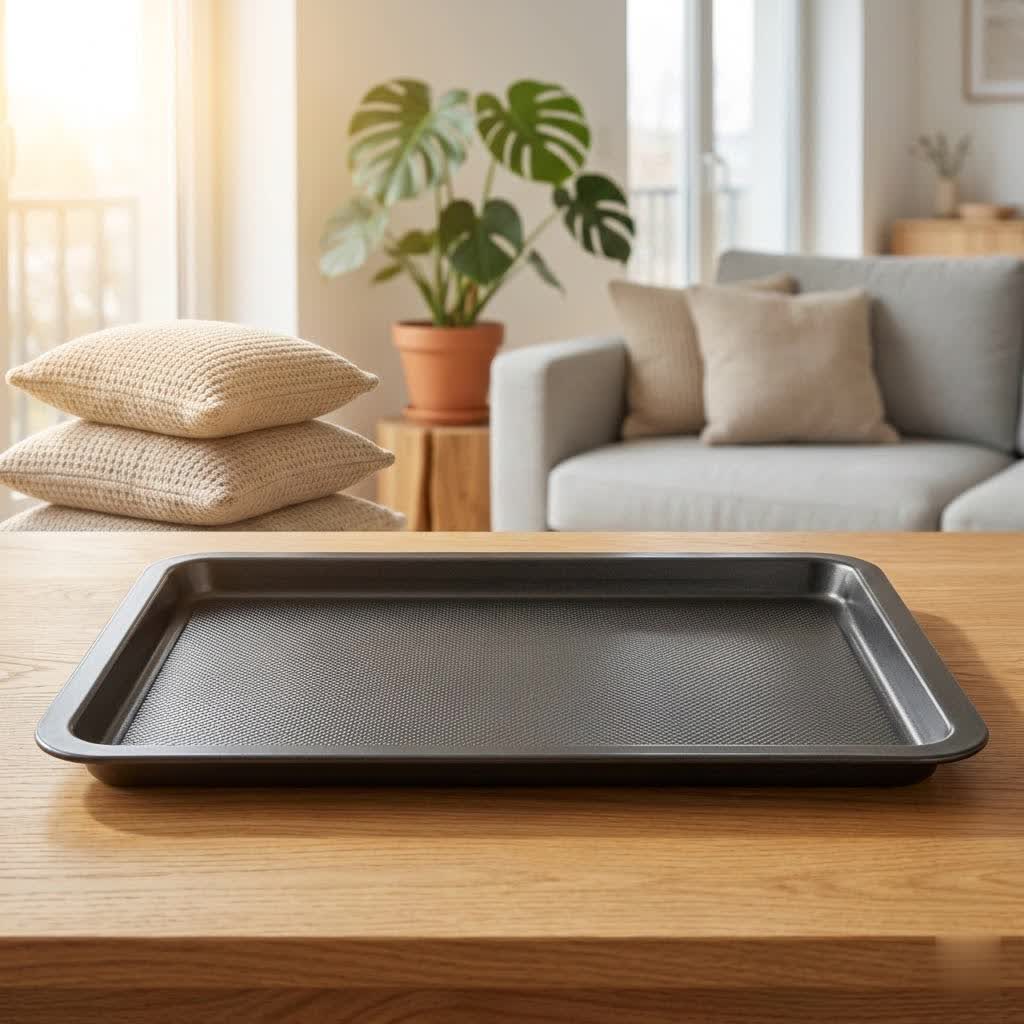
At the heart of a perforated baking tray’s effectiveness are its precisely engineered holes. These small openings aren’t merely decorative; they serve critical functions that dramatically improve baking results. They facilitate optimal heat distribution and airflow around your food, unlike solid sheets that can trap moisture and create unevenly cooked areas.
This enhanced circulation means heat reaches every surface of your food more consistently, promoting even browning and crisping. For items like bread, baguettes, and pizza, this translates into a truly spectacular crust – golden, crunchy, and perfectly developed. The perforations also allow excess moisture and steam to escape during the baking process, directly combating the dreaded “soggy bottom” that can plague tarts, quiches, and other delicate pastries. By actively reducing moisture, these trays help achieve a lighter, flakier texture. Furthermore, many professional bakers find that the improved heat transfer can even reduce overall baking time, ensuring a consistent bake from edge to center and enhancing energy efficiency.
Exploring the Diverse World of Perforated Baking Trays
Perforated baking trays come in various forms, each designed to meet specific baking needs. Understanding these variations is key to selecting the right tool for your kitchen.
Materials
The material of your baking tray significantly impacts its performance and durability.
- Aluminum: A popular choice for its excellent thermal conductivity, aluminum heats up quickly and evenly, ensuring consistent baking. It’s lightweight and responsive to temperature changes.
- Aluminized Steel: Offers the strength of steel with the heat-conducting properties of aluminum, providing a good balance of durability and performance.
- Stainless Steel: Known for its robustness and resistance to corrosion, stainless steel trays are built to last, though they may not conduct heat as rapidly as aluminum.
- Hard Anodized Aluminum: This material undergoes an electrochemical process that hardens the outer layer, making it exceptionally durable, resistant to warping, and, over time, developing natural non-stick properties.
|
Our Picks for the Best Baking Tray in 2026
We may earn a commission when you use one of our links to make a purchase.
|
||
| Num | Product | Action |
|---|---|---|
| 1 | Baking Sheet Tray Cooling Rack with Silicone Baking Mat Set, Stainless Steel Cookie Pan For Oven, Set of 9 (3 Sheets + 3 Racks + 3 Mats), Warp Resistant & Heavy Duty & Easy Clean, Red |

|
| 2 | Premium Nonstick Baking Sheet Pans – Set of 3, Heavy-Gauge Carbon Steel, Warp, Dent, and Rust-Resistant – Gourmet Rimmed Half Cookie Sheet Trays, Non-Toxic for Exceptional Baking Performance |
|
| 3 | NutriChef 3-Piece Nonstick Kitchen Oven Baking Pans - Premium & Stylish Non-Stick Steel, Commercial Grade Restaurant Quality Metal Bakeware with Red Silicone Handles - Easy to Clean, NCSBS3S |
|
| 4 | ROTTAY Baking Sheet with Rack Set (2 Pans + 2 Racks), Stainless Steel Cookie Sheet with Cooling Rack, Nonstick Baking Pan, Warp Resistant & Heavy Duty & Rust Free, Size 16 x 12 x 1 Inches |
|
| 5 | GoodCook Everyday Nonstick Carbon Steel Baking Sheet Set, 3 Pack – Small 13” x 9”, Medium 15” x 10”, Large 17” x 11” – Carbon Steel Cooking Pans, Cookie Sheet Bakeware Set |
|
| 6 | Commercial Quality Baking Sheet Pan Set, Natural Aluminum Cookie Sheet, Umite Chef Warp Resistant Baker's Half Sheet Pan, Large Thick Cookie Tray Pans for Baking, Roasting(2 Pack, 18X13In) |
|
| 7 | GoodCook Everyday Nonstick Carbon Steel 13” x 9” Baking Sheet Set, 3 Pack – Standard-Sized Carbon Steel Cooking Pans, Bakeware Set, Cookie Sheets for Baking, Oven Pan Set |
|
| 8 | Nordic Ware Naturals Half Sheet - USA Made Aluminum Commercial Quality Sheet Pan for Baking or Roasting, Encapsulated Galvanized Steel Rim Prevents Warping, 2-Pack |
|
| 9 | GoodCook BestBake Nonstick Textured Carbon Steel Cookie Sheet, 11" x 17", Large Baking Sheet, Even Heating, Scratch-Resistant, Non-Toxic, Durable, Ideal for Baking and Sheet Pan Dinners |
|
| 10 | Stainless Steel Baking Sheet Tray Cooling Rack with Silicone Baking Mat Set, Cookie Pan with Cooling Rack, Set of 9 (3 Sheets + 3 Racks + 3 Mats), 10/12/16 Inch, Easy Clean |
|
Perforation Sizes
The size and spacing of the holes can vary, influencing the degree of airflow and moisture release.
- Small, Closely Spaced Holes (e.g., 2mm-3mm): Ideal for delicate pastries or items with a finer consistency, preventing “blisters” and ensuring rapid, even heat penetration.
- Larger Perforations (e.g., 5mm): Best for denser doughs and baked goods where efficient heat distribution is needed without compromising texture.
- Versatile (e.g., 3mm): A middle-ground option that works well for a wide range of baking.
Shapes & Designs
Perforated bakeware isn’t limited to flat sheets. You’ll find specialized designs for various culinary endeavors:
- Standard Baking Sheets: Rectangular trays, often available in half-sheet or full-sheet sizes, perfect for cookies, pastries, and roasted items.
- Pizza Pans: Round trays specifically designed to give your homemade pizza a perfectly crispy crust.
- Baguette Trays (Baguette Forms): Shaped to cradle baguette dough, ensuring even baking and characteristic crust development.
- Tart and Pie Molds: Smaller, individual molds or pans with perforated bottoms, designed to produce impeccably crisp tart and pie crusts, preventing sogginess from wet fillings.
Coatings
Many perforated trays come with coatings to enhance functionality:
- Non-Stick Coatings: Provide easy food release and simpler cleanup, often resistant to high and low temperatures.
- Silicone Glaze: Offers excellent food release, though some oil may still be required.
- Uncoated/Natural: Often preferred by professional bakers for certain applications, these require proper seasoning or the use of baking mats/parchment paper for non-stick properties. Hard anodized aluminum can become naturally non-stick over time.
Choosing Your Perfect Perforated Companion
Selecting the right perforated baking tray involves considering several factors to match your baking style and needs.
Consider Your Bake
Different perforated trays excel with different types of food:
- For Crispy Crusts (Bread, Pizza, Baguettes): Look for aluminum or aluminized steel sheets with standard perforations to maximize air circulation.
- For Preventing Soggy Bottoms (Tarts, Quiches, Pies): Opt for perforated tart molds or sheets, particularly those with smaller perforations.
- For Roasting (Fries, Chicken Wings, Vegetables): Perforated sheet pans promote even cooking and crisping, making them a great alternative to deep-frying.
Oven Compatibility
Perforated pans are particularly effective in convection ovens where high airflow is a key feature, as the holes amplify this effect. They also work well in standard ovens, enhancing heat transfer.
Size & Gauge
Ensure the tray fits comfortably in your oven. Standard sizes like half-sheet (approximately 13×18 inches) are versatile for home use. The gauge (thickness) affects durability and heat retention; thicker gauges are generally more robust and resist warping.
Brand & Quality
Investing in high-quality materials like those used by professional brands ensures durability, consistent results, and longevity. Look for trays that promise resistance to high temperatures and a robust build.
Perforated vs. Non-Perforated: A Clear Comparison
To help you decide when to reach for a perforated tray, here’s a quick comparison with its solid counterpart:
| Criteria | Perforated Sheet Pan | Non-Perforated Sheet Pan |
|---|---|---|
| Best for | Bread, pizza, croissants, tarts, fries, puff pastries | Cookies, cakes, brownies, roasted meats, liquid-based batters |
| Texture Outcome | Crispier bottom, flaky crust, even browning | Softer, even texture, moisture retention |
| Airflow | Enhanced, allows moisture to escape | Limited, traps moisture |
| Liquid Handling | Not suitable for liquid batters/fillings (unless paired with a mat/solid sheet underneath) | Ideal for containing liquids and batters |
| Baking Time | May reduce baking time due to efficient heat transfer | Standard baking times |
| Oven Type | Excellent with convection ovens, good for standard ovens | Versatile for all oven types |
Mastering Your Perforated Tray: Usage and Care Tips
To get the most out of your perforated baking trays and ensure their longevity, proper usage and care are essential.
Usage Best Practices
- No Liquids Directly: Perforated trays are not designed for liquid or semi-liquid preparations unless placed on a solid sheet or used with a silicone mat underneath to catch drips.
- Use with Mats/Parchment: For easier cleanup and to prevent sticking, consider using perforated silicone baking mats or parchment paper designed for air fryers (which are often perforated) on your tray.
- Preheat Adequately: Ensure your oven and tray are properly preheated for optimal results.
- Avoid Overheating Empty: Do not place an empty perforated tray in an oven at excessively high temperatures, as this can cause warping.
Cleaning & Maintenance
- Gentle Cleaning: After use, remove food residue with kitchen paper. Wash the trays using hot, soapy water and a soft cloth or brush.
- Avoid Harsh Tools: Never use metal sponges, abrasive scouring powders, or harsh oven cleaners, as these can damage non-stick coatings and the tray’s surface.
- Temperature Shock: Avoid pouring cold water on a hot tray, as sudden temperature changes can cause the metal to warp or skew.
- Metal Utensils: Refrain from using metal kitchen utensils directly on the tray, as they can scratch coatings and compromise performance.
- Dishwasher Use: While some perforated aluminum trays might be dishwasher safe, handwashing is often recommended for optimal longevity and to prevent potential oxidation or damage to certain coatings.
By following these simple guidelines, your perforated baking trays will remain a reliable ally in your kitchen for years to come.
Top Perforated Baking Trays for Every Home Baker
When seeking a top-performing perforated baking tray, prioritize those made from high-grade aluminum or aluminized steel, known for their excellent heat conductivity and durability. Look for trays with a micro-perforated design, typically around 3mm, to ensure optimal heat diffusion and transmission, leading to uniformly baked, crispy results. Consider options with robust construction that resist warping, even under high temperatures. For specialized baking, dedicated perforated baguette or tart molds offer tailored performance. Many reputable brands focus on crafting trays that withstand frequent use while consistently delivering professional-quality bakes.
Where to Find Your Next Perforated Baking Tray?
Ready to add this essential tool to your baking arsenal? Perforated baking trays are widely available from various sources:
- Specialty Kitchenware Stores: These stores often carry a curated selection of high-quality bakeware from professional brands.
- Online Retailers: Large online marketplaces offer a vast array of options, often with detailed product descriptions and customer reviews. Be sure to check product specifications and reviews to ensure quality.
- Restaurant Supply Stores: Even for home bakers, restaurant supply stores can be a treasure trove for durable, commercial-grade bakeware, including perforated sheets.
When purchasing online, always compare prices, shipping options, and customer service policies across different vendors. Pay close attention to product dimensions to ensure the tray will fit your oven.
Conclusion
Perforated baking trays are more than just another piece of bakeware; they are a game-changer for anyone aspiring to achieve perfectly crispy, evenly baked goods. By optimizing airflow and moisture release, these ingenious trays prevent soggy bottoms, enhance browning, and can even shorten baking times. Whether you’re a seasoned baker or just starting, understanding the types, materials, and proper care of perforated trays empowers you to make informed choices that will elevate your baking results. Invest in quality, treat your trays with care, and prepare to unlock a new level of culinary crispness.
What will be the first perfectly crispy creation you bake with your new perforated tray?
Frequently Asked Questions
What types of baked goods are best suited for perforated baking trays?
Perforated baking trays excel for items requiring a crispy crust or bottom, such as artisan breads, baguettes, pizzas, tarts, quiches, and puff pastries. They also work wonderfully for achieving crispy roasted vegetables or homemade “oven-fried” foods like fries and chicken wings.
Do perforated trays reduce baking time?
Yes, due to improved heat circulation and more efficient heat transfer, perforated baking trays can sometimes reduce overall baking times compared to solid baking sheets. It’s advisable to check your baked goods a few minutes earlier than your recipe suggests.
How do I prevent fillings from leaking through the holes?
For recipes with wet fillings, such as quiches or certain tarts, it’s recommended to either use a perforated pan with a removable bottom or to place the perforated pan on a solid baking sheet to catch any potential drips. Alternatively, a perforated silicone baking mat can also help contain ingredients.
Can I use parchment paper with a perforated baking tray?
Yes, you can use parchment paper with a perforated baking tray. For best results, consider using perforated parchment paper or silicone baking mats specifically designed to allow air and moisture to pass through, thus maintaining the benefits of the perforated tray.