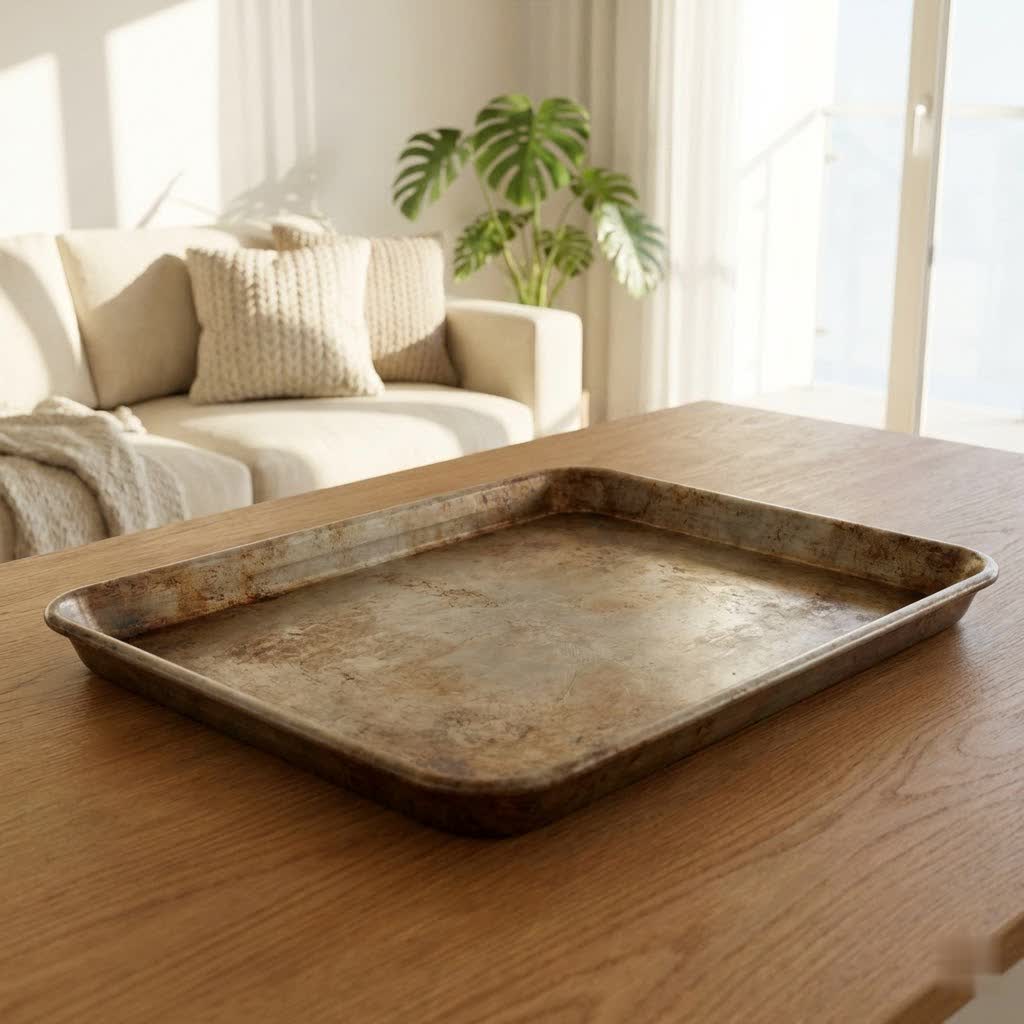
Every home chef and passionate baker understands the pivotal role a quality baking tray plays in culinary success. Have you ever experienced a batch of cookies burning unevenly, or found your roasting vegetables sticking stubbornly to the pan? The right foundation makes all the difference, and that’s where the stainless steel baking tray steps in. Renowned for its resilience and versatility, a well-chosen stainless steel baking tray can transform your cooking and baking experience, promising durability, consistent results, and effortless cleanup for years to come. This comprehensive guide, informed by years of hands-on experience in the kitchenware industry, will help you navigate the world of stainless steel baking trays, ensuring you select the perfect companion for your culinary adventures.
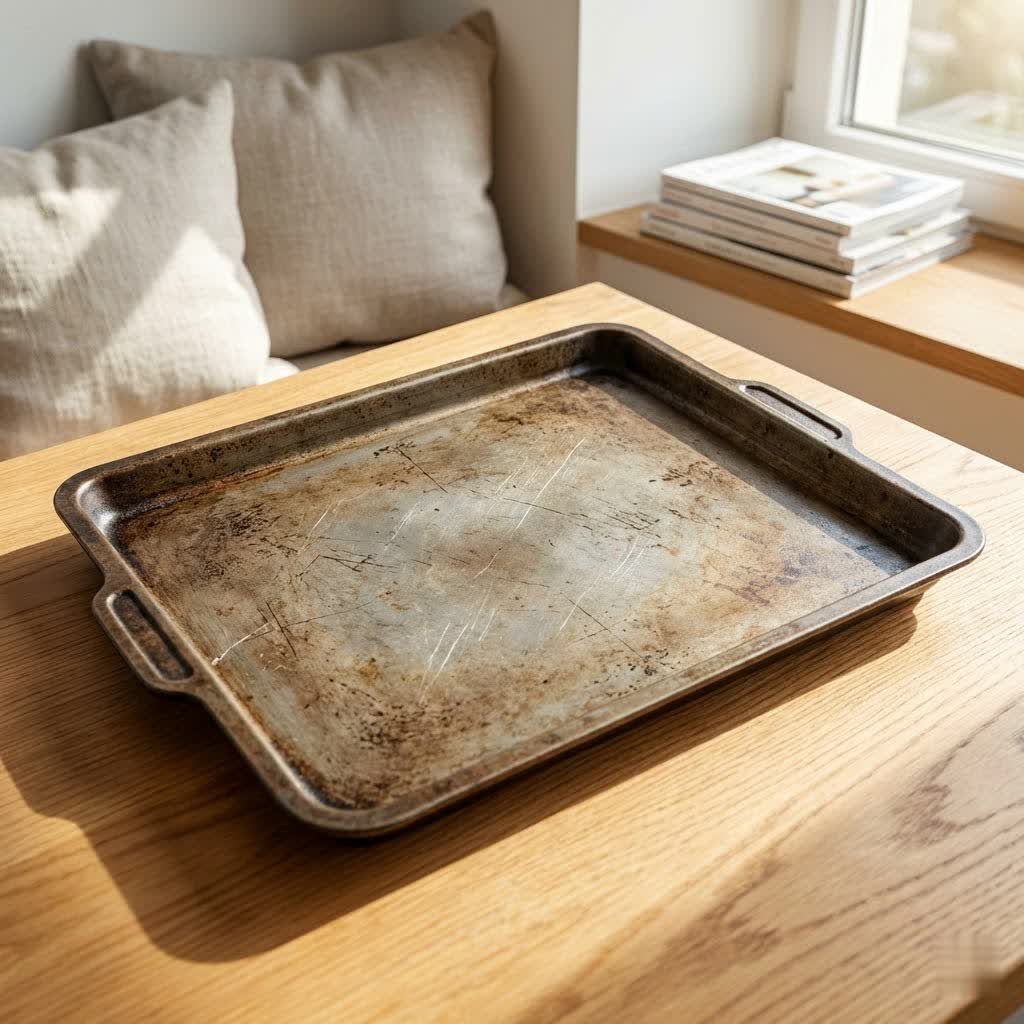
Exploring the Varieties of Stainless Steel Baking Trays
Stainless steel baking trays are not a one-size-fits-all solution; they come in various forms and compositions, each offering distinct advantages for different culinary tasks. Understanding these types is crucial for selecting a tray that perfectly aligns with your baking and roasting needs.
Primarily, stainless steel bakeware is differentiated by its grade, which signifies the composition of the alloy. You’ll often see numbers like 18/10, 18/8, or 18/0. These figures represent the percentage of chromium and nickel, respectively. For instance, 18/10 stainless steel contains 18% chromium and 10% nickel. Chromium provides corrosion resistance, while nickel enhances durability, shine, and resistance to rust and warping. A higher nickel content, as found in 18/10 grades, generally indicates a more premium and long-lasting product. Conversely, 18/0 stainless steel, which contains no nickel, is an excellent option for those with nickel sensitivities, though it might be slightly less resistant to rust over time.
Beyond the alloy, construction also varies. Many high-quality stainless steel baking trays feature a “clad” design, incorporating an aluminum core sandwiched between layers of stainless steel. This innovative construction leverages the superior heat conductivity of aluminum to ensure more even heat distribution, mitigating hot spots that can lead to uneven baking. Solid stainless steel trays, while incredibly durable, can sometimes struggle with even heat transfer, making clad options a popular choice for consistent results. Whether you’re looking for a flat sheet pan for cookies, a rimmed baking sheet for roasting vegetables, or a deeper roasting pan for meats, stainless steel offers robust options designed to withstand high temperatures and heavy use.
Why Opt for a Stainless Steel Baking Tray?
When choosing bakeware, many factors come into play, but the enduring appeal of a stainless steel baking tray lies in its unique combination of benefits. These trays are more than just functional; they represent a long-term investment in your kitchen.
The paramount advantage of stainless steel is its exceptional durability. Unlike other materials that might dent, scratch, or warp under high heat, robust stainless steel trays are built to last. They resist corrosion and rust, maintaining their integrity and appearance even after countless uses and washes. This longevity means fewer replacements and consistent performance over the years.
Another significant benefit is that stainless steel is non-reactive. This characteristic is vital because it means your baking tray will not impart any metallic taste or leach chemicals into your food, even when baking acidic ingredients like tomatoes or citrus. This ensures the pure flavor of your dishes shines through, making it a healthy and safe choice for all types of cooking. Furthermore, a stainless steel baking tray is generally easier to clean. Many are dishwasher safe, and their smooth, non-porous surface resists staining and food odors. For general use, simple soap and water are often enough to restore them to their gleaming best.
However, it’s also important to acknowledge potential drawbacks. Solid stainless steel, particularly thinner gauges, can sometimes heat unevenly and be prone to warping under sudden temperature changes. While highly durable, stainless steel is not naturally non-stick, meaning adequate greasing, parchment paper, or silicone mats are essential to prevent food from adhering. Despite being a heavier material, these considerations are minor when weighed against the overall benefits of a well-made stainless steel baking tray.
“A quality stainless steel baking tray is a workhorse in the kitchen. Its ability to withstand high temperatures and resist reactivity makes it indispensable for everything from delicate pastries to robust roasts.” – Chef Elena Rodriguez, Culinary Arts Instructor
Your Guide to Selecting the Perfect Stainless Steel Baking Tray
Choosing the ideal stainless steel baking tray involves considering several key factors to ensure it meets your specific culinary demands and oven capabilities. With a little insight, you can confidently select a pan that will serve you well for years.
First, material grade is paramount. As discussed, 18/10 stainless steel is often considered the gold standard due to its high nickel content, offering superior resistance to rust, corrosion, and warping. If you have a nickel allergy, seek out 18/0 stainless steel options, which still provide excellent durability without the nickel.
Next, pay close attention to the gauge or thickness of the steel. A heavier gauge, typically 18-20 gauge (around 1mm thick), is a strong indicator of quality. Thicker trays distribute heat more evenly and are significantly less prone to warping at high temperatures. Thin, flimsy pans are more likely to buckle and create hot spots, leading to inconsistent baking results. Look for trays with rolled edges, which further enhance rigidity and prevent warping.
Consider the construction – whether it’s solid or clad. For superior heat distribution, a clad stainless steel baking tray with an aluminum core is often the best choice, as it combines the strength of steel with the excellent thermal conductivity of aluminum. This design ensures your food cooks more uniformly, reducing burnt edges and undercooked centers.
Size and shape are also practical considerations. Standard sizes include half-sheet pans (approximately 18 x 13 inches) and quarter-sheet pans (9 x 13 inches), which fit most home ovens. Think about your typical baking volume and oven dimensions before making a purchase. The finish of the stainless steel can be either polished or brushed. Polished surfaces tend to be smoother and easier to wipe clean, but may require more diligent greasing to prevent sticking. Brushed finishes offer a more matte appearance and can provide a slight grip, though cleaning might require a bit more effort.
Finally, consider brand reputation. Researching brands known for their quality stainless steel kitchenware can provide peace of mind. Brands like All-Clad, Hestan (particularly their OvenBond line), and 360 Cookware are often recommended for their robust construction and performance. For nickel-free options, TeamFar is a reputable choice. Investing in a trusted brand often translates to better materials and superior craftsmanship.
Stainless Steel vs. Other Baking Tray Materials
The world of baking trays offers a myriad of materials, each with its own set of characteristics. Understanding how a stainless steel baking tray compares to its counterparts can help you make an informed decision based on your baking style and priorities.
Stainless Steel vs. Aluminum:
Aluminum baking sheets are celebrated for their exceptional heat conductivity, heating up quickly and distributing heat very evenly, which is ideal for delicate baked goods like cookies and cakes. They are also lightweight and typically more affordable. However, aluminum is a softer metal, making it more prone to dents and warping, especially with repeated exposure to high temperatures. It is also reactive with acidic foods, which can sometimes impart a metallic taste or discolor the food. A stainless steel baking tray, by contrast, is far more durable and non-reactive, ensuring food integrity and a longer lifespan, though it is heavier and generally more expensive. Pure stainless steel may not conduct heat as efficiently or evenly as aluminum, which is why clad stainless steel (with an aluminum core) is often preferred for optimal baking performance.
Stainless Steel vs. Aluminized Steel:
Aluminized steel is a popular choice, especially in professional bakeries, and cleverly combines the best of both worlds. It features a strong steel core coated with an aluminum-silicon alloy. This construction offers the rigidity and warp resistance of steel with the excellent heat distribution and corrosion resistance of aluminum. Aluminized steel also provides a superior surface for non-stick coatings. While it’s a fantastic performer, a solid stainless steel baking tray still holds its own for those who prioritize a pure, uncoated surface and maximum non-reactivity, or for specific tasks like roasting where its heat retention can be an advantage. Aluminized steel can be heavier and often more expensive than basic aluminum.
Stainless Steel vs. Non-stick Coated Steel:
Non-stick baking trays, often made from carbon steel or aluminized steel with a non-stick coating (like PTFE or ceramic), offer unparalleled food release and easy cleanup. They are very convenient for delicate items or when you want to use less fat. However, non-stick coatings can scratch, chip, or degrade over time, especially at high temperatures, requiring more frequent replacement. There are also ongoing discussions about the safety and longevity of certain non-stick chemicals. A stainless steel baking tray, being uncoated, eliminates these concerns entirely. While it requires proper preparation (oiling, parchment), it offers a chemical-free cooking surface that will never peel or scratch off, providing a lifetime of use.
Expert Tips for Using and Maintaining Your Stainless Steel Baking Tray
To maximize the performance and longevity of your stainless steel baking tray, proper usage and diligent care are essential. With a few simple practices, you can ensure your tray remains a reliable kitchen companion for decades.
Before You Bake: Since stainless steel is not naturally non-stick, preparation is key. Always generously grease your stainless steel baking tray, line it with parchment paper, or use a silicone baking mat. This step is crucial for preventing food from sticking and ensures easy release, making cleanup significantly simpler. For roasting vegetables or meats, a light coating of oil is usually sufficient, but for delicate items like cookies, parchment paper is your best friend.
Preventing Warping: While high-quality, heavy-gauge stainless steel trays are more resistant, thinner trays can still warp due to rapid temperature changes. To minimize this, allow your oven to fully preheat before placing the tray inside. Avoid putting a hot tray directly into cold water or a cold tray directly into a very hot oven from a cold surface. Gradual temperature changes are gentler on the metal. Some clad stainless steel options are designed with warp-resistant properties, offering an extra layer of protection.
Everyday Cleaning: The best practice for maintaining your stainless steel baking tray is to clean it immediately after each use. Wash with warm water, a mild dish soap, and a non-abrasive sponge or soft cloth. Avoid harsh scrubbers like steel wool, which can scratch the surface. Many stainless steel trays are dishwasher safe, offering convenient cleanup, but hand washing is often preferred to preserve their finish and ensure thorough cleaning. Dry your tray thoroughly to prevent water spots.
Tackling Tough Stains and Burnt-On Food: For stubborn baked-on residue or discoloration, a little extra effort goes a long way.
- Soaking: Fill the tray with hot, soapy water and let it soak for 30 minutes to an hour. This will often loosen most food particles.
- Baking Soda and Vinegar Paste: For more persistent stains, create a paste using equal parts baking soda and white vinegar. Spread this mixture over the affected areas and let it sit for 30 minutes to a few hours, or even overnight for very tough spots. Then, scrub gently with a non-abrasive sponge. The chemical reaction helps break down stubborn grime.
- Bar Keepers Friend: This powdered cleanser is highly effective for removing discoloration, rust spots, and baked-on residue from stainless steel. Apply a small amount with a damp sponge, rub gently in the direction of the grain, then rinse thoroughly and dry.
“The secret to pristine stainless steel bakeware is consistent care. Don’t let food bake on too long, and a simple baking soda paste can work wonders on stubborn spots.” – Maria Chen, Professional Baker and Kitchenware Expert
Storage Tips: Store your stainless steel baking trays in a way that prevents scratching. If stacking, place a sheet of parchment paper, a dish towel, or a thin silicone mat between each tray to protect the surfaces.
Top Stainless Steel Baking Trays for Every Kitchen
Choosing from the array of stainless steel baking trays available can feel overwhelming, but several brands consistently earn high marks for their quality, durability, and performance. Here are some top contenders that professionals and home cooks alike trust:
- All-Clad Stainless Steel Half Sheet Pan: All-Clad is synonymous with high-end, durable cookware, and their stainless steel baking sheets are no exception. Often featuring a clad construction with an aluminum core, these pans offer exceptional heat distribution and warp resistance. While an investment, their performance and longevity make them a favorite for serious bakers who want consistent browning and an oven-safe, broiler-safe option.
- Hestan OvenBond Tri-ply Baking Sheets: Hestan’s OvenBond line is another excellent example of clad stainless steel bakeware. Engineered with a triple-bonded construction, these sheets provide superior heat conductivity and are designed to resist warping even at high temperatures. They are praised for their robust feel and ability to deliver beautifully browned results, making them a premium choice for diverse baking and roasting tasks.
- 360 Cookware Stainless Steel Baking Sheets: 360 Cookware offers solid stainless steel baking sheets known for their heavy-duty construction and non-toxic, non-reactive surface. Users often highlight their durability and even heating, though some note they can be heavier than other options. These are excellent for those seeking a pure stainless steel option from a reputable brand committed to quality.
- TeamFar Stainless Steel Baking Sheets (Nickel-Free): For individuals with nickel allergies or those preferring a nickel-free option, TeamFar provides a highly-rated solution. Made from 18/0 stainless steel, these trays offer good durability and rust resistance while being a safe choice for sensitive users. They are often lauded as a budget-friendly yet reliable option for everyday baking and roasting.
When selecting from these top picks, consider your budget, the types of dishes you prepare most often, and any specific preferences like clad construction for enhanced heat distribution. Each of these brands offers a commitment to quality that will elevate your baking experience.
Where to Purchase Your Stainless Steel Baking Tray
Finding the perfect stainless steel baking tray is an exciting step, and fortunately, there are numerous reputable avenues to make your purchase. Whether you prefer the convenience of online shopping or the tactile experience of browsing in person, you’ll find quality options available.
For the widest selection and often competitive pricing, online retailers like Amazon, Williams Sonoma, and specialty kitchenware websites are excellent choices. These platforms allow you to compare various brands, read extensive customer reviews, and often find exclusive deals. Be sure to check return policies and shipping costs before finalizing your order. Websites like Made In Cookware also offer direct sales of their high-quality stainless steel bakeware, providing detailed product information.
If you prefer to see and feel the product before buying, department stores with robust kitchenware sections (such as Macy’s, Bloomingdale’s, or Nordstrom) often carry premium brands like All-Clad and Hestan. Dedicated culinary shops and specialty kitchen stores are also fantastic places to find high-quality stainless steel baking trays, with knowledgeable staff who can offer personalized recommendations. These stores often stock a curated selection of durable and well-regarded brands.
When purchasing, always verify the product specifications to ensure you are getting the correct grade and gauge of stainless steel. Compare prices across different retailers, but remember that investing a little more in a heavy-gauge, reputable stainless steel baking tray will often pay dividends in durability and performance over time. Look for sales or bundle deals that might make a higher-end option more accessible.
Conclusion
Choosing the right stainless steel baking tray is a decision that impacts everything from the evenness of your cookies to the crispness of your roasted vegetables. As we’ve explored, the key lies in understanding the material grades, construction types, and the unique advantages a stainless steel baking tray brings to your kitchen. From its unparalleled durability and non-reactive surface to its ease of cleaning and long-term value, it stands as a superior choice for discerning home cooks and professional bakers alike. By prioritizing quality factors like heavy gauge and clad construction, and following simple care routines, your stainless steel baking tray will be a trusted culinary partner for many years to come.
Ready to upgrade your bakeware collection and experience the difference? Which recipe will be the first to grace your new, reliable stainless steel baking tray?
Frequently Asked Questions
What makes 18/10 stainless steel superior for baking trays?
|
Our Picks for the Best Baking Tray in 2026
We may earn a commission when you use one of our links to make a purchase.
|
||
| Num | Product | Action |
|---|---|---|
| 1 | GoodCook Everyday Nonstick Carbon Steel 13” x 9” Baking Sheet Set, 3 Pack – Standard-Sized Carbon Steel Cooking Pans, Bakeware Set, Cookie Sheets for Baking, Oven Pan Set |

|
| 2 | Commercial Quality Baking Sheet Pan Set, Natural Aluminum Cookie Sheet, Umite Chef Warp Resistant Baker's Half Sheet Pan, Large Thick Cookie Tray Pans for Baking, Roasting(2 Pack, 18X13In) |
|
| 3 | NutriChef 3-Piece Nonstick Kitchen Oven Baking Pans - Premium & Stylish Non-Stick Steel, Commercial Grade Restaurant Quality Metal Bakeware with Red Silicone Handles - Easy to Clean, NCSBS3S |
|
| 4 | Premium Nonstick Baking Sheet Pans – Set of 3, Heavy-Gauge Carbon Steel, Warp, Dent, and Rust-Resistant – Gourmet Rimmed Half Cookie Sheet Trays, Non-Toxic for Exceptional Baking Performance |
|
| 5 | ROTTAY Baking Sheet with Rack Set (2 Pans + 2 Racks), Stainless Steel Cookie Sheet with Cooling Rack, Nonstick Baking Pan, Warp Resistant & Heavy Duty & Rust Free, Size 16 x 12 x 1 Inches |
|
| 6 | GoodCook BestBake Nonstick Textured Carbon Steel Cookie Sheet, 11" x 17", Large Baking Sheet, Even Heating, Scratch-Resistant, Non-Toxic, Durable, Ideal for Baking and Sheet Pan Dinners |
|
| 7 | Baking Sheet Tray Cooling Rack with Silicone Baking Mat Set, Stainless Steel Cookie Pan For Oven, Set of 9 (3 Sheets + 3 Racks + 3 Mats), Warp Resistant & Heavy Duty & Easy Clean, Red |
|
| 8 | Nordic Ware Naturals Half Sheet - USA Made Aluminum Commercial Quality Sheet Pan for Baking or Roasting, Encapsulated Galvanized Steel Rim Prevents Warping, 2-Pack |
|
| 9 | Stainless Steel Baking Sheet Tray Cooling Rack with Silicone Baking Mat Set, Cookie Pan with Cooling Rack, Set of 9 (3 Sheets + 3 Racks + 3 Mats), 10/12/16 Inch, Easy Clean |
|
| 10 | GoodCook Everyday Nonstick Carbon Steel Baking Sheet Set, 3 Pack – Small 13” x 9”, Medium 15” x 10”, Large 17” x 11” – Carbon Steel Cooking Pans, Cookie Sheet Bakeware Set |
|
18/10 stainless steel contains 18% chromium for corrosion resistance and 10% nickel for enhanced durability and shine. This specific composition makes baking trays more resistant to rust, warping, and staining, ensuring a longer lifespan and better performance compared to lower grades.
Can I put a stainless steel baking tray directly into a hot oven?
While stainless steel is highly heat-resistant, placing a cold, thin stainless steel baking tray directly into a very hot oven can sometimes cause thermal shock, leading to warping. Thicker, heavier-gauge, or clad stainless steel trays are more resistant to this. Allowing the oven to preheat fully before inserting the tray can also help prevent warping.
How do I prevent food from sticking to my stainless steel baking tray?
Stainless steel is not naturally non-stick. To prevent food from sticking, always use parchment paper, a silicone baking mat, or thoroughly grease the tray with oil or butter before adding food. These simple steps ensure easy food release and simplify cleanup.
Is stainless steel baking bakeware safe for all types of food?
Yes, stainless steel is highly non-reactive, making it safe for all types of food, including acidic ingredients like tomatoes or citrus. It will not leach chemicals into your food or alter its flavor, making it a healthy and reliable choice for a wide range of recipes.
How do I remove stubborn burnt-on food from my stainless steel baking tray?
For stubborn burnt-on food, first soak the tray in hot, soapy water. If residue remains, create a paste of baking soda and white vinegar, apply it to the affected area, and let it sit for at least 30 minutes before scrubbing gently. Bar Keepers Friend is also highly effective for tough stains and discoloration.
Are stainless steel baking trays dishwasher safe?
Most stainless steel baking trays are dishwasher safe, offering convenient cleaning. However, hand washing with warm, soapy water and a non-abrasive sponge is often recommended to maintain the finish and ensure thorough cleaning, especially for clad or polished surfaces. Always dry thoroughly to prevent water spots.