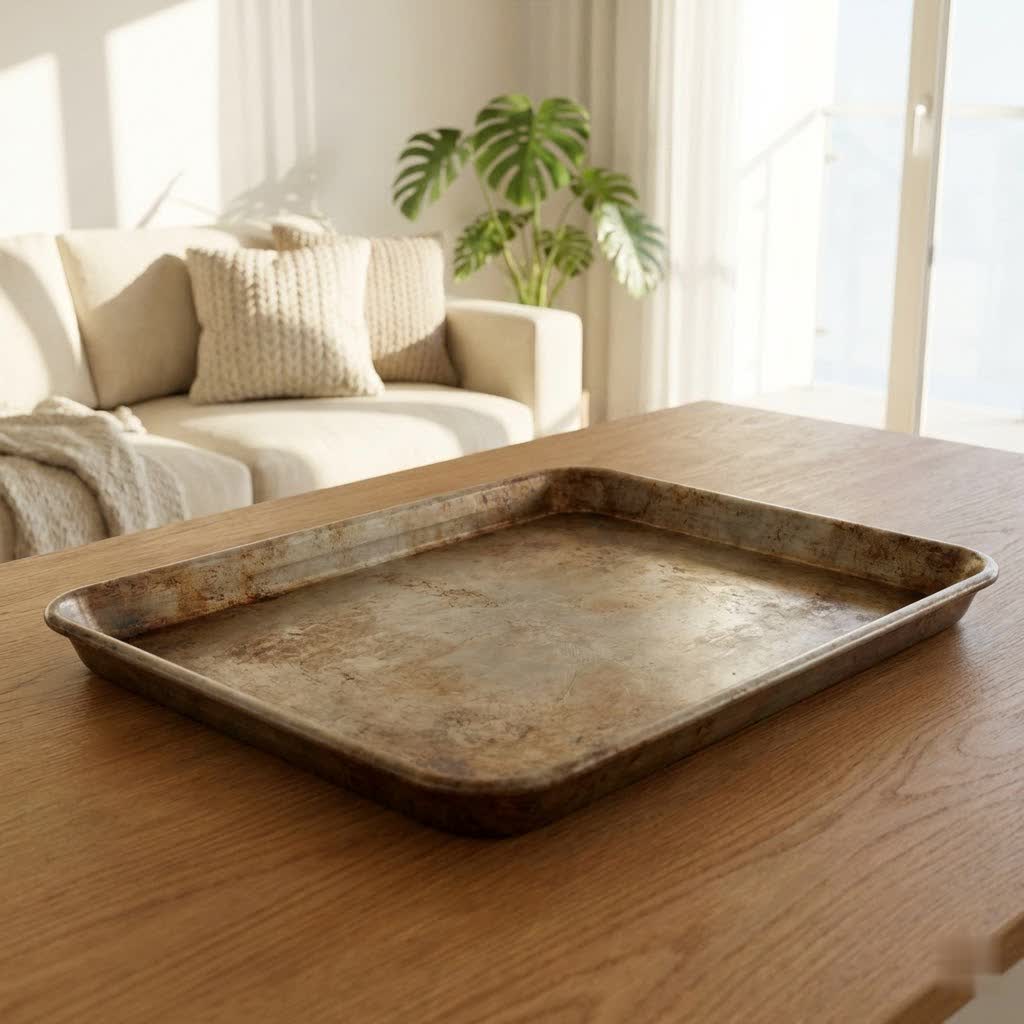
Every home chef dreams of consistently perfect bakes—golden-brown cookies, crispy roasted vegetables, and evenly baked sheet cakes. Yet, often, the tool standing between you and culinary triumph is nothing more than a simple baking tray. Choosing the right one and understanding its nuances can transform your kitchen frustrations into confident successes. This comprehensive guide will navigate the world of baking trays, helping you select, use, and maintain the ideal companion for every recipe, ensuring your dishes emerge from the oven flawlessly every time.
Popular Types of Baking Trays
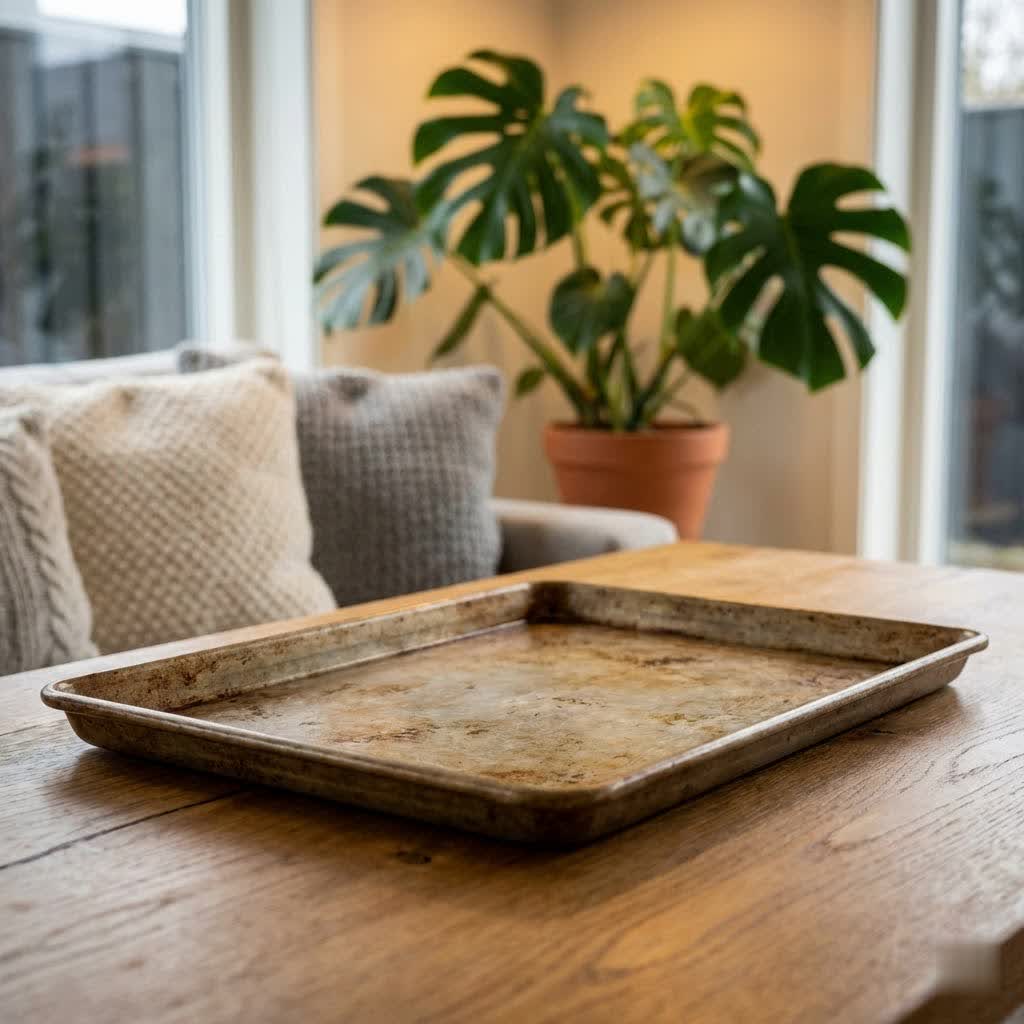
Understanding the various types of baking trays is the first step toward culinary mastery. While often used interchangeably, terms like “baking tray,” “sheet pan,” and “cookie sheet” refer to slight variations, each designed for specific purposes. Baking trays, also known as sheet pans, are typically flat, rectangular metal or silicone pans with low rims, usually ½ to 1 inch deep. These shallow edges are crucial as they allow hot air to circulate freely around your food, promoting even cooking and browning. This design makes them incredibly versatile for everything from cookies to roasted vegetables and sheet cakes.
Cookie sheets, a subset of baking trays, often feature only one raised edge or are completely rimless, making it exceptionally easy to slide baked goods off without damage. However, their lack of significant rims means they are unsuitable for anything that might release liquids or oils. Oven trays, conversely, sometimes have deeper sides (2+ inches) to contain fats and juices, making them ideal for roasting meats and poultry.
Standard sizes are important to consider for oven fit and batch capacity. The quarter-sheet (approx. 9×13 inches) is perfect for small batches or toaster ovens, while the half-sheet (approx. 13×18 inches) is the workhorse of most home kitchens, providing ample space for family-sized meals. Full-sheet pans (approx. 18×26 inches) are typically reserved for commercial use due to their size. Jelly roll pans (approx. 10×15 inches) are specifically designed for thin cakes and cookies.
Guide to Choosing the Best Baking Tray
Selecting the best baking tray involves a blend of understanding materials, assessing size, and considering crucial features that impact performance and longevity. A quality baking tray can significantly improve cooking results, turning challenging recipes into successful dishes.
Material Matters: Deciphering the Best Fit
The material of your baking tray dictates its heat distribution, durability, and reactivity with food, all of which are vital for perfect results. Each material brings unique advantages and disadvantages to your baking repertoire.
- Aluminum Baking Pans: These are among the most common and beloved for their fast heat conduction and affordability. Aluminum heats up quickly and cooks food evenly, making it ideal for cakes, cookies, and pastries. However, aluminum can warp under high heat or sudden temperature changes, and it reacts with acidic foods, potentially altering their taste and causing staining.
- Aluminized Steel: This material combines the strength of steel with the excellent heat conductivity of aluminum, often coated with a non-stick alloy. It’s a popular choice in commercial settings due to its superior durability and efficient heat distribution, ensuring consistent baking and browning.
- Stainless Steel Baking Pans: Renowned for their exceptional durability, resistance to rust, and non-reactive surface, stainless steel pans are a long-lasting option that won’t interact with acidic ingredients, preserving food flavor. They can withstand high temperatures, making them suitable for baking bread or roasting. However, stainless steel tends to heat unevenly, which can lead to hot spots unless it features an aluminum or copper core.
- Carbon Steel Baking Pans: Carbon steel heats quickly and distributes heat more evenly than stainless steel, making it excellent for achieving crispy bottoms on pizzas and roasted vegetables. Like cast iron, it requires seasoning (oiling and heating) to maintain its non-stick properties and prevent rust, which can be a commitment.
- Ceramic Baking Pans (Stoneware): Valued for their aesthetic appeal and slow, even heat distribution, ceramic pans are perfect for casseroles, pies, and dishes that benefit from consistent, gentle cooking. They are non-reactive and retain heat well, but are heavier and prone to cracking with sudden temperature changes.
- Glass Baking Pans: Glass is non-reactive and allows you to visibly monitor cooking progress, which is great for dishes like lasagna. It offers even heat distribution and retains heat effectively, keeping food warm longer. However, glass is fragile, heavier than metal, and slower to heat up, potentially affecting cooking times. It’s also susceptible to thermal shock.
- Silicone Baking Molds/Trays: Flexible and naturally non-stick, silicone is excellent for delicate foods like muffins or tarts, ensuring easy release. High-quality, pro-grade silicone is BPA-free, LFGB certified, and often rated to withstand temperatures up to 600°F, eliminating concerns about chemical leaching. While great for gentle, even cooking, silicone is a poor heat conductor, meaning foods might take longer to bake than in metal pans.
|
Our Picks for the Best Baking Tray in 2026
We may earn a commission when you use one of our links to make a purchase.
|
||
| Num | Product | Action |
|---|---|---|
| 1 | Premium Nonstick Baking Sheet Pans – Set of 3, Heavy-Gauge Carbon Steel, Warp, Dent, and Rust-Resistant – Gourmet Rimmed Half Cookie Sheet Trays, Non-Toxic for Exceptional Baking Performance |

|
| 2 | NutriChef 3-Piece Nonstick Kitchen Oven Baking Pans - Premium & Stylish Non-Stick Steel, Commercial Grade Restaurant Quality Metal Bakeware with Red Silicone Handles - Easy to Clean, NCSBS3S |
|
| 3 | GoodCook Everyday Nonstick Carbon Steel 13” x 9” Baking Sheet Set, 3 Pack – Standard-Sized Carbon Steel Cooking Pans, Bakeware Set, Cookie Sheets for Baking, Oven Pan Set |
|
| 4 | Stainless Steel Baking Sheet Tray Cooling Rack with Silicone Baking Mat Set, Cookie Pan with Cooling Rack, Set of 9 (3 Sheets + 3 Racks + 3 Mats), 10/12/16 Inch, Easy Clean |
|
| 5 | GoodCook BestBake Nonstick Textured Carbon Steel Cookie Sheet, 11" x 17", Large Baking Sheet, Even Heating, Scratch-Resistant, Non-Toxic, Durable, Ideal for Baking and Sheet Pan Dinners |
|
| 6 | Commercial Quality Baking Sheet Pan Set, Natural Aluminum Cookie Sheet, Umite Chef Warp Resistant Baker's Half Sheet Pan, Large Thick Cookie Tray Pans for Baking, Roasting(2 Pack, 18X13In) |
|
| 7 | GoodCook Everyday Nonstick Carbon Steel Baking Sheet Set, 3 Pack – Small 13” x 9”, Medium 15” x 10”, Large 17” x 11” – Carbon Steel Cooking Pans, Cookie Sheet Bakeware Set |
|
| 8 | ROTTAY Baking Sheet with Rack Set (2 Pans + 2 Racks), Stainless Steel Cookie Sheet with Cooling Rack, Nonstick Baking Pan, Warp Resistant & Heavy Duty & Rust Free, Size 16 x 12 x 1 Inches |
|
| 9 | Nordic Ware Naturals Half Sheet - USA Made Aluminum Commercial Quality Sheet Pan for Baking or Roasting, Encapsulated Galvanized Steel Rim Prevents Warping, 2-Pack |
|
| 10 | Baking Sheet Tray Cooling Rack with Silicone Baking Mat Set, Stainless Steel Cookie Pan For Oven, Set of 9 (3 Sheets + 3 Racks + 3 Mats), Warp Resistant & Heavy Duty & Easy Clean, Red |
|
Factors to Consider When Choosing
- Size and Shape: The size and shape of a baking tray directly influence heat circulation and cooking time. Larger trays allow food to spread out for crispiness, while smaller trays concentrate heat for faster cooking. Ensure the tray fits comfortably in your oven with enough space for air circulation around it.
- Non-Stick Coatings: Many metal trays come with non-stick coatings for easy food release. While convenient, some older coatings contained PTFE and PFOA, which can break down at high temperatures and release toxic fumes. Opt for PFOA-free coatings or consider naturally non-stick materials like seasoned carbon steel or quality silicone. Nonstick coatings can degrade over time, often requiring replacement every 2-3 years.
- Thickness (Gauge): Thicker, lower-gauge metal trays are less prone to warping and offer more even heat distribution. Flimsy, thinner trays can warp when exposed to high heat, leading to unevenly cooked food.
- Color/Finish: The color of your baking tray impacts browning. Darker, duller finishes radiate more heat, leading to faster and more intense browning, especially on the bottom of baked goods. Shiny, lighter aluminum pans reflect heat, resulting in a lighter, more delicate bake. If using a dark pan, you might need to reduce your oven temperature by 25°F to prevent over-browning.
Comparing Various Baking Tray Materials
To simplify your choice, here’s a side-by-side comparison of common baking tray materials:
| Feature | Aluminum | Stainless Steel | Carbon Steel | Ceramic | Glass | Silicone (Pro-Grade) |
|---|---|---|---|---|---|---|
| Heat Tolerance | 500°F+ | 500°F+ | 500°F+ | 450°F | 450°F | 600°F |
| Even Heating | Excellent | Poor/Uneven | Good/Even | Excellent (slow) | Excellent (slow) | Excellent (gradual) |
| Food Safety | Reactive (acidic) | Inert/Non-Reactive | Reactive (acidic) | Inert/Non-Reactive | Inert/Non-Reactive | Forever-chemical free |
| Durability | May warp | Excellent | Excellent | Prone to cracking | Fragile | Lifetime performance |
| Cleanup | Moderate | Difficult (non-stick) | Moderate (seasoning) | Easy | Easy | Effortless |
> “The material of your baking tray is a silent partner in every dish. It dictates how heat reaches your food, how easily it releases, and ultimately, the success of your culinary endeavor.”
Tips for Using and Caring for Your Baking Tray
Proper use and diligent care are essential for maximizing the performance and lifespan of your baking trays.
Usage Best Practices
- Preheat Your Tray: For items like roasted vegetables or proteins, preheating your baking tray in the oven can create an immediate sear, locking in flavors and preventing sticking. However, avoid this for delicate items like cookies that require more gentle, even heating from the start.
- Adjust for Pan Color: Remember that darker pans absorb more heat. If your recipe was developed for a lighter pan, consider dropping your oven temperature by 25°F when using a dark-finished tray to prevent over-browning. Conversely, if a recipe calls for a dark pan and you’re using a lighter one, increase the oven temperature by 25°F.
- Don’t Overcrowd: Leave sufficient space between items on the tray to allow for proper air circulation. Overcrowding leads to steaming instead of browning, resulting in soggy food.
- Rotate for Evenness: Even with the best trays, ovens can have hot spots. Rotate your baking tray halfway through cooking, especially when baking multiple items, to ensure more uniform browning and cooking [cite: 5 in search results, referring to oven use in general].
- Lining is Your Friend: For metal trays, parchment paper or silicone baking mats can prevent sticking and make cleanup significantly easier. High-quality silicone trays often eliminate the need for any lining.
Cleaning and Maintenance Made Simple
- Cool Completely: Always allow metal trays to cool completely before washing to prevent thermal shock, which can cause warping.
- Gentle Cleaning: Avoid abrasive cleaners, steel wool, or harsh scrubbing pads, especially on non-stick coatings or ceramic surfaces, as these can cause scratches where food and bacteria can hide. Hand washing with mild soap and warm water is often recommended for coated metal trays to preserve their finish.
- Stubborn Residue: For baked-on food, a paste made from baking soda and a little water can be gently rubbed on the surface, allowed to sit, then rinsed away.
- Season Carbon Steel: Carbon steel and cast iron trays require seasoning to maintain their non-stick properties and prevent rust. After each wash, dry thoroughly, apply a very thin layer of high smoke point oil, and heat briefly in the oven (or on a stovetop if applicable) until lightly smoking to maintain the protective layer [cite: 4 in search results].
- Dishwasher Safety: While some metal trays are labeled “dishwasher safe,” hand washing often extends their lifespan. Quality silicone trays, however, are typically dishwasher-friendly and maintain their performance indefinitely.
Storage Solutions
Store your baking trays vertically if space allows to prevent scratching. If stacking, place silicone mats or even paper towels between metal trays to protect their surfaces. Flexible silicone trays can be rolled up for compact storage, which is a great space-saver.
Top Baking Trays to Consider
When looking for a new baking tray, consider your primary baking needs. For an excellent all-rounder, a good quality non-stick carbon steel tray offers durability and even heat. For large batches of cookies or substantial sheet pan dinners, a sturdy aluminum half-sheet pan is a go-to for many professional bakers due to its exceptional heat conduction. If durability and non-reactivity are paramount, stainless steel options, especially those with an encapsulated base for better heat distribution, are an investment. For health-conscious cooks, high-grade silicone or ceramic trays free from harmful chemicals provide peace of mind and excellent performance.
Where to Purchase Your Next Baking Tray
You can find baking trays at various retailers, each offering different advantages.
- Online Retailers: Websites like Amazon, Williams Sonoma, or direct-to-consumer brands (like DI ORO or Caraway mentioned in search results) offer a vast selection, often with customer reviews and competitive pricing. Look for clear product descriptions and customer service policies.
- Specialty Kitchen Stores: Stores focusing on kitchenware usually have knowledgeable staff and high-quality, professional-grade options. They can offer personalized advice based on your needs.
- Department Stores and Supermarkets: These provide a convenient option for more budget-friendly or basic baking trays. While accessible, the selection might be more limited, and material quality can vary.
When purchasing online, always double-check dimensions to ensure the tray fits your oven, and review return policies.
Conclusion
The journey to consistently remarkable baked goods and roasted delights begins with understanding your tools. A baking tray is more than just a flat piece of metal; it’s a crucial element that impacts heat distribution, cooking time, and the final texture of your culinary creations. By choosing the right material, size, and features, and committing to proper care, you unlock the full potential of your oven and elevate your cooking confidence. Invest wisely, care diligently, and watch as your baking tray becomes your most reliable partner in the kitchen. What delicious dish will you create next with your perfectly chosen baking tray?
Frequently Asked Questions
What is the ideal baking tray size for a standard home oven?
The half-sheet baking tray, typically measuring about 13×18 inches, is considered the most versatile and ideal size for standard home ovens. It provides ample surface area for most baking and roasting needs without overcrowding, allowing for proper air circulation and even cooking.
How can I prevent my metal baking trays from warping in the oven?
To prevent metal baking trays from warping, choose heavier gauge materials that are less prone to bending under heat. Additionally, avoid exposing a hot tray to sudden cold temperatures, such as placing it directly into cold water or on a cold countertop, which can induce thermal shock and cause warping.
Is it better to use a light or dark-colored baking tray?
Neither is inherently “better”; it depends on what you’re baking. Darker baking trays absorb more heat, leading to faster, darker browning and crispier results, especially on the bottom. Lighter, reflective trays prevent over-browning and are ideal for delicate items like cookies or pastries where a softer, more even bake is desired.
Do I always need to line my baking tray with parchment paper or a silicone mat?
While not always strictly necessary, lining your baking tray with parchment paper or a silicone mat is highly recommended, especially for metal trays. It prevents food from sticking, promotes easier cleanup, and can also help achieve more consistent baking results by providing a uniform, non-stick surface. High-quality silicone trays often eliminate the need for additional lining.
Can baking trays be used on the stovetop?
No, baking trays are specifically designed for oven use and should never be used on the stovetop. Direct flame or electric burner contact will likely cause metal trays to warp severely and can damage non-stick coatings or silicone materials, rendering them unusable and potentially creating a safety hazard.
How often should non-stick baking trays be replaced?
Non-stick baking trays, particularly those with chemical coatings, typically need to be replaced every 2-3 years, or sooner if the coating begins to scratch, chip, or show signs of wear. Once the non-stick surface is compromised, food will start to stick, and the pan’s performance will significantly decline. Quality silicone trays, however, can last for decades with proper care.