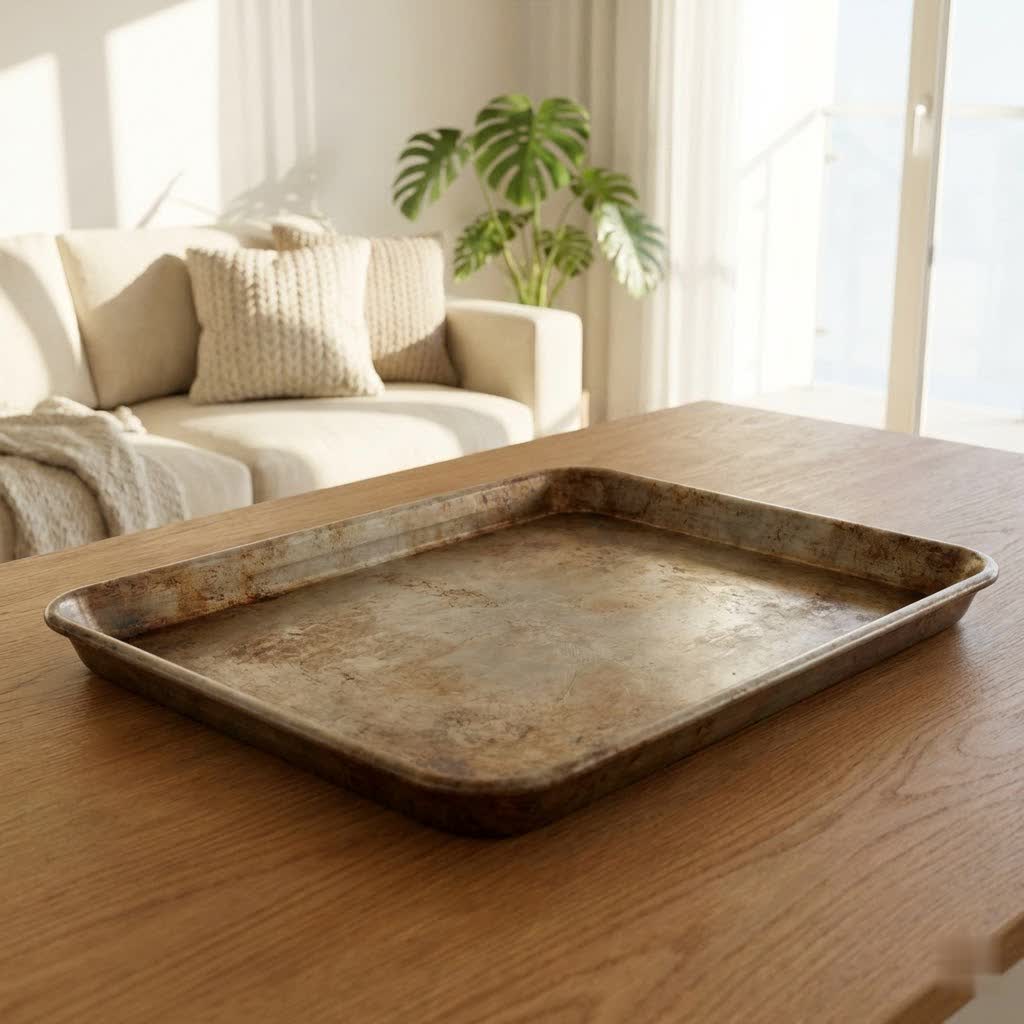
Are you tired of baking sheets that warp in the oven, struggle with unevenly cooked results, or constantly replace non-stick coatings that chip and peel? If you’re passionate about baking, whether it’s achieving perfectly crispy cookies, a golden-brown pizza crust, or beautifully roasted vegetables, the right baking tray can make all the difference. For over a decade, I’ve delved deep into the world of kitchenware, and I’m here to tell you that Carbon Steel Baking Trays are a game-changer. These robust, high-performance pieces of bakeware offer a blend of durability, exceptional heat management, and a natural non-stick surface that only gets better with time, making them a cornerstone for any serious baker.
What is a Carbon Steel Baking Tray?
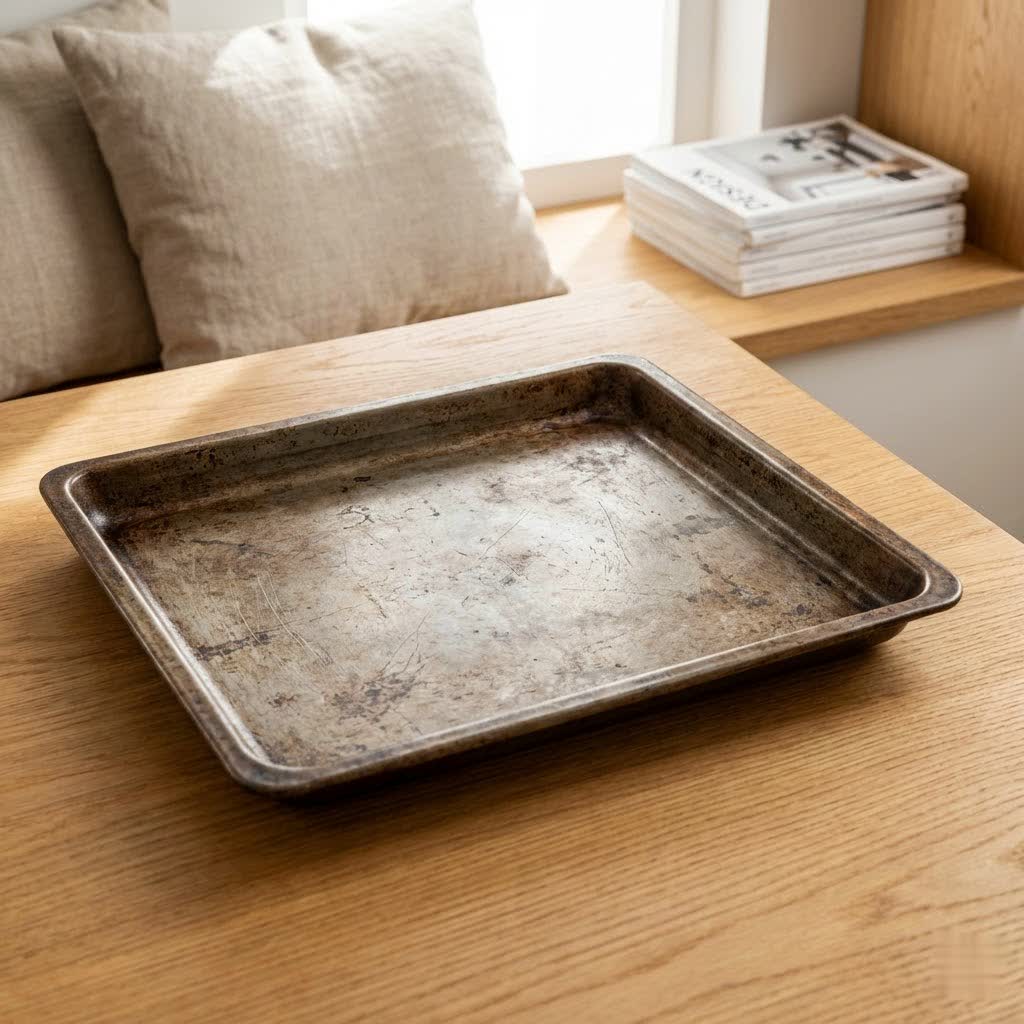
At its heart, a carbon steel baking tray is a remarkably simple yet incredibly effective piece of kitchen equipment, forged from a blend of iron and a small percentage of carbon. This composition gives it the best attributes of both cast iron and stainless steel: the superb heat retention and development of natural non-stick from cast iron, combined with the lighter weight and quicker heat responsiveness often associated with stainless steel.
Many carbon steel trays, particularly those of European origin, feature a distinctive “blue steel” appearance. This blue tinge isn’t merely aesthetic; it’s the result of a thermal treatment that oxidizes the surface, providing an initial layer of protection against corrosion and preparing the steel for its eventual seasoned patina. Unlike baking trays coated with synthetic non-stick materials, a carbon steel tray develops its non-stick properties through a process called seasoning, where layers of polymerized oil create a naturally slick, durable surface.
Why Choose Carbon Steel? Pros and Cons
Embracing carbon steel for your baking needs comes with a host of benefits that can elevate your culinary results, but it also requires a certain commitment to care.
The Advantages of Carbon Steel Baking Trays
- Superior Heat Conduction and Distribution: Carbon steel heats up rapidly and, more importantly, distributes that heat incredibly evenly across its surface. This means no more hot spots leading to unevenly baked goods or burnt edges. It’s ideal for achieving those coveted crispy crusts on pizzas, rustic breads, and perfectly roasted vegetables.
- Natural, Ever-Improving Non-Stick Surface: With proper seasoning, carbon steel develops a chemical-free non-stick surface that actually improves with every use. This eliminates the need for unhealthy synthetic coatings that can degrade over time, offering a safer and more durable alternative.
- Exceptional Durability and Longevity: Built to last for decades, carbon steel trays are virtually indestructible under normal kitchen conditions. They are resistant to warping and denting, unlike thinner aluminum sheets, and will stand the test of time, becoming a cherished heirloom in your kitchen.
- Versatility in the Kitchen: While perfect for baking, the excellent heat retention and non-stick properties of a seasoned carbon steel tray also make it suitable for a variety of tasks. Think searing meats or even using it as a baking steel for pizzas, delivering professional-grade results.
|
Our Picks for the Best Baking Tray in 2026
We may earn a commission when you use one of our links to make a purchase.
|
||
| Num | Product | Action |
|---|---|---|
| 1 | GoodCook Everyday Nonstick Carbon Steel Baking Sheet Set, 3 Pack – Small 13” x 9”, Medium 15” x 10”, Large 17” x 11” – Carbon Steel Cooking Pans, Cookie Sheet Bakeware Set |

|
| 2 | GoodCook Everyday Nonstick Carbon Steel 13” x 9” Baking Sheet Set, 3 Pack – Standard-Sized Carbon Steel Cooking Pans, Bakeware Set, Cookie Sheets for Baking, Oven Pan Set |
|
| 3 | Stainless Steel Baking Sheet Tray Cooling Rack with Silicone Baking Mat Set, Cookie Pan with Cooling Rack, Set of 9 (3 Sheets + 3 Racks + 3 Mats), 10/12/16 Inch, Easy Clean |
|
| 4 | Premium Nonstick Baking Sheet Pans – Set of 3, Heavy-Gauge Carbon Steel, Warp, Dent, and Rust-Resistant – Gourmet Rimmed Half Cookie Sheet Trays, Non-Toxic for Exceptional Baking Performance |
|
| 5 | GoodCook BestBake Nonstick Textured Carbon Steel Cookie Sheet, 11" x 17", Large Baking Sheet, Even Heating, Scratch-Resistant, Non-Toxic, Durable, Ideal for Baking and Sheet Pan Dinners |
|
| 6 | Nordic Ware Naturals Half Sheet - USA Made Aluminum Commercial Quality Sheet Pan for Baking or Roasting, Encapsulated Galvanized Steel Rim Prevents Warping, 2-Pack |
|
| 7 | ROTTAY Baking Sheet with Rack Set (2 Pans + 2 Racks), Stainless Steel Cookie Sheet with Cooling Rack, Nonstick Baking Pan, Warp Resistant & Heavy Duty & Rust Free, Size 16 x 12 x 1 Inches |
|
| 8 | Commercial Quality Baking Sheet Pan Set, Natural Aluminum Cookie Sheet, Umite Chef Warp Resistant Baker's Half Sheet Pan, Large Thick Cookie Tray Pans for Baking, Roasting(2 Pack, 18X13In) |
|
| 9 | NutriChef 3-Piece Nonstick Kitchen Oven Baking Pans - Premium & Stylish Non-Stick Steel, Commercial Grade Restaurant Quality Metal Bakeware with Red Silicone Handles - Easy to Clean, NCSBS3S |
|
| 10 | Baking Sheet Tray Cooling Rack with Silicone Baking Mat Set, Stainless Steel Cookie Pan For Oven, Set of 9 (3 Sheets + 3 Racks + 3 Mats), Warp Resistant & Heavy Duty & Easy Clean, Red |
|
The Considerations of Carbon Steel Baking Trays
- Requires Seasoning: Unlike ready-to-use non-stick pans, carbon steel needs an initial seasoning process to build its non-stick layer. This involves applying thin coats of oil and baking it at high temperatures. While not difficult, it is a crucial step that some find daunting.
- Specific Maintenance: To maintain its non-stick qualities and prevent rust, carbon steel requires immediate drying after washing and a light re-oiling. It’s also best to avoid harsh soaps and prolonged exposure to acidic foods, which can strip away the seasoning.
- Weight: While lighter and more responsive than cast iron, carbon steel trays are still heavier than their aluminum counterparts. This might be a factor for some, though the added weight contributes to their superior heat retention and stability.
- Can Rust if Neglected: Without proper seasoning and care, especially immediate drying after washing, carbon steel is susceptible to rust. However, rust can usually be removed and the seasoning restored.
Carbon Steel vs. Other Baking Tray Materials
Choosing the right baking tray often comes down to understanding how different materials perform. Here’s how carbon steel stacks up against popular alternatives:
| Feature | Carbon Steel Baking Tray | Aluminum Baking Tray | Stainless Steel Baking Tray | Ceramic/Stoneware Baking Dish | Glass Baking Dish |
|---|---|---|---|---|---|
| Heat Conduction | Excellent, even heat distribution, heats rapidly and retains heat well. | Very fast heat conductor, heats quickly, cools quickly. | Poor conductor, heats unevenly unless it has a core (e.g., aluminum). | Very even heat distribution, retains heat for a long time. | Even heat distribution, retains heat for a long time, heats slowly. |
| Non-Stick Properties | Develops natural non-stick with seasoning, improves with use (chemical-free). | Often coated with synthetic non-stick, which can degrade. | Generally non-stick only with parchment paper or heavy greasing. | Can be naturally non-stick or glazed; food may stick if not greased. | Food often sticks without greasing; non-reactive. |
| Durability | Extremely durable, resistant to warping and denting, lasts for decades. | Prone to warping at high temperatures and denting; coatings wear off. | Highly durable, resistant to rust and corrosion. | Prone to cracking/shattering from sudden temperature changes, heavy. | Fragile, can shatter if dropped or with thermal shock, heavy. |
| Maintenance | Requires seasoning and specific care (hand wash, dry, oil, avoid acidic foods). | Easy to clean, but non-stick coatings require gentle handling. | Easy to clean, dishwasher safe (usually), non-reactive to acidic foods. | Hand wash recommended, avoid harsh abrasives. | Easy to clean, dishwasher safe, non-reactive. |
| Weight | Moderate (lighter than cast iron, heavier than aluminum). | Lightweight and easy to handle. | Heavier than aluminum. | Heavy and can be cumbersome. | Heavy and can be cumbersome. |
| Best Use Cases | Crispy crusts (pizza, bread), roasted vegetables, searing. | Cookies, pastries, general baking where quick heating/cooling is desired. | Roasting, baking where a durable, non-reactive surface is needed. | Casseroles, slow-baked dishes, serving directly. | Casseroles, lasagnas, dishes needing visual monitoring. |
How to Season Your Carbon Steel Baking Tray
Seasoning is the cornerstone of carbon steel ownership. It transforms bare metal into a prized, naturally non-stick surface. Here’s how to properly season your carbon steel baking tray using the oven method:
1. Preparation: Clean and Dry Thoroughly
If your new carbon steel tray has a protective factory coating (like beeswax, common with some European brands), you must remove it completely. Wash the tray with hot, soapy water and a stiff brush, scrubbing vigorously to remove all traces of the coating. Once cleaned, rinse thoroughly and immediately dry the tray. To ensure it’s bone-dry and prevent rust, place it on low heat on your stovetop for a few minutes until all moisture has evaporated.
2. Choose Your Oil
Select a high-smoke-point neutral oil. Excellent choices include grapeseed, canola, avocado, or even traditional lard or shortening. Avoid oils with low smoke points or strong flavors, as these can lead to sticky residue and undesirable tastes.
3. Apply an Ultra-Thin Layer of Oil
Heat your clean, dry tray in an oven preheated to 450°F (230°C) for about 10 minutes, or on a stovetop burner until warm. This helps the oil spread thinly. Using a folded paper towel barely dampened with your chosen oil, wipe a tiny amount over the entire surface of the tray – front, back, and edges. The crucial step here is to wipe off all excess oil with a clean paper towel until the tray appears dry, with only a matte sheen, not glossy. Any visible oil means you’ve applied too much, which will result in a sticky, uneven seasoning.
4. Bake to Polymerize
Place the oil-coated tray upside down in a preheated oven set to 500°F (260°C). Place a foil-lined baking sheet on the rack below to catch any potential oil drips. Bake for at least 30 minutes, or until the oil stops smoking. This smoking indicates that the oil is polymerizing, transforming into a hard, non-stick layer. You’ll notice the surface changing color, often to a light brown or darker hue. Be sure to ensure good ventilation during this step.
5. Cool and Repeat
Turn off the oven and allow the tray to cool completely inside the oven (at least 30 minutes for the final layer, or just enough to handle safely, about 5-8 minutes, between layers). Once cool, repeat the oiling and baking process at least 3-5 times to build a durable, resilient patina. The more layers you build, the more robust and non-stick your tray will become.
Care and Maintenance for Longevity
Proper care ensures your carbon steel baking tray remains a reliable kitchen companion for years.
Everyday Cleaning
After each use, rinse your tray with hot water. While it’s still warm, gently scrub off any stuck-on food with a soft brush or sponge. Resist the urge to use harsh detergents, especially initially, as they can strip the seasoning. For stubborn bits, a paste made of coarse salt and a little oil works wonders, acting as a gentle abrasive without damaging the patina.
Immediate Drying is Key
The absolute most important rule for carbon steel: dry it immediately and thoroughly after washing. Water is carbon steel’s enemy and will lead to rust. You can place it back on low heat on the stovetop for a minute or two to ensure it’s bone-dry.
A Whisper-Thin Oil Touch-Up
Once dry and still warm, apply another whisper-thin layer of high-smoke-point oil using a paper towel, buffing away any excess until it looks dry. This re-oiling nourishes the seasoning and continues to build up its non-stick properties with every use.
Storage
Store your carbon steel tray in a dry environment. If stacking, place a paper towel between trays to prevent moisture buildup and potential scratches. In humid climates, a slightly heavier oil coat or even a silica gel packet in the storage area can offer extra protection.
Troubleshooting
- Sticky Surface: If your tray feels sticky, it’s usually a sign of too much oil during seasoning or maintenance that didn’t polymerize correctly. Gently scrub the sticky area with salt and oil or a small amount of soap, then dry thoroughly and apply a new, thinner layer of oil and bake it on.
- Rust Spots: Minor rust can be scrubbed away with a scour pad and a bit of oil or baking soda paste. After removing the rust, wash, dry, and re-season the affected area.
- Uneven Color: Don’t worry if your tray develops an uneven, splotchy coloration. This is completely normal and a sign of a developing patina. The key is how smooth it feels and how well food releases, not its aesthetic uniformity.
Finding the Best Carbon Steel Baking Tray for You
When selecting a carbon steel baking tray, consider a few key factors:
- Size and Shape: Choose a size that fits comfortably in your oven and suits your typical baking needs. Remember that some larger trays can be challenging to maneuver or wash in standard sinks.
- Thickness: Thicker carbon steel generally provides better heat retention and is less prone to warping.
- Brand Reputation: Brands with a long history of quality carbon steel cookware, such as De Buyer, are often excellent choices. De Buyer’s “Blue Carbon Steel Baking Sheets,” for instance, are highly regarded for their superior heat distribution and natural non-stick potential. Circulon also offers carbon steel baking trays with advanced non-stick technologies, though it’s important to differentiate between true seasoned carbon steel and those with synthetic coatings if a chemical-free surface is your priority.
“A truly great baking tray isn’t just about cooking; it’s about confidence in every bake, knowing your food will achieve that perfect crisp, that ideal rise, and release effortlessly.” – Chef Anya Sharma, Culinary Educator
Where to Buy Carbon Steel Baking Trays?
Carbon steel baking trays are becoming increasingly popular, making them more accessible than ever. You can often find them at:
- Specialty Kitchen Stores: These stores often carry high-quality brands and knowledgeable staff who can offer advice.
- Online Retailers: Websites like Amazon, Williams Sonoma, or the direct websites of reputable brands like De Buyer and Misen offer a wide selection, often with detailed product descriptions and customer reviews.
- Department Stores: Larger department stores with extensive kitchenware sections might also carry a limited selection.
When buying online, always verify the product specifications, look for clear indications of “carbon steel” (rather than “aluminized steel” or just “non-stick”), and read customer reviews regarding seasoning and durability.
Conclusion
Embracing a carbon steel baking tray is an investment in your culinary future. With its outstanding heat distribution, remarkable durability, and the development of a natural, ever-improving non-stick surface, it offers an unparalleled baking experience. While it asks for a little more attention with initial seasoning and ongoing care, the rewards are well worth it: perfectly cooked dishes, a lifetime of reliable performance, and the satisfaction of mastering a truly professional piece of bakeware.
Are you ready to transform your baking and roasting with the enduring quality of carbon steel? The crispier crusts and easier cleanup await!
Frequently Asked Questions
Is a carbon steel baking tray truly non-stick?
Yes, a carbon steel baking tray becomes naturally non-stick through the process of seasoning. Over time, layers of polymerized oil create a slick, durable surface that rivals synthetic non-stick coatings, often surpassing them in longevity and resistance to wear.
Can I use soap to clean my carbon steel baking tray?
While some enthusiasts recommend avoiding soap entirely, especially with new seasoning, mild dish soap can be used sparingly for heavier messes. The key is to dry the tray immediately and thoroughly after washing, and apply a thin coat of oil to maintain the seasoning.
What kind of oil is best for seasoning carbon steel?
High-smoke-point neutral oils like grapeseed, canola, avocado, or even lard/shortening are ideal for seasoning. These oils polymerize effectively at high temperatures, creating a strong, durable non-stick layer without imparting unwanted flavors.
My carbon steel tray is sticky after seasoning. What went wrong?
A sticky surface usually indicates that too much oil was applied during the seasoning process, and it didn’t fully polymerize. To fix this, you can scrub the sticky areas with coarse salt and oil, or even a small amount of soap, then rinse, dry thoroughly, and re-season with an even thinner layer of oil.
Can carbon steel baking trays warp?
Thinner carbon steel trays can sometimes warp, or “pop,” when exposed to rapid temperature changes, like moving from a cold surface to a hot oven. However, they typically return to their original shape as they cool. Preheating the tray with the oven can help minimize this.
How do I prevent my carbon steel baking tray from rusting?
The best way to prevent rust is diligent maintenance: always dry your carbon steel tray immediately and thoroughly after washing, and apply a very thin layer of cooking oil before storing it. Avoid leaving it wet or air-drying. If rust appears, it can usually be scrubbed off and the area re-seasoned.