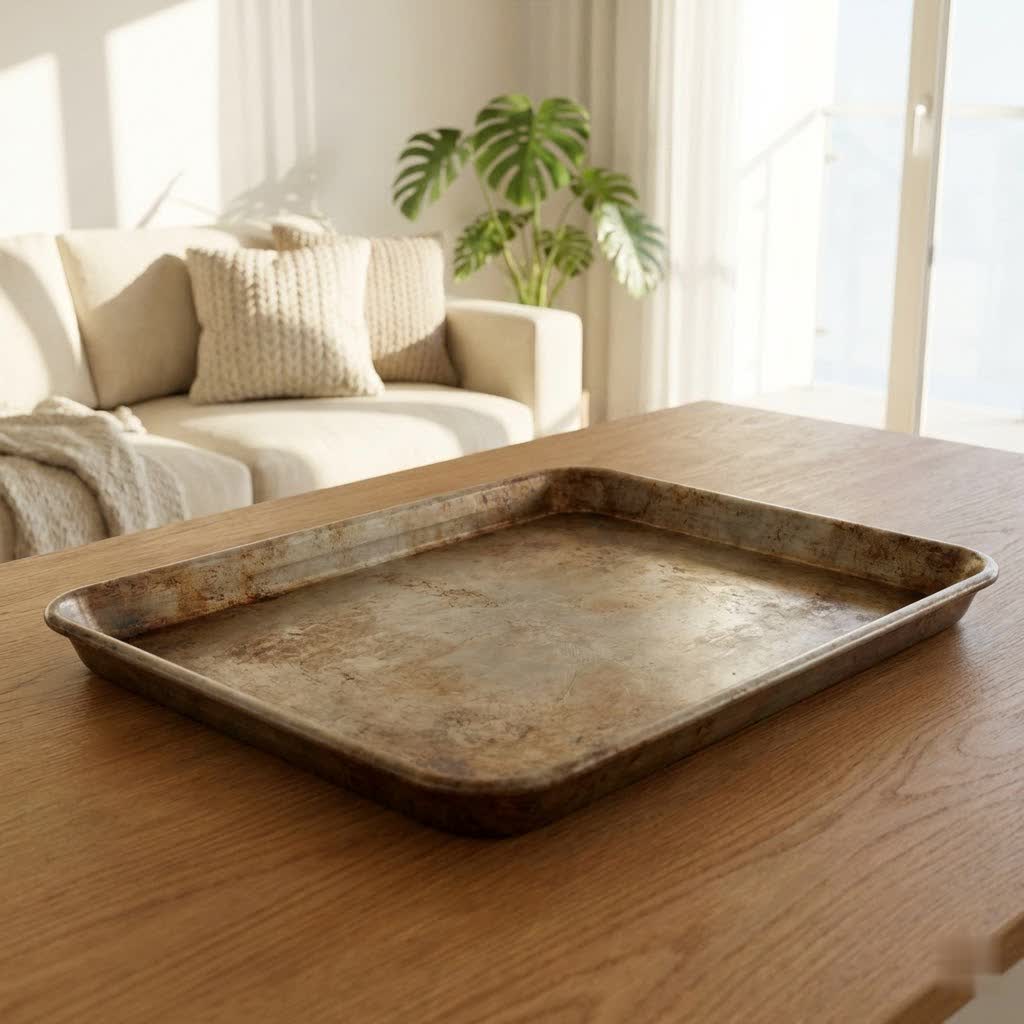
The world of baking trays is vast, but sometimes, the biggest impact comes from the smallest tools. Whether you’re a seasoned chef or just starting your culinary journey, the humble Small Baking Tray can revolutionize your kitchen experience. It’s not merely a miniature version of its larger counterparts; it’s a versatile powerhouse designed for precision, convenience, and efficiency. Forget struggling to fill a cavernous sheet pan for a single serving or losing ingredients in an oversized space. This guide will walk you through everything you need to know about selecting, using, and caring for the perfect small baking tray, transforming how you approach everything from quick snacks to intricate dishes.
The Underrated Power of a Small Baking Tray
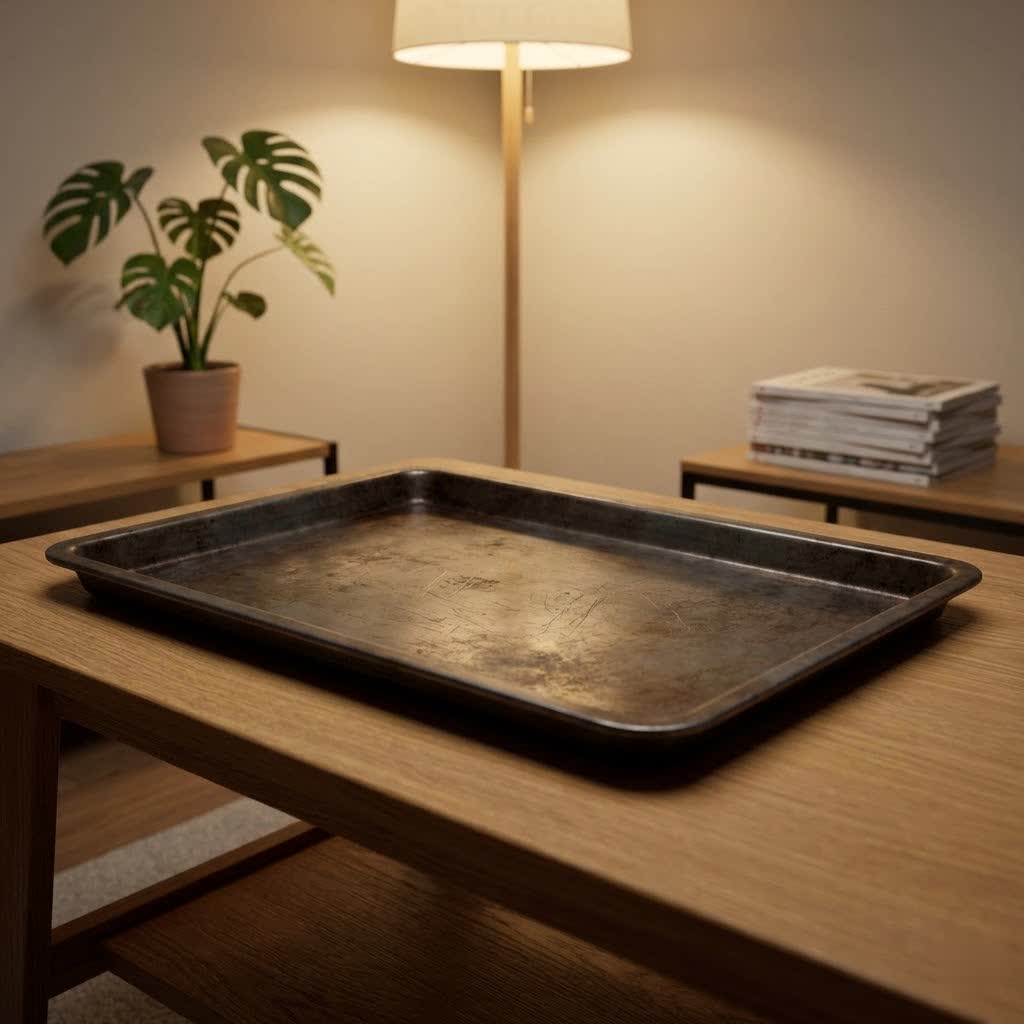
A small baking tray, often interchangeably called a small baking sheet, is an indispensable tool in any modern kitchen. Its compact size is its greatest asset, offering unparalleled flexibility for various cooking and baking tasks. Unlike their larger siblings, these trays are designed to handle smaller portions, prevent ingredients from spreading too thin, and optimize oven space when you’re preparing multiple dishes simultaneously.
Commonly available in sizes like the “quarter sheet pan” (approximately 9×13 inches) and even smaller “eighth sheet pans” (roughly 6.5×9.5 inches), they are perfect for individual meals, side dishes, or baking small batches of treats. Imagine roasting a single chicken breast alongside a handful of vegetables, reheating leftovers without drying them out, or baking just a few cookies for an instant craving—all made effortlessly possible with a small baking tray. Their ability to fit into toaster ovens or alongside other bakeware in a standard oven makes them a go-to for maximizing culinary output and minimizing cleanup.
Types of Small Baking Trays by Material
The material of your small baking tray significantly influences its performance, durability, and the quality of your baked goods. Understanding the characteristics of each is crucial for making the right choice for your specific needs.
Aluminum and Aluminized Steel
These are among the most popular choices for baking trays, and for good reason. Aluminum is an excellent heat conductor, ensuring food bakes and browns evenly. It’s lightweight and typically more affordable. Aluminized steel combines the rust resistance of steel with a thin coating of aluminum, offering enhanced durability and better heat distribution while being less reactive than pure aluminum.
- Pros: Excellent and even heat conductivity, lightweight, rust-resistant (aluminized steel), generally affordable, and prevents over-browning when using a light finish.
- Cons: Pure aluminum can be reactive with acidic foods, potentially causing discoloration or imparting a metallic taste. Thinner gauges may be prone to warping under high heat.
- Best Uses: Cookies, pastries, roasting vegetables, sheet pan dinners, and general everyday baking where even heat is paramount.
|
Our Picks for the Best Baking Tray in 2026
We may earn a commission when you use one of our links to make a purchase.
|
||
| Num | Product | Action |
|---|---|---|
| 1 | Baking Sheet Tray Cooling Rack with Silicone Baking Mat Set, Stainless Steel Cookie Pan For Oven, Set of 9 (3 Sheets + 3 Racks + 3 Mats), Warp Resistant & Heavy Duty & Easy Clean, Red |

|
| 2 | Nordic Ware Naturals Half Sheet - USA Made Aluminum Commercial Quality Sheet Pan for Baking or Roasting, Encapsulated Galvanized Steel Rim Prevents Warping, 2-Pack |
|
| 3 | Commercial Quality Baking Sheet Pan Set, Natural Aluminum Cookie Sheet, Umite Chef Warp Resistant Baker's Half Sheet Pan, Large Thick Cookie Tray Pans for Baking, Roasting(2 Pack, 18X13In) |
|
| 4 | GoodCook Everyday Nonstick Carbon Steel 13” x 9” Baking Sheet Set, 3 Pack – Standard-Sized Carbon Steel Cooking Pans, Bakeware Set, Cookie Sheets for Baking, Oven Pan Set |
|
| 5 | Stainless Steel Baking Sheet Tray Cooling Rack with Silicone Baking Mat Set, Cookie Pan with Cooling Rack, Set of 9 (3 Sheets + 3 Racks + 3 Mats), 10/12/16 Inch, Easy Clean |
|
| 6 | GoodCook BestBake Nonstick Textured Carbon Steel Cookie Sheet, 11" x 17", Large Baking Sheet, Even Heating, Scratch-Resistant, Non-Toxic, Durable, Ideal for Baking and Sheet Pan Dinners |
|
| 7 | NutriChef 3-Piece Nonstick Kitchen Oven Baking Pans - Premium & Stylish Non-Stick Steel, Commercial Grade Restaurant Quality Metal Bakeware with Red Silicone Handles - Easy to Clean, NCSBS3S |
|
| 8 | GoodCook Everyday Nonstick Carbon Steel Baking Sheet Set, 3 Pack – Small 13” x 9”, Medium 15” x 10”, Large 17” x 11” – Carbon Steel Cooking Pans, Cookie Sheet Bakeware Set |
|
| 9 | ROTTAY Baking Sheet with Rack Set (2 Pans + 2 Racks), Stainless Steel Cookie Sheet with Cooling Rack, Nonstick Baking Pan, Warp Resistant & Heavy Duty & Rust Free, Size 16 x 12 x 1 Inches |
|
| 10 | Premium Nonstick Baking Sheet Pans – Set of 3, Heavy-Gauge Carbon Steel, Warp, Dent, and Rust-Resistant – Gourmet Rimmed Half Cookie Sheet Trays, Non-Toxic for Exceptional Baking Performance |
|
Stainless Steel
Known for its robustness and sleek appearance, stainless steel is a heavy-duty option that stands the test of time. It’s non-reactive, making it safe for all types of food, including acidic ingredients.
- Pros: Extremely durable, highly resistant to rust and warping, non-reactive with acidic foods, offers good high-heat resistance, and easy to clean.
- Cons: Can be heavier than aluminum, sometimes more expensive, and may not conduct heat as evenly or quickly as aluminum, potentially leading to hot spots if not properly constructed.
- Best Uses: Roasting meats and vegetables at higher temperatures, savory dishes, and any application where you need a sturdy, non-reactive surface.
Non-stick (Coated Carbon Steel/Ceramic)
Many small baking trays come with a non-stick coating, often applied to carbon steel or ceramic bases. These coatings are designed to release food easily and simplify cleanup. Modern non-stick surfaces are typically PFOA-free.
- Pros: Food releases effortlessly, requiring less oil or parchment paper, and cleanup is often quick and easy. Carbon steel provides good heat conduction.
- Cons: Non-stick coatings can degrade over time with heavy use or improper care, making them susceptible to scratches. They often require gentle cleaning and avoidance of metal utensils. Some coatings may not be suitable for very high temperatures.
- Best Uses: Delicate baked goods like cookies, biscuits, and anything prone to sticking. Excellent for convenience and easy removal of food.
Silicone
Silicone bakeware has carved out its niche due to its exceptional flexibility and natural non-stick properties. These trays are often lighter and more versatile in terms of storage.
- Pros: Naturally non-stick, extremely flexible for easy food removal, durable, oven-safe, microwave-safe, and often dishwasher-friendly. No need for parchment paper.
- Cons: Can be flimsy without a rigid frame, which may make transferring food tricky. May not provide the same level of browning or crisping as metal pans.
- Best Uses: Delicate tarts, muffins, individual breads, and items where easy release is a priority, or for freezing purposes.
Glass and Ceramic
While less common for traditional “sheet pan” style baking, small glass or ceramic dishes are excellent for specific types of baking, especially casseroles, gratins, and small roasts. They transition beautifully from oven to table.
- Pros: Non-reactive, ideal for acidic ingredients, excellent heat retention, and attractive for serving. Allow visibility of browning from the bottom when clear.
- Cons: Slower to heat up and cool down, making precise temperature control more challenging. Can be heavier and more fragile than metal pans, susceptible to thermal shock.
- Best Uses: Small casseroles, brownies, fruit crisps, individual gratins, and dishes that benefit from steady, even heat.
Key Factors When Choosing Your Small Baking Tray
Selecting the right small baking tray involves more than just picking a size. Several factors contribute to a tray’s performance and longevity in your kitchen.
Size and Oven Compatibility
Always measure your oven’s interior before purchasing, including any toaster oven or convection oven you plan to use. While a full sheet pan (18×26 inches) is standard in professional kitchens, a “half sheet pan” (13×18 inches) is the largest size that typically fits comfortably in most home ovens, leaving enough space for air circulation. Small baking trays like “quarter sheet pans” (9×13 inches) and “eighth sheet pans” (6.5×9.5 inches) are perfect for fitting two on a single rack or for smaller appliances. Ensure there’s at least an inch of clearance around the tray for optimal air and heat circulation, which is vital for even cooking.
Material and Heat Distribution
As explored, the material directly impacts how evenly heat is distributed. Aluminum and aluminized steel are top contenders for quick, even heating. Thicker gauge materials (lower gauge numbers) tend to distribute heat more uniformly and resist warping better than thinner ones. For delicate items needing gentle, consistent heat, glass or ceramic can be beneficial due to their slower heat absorption.
Non-stick Properties vs. Uncoated
The choice between non-stick and uncoated often comes down to convenience versus versatility. Non-stick coatings ensure easy food release and simpler cleaning, but they may limit the use of metal utensils and can degrade over time. Uncoated pans, particularly aluminum, are excellent for achieving superior browning and crisping, especially if seasoned or lined with parchment paper or silicone mats. Many professional bakers prefer uncoated aluminum for its consistent results and durability.
Gauge (Thickness) and Durability
The gauge refers to the thickness of the metal. A lower gauge number indicates a thicker, more robust pan. Thicker trays (e.g., 10-18 gauge) are less likely to warp under high temperatures and tend to distribute heat more evenly, contributing to a more durable product. While a heavy pan is often a sign of quality, ensure it’s not so unwieldy that it becomes difficult to handle, especially when full of hot food. Rolled edges and wire reinforcement also add structural integrity and prevent warping.
Edges and Rims
Traditional baking sheets (often called sheet pans) have raised rims on all four sides to contain liquids and food, making them incredibly versatile for roasting, baking, and even cooling. Cookie sheets, by contrast, typically have only one raised edge, designed for easily sliding cookies off the pan. For a small baking tray, rims are generally preferred for their enhanced utility in containing drips and making handling safer.
Color
The color of your baking tray impacts browning. Light-colored, reflective pans help prevent over-browning by reflecting heat. Darker pans absorb more heat, leading to faster and more aggressive browning or crisping, which can be desirable for some recipes but may cause burnt bottoms on delicate items like cookies if not monitored closely. If using a dark pan, you might need to adjust oven temperature or baking time.
Beyond Baking: Creative Uses for Small Baking Trays
While “baking” is in the name, small baking trays are surprisingly versatile tools that extend far beyond cookies and cakes. Their compact size makes them ideal for a multitude of kitchen tasks, both in and out of the oven.
Roasting Small Portions
This is where small trays truly shine. Whether it’s a single serving of chicken tenders, a handful of Brussels sprouts, or a few potato wedges, a small baking tray prevents food from spreading out too much, ensuring proper contact with the heat for better browning and crisping. You can even roast different ingredients on separate small trays on the same oven rack, preventing flavors from mixing.
Meal Prep and Mise en Place
Embrace the “mise en place” (everything in its place) philosophy by using small trays to organize your ingredients before cooking. Chopped vegetables, measured spices, or prepared proteins can all be neatly arranged on a small tray, keeping your workstation tidy and streamlining your cooking process. They fit perfectly into the refrigerator for make-ahead prep.
Reheating Leftovers
Forget soggy microwave reheating. A small baking tray is perfect for evenly reheating pizza slices, pastries, roasted vegetables, or even a small portion of last night’s dinner in the oven. The direct heat helps restore texture and flavor, often making leftovers taste fresh again.
Freezing Food
To prevent foods from clumping together, spread individual items like berries, sliced fruit, or cooked pasta on a small baking tray and freeze them flat. Once frozen solid, transfer them to freezer bags or containers. This method ensures that items remain separate and easy to portion later.
Serving and Organizing
An attractive small baking tray can double as a stylish serving platter for appetizers, charcuterie, or individual desserts. Outside the oven, they can act as an impromptu tray for carrying items, organizing a messy drawer, or holding dirty utensils during cleanup, making your kitchen more efficient.
As a Drip Tray
Protect your oven from spills and drips by placing a small baking tray on a lower rack beneath dishes that might bubble over, like pies, casseroles, or juicy roasts. This simple trick saves you from arduous oven cleaning.
Cooling Cakes and Cookies
For those moments when you need to cool baked goods quickly, waving a sheet pan over freshly baked items can help dissipate heat faster. Additionally, an overturned small baking tray can serve as a makeshift cooling rack in a pinch.
Care and Maintenance for Longevity
Proper care extends the life of your small baking trays, ensuring they perform optimally for years. While some manufacturers claim their products are dishwasher-safe, hand-washing is almost always the best approach, especially for non-stick varieties.
- Cleaning: Wash your trays with warm water and mild dish soap immediately after use. For stuck-on food, let the tray soak for a short period before gently scrubbing with a soft sponge or cloth. Avoid abrasive scrubbers, steel wool, or harsh detergents, as these can damage non-stick coatings and even scratch uncoated surfaces.
- Preventing Warping: Sudden temperature changes are a common cause of warping. Always allow your hot baking tray to cool down completely before washing it with cold water. Similarly, avoid pouring cold liquids onto a hot tray. Investing in a thicker gauge tray also significantly reduces the risk of warping.
- Storage: Store your baking trays flat or vertically with dividers (like cardboard or soft cloths) between them to prevent scratches, especially on non-stick surfaces. Avoid stacking heavy items directly on top of non-stick pans.
- Utensils: Use wooden, silicone, or nylon utensils when working with non-stick trays to avoid scratching the coating. Metal utensils are fine for uncoated metal pans, but care should still be taken to avoid gouging.
- Parchment Paper and Silicone Mats: Using parchment paper or silicone baking mats not only makes cleanup even easier but also helps protect the surface of your baking tray, prolonging its non-stick properties and preventing stubborn stains.
Top Recommended Small Baking Trays
When it comes to small baking trays, certain brands consistently receive high marks for quality, durability, and performance. Look for options made from natural aluminum or aluminized steel for all-around versatility. Brands like Nordic Ware and USA Pan are frequently praised for their sturdy construction, even heat distribution, and resistance to warping, often available as half or quarter sheet pans. For those seeking non-stick convenience, options from OXO Good Grips or Caraway offer reliable release and easy cleaning. Investing in a trusted name ensures you get a product that performs well and lasts. Always check product specifications for gauge thickness and care instructions to match your baking style.
Where to Buy Your Perfect Small Baking Tray
Finding the right small baking tray is easier than ever, with numerous options available across various retail channels.
- Online Retailers: Websites like Amazon, Williams Sonoma, Sur La Table, or specialty bakeware sites offer an extensive selection, often with detailed product descriptions and customer reviews to help you compare. This is a great option for finding specific brands or unique sizes.
- Kitchenware Stores: Dedicated kitchen supply stores or high-end department stores (like Macy’s or Nordstrom) often carry a curated selection of quality bakeware. Shopping in person allows you to feel the weight and gauge of the pan, inspecting its construction firsthand.
- Supermarkets and Mass Retailers: For more budget-friendly options, larger supermarkets or stores like Target and Walmart often have basic yet functional small baking trays. While these might not always be the heaviest gauge, they can be a good starting point for occasional use.
When purchasing, compare prices, read recent reviews, and confirm the exact dimensions to ensure it fits your oven and meets your specific needs. Look for sales and bundle deals, especially if you plan to buy multiple trays.
Conclusion
The small baking tray, in its compact form, is a truly versatile and indispensable tool for any home cook or baker. From enabling precise portion control to maximizing oven efficiency and simplifying meal prep, its benefits are numerous. By understanding the different materials, key features to look for, and proper care techniques, you can confidently choose a tray that will serve as a reliable workhorse in your kitchen for years to come. So, whether you’re crafting a single batch of gourmet cookies, roasting a side dish for dinner, or simply organizing your ingredients, embrace the efficiency and convenience that a high-quality small baking tray brings to your culinary endeavors. What small batch creation will you bake first with your new favorite kitchen essential?
Câu Hỏi Thường Gặp
What is the difference between a small baking tray and a cookie sheet?
A small baking tray, often called a sheet pan, typically has raised edges on all four sides to contain liquids and food, making it versatile for roasting and baking. A cookie sheet, however, usually has only one raised edge for gripping, with the other sides flat to allow cookies to slide off easily and promote air circulation for even baking.
Can I use a small baking tray in a toaster oven?
Yes, small baking trays like quarter sheet pans or eighth sheet pans are often perfectly sized for toaster ovens. Always measure the interior dimensions of your toaster oven to ensure a proper fit, leaving adequate space for air circulation around the tray for even cooking.
How do I prevent food from sticking to my small baking tray?
If your tray isn’t non-stick, or even if it is, you can prevent sticking by greasing it with butter or oil, flouring it lightly (for cakes), or lining it with parchment paper or a silicone baking mat. These methods also make cleanup significantly easier.
Is it better to use a light-colored or dark-colored small baking tray?
Light-colored trays reflect heat, leading to more even and gentler browning, ideal for cookies, pastries, and delicate baked goods. Dark-colored trays absorb more heat, resulting in faster and more aggressive browning or crisping, which can be good for roasting vegetables but may require temperature adjustments for baked goods to prevent over-browning.
How do I clean a stained or discolored small baking tray?
For stubborn stains and discoloration on aluminum trays, a paste made from baking soda and hydrogen peroxide (or white vinegar) can be effective. Apply the paste, let it sit for a while, and then scrub with a non-abrasive sponge. For non-stick trays, stick to warm soapy water and a soft cloth to avoid damaging the coating. Regular cleaning immediately after use helps prevent stains from setting.