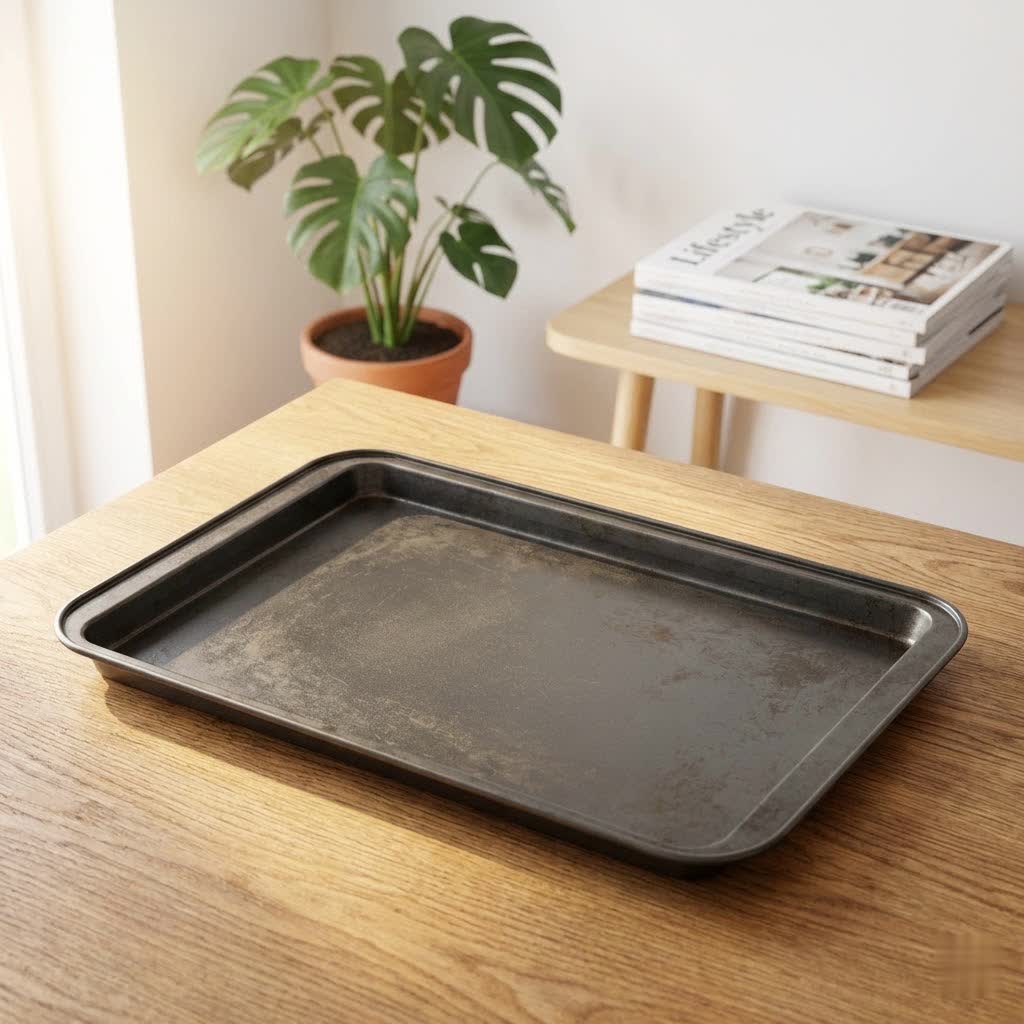
In the vast world of kitchen essentials, a seemingly simple piece of bakeware often stands out for its versatility and consistent performance: the 8×8 baking pan. For home bakers and seasoned chefs alike, this compact square pan is more than just a dish; it’s a foundation for countless culinary creations, from fudgy brownies and moist cakes to savory casseroles and golden cornbread. With its ideal size, the 8×8 pan offers a unique balance, yielding perfect portion sizes and deliciously thick baked goods that might otherwise spread too thin in larger trays. Understanding the nuances of this indispensable tool can elevate your baking, ensuring every dish emerges from the oven beautifully baked and ready to delight. Let’s delve into how to choose, use, and care for the ultimate 8×8 baking pan, transforming your kitchen endeavors with every delicious outcome.
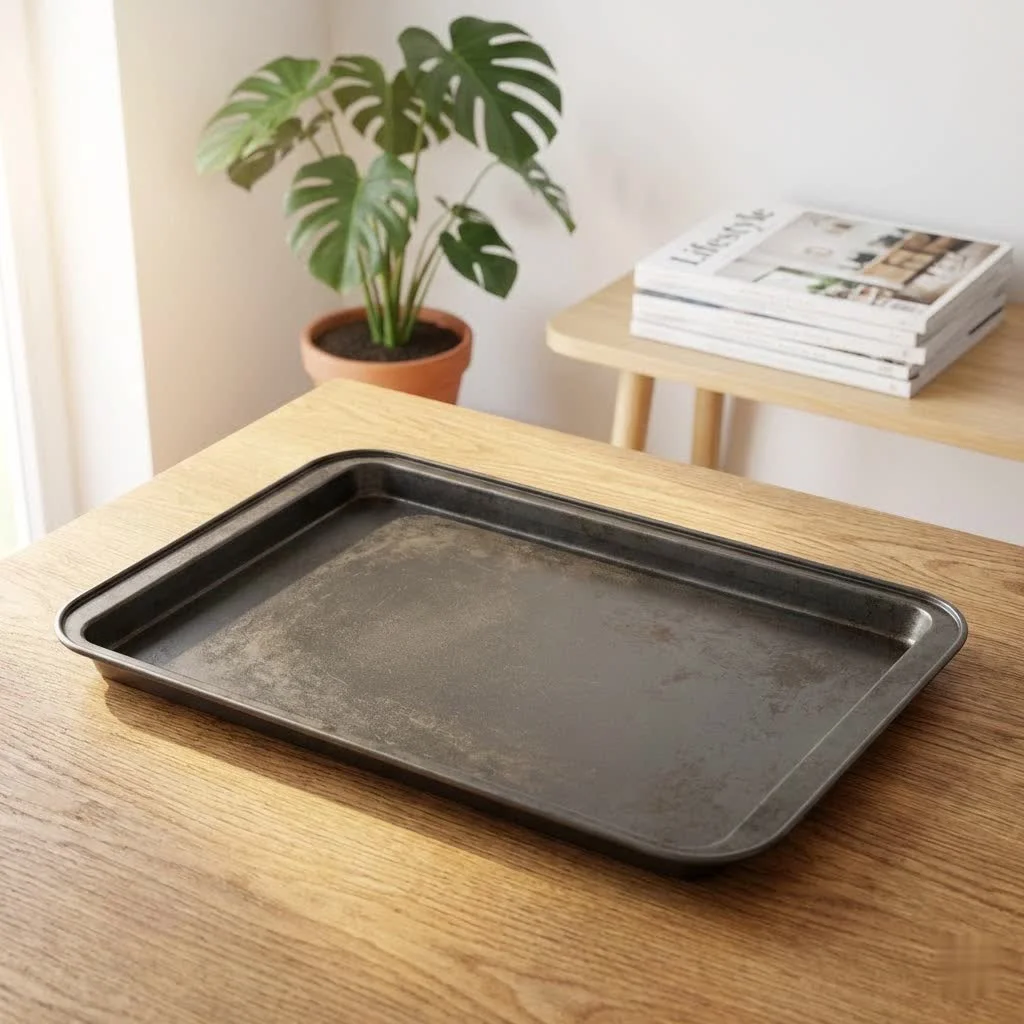
Understanding the 8×8 Baking Pan: Versatility and Purpose
An 8×8 baking pan, measuring approximately 8 inches by 8 inches (or about 20.3 cm by 20.3 cm), is a square-shaped pan typically 1.5 to 2 inches deep. This specific dimension is a favorite for many bakers due to its ability to produce substantial, satisfyingly thick slices of baked goods. Unlike larger rectangular pans where batters might spread thinly, the 8×8 pan concentrates the mixture, resulting in denser, chewier textures ideal for popular treats. For more baking trays guides on this site.
The versatility of this pan is truly remarkable. It’s the go-to choice for batch after batch of beloved desserts like brownies, blondies, and various bar cookies, where a compact, deep structure helps maintain moisture and a gooey center. Beyond sweets, the 8×8 pan transitions effortlessly into savory territory. It’s perfectly sized for small family casseroles, individual lasagnas, roasted vegetables, cornbread, and even small sheet cakes or savory tarts. Its square shape also makes it convenient for cutting even portions, minimizing waste and maximizing enjoyment. The primary appeal lies in its manageable size, which is perfect for smaller households, intimate gatherings, or when you simply crave a fresh batch without an overwhelming quantity.
Choosing Your Perfect 8×8 Baking Pan: Key Factors
Selecting the right 8×8 baking pan involves more than just picking a square dish; it means considering materials, coatings, and construction that will best suit your baking style and desired results. The material of your pan significantly influences heat distribution, baking time, and the final texture of your food.
Material Matters: The Foundation of Your Bake
-
Aluminum/Aluminized Steel: These are often considered the gold standard for baking pans. Aluminum is an excellent heat conductor, ensuring even baking and consistent browning across your dishes. Aluminized steel combines the strength of steel with the heat conductivity of aluminum, offering durability and warp resistance. Light-colored aluminum pans are especially favored as they prevent over-browning, allowing cakes and brownies to cook thoroughly without dark, crispy edges. Many professional bakers prefer these materials for their reliable performance and durability, often recommending brands like Nordic Ware and USA Pan.
-
Glass (Pyrex, Anchor Hocking): Glass pans are celebrated for their ability to retain heat, which can be beneficial for casseroles and dishes that need to stay warm. Their transparency also allows you to visually monitor the browning of your crusts without opening the oven. However, glass heats slower than metal but holds onto heat longer, which can sometimes lead to over-baked edges or bottoms by the time the center is fully cooked. When using a glass pan, it’s often advised to reduce your oven temperature by 25°F to compensate for this property and ensure a more even bake.
-
Ceramic/Stoneware: These pans are aesthetically pleasing, making them excellent choices for oven-to-table serving. Like glass, ceramic and stoneware retain heat well, which can be good for slow-baking dishes. However, they are also slow to heat up, potentially requiring longer baking times compared to metal pans. They are best for dishes where precise temperature control isn’t as critical, such as bread puddings or certain savory bakes.
-
Stainless Steel: Stainless steel pans are highly durable, resistant to rust, and non-reactive, making them safe for acidic ingredients without imparting metallic flavors. While easy to clean, they are not as efficient at conducting heat as aluminum, which can sometimes result in less even baking. For optimal results, stainless steel pans are generally not the top choice for delicate baked goods like cakes or brownies that require very consistent heat distribution.
-
Silicone: Flexible and naturally non-stick, silicone pans offer incredible ease of release. They are oven-safe and can be very convenient. However, silicone does not conduct heat for browning in the same way metal does. While excellent for delicate, sweet items where sugar aids browning, dishes low in sugar or fat (like some bread recipes) may not achieve the desired golden crust when baked in silicone.
Non-stick vs. Standard: A Coating Consideration
|
Our Picks for the Best Baking Tray in 2026
As an Amazon Associate I earn from qualifying purchases.
|
||
| Num | Product | Action |
|---|---|---|
| 1 | Premium Nonstick Baking Sheet Pans – Set of 3, Heavy-Gauge Carbon Steel, Warp, Dent, and Rust-Resistant – Gourmet Rimmed Half Cookie Sheet Trays, Non-Toxic for Exceptional Baking Performance |

|
| 2 | Baking Sheet Tray Cooling Rack with Silicone Baking Mat Set, Stainless Steel Cookie Pan For Oven, Set of 9 (3 Sheets + 3 Racks + 3 Mats), Warp Resistant & Heavy Duty & Easy Clean, Red |
|
| 3 | ROTTAY Baking Sheet with Rack Set (2 Pans + 2 Racks), Stainless Steel Cookie Sheet with Cooling Rack, Nonstick Baking Pan, Warp Resistant & Heavy Duty & Rust Free, Size 16 x 12 x 1 Inches |
|
| 4 | NutriChef 3-Piece Nonstick Kitchen Oven Baking Pans - Premium & Stylish Non-Stick Steel, Commercial Grade Restaurant Quality Metal Bakeware with Red Silicone Handles - Easy to Clean, NCSBS3S |
|
| 5 | GoodCook BestBake Nonstick Textured Carbon Steel Cookie Sheet, 11" x 17", Large Baking Sheet, Even Heating, Scratch-Resistant, Non-Toxic, Durable, Ideal for Baking and Sheet Pan Dinners |
|
| 6 | Stainless Steel Baking Sheet Tray Cooling Rack with Silicone Baking Mat Set, Cookie Pan with Cooling Rack, Set of 9 (3 Sheets + 3 Racks + 3 Mats), 10/12/16 Inch, Easy Clean |
|
| 7 | GoodCook Everyday Nonstick Carbon Steel 13” x 9” Baking Sheet Set, 3 Pack – Standard-Sized Carbon Steel Cooking Pans, Bakeware Set, Cookie Sheets for Baking, Oven Pan Set |
|
| 8 | GoodCook Everyday Nonstick Carbon Steel Baking Sheet Set, 3 Pack – Small 13” x 9”, Medium 15” x 10”, Large 17” x 11” – Carbon Steel Cooking Pans, Cookie Sheet Bakeware Set |
|
| 9 | Commercial Quality Baking Sheet Pan Set, Natural Aluminum Cookie Sheet, Umite Chef Warp Resistant Baker's Half Sheet Pan, Large Thick Cookie Tray Pans for Baking, Roasting(2 Pack, 18X13In) |
|
| 10 | Nordic Ware Naturals Half Sheet - USA Made Aluminum Commercial Quality Sheet Pan for Baking or Roasting, Encapsulated Galvanized Steel Rim Prevents Warping, 2-Pack |
|
Many 8×8 pans come with a non-stick coating. This feature is incredibly helpful for easy food release and cleanup, especially for sticky brownies or cakes. However, non-stick surfaces can be prone to scratching if metal utensils are used, which can degrade their effectiveness over time. If a pan isn’t non-stick, you can easily make it so by properly greasing and flouring, or lining it with parchment paper. Some recipes, particularly for certain cakes, even benefit from the batter clinging to the sides of the pan for optimal rise, making a non-stick surface less desirable in those specific instances.
Construction & Features: Durability and Performance
Look for pans that feel sturdy and have a good weight. Heavy-gauge metal pans are less likely to warp under high heat, ensuring consistent baking performance for years. Rolled edges are a common feature in quality metal pans; they add structural integrity, prevent warping, and provide a comfortable grip, even when wearing oven mitts. For layer cakes or brownies that require clean, sharp edges, straight sides are preferable over sloped designs.
A Head-to-Head: Comparing 8×8 Baking Pan Materials
Choosing the best 8×8 baking pan material often comes down to understanding how each performs under heat and for specific applications. Here’s a quick comparison to guide your decision:
| Feature | Aluminum/Aluminized Steel | Glass | Ceramic/Stoneware | Stainless Steel | Silicone |
|---|---|---|---|---|---|
| Heat Distribution | Excellent, even, quick | Slow to heat, retains heat long | Slow to heat, retains heat long | Fair, can have hot spots | Poor for browning, even for cooking |
| Non-stick Properties | Varies (often non-stick coated or requires prep) | Naturally non-stick with proper greasing | Varies (some glazes are non-stick) | Requires significant greasing/lining | Naturally non-stick, flexible |
| Durability | Very good, warp-resistant (heavy gauge) | Durable, but susceptible to thermal shock | Durable, but can chip/break | Excellent, rust-resistant, non-reactive | Very flexible, long-lasting |
| Best Uses | Brownies, cakes, bars, roasting | Casseroles, fruit crumbles, savory bakes | Casseroles, gratins, oven-to-table dishes | Roasting, savory dishes (less ideal for baking) | Muffins, delicate cakes, specialty shapes |
| Browning Capability | Excellent, consistent | Promotes browning, can over-brown edges | Gentle browning | Moderate, less even | Limited, sugar aids browning |
Aluminum and aluminized steel pans excel in conducting heat evenly, making them ideal for delicate baked goods like cakes and brownies that require a consistent bake and a golden finish. Glass, ceramic, and stoneware, while attractive and good for heat retention, are better suited for dishes where gradual heating and sustained warmth are beneficial, such as hearty casseroles or fruit crisps. Stainless steel offers durability and is non-reactive, but its heat distribution can be a drawback for traditional baking. Silicone is a champion for easy release, particularly for items that don’t rely heavily on surface browning.
Mastering Your 8×8 Baking Pan: Usage & Care Tips
To maximize the performance and longevity of your 8×8 baking pan, proper usage and diligent care are essential.
Prepping the Pan for Success
Regardless of the pan material, proper preparation is key to preventing sticking and ensuring easy release.
- Greasing and Flouring: For cakes and muffins, generously grease the pan with butter or cooking spray, then dust with flour, tapping out any excess. This creates a non-stick barrier.
- Parchment Paper: For brownies and bars, lining the bottom and two sides with parchment paper (leaving an overhang as “handles”) is highly recommended. This allows for effortless lifting of the entire baked good out of the pan for clean slicing.
Temperature Adjustments
As noted, if you are using a glass baking pan, it’s generally advisable to reduce the oven temperature called for in a recipe by 25°F. Glass heats differently than metal, and this adjustment helps prevent the edges and bottom of your baked goods from overcooking before the center is done.
Care & Cleaning for Longevity
- Handwashing is Best: For most baking pans, especially those with non-stick coatings, handwashing with warm, soapy water and a soft sponge is preferred. Abrasive scrubbers or harsh detergents can damage the surface.
- Avoid Metal Utensils: Never use metal spatulas or knives directly in non-stick pans, as this can scratch and ruin the coating. Opt for silicone or wooden utensils.
- Tackle Stuck-on Bits: For stubborn residue, soak the pan in warm, soapy water for 15-30 minutes before gently scrubbing. For very tough spots on metal pans, a baking soda paste can sometimes help.
- Dry Thoroughly: Always ensure your pans are completely dry before storing to prevent rust, particularly with carbon steel or cast iron.
- Storage: Store pans carefully to avoid scratching, especially non-stick ones. Stacking with a sheet of paper towel or a soft cloth between pans can help protect their surfaces.
By following these simple usage and care tips, your 8×8 baking pan will remain a reliable companion in your kitchen for many years to come, consistently delivering perfectly baked results.
Top Picks: Highly-Rated 8×8 Baking Pans
The market offers a wide array of 8×8 baking pans, but certain brands consistently rise to the top for their quality, durability, and performance. When looking for a trusted 8×8 pan, these names are frequently recommended by baking enthusiasts and professionals:
- Nordic Ware: Renowned for their natural aluminum bakeware, Nordic Ware offers sturdy, non-coated aluminum pans that are excellent heat conductors. Their 8×8 square pans are praised for even baking and durability, often becoming a lifelong kitchen staple.
- USA Pan: Specializing in aluminized steel bakeware, USA Pan is celebrated for its heavy-gauge construction and unique fluted surfaces that promote air circulation, enhancing heat distribution and preventing warping. Their 8×8 pans are a favorite for achieving consistent, professional-quality results.
- All-Clad: While known for high-end cookware, All-Clad also produces exceptional bakeware. Their 8×8 brownie pans, often made from warp-resistant aluminized steel with non-stick coatings, are lauded for even baking and easy release, making them a splurge-worthy investment.
- Pyrex: A household name for glass bakeware, Pyrex offers durable 8×8 glass baking dishes. These are valued for their heat retention and the ability to see the browning of your dish. They are particularly popular for casseroles and dishes that transition from oven to table.
- Made In: This brand is gaining recognition for its high-quality ceramic bakeware, including 8×8 baking dishes. Made In ceramic pans offer excellent heat retention and a beautiful aesthetic, ideal for serving directly.
These brands represent a spectrum of materials and price points, each bringing distinct advantages to your baking repertoire. Choosing from these top-rated options ensures you’re investing in a pan that delivers reliable performance.
Where to Find Your Next 8×8 Baking Pan
Acquiring a quality 8×8 baking pan is an easy and accessible process, with numerous retail avenues available to suit your shopping preferences.
- Brick-and-Mortar Stores: You can find 8×8 baking pans at most major department stores with a kitchenware section, specialty kitchen supply stores, and even large supermarkets or discount retailers. Shopping in person allows you to feel the weight and quality of the pan, assess its construction, and verify its exact dimensions. This is particularly useful if you want to compare different materials side-by-side.
- Online Retailers: E-commerce giants like Amazon, as well as dedicated kitchenware websites such as Williams Sonoma, Sur La Table, and the official sites for brands like Nordic Ware and USA Pan, offer an extensive selection. Online shopping provides convenience, often competitive pricing, and a vast array of reviews from other users. When purchasing online, pay close attention to product descriptions, dimensions, material specifications, and customer feedback regarding durability and performance.
- Specialty Craft and Home Goods Stores: Stores like Target or Walmart often carry budget-friendly options, including their own branded bakeware lines, which can be a good starting point for new bakers. For unique or personalized options, platforms like Etsy feature artisan-made or vintage 8×8 dishes.
When comparing prices, remember to factor in shipping costs if buying online, and consider the long-term value of a durable pan versus a cheaper, less robust alternative. Investing a bit more in a high-quality 8×8 pan can save you money and frustration in the long run, ensuring consistent baking success.
Conclusion
The 8×8 baking pan, despite its unassuming size, stands as a cornerstone in any well-equipped kitchen, offering unmatched versatility for both sweet and savory creations. From crafting perfectly gooey brownies to baking hearty casseroles, its compact dimensions consistently deliver delicious, substantial portions. By understanding the impact of various materials—from the even heat of aluminum to the sustained warmth of glass—and applying proper care techniques, you empower yourself to achieve professional-quality results every time. Investing in a high-quality 8×8 pan is not just buying bakeware; it’s investing in countless future culinary successes and the joy of home baking. What delicious dish will you create in your 8×8 baking pan next?
Frequently Asked Questions
What is the standard size of an 8×8 baking pan?
An 8×8 baking pan typically measures 8 inches by 8 inches (approximately 20.3 cm by 20.3 cm) with a depth often ranging from 1.5 to 2 inches. This size is commonly used for recipes yielding 8 to 12 servings, such as brownies or small cakes.
Can I substitute an 8×8 pan for a 9×9 pan?
Yes, you can often substitute an 8×8 pan for a 9×9 pan, but you may need to adjust baking time. An 8×8 pan has a smaller surface area, meaning the batter will be thicker. This usually requires an increase in baking time and can affect the texture, making items like brownies denser.
Is an 8×8 baking pan good for brownies?
Absolutely! The 8×8 pan is considered ideal for brownies because its smaller surface area results in a thicker batter. This allows brownies to develop a fudgier center and chewier texture, which is often preferred over the thinner, sometimes drier, brownies from larger pans.
How do I prevent food from sticking to my 8×8 pan?
To prevent sticking, generously grease the pan with butter or cooking spray. For cakes, dust with flour after greasing. For brownies and bars, lining the pan with parchment paper, leaving an overhang on two sides, ensures easy lifting and removal.
How often should I replace my baking pan?
The lifespan of a baking pan depends heavily on its material and how it’s cared for. High-quality metal pans can last decades with proper care. Non-stick pans should be replaced when their coating begins to chip, scratch, or peel, as this can affect performance and potentially health.
Can I put my 8×8 glass baking pan directly into a hot oven?
It is generally recommended to avoid placing a cold glass baking pan directly into a very hot oven, as the sudden temperature change can cause thermal shock and potentially shatter the glass. Allow the pan to come closer to room temperature before placing it in a preheated oven, and consider reducing your oven temperature by 25°F when using glass.
Get our weekly buyer guide
Practical specs, not advice. Unsubscribe anytime.
