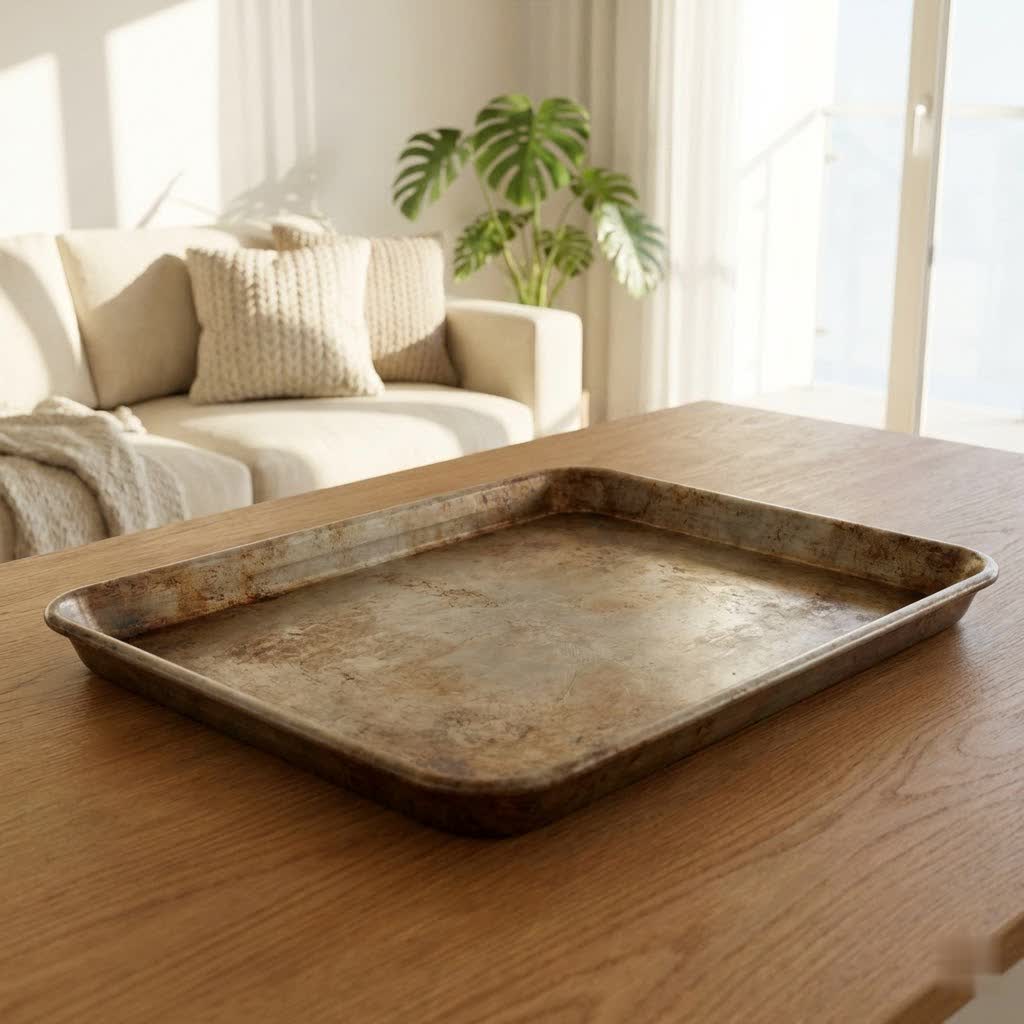
The humble microwave oven, once primarily a reheating hero, has evolved into a versatile kitchen workhorse capable of much more, especially with the rise of combination models. However, the world of “baking trays for microwave ovens” often causes confusion. Can you really bake in a microwave? And if so, what kind of tray should you use? Understanding your appliance and the right bakeware materials is key to unlocking delicious baking results without risking damage or safety hazards.
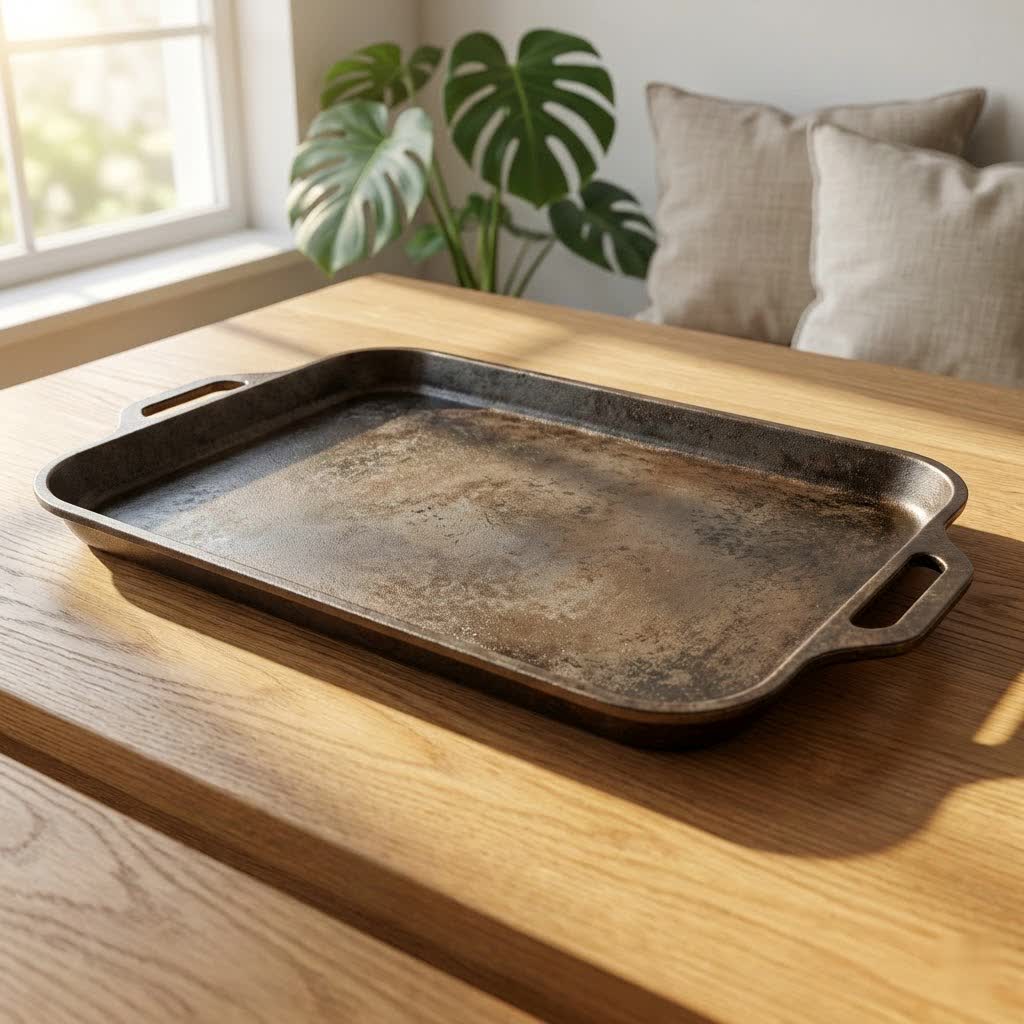
The Microwave Oven Baking Conundrum: Understanding Your Appliance
Before you even consider a baking tray, it’s crucial to understand the fundamental difference between a standard microwave oven and a combination microwave oven. This distinction dictates entirely what bakeware you can safely use.
Standard Microwaves (Reheating Mode)
A conventional microwave oven heats food using electromagnetic radiation (microwaves) that excite water molecules within the food. For this reason, metal baking trays are an absolute no-go in a standard microwave. Metal reflects microwaves, leading to several dangerous outcomes:
- Sparking and Arcing: The reflected microwaves can cause electrical arcing, which looks like tiny lightning bolts, potentially damaging your microwave or even causing a fire.
- Uneven Heating: Metal blocks microwaves from reaching the food, resulting in unevenly cooked areas and frustrating hot spots.
- Appliance Damage: Consistent misuse of metal can significantly shorten the lifespan of your microwave oven.
So, for standard microwave ovens, what can you use for baking-like tasks or simply heating food? The safest materials are those that allow microwaves to pass through them and heat the food directly. These include:
- Glass: Borosilicate glass (often found in brands like Pyrex) is an excellent choice. It’s renowned for its ability to withstand extreme temperature changes, making it ideal for moving from the freezer straight to the microwave.
- Ceramic and Stoneware: These materials perform similarly to glass, offering good heat retention and often coming in attractive designs that allow for oven-to-table serving.
- Silicone: Food-grade silicone molds and trays are highly versatile. They are flexible, non-stick, and can handle a wide range of temperatures, perfect for microwave mug cakes or small baked goods.
- Microwave-Safe Plastic: Look for plastics specifically labeled “microwave-safe.” Avoid single-use plastic containers, as they can melt and leach chemicals into food.
|
Our Picks for the Best Baking Tray in 2026
We may earn a commission when you use one of our links to make a purchase.
|
||
| Num | Product | Action |
|---|---|---|
| 1 | Commercial Quality Baking Sheet Pan Set, Natural Aluminum Cookie Sheet, Umite Chef Warp Resistant Baker's Half Sheet Pan, Large Thick Cookie Tray Pans for Baking, Roasting(2 Pack, 18X13In) |

|
| 2 | Nordic Ware Naturals Half Sheet - USA Made Aluminum Commercial Quality Sheet Pan for Baking or Roasting, Encapsulated Galvanized Steel Rim Prevents Warping, 2-Pack |
|
| 3 | Stainless Steel Baking Sheet Tray Cooling Rack with Silicone Baking Mat Set, Cookie Pan with Cooling Rack, Set of 9 (3 Sheets + 3 Racks + 3 Mats), 10/12/16 Inch, Easy Clean |
|
| 4 | GoodCook BestBake Nonstick Textured Carbon Steel Cookie Sheet, 11" x 17", Large Baking Sheet, Even Heating, Scratch-Resistant, Non-Toxic, Durable, Ideal for Baking and Sheet Pan Dinners |
|
| 5 | Premium Nonstick Baking Sheet Pans – Set of 3, Heavy-Gauge Carbon Steel, Warp, Dent, and Rust-Resistant – Gourmet Rimmed Half Cookie Sheet Trays, Non-Toxic for Exceptional Baking Performance |
|
| 6 | GoodCook Everyday Nonstick Carbon Steel 13” x 9” Baking Sheet Set, 3 Pack – Standard-Sized Carbon Steel Cooking Pans, Bakeware Set, Cookie Sheets for Baking, Oven Pan Set |
|
| 7 | GoodCook Everyday Nonstick Carbon Steel Baking Sheet Set, 3 Pack – Small 13” x 9”, Medium 15” x 10”, Large 17” x 11” – Carbon Steel Cooking Pans, Cookie Sheet Bakeware Set |
|
| 8 | ROTTAY Baking Sheet with Rack Set (2 Pans + 2 Racks), Stainless Steel Cookie Sheet with Cooling Rack, Nonstick Baking Pan, Warp Resistant & Heavy Duty & Rust Free, Size 16 x 12 x 1 Inches |
|
| 9 | Baking Sheet Tray Cooling Rack with Silicone Baking Mat Set, Stainless Steel Cookie Pan For Oven, Set of 9 (3 Sheets + 3 Racks + 3 Mats), Warp Resistant & Heavy Duty & Easy Clean, Red |
|
| 10 | NutriChef 3-Piece Nonstick Kitchen Oven Baking Pans - Premium & Stylish Non-Stick Steel, Commercial Grade Restaurant Quality Metal Bakeware with Red Silicone Handles - Easy to Clean, NCSBS3S |
|
Combination/Convection Microwaves (Convection and Grill Modes)
This is where the term “Baking Tray For Microwave Oven” truly comes into its own. Combination microwave ovens integrate a traditional convection heating element and sometimes a grill, alongside microwave technology. This means they can genuinely bake, roast, and grill like a conventional oven.
In the convection or grill modes, these ovens operate without emitting microwaves (or with reduced microwave power in “combination” mode), making them safe for specific types of metal bakeware:
- Original Equipment Manufacturer (OEM) Trays: Many combination ovens come with specialized enamel-coated metal trays or metal racks. These are designed by the manufacturer for safe use in the convection and grill modes and should always be your first choice for traditional baking.
- Aluminum and Non-Stick Metal Pans: For convection baking, standard aluminum baking trays and non-stick coated metal pans are generally safe. They conduct heat efficiently, promoting even baking and browning.
- Stainless Steel: Stainless steel trays are also suitable for convection and grill functions, offering durability and excellent heat distribution.
A Word of Caution for Combination Mode: While metal is generally acceptable in convection-only or grill-only modes, some manufacturers advise caution when using “combination mode” (where microwaves and convection heat simultaneously). Metal can still interfere with microwave distribution, potentially causing uneven cooking or, in rare cases, minor sparking, especially with pointed edges. Always consult your specific oven’s manual for guidance on combination mode.
Decoding Microwave-Safe Baking Tray Materials
Let’s delve deeper into the characteristics of the most common materials used for microwave-compatible bakeware.
Silicone Baking Trays
Silicone has become a baker’s best friend, especially for microwave applications.
- Advantages: Its non-stick properties make demolding effortless, and it often requires little to no greasing. Silicone is incredibly flexible, durable, and can withstand wide temperature ranges (typically up to 450°F or 230°C), making it suitable for both quick microwave recipes and convection baking. It’s also often dishwasher-safe.
- Common Uses: Ideal for individual portions like muffins, cupcakes, mini loaves, or even small cakes cooked directly in a standard microwave. They can also be used in convection modes.
Glass & Ceramic Bakeware
These classic materials offer reliability and often an appealing aesthetic.
- Advantages: Glass (especially borosilicate) is excellent for observing the baking process and offers superior thermal shock resistance. Both glass and ceramic retain heat well, which can be beneficial in convection mode for even cooking. They are also generally non-reactive, meaning they won’t alter the taste of your food.
- Types: Look for ovenproof glass bakeware, often referred to as glass-ceramic. Ceramic and stoneware dishes are also robust choices, offering a wide array of colors and patterns.
- Considerations: While generally safe for both microwave and convection modes, glass and ceramic can be heavy and prone to breakage if dropped. Square or rectangular shapes in standard microwaves can sometimes lead to “hot spots,” so round or oval options are often preferred for microwave-only cooking.
CPET Plastic Trays
CPET (Crystallized Polyethylene Terephthalate) is a less common but highly specialized material.
- Advantages: CPET trays are designed for dual oven-microwave functionality and are often seen in ready-meal packaging, including airline meals. They are heat-resistant and can transition from freezer to microwave or conventional oven.
- Niche Use: Primarily used for commercial food packaging or specific prepared meals where convenience and oven-to-microwave versatility are crucial. Not typically something you’d buy as a standalone baking tray for general home use.
Metal Baking Trays (For Convection Microwaves ONLY)
When using the convection or grill functions of a combination microwave, metal becomes a viable and often preferred option.
- Aluminum: A popular choice for its excellent heat conductivity, ensuring even baking. Aluminum trays are typically affordable and durable.
- Non-stick Coated Metal: These offer the added benefit of easy food release, though they require careful handling to preserve the non-stick coating.
- Stainless Steel: Known for its durability and polished surface, stainless steel trays are heavy-duty and can withstand high temperatures.
When choosing metal for your convection microwave, opt for heavy-duty trays that won’t warp under prolonged use.
Choosing the Right Baking Tray for Your Microwave Oven
Making the best choice comes down to a few key factors:
- Identify Your Microwave Type: Is it a standard microwave for reheating and quick cooking, or a combination oven with convection and grill features? This is the most critical question.
- Consider Your Recipe: For quick microwaveable desserts, silicone, glass, or ceramic dishes are perfect. For traditional baking (cakes, cookies, roasted vegetables) in a convection microwave, metal trays or the oven’s OEM trays are ideal.
- Check for “Microwave-Safe” Labels: Always look for this symbol on any bakeware you intend to use in a microwave.
- Size and Shape: Ensure the tray fits comfortably inside your microwave, especially if it has a rotating turntable. Round or oval shapes tend to heat more evenly in standard microwaves compared to square or rectangular ones.
- Quality and Certifications: For general home use, reputable brands ensure quality. For commercial use, verify certifications like NSF/ANSI 51 or LFGB for food contact compliance.
Tips for Optimal Use and Care
Maximizing the life and performance of your baking trays in a microwave oven involves proper usage and maintenance.
- Read Your Manual: This cannot be stressed enough. Your microwave oven’s instruction manual is the ultimate authority on what bakeware is safe for each specific mode.
- Preheat for Convection: Just like a traditional oven, preheating your convection microwave with the baking tray inside (if applicable) ensures optimal baking conditions.
- Handle with Care: Always use oven mitts or pot holders when removing hot bakeware from any microwave, especially combination ovens.
- Clean Appropriately:
- Silicone: Generally dishwasher-safe and easy to clean with warm soapy water.
- Glass and Ceramic: Most are dishwasher-safe. Avoid abrasive scrubbers on decorative pieces.
- Metal (Convection Only): Hand washing is often recommended for non-stick coated pans to preserve the coating. Aluminum can sometimes discolor in a dishwasher.
- Avoid Overloading: Don’t crowd the baking tray or the microwave itself, as this can hinder even cooking.
- Check for Damage: Regularly inspect your bakeware for cracks, chips, or warping. Damaged items can pose safety risks and affect cooking performance.
“The true magic of microwave baking isn’t just speed, but knowing which materials unlock its full potential without compromise.” – Admin, reviewwyse.com, Kitchenware Technician
Conclusion
Choosing the right baking tray for your microwave oven doesn’t have to be a mystery. By understanding the critical distinction between standard and combination microwaves, and by selecting appropriate materials like glass, ceramic, silicone, or—for convection models—metal, you can confidently expand your culinary horizons. Always prioritize safety by consulting your appliance’s manual and checking for microwave-safe labels. With the correct bakeware, your microwave can become more than just a reheater; it can be a partner in creating delicious baked delights.
What exciting recipes will you try next with your perfectly chosen microwave baking tray?
Câu Hỏi Thường Gặp
Can I put aluminum foil in a microwave oven?
Generally, no. Aluminum foil, like other metals, can cause sparking and damage in a standard microwave. In convection microwave ovens, small, smooth pieces of foil might be used to shield food if explicitly allowed by your appliance’s manual and only in convection mode. Always err on the side of caution.
What is the best material for microwave bakeware?
For standard microwaves, borosilicate glass, ceramic, and food-grade silicone are top choices due to their microwave transparency and heat resistance. For combination microwaves used in convection mode, aluminum and non-stick metal are excellent for traditional baking.
Why does metal spark in a microwave?
Metal sparks in a microwave because the electromagnetic waves induce an electric current in the metal. If the metal has sharp edges or is too close to the microwave walls, these currents concentrate, leading to a build-up of electric potential that discharges as visible sparks or arcs. This can damage the microwave and pose a fire hazard.
Can you bake a cake evenly using a microwave tray?
In a standard microwave, cakes often cook unevenly due to the way microwaves heat from the outside in. However, using microwave-safe silicone or glass molds and specific microwave cake recipes can yield decent results, especially for smaller portions like mug cakes. Combination microwaves, utilizing convection heat, are far more effective at baking traditional cakes evenly.
How do I know if a dish is microwave safe?
Look for a microwave-safe symbol, typically a microwave oven with wavy lines or three wavy lines, usually found on the bottom of the dish. If there’s no symbol, perform a simple test: place the empty dish in the microwave with a cup of water, heat for one minute. If the dish remains cool and only the water is hot, it’s generally microwave-safe.