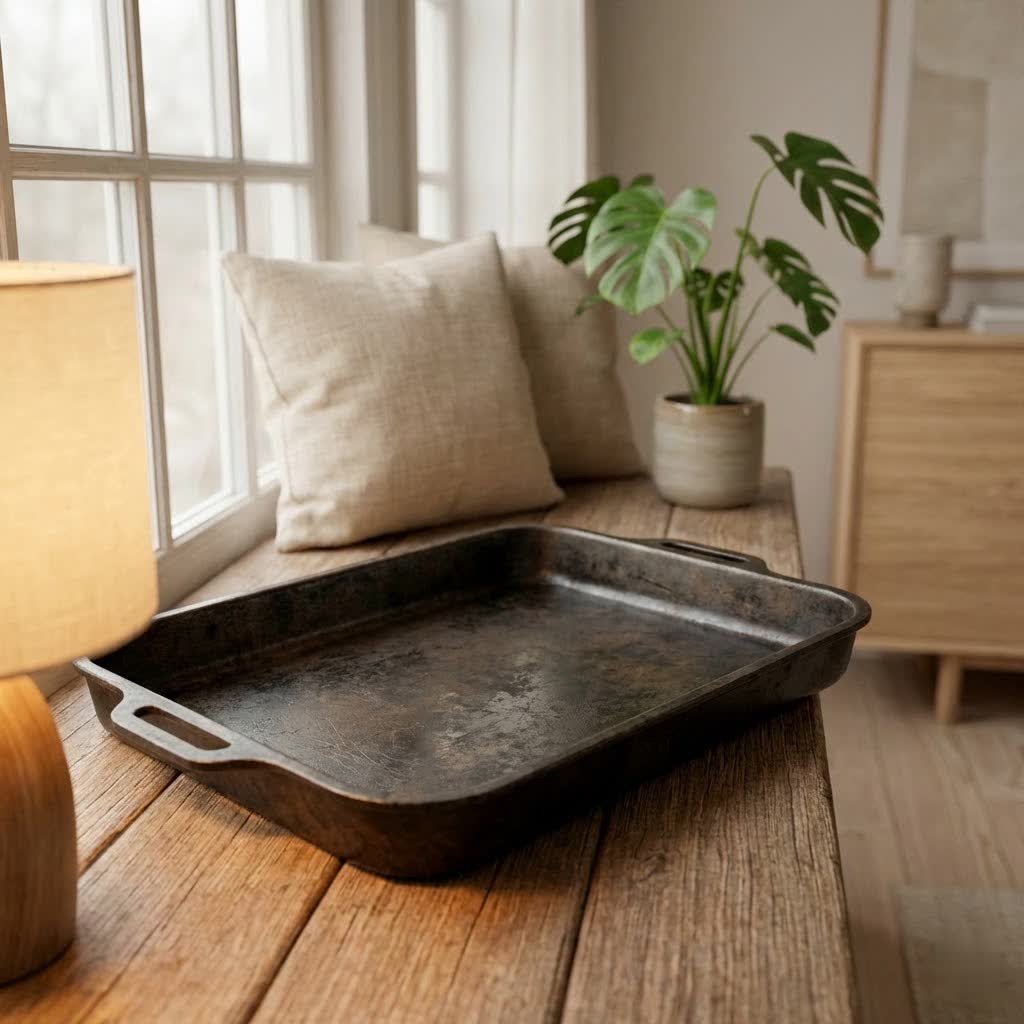
A stone baking tray transforms home ovens into high-performance baking environments, providing unparalleled heat distribution and the ability to achieve perfectly crispy crusts on pizzas, artisan bread, and cookies. These versatile tools, often made from cordierite or ceramic, absorb and retain heat exceptionally well, mimicking traditional brick ovens for superior baking results.
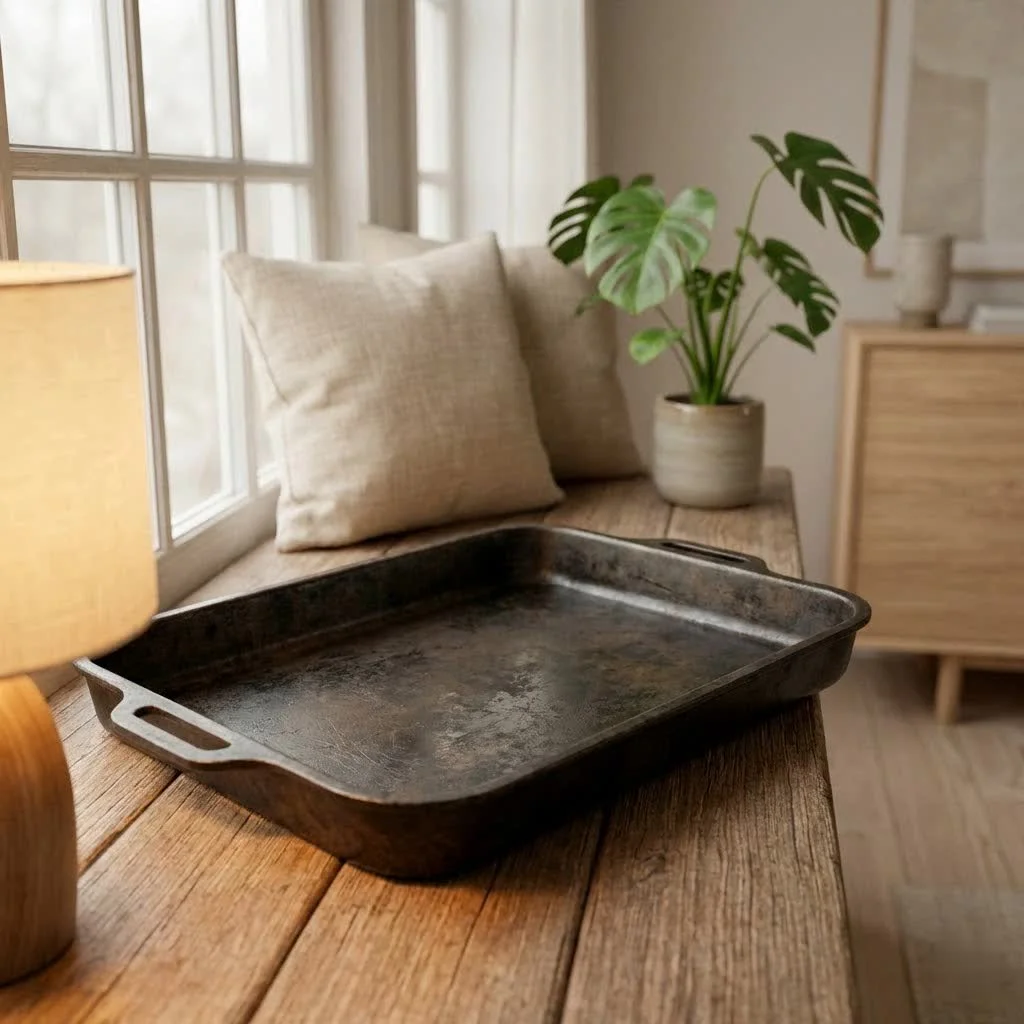
Understanding Stone Baking Trays: Materials and Forms
Stone baking trays, often referred to as pizza stones or stoneware, are crafted from various materials, each offering unique properties that contribute to superior baking. Understanding these differences is key to choosing the right tool for your specific needs.
- Cordierite: This highly durable ceramic material is renowned for its excellent resistance to thermal shock, making it ideal for high-temperature baking like pizzas and artisan bread. It heats up efficiently and retains heat exceptionally well, ensuring a consistently crispy crust.
- Ceramic: Ceramic baking stones offer good heat retention and even cooking. They are often found in glazed varieties, which can make cleaning easier and add aesthetic appeal. However, some ceramic stones may be more susceptible to thermal shock than cordierite.
- Unglazed Stoneware: Traditional stoneware is porous, allowing it to absorb moisture from doughs as they bake. This absorption is a critical factor in achieving extra-crispy crusts for items like pizza and rustic bread. These stones often require seasoning over time to develop a natural non-stick surface.
- Granite (or Granitestone-coated): While some products are marketed as “granite stone bakeware,” many are actually aluminized steel or other metal pans coated with a ceramic-reinforced, granite-like finish. These typically offer good non-stick properties and even heating, but they function differently from solid stone products regarding moisture absorption and thermal mass.
Stone baking trays come in various shapes and sizes to accommodate diverse baking projects. Round stones are classic for pizzas, while rectangular trays are excellent for artisan bread loaves, cookies, roasted vegetables, and even larger sheet-pan meals. The size should always be chosen to fit comfortably within your oven, allowing for proper air circulation. It’s also important to distinguish between a dedicated pizza stone (designed for very high, direct heat preheating) and general stoneware baking dishes (which may have different temperature limits and preheating instructions).
The Unrivaled Benefits of Baking with Stone
Why should you consider adding a stone baking tray to your kitchen arsenal? The advantages extend far beyond just making pizza.
Superior Heat Retention and Even Distribution
One of the primary benefits of a stone baking tray is its exceptional thermal mass. Unlike thin metal pans that heat and cool quickly, stone absorbs a significant amount of heat and releases it gradually and evenly. Think of it like a “heat battery” in your oven. This consistent heat transfer eliminates hot spots and cold zones, ensuring that whatever you’re baking cooks uniformly from edge to center. This is particularly beneficial for items that require sustained, high heat.
The Secret to Crispy Crusts
|
Our Picks for the Best Baking Tray in 2026
As an Amazon Associate I earn from qualifying purchases.
|
||
| Num | Product | Action |
|---|---|---|
| 1 | Nordic Ware Naturals Half Sheet - USA Made Aluminum Commercial Quality Sheet Pan for Baking or Roasting, Encapsulated Galvanized Steel Rim Prevents Warping, 2-Pack |

|
| 2 | GoodCook Everyday Nonstick Carbon Steel 13” x 9” Baking Sheet Set, 3 Pack – Standard-Sized Carbon Steel Cooking Pans, Bakeware Set, Cookie Sheets for Baking, Oven Pan Set |
|
| 3 | Stainless Steel Baking Sheet Tray Cooling Rack with Silicone Baking Mat Set, Cookie Pan with Cooling Rack, Set of 9 (3 Sheets + 3 Racks + 3 Mats), 10/12/16 Inch, Easy Clean |
|
| 4 | Baking Sheet Tray Cooling Rack with Silicone Baking Mat Set, Stainless Steel Cookie Pan For Oven, Set of 9 (3 Sheets + 3 Racks + 3 Mats), Warp Resistant & Heavy Duty & Easy Clean, Red |
|
| 5 | Premium Nonstick Baking Sheet Pans – Set of 3, Heavy-Gauge Carbon Steel, Warp, Dent, and Rust-Resistant – Gourmet Rimmed Half Cookie Sheet Trays, Non-Toxic for Exceptional Baking Performance |
|
| 6 | Commercial Quality Baking Sheet Pan Set, Natural Aluminum Cookie Sheet, Umite Chef Warp Resistant Baker's Half Sheet Pan, Large Thick Cookie Tray Pans for Baking, Roasting(2 Pack, 18X13In) |
|
| 7 | NutriChef 3-Piece Nonstick Kitchen Oven Baking Pans - Premium & Stylish Non-Stick Steel, Commercial Grade Restaurant Quality Metal Bakeware with Red Silicone Handles - Easy to Clean, NCSBS3S |
|
| 8 | ROTTAY Baking Sheet with Rack Set (2 Pans + 2 Racks), Stainless Steel Cookie Sheet with Cooling Rack, Nonstick Baking Pan, Warp Resistant & Heavy Duty & Rust Free, Size 16 x 12 x 1 Inches |
|
| 9 | GoodCook BestBake Nonstick Textured Carbon Steel Cookie Sheet, 11" x 17", Large Baking Sheet, Even Heating, Scratch-Resistant, Non-Toxic, Durable, Ideal for Baking and Sheet Pan Dinners |
|
| 10 | GoodCook Everyday Nonstick Carbon Steel Baking Sheet Set, 3 Pack – Small 13” x 9”, Medium 15” x 10”, Large 17” x 11” – Carbon Steel Cooking Pans, Cookie Sheet Bakeware Set |
|
For anyone who loves a truly crispy crust on their pizza or bread, a stone baking tray is a major upgrade. The superheated stone rapidly transfers intense heat directly to the bottom of your dough, mimicking the effect of a traditional brick oven. Porous stoneware can absorb excess moisture from the dough, preventing sogginess and promoting a wonderfully crisp, browned finish. This direct, intense heat results in what bakers call “oven spring” – a rapid rise that creates a light, airy interior.
Cooking with “Grace”
Have you ever forgotten cookies in the oven for a few extra minutes, only to find their bottoms scorched? Stone baking trays offer a unique advantage here. Due to their ability to distribute heat more gently and absorb moisture, food baked on stone is less prone to burning compared to metal or glass. Instead of blackening, items tend to dehydrate a little more, providing a small margin of error that can save your baked goods from disaster. As renowned chef Julia Child once said, “With a good baking stone, even a slight delay can result in a perfectly browned, not burnt, bottom.”
Healthier Cooking Options
Many modern stone baking trays, especially those with non-stick coatings, are designed to be free from harmful chemicals like PFOA and PFOS. This provides peace of mind for health-conscious cooks who want to avoid potential toxins in their bakeware, offering a safer way to prepare family meals.
Choosing Your Ideal Stone Baking Tray
Selecting the perfect stone baking tray involves considering several factors to ensure it meets your culinary demands and fits seamlessly into your kitchen routine.
Material Matters
As discussed, the material significantly impacts performance. For high-temperature baking like pizzas and artisan bread, cordierite is often the top recommendation due to its durability and resistance to thermal shock. If you’re looking for a versatile dish for casseroles, roasts, and gratins, glazed ceramic stoneware can be an excellent choice, offering aesthetic appeal and easier cleaning.
Size and Oven Compatibility
Measure your oven racks carefully before purchasing. A stone baking tray should fit with at least an inch or two of space around all sides to allow for proper air circulation. A tray that is too large will hinder heat distribution and can lead to uneven cooking. Consider the dimensions of items you typically bake; a large rectangular stone offers more versatility than a small round one if you bake more than just pizza.
Thickness for Performance
Generally, a thicker stone (e.g., 3/4 to 1 inch) will offer superior heat retention and be less prone to cracking from thermal stress. While it takes longer to preheat, its ability to maintain a consistent high temperature is invaluable for achieving professional results. Thinner stones heat faster but may cool down more quickly, especially when baking multiple items in succession.
Temperature Threshold
Always check the manufacturer’s recommended maximum temperature for any stone baking tray. While many pizza stones can withstand 500-550°F (260-290°C) or higher, some general stoneware baking dishes may have lower limits. Exceeding these limits can lead to cracking or damage.
Stone Baking Tray vs. Other Bakeware: A Comparative Look
To truly appreciate the stone baking tray, it’s helpful to see how it stacks up against other common bakeware materials.
| Feature | Stone Baking Tray | Metal Baking Sheet | Glass Baking Dish | Baking Steel |
|---|---|---|---|---|
| Heat Conductivity | Moderate (absorbs & releases slowly) | High (absorbs & releases quickly) | Low (insulating) | Very High (absorbs & releases rapidly) |
| Thermal Mass | Excellent (retains heat for long periods) | Low (cools quickly) | Good (retains heat once hot) | Excellent (retains heat very well) |
| Crust Crispness | Excellent (moisture absorption, direct heat) | Good (promotes browning) | Fair (slower heat transfer, less crisp) | Outstanding (intense, rapid heat transfer) |
| Durability | Good (prone to thermal shock if misused) | Excellent (can warp over time) | Fair (prone to shattering) | Exceptional (virtually indestructible) |
| Weight | Heavy | Light to moderate | Moderate to heavy | |
| Preheating | Essential (1 hour+ at high temps) | Not typically required for most tasks) | Often required for even cooking | Essential (45 min-1 hour+ at high temps) |
| Primary Use | Pizza, artisan bread, crispy cookies, roasting | Cookies, roasted vegetables, general baking | Casseroles, gratins, roasting, slow baking | Pizza, artisan bread, high-heat searing |
While metal pans are excellent for quick browning and glass is great for casseroles that need consistent heat over time, neither can replicate the unique combination of intense direct heat and moisture absorption that a good stone baking tray provides. Baking steels offer superior conductivity and durability, often resulting in even crisper crusts, but they lack the moisture-absorbing properties of porous stone and are significantly heavier and more expensive. Each has its place, but for specific tasks like artisan bread and pizza, stone or steel truly excel.
Mastering Usage and Care for Longevity
To get the most out of your stone baking tray and ensure it lasts for years, proper usage and care are paramount.
Preheat Like a Pro
This is arguably the most critical step for optimal results. Always place your stone baking tray in a cold oven before turning it on. Then, preheat the oven to its highest temperature (typically 500-550°F or 260-290°C) and let the stone preheat for at least an hour, or even longer for very thick stones. This allows the stone to fully absorb and stabilize its heat, ensuring an immediate burst of cooking power when food is introduced. For pizza, place the stone on the lowest oven rack to maximize direct heat to the crust.
Seamless Transfer for Perfect Placement
When it comes to transferring delicate items like pizza dough onto a hot stone, a pizza peel is your best friend. Dust the peel generously with cornmeal or semolina to create tiny “ball bearings” that help the dough slide off easily. Alternatively, you can build your pizza directly on parchment paper and slide the paper and pizza onto the hot stone. While parchment paper has temperature limits, it usually holds up for the short, high-heat bake of a pizza, though some prefer to carefully remove it after a few minutes to allow direct contact for ultimate crispness.
Avoiding Thermal Shock
Stone is durable, but it’s susceptible to thermal shock – sudden, extreme temperature changes that can cause it to crack. Always place the stone in a cold oven and allow it to heat up and cool down gradually with the oven. Avoid placing frozen food directly onto a blazing hot stone, or running cold water over a hot stone during cleaning.
Cleaning Wisdom
One of the golden rules for porous stone baking trays is to avoid soap. Soap can seep into the pores of the stone and impart unwanted flavors to your food. For most spills or baked-on residue, simply let the stone cool completely, then scrape off any excess food with a stiff brush or a metal spatula. For tougher stains, a paste of baking soda and water can be applied, left to sit, and then scrubbed away. Rinse with hot water and dry thoroughly. Stains and discoloration are normal and add to the stone’s character and non-stick properties over time – a well-used stone is a badge of honor!
Seasoning (Optional for Specific Types)
While some natural, unglazed stoneware may benefit from occasional “seasoning” with a neutral oil (similar to cast iron) to enhance its non-stick qualities, this is generally not recommended for dedicated pizza stones whose primary function relies on moisture absorption. Always refer to the manufacturer’s instructions regarding seasoning.
What to Bake
Beyond pizza, stone baking trays excel at:
- Artisan Bread: Achieve beautiful oven spring and a deeply browned, crispy crust.
- Cookies: Enjoy evenly baked cookies with perfectly crisp bottoms.
- Roasted Vegetables: Get a lovely char and even cooking.
- Pastries and Flatbreads: Create flaky, golden results.
Popular Stone Baking Tray Options
When exploring the market, you’ll find a range of highly-regarded stone baking trays that consistently deliver excellent performance. Look for options made from high-quality cordierite for superior thermal shock resistance and heat retention. Many popular choices feature extra-thick construction, ensuring long-lasting durability and even heat distribution. Rectangular designs often come with slightly raised edges, making them versatile for everything from sheet pan dinners to focaccia, while classic round pizza stones prioritize uniform heat for perfect pies. Prioritize brands known for quality materials and robust design, as these investments will significantly enhance your baking for years to come.
Where to Find Your Perfect Stone Baking Tray
Finding the right stone baking tray is easier than ever with numerous options available. You can explore a wide selection from online retailers like Amazon, specialty kitchenware websites, and major department stores. These platforms often provide customer reviews and detailed product specifications, helping you compare different brands and models. Local kitchen supply stores or home goods shops may offer a curated selection, allowing you to see and feel the product before purchasing. When buying online, pay attention to shipping weights and return policies, as these items can be heavy.
Conclusion
The journey to consistently outstanding baked goods often starts with the right foundation. A stone baking tray is more than just a piece of equipment; it’s an investment in superior results, offering unmatched heat retention, even cooking, and the ability to achieve those coveted crispy crusts that elevate homemade fare to bakery-quality standards. From perfect pizzas to artisan loaves and delectable cookies, integrating a stone baking tray into your kitchen empowers you to explore new baking frontiers with confidence and “grace.”
Are you ready to improve your baking experience and unlock the full potential of your oven with a stone baking tray?
Frequently Asked Questions
How to Use and Care for a Stone Baking Tray
Proper usage and care are essential to maximize the performance and longevity of your stone baking tray, ensuring perfect baked goods every time.
Always place your stone baking tray in a cold oven before turning it on. Preheat the oven to its highest temperature (typically 500-550u00b0F or 260-290u00b0C) and let the stone preheat for at least an hour. This ensures the stone fully absorbs and stabilizes its heat for optimal cooking.
Use a pizza peel dusted generously with cornmeal or semolina to transfer delicate items like pizza dough onto the hot stone. Alternatively, build your pizza on parchment paper and slide the paper and pizza onto the stone. Parchment paper usually tolerates high heat for short baking times.
To prevent cracking, always allow the stone to heat up and cool down gradually with the oven. Never place frozen food directly onto a blazing hot stone or run cold water over a hot stone during cleaning. Sudden temperature changes can damage the stone.
For porous stone baking trays, avoid using soap as it can seep into the pores and impart unwanted flavors. Let the stone cool completely, then scrape off any baked-on food with a stiff brush or metal spatula. For tougher stains, a paste of baking soda and water can be applied and scrubbed away, then rinse with hot water and dry thoroughly.
Get our weekly buyer guide
Practical specs, not advice. Unsubscribe anytime.

I got a stone baking tray specifically for cookies, hoping for a more even bake. While they do come out nicely browned, I’ve found it a bit tricky to clean after some minor spills. It definitely absorbs and retains heat well, but I wish it was a bit more non-stick for easier maintenance. Still, it’s an improvement over my old sheet.
I’ve been using a ceramic stone for my artisan bread for a few weeks now, and the heat distribution is fantastic. My loaves are consistently golden and have a much better rise. The only minor thing is it takes a little longer to preheat than I expected, but the results are worth the wait for that perfect crust.
This stone has completely transformed my baking! I used to struggle with soggy pizza bottoms, but now they’re perfectly crisp every single time. The material really holds the heat, and it makes such a difference for everything from focaccia to rustic bread. Highly recommend for anyone serious about their home baking.
I finally invested in a cordierite stone baking tray after reading about them, and wow, what a difference! My homemade pizzas now have that perfect crispy crust I could never achieve before. It really does mimic a brick oven. I’m so glad I made the switch from my old metal pan.