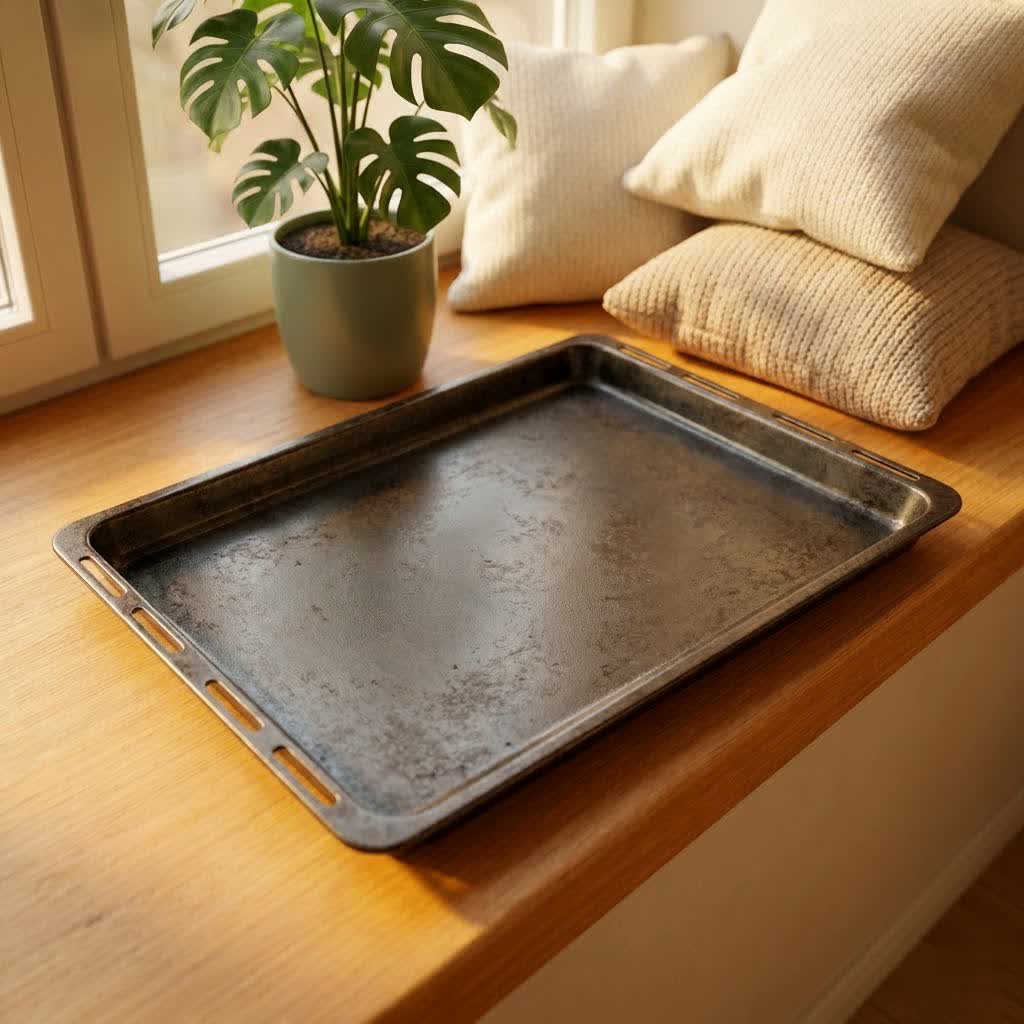
In the bustling heart of any kitchen, from professional bakeries to cozy home setups, certain tools become indispensable. Among these, the humble aluminium baking tray stands out, a workhorse revered by chefs and home bakers alike for its unparalleled performance. If you’ve ever wondered what makes this seemingly simple piece of bakeware a true kitchen essential, you’re in the right place. With over a decade of hands-on experience, I’m here to guide you through everything you need to know about choosing, using, and caring for the perfect aluminium baking tray to elevate your culinary creations.
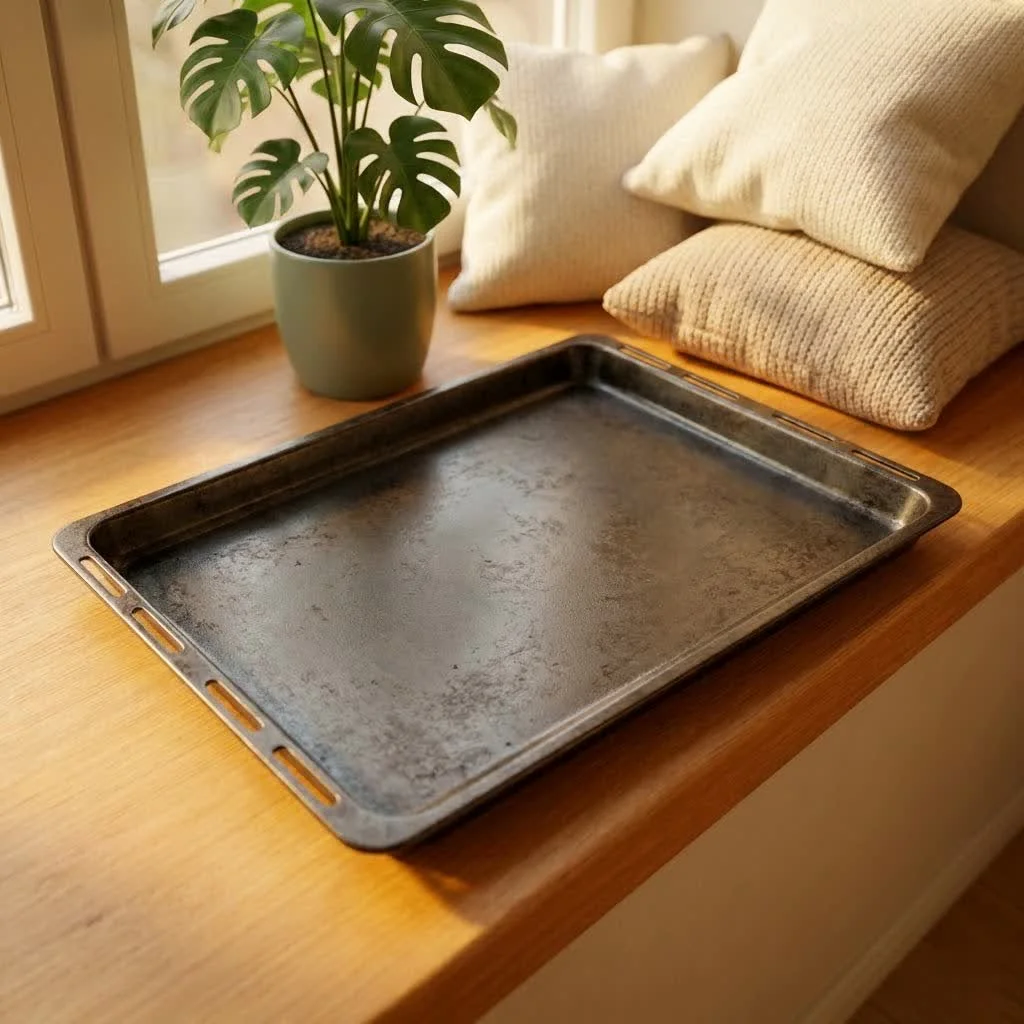
The Enduring Appeal of Aluminium Baking Trays
Aluminium baking trays hold a coveted spot in kitchens worldwide, thanks to a combination of properties that make them exceptionally effective for a wide range of cooking and baking tasks. Their popularity isn’t just a trend; it’s rooted in fundamental advantages that deliver consistent, high-quality results. For complete baking trays library on this site.
Excellent Heat Conductivity for Superior Baking
One of the primary reasons aluminium trays are so beloved is their remarkable heat conductivity. Aluminium heats up quickly and, crucially, distributes that heat evenly across its surface. This means your cookies will bake uniformly, your roasted vegetables will brown consistently, and your pastries will achieve that desired golden crust without hot spots or undercooked patches. The ability to respond swiftly to temperature changes in the oven also gives bakers greater control over the cooking process, a critical factor for delicate recipes.
Lightweight and Versatile
Despite their robust performance, aluminium baking trays are notably lightweight. This characteristic makes them easy to handle, maneuver, and transfer from counter to oven and back again, even when loaded with heavy ingredients. Their versatility is another major draw. From savory sheet pan dinners and crispy bacon to delicate cookies, fluffy cakes, and artisan breads, a quality aluminium tray can tackle an impressive array of dishes. They are a true multi-tasker, adapting to almost any baking or roasting need.
Cost-Effective and Readily Available
For both budding home cooks and seasoned professionals, the affordability of aluminium baking trays makes them an accessible choice. You can acquire high-quality, durable aluminium bakeware without a significant investment, making it easy to build a functional collection. Furthermore, they are widely available in various shapes and sizes at most kitchen supply stores, supermarkets, and online retailers, ensuring you can always find the right tray for your specific requirements.
Decoding Aluminium Baking Tray Types and Sizes
Aluminium baking trays come in several standard types and sizes, each designed to suit different culinary applications. Understanding these variations will help you select the most appropriate tray for your kitchen and recipes.
Standard Sizes: Half-Sheet, Full-Sheet, and Quarter-Sheet
|
Our Picks for the Best Baking Tray in 2026
As an Amazon Associate I earn from qualifying purchases.
|
||
| Num | Product | Action |
|---|---|---|
| 1 | Stainless Steel Baking Sheet Tray Cooling Rack with Silicone Baking Mat Set, Cookie Pan with Cooling Rack, Set of 9 (3 Sheets + 3 Racks + 3 Mats), 10/12/16 Inch, Easy Clean |

|
| 2 | Premium Nonstick Baking Sheet Pans – Set of 3, Heavy-Gauge Carbon Steel, Warp, Dent, and Rust-Resistant – Gourmet Rimmed Half Cookie Sheet Trays, Non-Toxic for Exceptional Baking Performance |
|
| 3 | NutriChef 3-Piece Nonstick Kitchen Oven Baking Pans - Premium & Stylish Non-Stick Steel, Commercial Grade Restaurant Quality Metal Bakeware with Red Silicone Handles - Easy to Clean, NCSBS3S |
|
| 4 | Nordic Ware Naturals Half Sheet - USA Made Aluminum Commercial Quality Sheet Pan for Baking or Roasting, Encapsulated Galvanized Steel Rim Prevents Warping, 2-Pack |
|
| 5 | Commercial Quality Baking Sheet Pan Set, Natural Aluminum Cookie Sheet, Umite Chef Warp Resistant Baker's Half Sheet Pan, Large Thick Cookie Tray Pans for Baking, Roasting(2 Pack, 18X13In) |
|
| 6 | ROTTAY Baking Sheet with Rack Set (2 Pans + 2 Racks), Stainless Steel Cookie Sheet with Cooling Rack, Nonstick Baking Pan, Warp Resistant & Heavy Duty & Rust Free, Size 16 x 12 x 1 Inches |
|
| 7 | Baking Sheet Tray Cooling Rack with Silicone Baking Mat Set, Stainless Steel Cookie Pan For Oven, Set of 9 (3 Sheets + 3 Racks + 3 Mats), Warp Resistant & Heavy Duty & Easy Clean, Red |
|
| 8 | GoodCook Everyday Nonstick Carbon Steel Baking Sheet Set, 3 Pack – Small 13” x 9”, Medium 15” x 10”, Large 17” x 11” – Carbon Steel Cooking Pans, Cookie Sheet Bakeware Set |
|
| 9 | GoodCook BestBake Nonstick Textured Carbon Steel Cookie Sheet, 11" x 17", Large Baking Sheet, Even Heating, Scratch-Resistant, Non-Toxic, Durable, Ideal for Baking and Sheet Pan Dinners |
|
| 10 | GoodCook Everyday Nonstick Carbon Steel 13” x 9” Baking Sheet Set, 3 Pack – Standard-Sized Carbon Steel Cooking Pans, Bakeware Set, Cookie Sheets for Baking, Oven Pan Set |
|
The most common sizes you’ll encounter are half-sheet, full-sheet, and quarter-sheet pans. A half-sheet pan, typically measuring around 18 x 13 inches, is arguably the most versatile for home kitchens, fitting comfortably in most standard ovens and offering ample space for cookies, roasted vegetables, or a sheet cake. Full-sheet pans, at approximately 26 x 18 inches, are primarily used in commercial settings due to their larger size, perfect for high-volume baking. For smaller tasks, toasting nuts, or baking a few cookies, a quarter-sheet pan (roughly 13 x 9 inches) is an excellent, space-saving option.
Rimmed vs. Rimless Designs
Most aluminium baking trays are rimmed, featuring a raised edge on all four sides. This rim is essential for containing liquids and preventing food from sliding off, making them ideal for roasting, baking cakes, or anything with sauces or grease. Rimless cookie sheets, while less common for aluminium, are designed specifically for easy sliding of baked goods like cookies directly off the pan. However, for general versatility and safety, rimmed pans are usually preferred.
Disposable vs. Reusable Aluminium Pans
You’ll also find both disposable and reusable options. Disposable aluminium foil pans are convenient for potlucks, meal prep, or when you want to avoid cleanup, as they can be discarded after use. They are generally thinner and less durable. Reusable aluminium baking trays, made from heavier gauge metal, are designed for long-term use. These are the workhorses that, with proper care, will last for many years, offering superior baking performance and a more eco-friendly choice in the long run.
Aluminium vs. The Competition: A Material Showdown
When it comes to bakeware, aluminium isn’t the only material on the block. Understanding how it stacks up against other popular choices, particularly stainless steel and aluminized steel, can help you make an informed decision for your specific baking needs.
Aluminium vs. Stainless Steel
| Feature | Aluminium Baking Trays | Stainless Steel Baking Trays |
|---|---|---|
| Heat Conductivity | Excellent (heats up and cools down quickly and evenly) | Poor (heats slowly and often unevenly, but retains heat well) |
| Durability | Prone to warping (especially thinner gauges), scratches easily | Highly durable, resistant to warping and denting |
| Reactivity | Can react with acidic/alkaline foods (discoloration, metallic taste) | Non-reactive (safe for all food types) |
| Weight | Lightweight | Heavier |
| Cost | Generally more affordable | Typically more expensive |
| Cleaning | Hand wash recommended (dishwasher can cause oxidation) | Dishwasher safe, easy to clean |
| Typical Use | Even baking (cookies, cakes), roasting, quick heating | Roasting that requires sustained heat, broiling, non-reactive tasks |
Aluminium vs. Aluminized Steel
Aluminized steel offers a compelling hybrid solution, especially prevalent in commercial bakeries. These trays feature a steel core for strength and warp resistance, coated with a layer of aluminium or an aluminium-silicone alloy. This combination leverages the durability of steel with the superior heat conductivity and corrosion resistance of aluminium. Aluminized steel pans are excellent for heavy-duty use, providing uniform heating and a long lifespan, often forming a robust base for non-stick coatings. While more expensive than pure aluminium, they are a worthwhile investment for frequent, high-temperature baking.
Briefly on Non-Stick and Ceramic Options
Many aluminium trays come with a non-stick coating, which can be a boon for easy food release and cleanup. However, these coatings can wear over time and often have lower maximum temperature ratings than uncoated aluminium. Ceramic-coated trays are another alternative, offering a natural non-stick surface, but they may not conduct heat as efficiently as bare aluminium and can be more fragile. For critical browning and crisping, many professional bakers still prefer uncoated, heavy-gauge aluminium.
Essential Considerations for Choosing Your Aluminium Baking Tray
Selecting the right aluminium baking tray goes beyond just picking a size. Several factors contribute to its performance and longevity, ensuring it meets your specific baking demands.
Gauge and Thickness for Durability
The thickness, or “gauge,” of an aluminium baking tray significantly impacts its durability and performance. Thicker, heavier-gauge aluminium pans are less likely to warp under high heat, ensuring your food cooks evenly and consistently. They also tend to be more robust and last longer. Thin, flimsy pans might be cheaper initially, but they are prone to buckling and uneven heating, which can quickly lead to frustrating baking experiences. Investing in a medium to heavy-gauge pan is always recommended for superior results and longevity.
Matching Size and Shape to Your Oven and Needs
Before purchasing, measure your oven interior to ensure the tray fits comfortably, allowing for proper air circulation. While half-sheet pans are versatile for most home ovens, consider quarter-sheet pans for smaller batches or toaster ovens. For specialized baking, like baguettes or individual pastries, you might seek out uniquely shaped aluminium trays designed for those purposes. Think about your most frequent baking activities and choose sizes that align with them.
Reputable Brands and Key Features
Well-known brands often signify quality and reliability. Manufacturers like Nordic Ware and USA Pan are frequently praised for their durable, high-performing natural aluminium bakeware. Look for features such as reinforced rolled edges, which add strength and prevent warping, and a smooth, unblemished surface for optimal heat distribution. Some commercial-grade pans might also feature a closed bead design with a wire-reinforced rim for enhanced sturdiness.
Non-Stick Coatings: Benefits and Maintenance
While natural aluminium offers excellent browning, non-stick coatings can be beneficial for delicate items or for ease of cleaning. If opting for a non-stick aluminium tray, ensure it’s a high-quality, PFOA-free coating. Remember that non-stick surfaces require gentle handling; avoid metal utensils that can scratch the coating and always hand wash to preserve its integrity.
Maximizing Lifespan: Usage and Care for Aluminium Trays
Proper usage and consistent care are crucial for extending the life of your aluminium baking trays and maintaining their peak performance. A well-cared-for tray can truly become a generational tool in your kitchen.
Proper Preparation for Optimal Results
To prevent sticking and ensure easy release, always prepare your aluminium baking tray adequately. For most baked goods, a light coating of butter or cooking spray is sufficient. For extra insurance and easier cleanup, especially with cookies or roasted items, line the tray with parchment paper or a silicone baking mat. This not only aids in release but also protects the pan’s surface and promotes even baking.
Avoiding Reactivity and Discoloration
Aluminium can react with highly acidic or alkaline foods, such as tomatoes, citrus, or certain sauces, potentially leading to discoloration of the pan or imparting a metallic taste to your food. To prevent this, avoid prolonged contact between these foods and your bare aluminium tray. If you must use aluminium for acidic ingredients, line the pan thoroughly with parchment paper or aluminium foil (ensuring no direct contact with the pan). Additionally, extreme high heat or sudden temperature changes can cause oxidation and darkening, so aim for moderate, consistent oven temperatures.
Cleaning and Maintenance Best Practices
The golden rule for aluminium baking trays is hand washing. Dishwashers, with their aggressive detergents, high heat, and mineral-rich water, can cause irreversible oxidation and discoloration, often resulting in a dull, dark gray finish. Instead, wash your tray with warm water, natural dish soap, and a non-abrasive sponge immediately after use, once it has cooled. For stubborn baked-on grime, a paste of baking soda and water or a product like Bar Keeper’s Friend can work wonders. Apply the paste with a soft-bristle brush, let it sit, then scrub gently. Always rinse thoroughly and, most importantly, dry the pan completely before storing to prevent water spots and further oxidation.
Tips for Preventing Warping and Extending Durability
Warping, characterized by the pan bending or twisting, usually occurs when a thin pan is exposed to sudden, extreme temperature changes. To minimize this, allow your oven to fully preheat before placing food inside, and avoid exposing a hot pan directly to cold water. Investing in heavier gauge aluminium also significantly reduces the risk of warping. Storing your trays flat or using pan organizers can prevent scratches and dings, helping them maintain their shape and integrity for years of reliable use.
Top Aluminium Baking Tray Recommendations
While specific brand availability may vary, several aluminium baking trays consistently receive high praise for their durability, even heat distribution, and overall performance. Brands like Nordic Ware Naturals Commercial Baker’s Half-Sheet are frequently lauded as a top choice for home bakers, often recommended for their sturdy build and consistent results. USA Pan Bakeware is another highly-regarded option, often featuring a unique fluted surface that promotes airflow and adds strength. For those seeking commercial-grade durability, brands that emphasize heavy-gauge 3003 aluminium construction are excellent choices. These trays are built to withstand the rigors of frequent use while delivering perfectly baked and roasted foods every time.
Where to Purchase Quality Aluminium Baking Trays
Finding a high-quality aluminium baking tray is easier than ever. You can explore a wide selection from the comfort of your home through reputable online retailers such as Amazon, Williams Sonoma, or specialty kitchenware websites. Many large department stores and dedicated kitchen supply stores also stock excellent options, allowing you to physically inspect the gauge and feel of the tray before purchasing. Comparing prices and reading customer reviews can help you find the best value and ensure satisfaction with your investment. Always ensure the retailer has a clear return policy should the product not meet your expectations.
Conclusion
Aluminium baking trays are a true cornerstone of any well-equipped kitchen, offering a blend of superior heat conductivity, versatility, and affordability that is hard to beat. By understanding the different types, knowing what to look for in terms of quality, and committing to proper usage and care, you can ensure your aluminium trays deliver exceptional results for years to come. Whether you’re a seasoned baker or just beginning your culinary journey, embracing the aluminium baking tray will undoubtedly enhance your creations, from perfectly golden cookies to flawlessly roasted dinners. What delicious dishes will you create with your perfectly chosen aluminium baking tray?
Get our weekly buyer guide
Practical specs, not advice. Unsubscribe anytime.

I’m a big fan of making sheet pan dinners, and a good aluminum tray is absolutely essential. The even heat distribution mentioned in the post is spot on. Everything cooks through perfectly, and I don’t have to rotate the pan constantly. It’s made my weeknight meals so much easier and more consistent.
This guide really helped me understand why my old trays weren’t performing well. I used to struggle with things sticking, even with parchment paper. Switching to a heavier gauge aluminum tray, as suggested, has made a noticeable improvement. My roasted vegetables come out perfectly caramelized without sticking. I just wish they were a bit more scratch-resistant.
I appreciate the detailed info on caring for these trays. I’ve been using my new aluminum sheet for a few weeks now, and while it bakes well, I’m finding it warps slightly at higher temperatures. It flattens out once it cools, but it’s a bit annoying when I’m trying to get things in and out of the oven quickly. Maybe I need an even thicker one.
I’ve always just grabbed whatever baking sheets were on sale, but after reading about the benefits of pure aluminum, I decided to invest in a good quality set. What a difference! My cookies bake so much more evenly now, and I don’t have those annoying burnt edges anymore. Cleaning them is a breeze too, which is a huge plus for me.