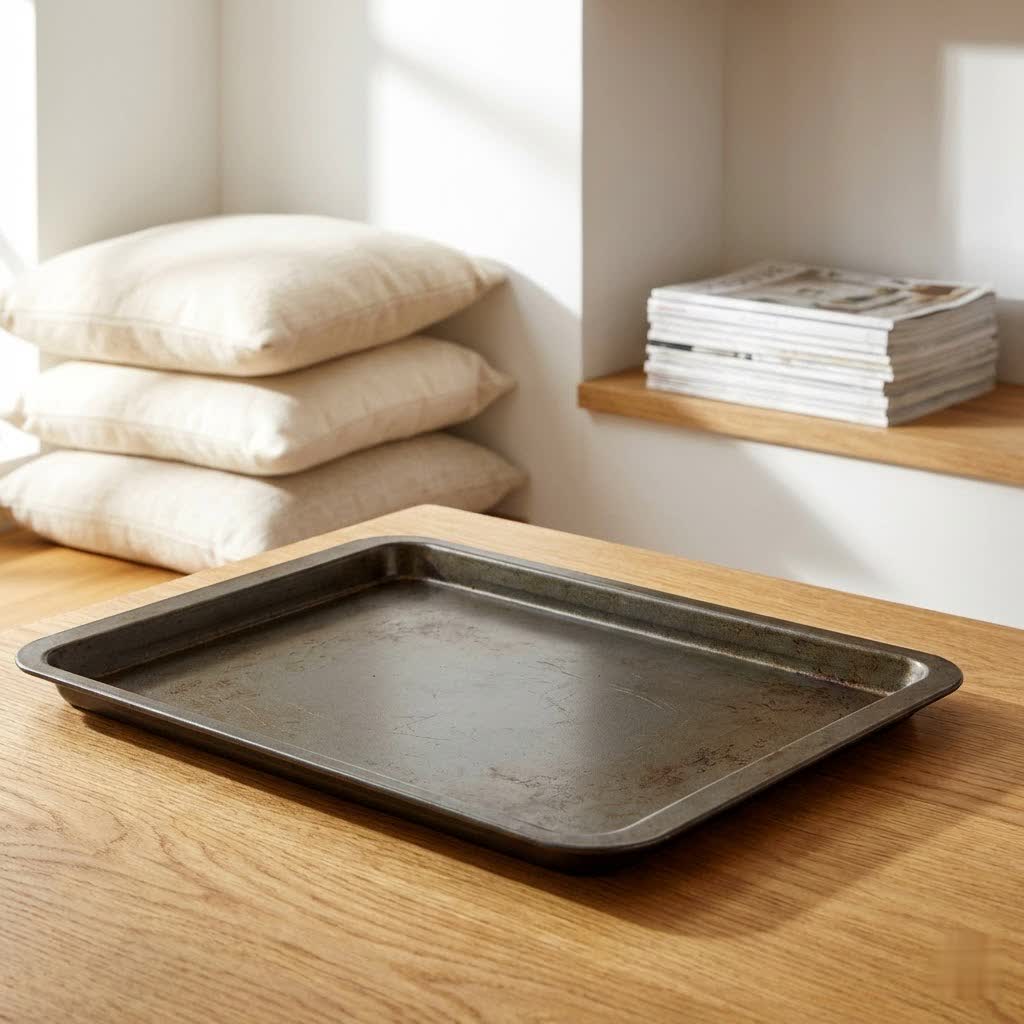
For many home bakers and culinary enthusiasts, baking tray foil is an indispensable kitchen ally. It streamlines cleanup, ensures even cooking, and can even help achieve that perfect golden crust. But with a myriad of options and applications, truly understanding how to best utilize this versatile material can elevate your baking from good to gourmet. Are you maximizing its potential, or perhaps overlooking crucial safety and usage tips? This comprehensive guide will explore everything you need to know about baking tray foil, helping you make informed choices for all your delicious creations.
Unwrapping the Essentials: Common Types of Baking Tray Foils
Baking tray foils primarily fall under the umbrella of aluminum foil, but they come in several variations, each designed for specific culinary tasks. Knowing these differences helps in selecting the right tool for the job.
- Standard Aluminum Foil: This is the everyday roll found in most kitchens. It’s versatile for general lining, covering, and wrapping. Its reflective surface helps conduct heat effectively, ensuring your baked goods cook evenly.
- Heavy-Duty Aluminum Foil: Thicker and more robust than standard foil, heavy-duty foil is ideal for roasting larger items like meats or dense vegetables. It offers superior durability, resisting tears and punctures, especially when handling heavier ingredients or higher oven temperatures.
- Non-Stick Aluminum Foil: Featuring a specialized food-safe coating on one side (typically the dull side), non-stick foil is a game-changer for sticky foods. Think cheesy casseroles, gooey brownies, or delicate fish that often adhere to regular surfaces. This coating ensures easy release and minimal mess.
- Disposable Aluminum Baking Pans: These ready-to-use containers come in various shapes and sizes, from rectangular casserole dishes and loaf pans to muffin and pie tins. They are excellent for batch cooking, transporting meals, or when you want to avoid washing your regular bakeware. They offer all the benefits of aluminum foil in a convenient pan format. The thickness, or gauge, of these pans can vary; thicker gauges offer more stability for heavier baked goods.
The Dual Nature: Advantages and Disadvantages of Baking Tray Foil
Like any kitchen tool, baking tray foil comes with its own set of pros and cons that discerning bakers should consider.
Advantages
The benefits of incorporating baking tray foil into your routine are plentiful, contributing to both efficiency and quality in the kitchen.
- Enhanced Heat Distribution and Baking Efficiency: Aluminum’s high thermal conductivity allows heat to spread quickly and evenly across your pan, promoting uniform cooking and preventing hot spots. This can lead to consistently baked products and potentially faster cooking times.
- Effortless Cleanup: Lining baking trays with foil is arguably its most celebrated advantage. It catches drips, spills, and baked-on residue, turning a laborious scrubbing task into a simple matter of discarding the used foil.
- Moisture Retention & Browning Control: When loosely tented over a dish, foil traps steam, keeping food moist and preventing the top from over-browning too quickly. Conversely, tightly sealing food with foil can create a steamy environment, ideal for certain dishes, while using it as a liner can promote crispier bottoms on cookies and brownies.
- Cost-Effectiveness and Convenience: Disposable aluminum pans are often more affordable than reusable bakeware, making them a practical choice for large-scale baking, catering, or when minimizing dishwashing is a priority. They are lightweight, stackable, and freezer-safe, simplifying storage and transport.
- Versatility in Use: From lining pans and wrapping individual food items to forming makeshift funnels or creating disposable drip trays, aluminum foil’s flexibility makes it a multi-purpose kitchen essential.
Disadvantages & Concerns
|
Our Picks for the Best Baking Tray in 2026
As an Amazon Associate I earn from qualifying purchases.
|
||
| Num | Product | Action |
|---|---|---|
| 1 | Commercial Quality Baking Sheet Pan Set, Natural Aluminum Cookie Sheet, Umite Chef Warp Resistant Baker's Half Sheet Pan, Large Thick Cookie Tray Pans for Baking, Roasting(2 Pack, 18X13In) |

|
| 2 | ROTTAY Baking Sheet with Rack Set (2 Pans + 2 Racks), Stainless Steel Cookie Sheet with Cooling Rack, Nonstick Baking Pan, Warp Resistant & Heavy Duty & Rust Free, Size 16 x 12 x 1 Inches |
|
| 3 | GoodCook Everyday Nonstick Carbon Steel 13” x 9” Baking Sheet Set, 3 Pack – Standard-Sized Carbon Steel Cooking Pans, Bakeware Set, Cookie Sheets for Baking, Oven Pan Set |
|
| 4 | GoodCook BestBake Nonstick Textured Carbon Steel Cookie Sheet, 11" x 17", Large Baking Sheet, Even Heating, Scratch-Resistant, Non-Toxic, Durable, Ideal for Baking and Sheet Pan Dinners |
|
| 5 | NutriChef 3-Piece Nonstick Kitchen Oven Baking Pans - Premium & Stylish Non-Stick Steel, Commercial Grade Restaurant Quality Metal Bakeware with Red Silicone Handles - Easy to Clean, NCSBS3S |
|
| 6 | Baking Sheet Tray Cooling Rack with Silicone Baking Mat Set, Stainless Steel Cookie Pan For Oven, Set of 9 (3 Sheets + 3 Racks + 3 Mats), Warp Resistant & Heavy Duty & Easy Clean, Red |
|
| 7 | Stainless Steel Baking Sheet Tray Cooling Rack with Silicone Baking Mat Set, Cookie Pan with Cooling Rack, Set of 9 (3 Sheets + 3 Racks + 3 Mats), 10/12/16 Inch, Easy Clean |
|
| 8 | GoodCook Everyday Nonstick Carbon Steel Baking Sheet Set, 3 Pack – Small 13” x 9”, Medium 15” x 10”, Large 17” x 11” – Carbon Steel Cooking Pans, Cookie Sheet Bakeware Set |
|
| 9 | Nordic Ware Naturals Half Sheet - USA Made Aluminum Commercial Quality Sheet Pan for Baking or Roasting, Encapsulated Galvanized Steel Rim Prevents Warping, 2-Pack |
|
| 10 | Premium Nonstick Baking Sheet Pans – Set of 3, Heavy-Gauge Carbon Steel, Warp, Dent, and Rust-Resistant – Gourmet Rimmed Half Cookie Sheet Trays, Non-Toxic for Exceptional Baking Performance |
|
Despite its many benefits, there are important considerations and potential drawbacks to using baking tray foil.
- Potential for Aluminum Leaching: A common concern is the transfer of aluminum into food. While regulatory bodies generally deem the amount safe, studies suggest that cooking highly acidic foods (like tomatoes or citrus) or salty dishes in direct contact with aluminum foil can increase leaching.
- Environmental Impact: The production of aluminum is energy-intensive. However, aluminum is highly recyclable, and recycling significantly reduces its environmental footprint compared to virgin production. Responsible disposal and recycling are crucial.
- Not for All Uses: Foil should never be used in a microwave. It’s also strongly advised against lining the bottom of your oven with foil, as it can trap heat, damage heating elements, and pose a fire hazard. For light-gauge pans, broiling is also best avoided as intense, direct heat can cause warping.
- Limited Aesthetic Appeal: While functional, aluminum foil containers typically lack the visual elegance of ceramic or glass bakeware, which might be a consideration when presentation is key.
- Reactivity with Certain Foods: Beyond leaching, aluminum can react with highly acidic or salty ingredients, potentially affecting the taste and appearance of your food.
Your Guide to Choosing and Using Baking Tray Foil
Making the right choice and applying proper techniques can significantly impact your baking results and ensure safety.
Factors to Consider When Choosing
- Recipe Requirements: Does your recipe call for lining a pan, covering a dish, or even forming a packet for baking? This will dictate the type and amount of foil needed.
- Food Type: For sticky foods, non-stick foil is your best friend. For acidic or salty dishes, consider alternatives or use parchment paper as a barrier.
- Foil Gauge/Thickness: Opt for heavy-duty foil when preparing dense, heavy items or when durability at high temperatures is paramount. Standard foil suffices for lighter applications.
- Non-Stick Feature: If easy food release and minimal residue are top priorities, investing in non-stick aluminum foil can save you time and frustration.
Best Practices for Use
- Lining Pans for Easy Release: Always line your baking sheets and pans to prevent sticking and simplify cleanup. For non-stick foil, ensure the dull, coated side is facing up, in contact with the food.
- Covering for Moisture and Even Cooking: To prevent over-browning or to retain moisture, loosely tent foil over your baking dish. For a steamy environment, seal it tightly.
- Proper Placement in the Oven: Always place foil on baking trays or directly over dishes. Never line the bottom of your oven with foil, as it can lead to uneven heating, damage heating elements, and pose a fire risk.
- Avoiding Acidic Ingredients: Minimize direct contact between aluminum foil and highly acidic foods like tomatoes, lemons, or vinegar-based marinades, especially during prolonged cooking.
- Grease if Not Non-Stick: If using standard aluminum foil, a light spray of cooking oil or a thin layer of butter can further enhance its non-stick properties, particularly for delicate baked goods.
Beyond the Shine: Comparing Baking Tray Foil with Alternatives
While baking tray foil is incredibly useful, several excellent alternatives can serve similar functions, offering different benefits, especially for those concerned about sustainability or specific cooking needs.
| Feature | Aluminum Foil | Parchment Paper | Silicone Baking Mat |
|---|---|---|---|
| Material | Aluminum | Cellulose (often silicone-coated) | Food-grade silicone |
| Heat Resistance | Up to 1220°F (melts at this point) | Up to 425-450°F (check manufacturer) | Up to 500°F (check manufacturer) |
| Non-Stick | Can be non-stick treated; otherwise, minimal | Excellent | Excellent |
| Reusability | Generally single-use; can be recycled | Limited reuse; compostable | Highly reusable; dishwasher safe |
| Best Use Cases | Lining, covering, wrapping, roasting, grilling | Lining, baking delicate items, preventing sticking, achieving soft bottoms | Lining, non-stick baking, kneading, freezing |
| Moisture Retention | Good (when sealed) | Minimal | Minimal |
Other Eco-Friendly Alternatives
For those looking to reduce their reliance on disposable products, a variety of reusable options exist:
- Glass and Ceramic Bakeware with Lids: These are excellent for casseroles, gratins, and dishes requiring a lid for moisture retention. They transition beautifully from oven to table and fridge.
- Stainless Steel Baking Pans with Lids: Offering durability and often a secure seal, these are great for baking, storing, and transporting.
- Silicone Stretch Lids or Beeswax Wraps: While not for oven use, these are fantastic for covering bowls and wrapping leftovers in the fridge, reducing the need for foil or plastic wrap for storage.
- Inverted Baking Sheets: For covering a dish in the oven, simply placing another baking sheet upside down over the pan can effectively trap heat and moisture, mimicking the effect of foil without direct contact.
- Parchment Paper: As mentioned, it’s a superb non-stick liner, especially for delicate baked goods that you want to prevent from browning too much on the bottom. According to Charry Brown, Senior Manager of the Reynolds Test Kitchen, “If you prefer softer cookie bottoms, use Reynolds Kitchens® Parchment Paper instead.”
Elevating Your Baking Game: Top Baking Tray Foil Tips
Mastering the use of baking tray foil involves more than just lining a pan. Here are a few expert tips to enhance your baking:
- Creating Foil Collars for Tall Cakes: For cakes that rise high, create a collar out of heavy-duty foil around the outside of the pan, extending above the rim. This supports the cake as it bakes, preventing spills and promoting an even rise.
- Making Disposable Drip Pans: When roasting, fashion a disposable drip pan from heavy-duty foil to catch juices and fats, saving your roasting pan from excessive mess.
- Pre-cutting Foil Sheets: For frequent bakers, pre-cutting foil sheets to fit your most used baking trays can save time during prep. Store them flat or folded for quick access.
- Using Non-Stick Foil for Browning: If you desire crispier bottoms for your baked goods like cookies or brownies, a foil-lined pan can conduct heat effectively, encouraging that desired browning.
Where to Source Your Baking Tray Foil
Baking tray foil is a widely available product, easily found in various retail environments.
- Supermarkets and Grocery Stores: These are the most common places to find a range of standard, heavy-duty, and sometimes non-stick aluminum foil from popular brands.
- Online Retailers: Websites like Amazon, specialty kitchenware stores, and even direct from manufacturer sites (like Reynolds Brands) offer extensive selections, often including bulk options or specific types of foil and disposable pans that might be harder to find locally.
- Wholesale Suppliers: For professional bakers or those who buy in large quantities, restaurant supply stores or wholesale clubs can provide cost-effective bulk purchases of both foil rolls and disposable pans.
- Considering Eco-Friendly Brands: Some brands are beginning to offer foils made from a higher percentage of recycled aluminum or promote more sustainable practices, which can be a factor for environmentally conscious consumers.
Conclusion
Baking tray foil, whether standard aluminum or specialized non-stick, remains a highly functional and convenient tool in the modern kitchen. Its ability to simplify cleanup, aid in even cooking, and preserve moisture makes it invaluable for a wide array of baking and cooking tasks. While it presents concerns regarding potential leaching with certain foods and environmental impact, these can be significantly mitigated through informed choices and responsible practices, such as recycling and judicious use with acidic ingredients. Exploring alternatives like parchment paper and silicone mats further diversifies your options, allowing you to tailor your approach to each unique recipe.
Ultimately, understanding the nuances of baking tray foil empowers you to make the best decisions for your culinary needs, ensuring delicious results while aligning with your values. So, armed with this knowledge, what will you bake next, and which foil strategy will you employ to perfect your masterpiece?
Frequently Asked Questions
Is it safe to bake directly on aluminum foil?
Yes, baking directly on aluminum foil is generally safe, as it can withstand high oven temperatures and helps conduct heat evenly. However, it’s advisable to use parchment paper or a silicone baking mat for highly acidic or salty foods to minimize potential aluminum leaching.
Which side of aluminum foil should face up when baking?
For standard aluminum foil, both sides function similarly, so it doesn’t significantly matter which side faces up. If you are using non-stick foil, the dull side is typically the coated, non-stick surface, and should be placed in contact with your food.
Can I reuse baking tray foil?
While technically possible for some light uses, aluminum foil is generally designed for single use due to hygiene concerns and potential degradation from heat and food residue. For true reusability, consider silicone baking mats or parchment paper.
What foods should not be cooked with aluminum foil?
It is best to avoid cooking highly acidic foods such as tomatoes, citrus fruits (like lemons or limes), and vinegar-based marinades, or very salty dishes in direct contact with aluminum foil, especially for extended periods, to prevent potential aluminum leaching and flavor alteration.
Can aluminum foil be used in an air fryer?
It is generally not recommended to use aluminum foil in an air fryer. It can block airflow, leading to uneven cooking, and may still leach aluminum under heat. Perforated parchment paper liners or stainless steel inserts are safer and more effective alternatives for air frying.
Get our weekly buyer guide
Practical specs, not advice. Unsubscribe anytime.

I’ve always struggled with my cookies sticking, even on non-stick pans. The tip about using non-stick foil for delicate bakes was a game-changer. My last batch of shortbread slid right off the tray without any breakage. I wish I’d known about this sooner, it’s saved me a lot of frustration.
I appreciate the breakdown of standard vs. heavy-duty foil. I tried using the standard aluminum foil for a lasagna, hoping to save a bit, but it was a bit too flimsy and I had to double-layer it to prevent tearing. It did the job, but next time I’ll stick to the thicker stuff for heavier dishes.
This guide really helped me understand the safety tips for using foil, especially about not letting acidic foods sit too long. I was guilty of leaving lemon chicken wrapped in foil overnight sometimes. Now I know better and feel much more confident in how I’m using it in my kitchen.
I used to just grab whatever foil was on sale, but after reading about the different types, I tried the heavy-duty aluminum foil for my roasted vegetables. What a difference! No tearing when I’m flipping them, and cleanup was a breeze. Definitely worth the extra few cents for the quality.