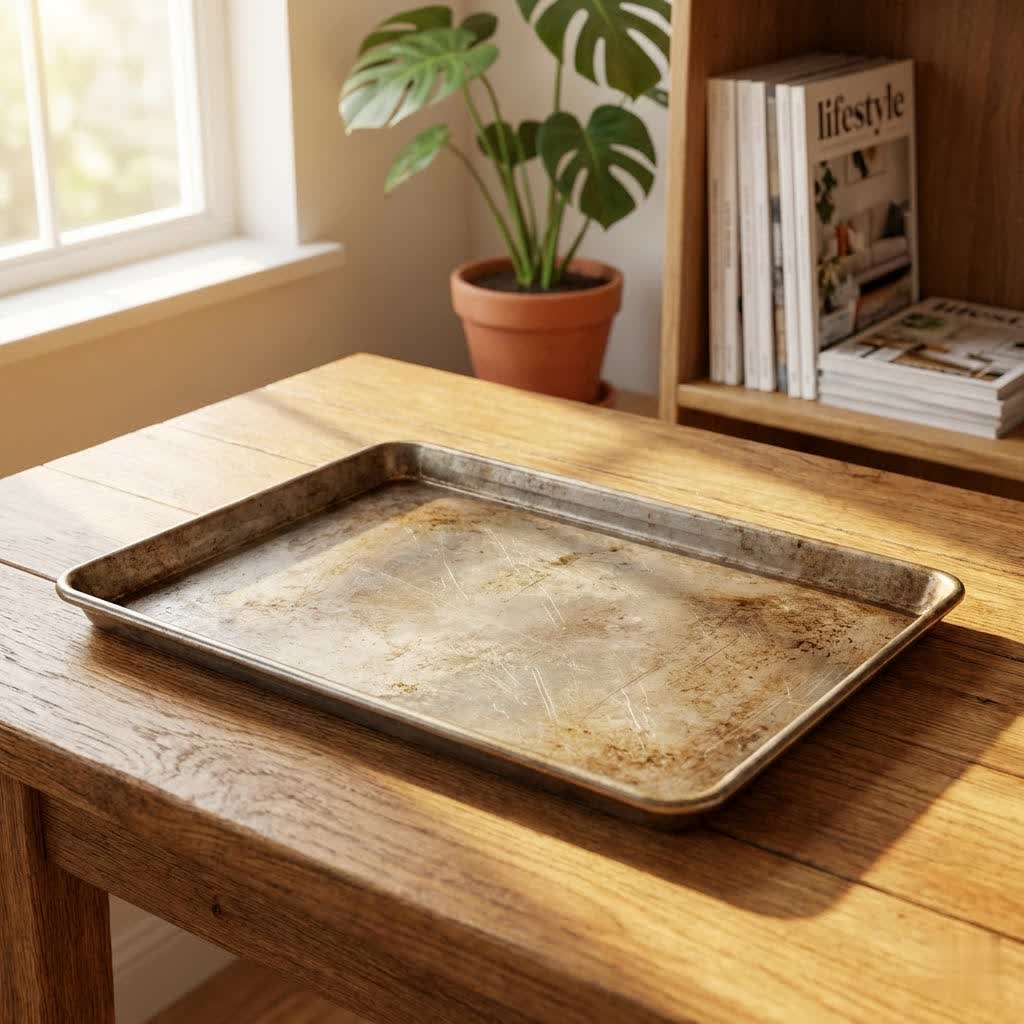
Every seasoned baker understands that while ingredients and technique are crucial, the right tools can truly elevate your culinary creations. A high-quality baking tray set is more than just a collection of pans; it’s the foundation for everything from perfectly golden cookies to evenly roasted vegetables and fluffy cakes. But with a myriad of options on the market, choosing the ideal set can feel overwhelming. As someone who has spent over a decade immersing myself in the world of kitchenware, particularly baking trays, I’m here to guide you through the essentials, helping you select a set that aligns perfectly with your baking aspirations and ensures delicious results every time.
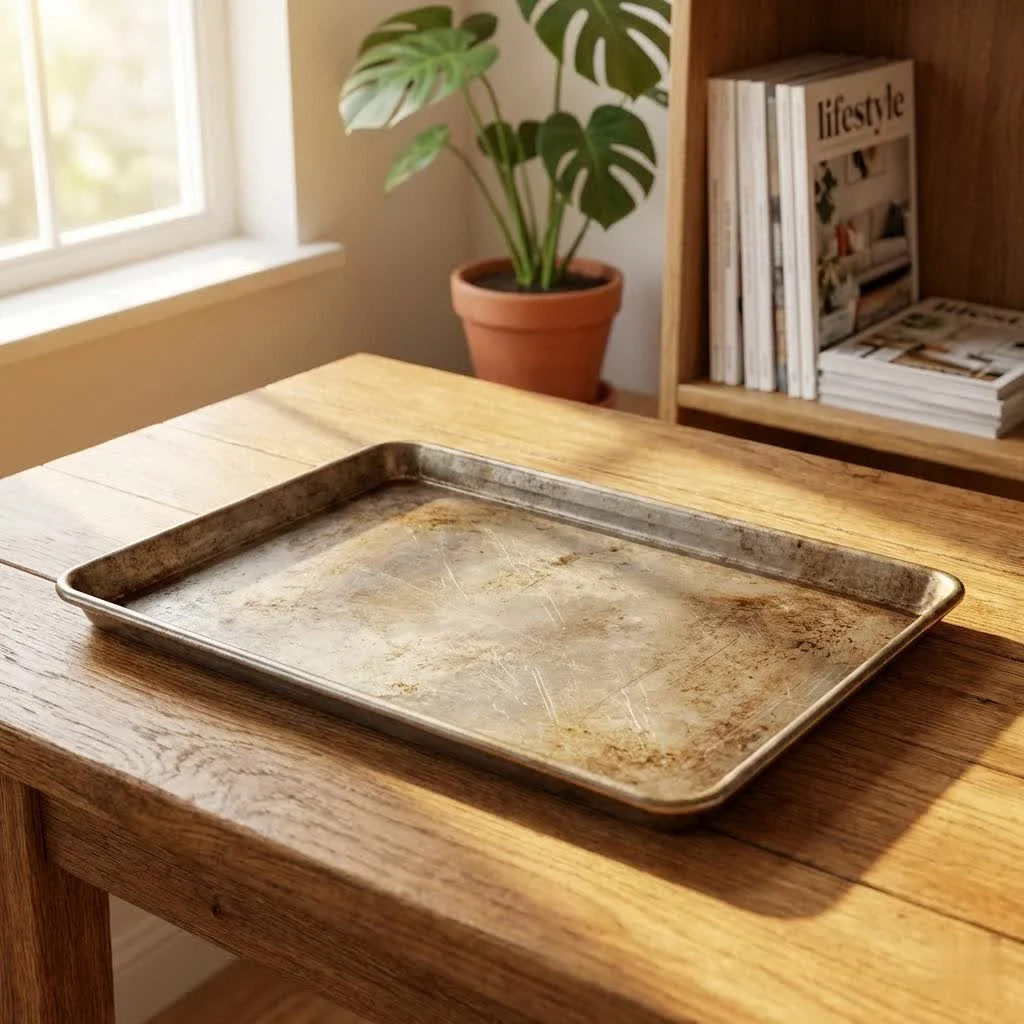
Popular Baking Tray Set Types and Their Unique Qualities
The world of baking trays is diverse, offering various materials, shapes, and sizes, each designed to excel in specific baking tasks. Understanding these differences is key to building a versatile bakeware collection. For baking trays buying guides on this site.
Exploring Baking Tray Materials
The material of your baking tray significantly impacts heat distribution, durability, and overall baking performance.
- Aluminum: A popular choice due to its excellent heat conduction, aluminum heats up quickly and evenly, making it ideal for cookies, cakes, and pastries. These pans are often lightweight and affordable, frequently featuring a non-stick coating for easy food release. However, aluminum can sometimes warp under very high temperatures or sudden temperature changes. It can also react with acidic foods, potentially altering taste or causing staining.
- Carbon Steel: Valued for its ability to heat quickly and distribute heat evenly, carbon steel is similar to stainless steel but with distinct characteristics. These pans are durable and become more non-stick over time with proper seasoning. They are excellent for achieving crispy bottoms on pizzas and roasted vegetables. The main drawback is the need for regular seasoning to maintain non-stick properties and prevent rust.
- Stainless Steel: Known for its durability and resistance to rust and stains, stainless steel is a heavy-duty, non-reactive option often favored in professional kitchens. While long-lasting and capable of withstanding high temperatures, stainless steel can sometimes heat unevenly unless it incorporates an aluminum or copper core for better heat distribution.
- Ceramic (Stoneware): Ceramic or stoneware baking pans are prized for their aesthetic appeal and superior heat retention, which promotes even cooking. They are non-reactive and often beautiful enough to go straight from oven to table, making them perfect for casseroles, pies, and slow-baked dishes. However, they are heavier, take longer to preheat, and can be prone to cracking with sudden temperature changes.
- Glass: Tempered glass pans offer a non-reactive cooking surface and the advantage of visibility, allowing you to monitor baking progress. They provide even heat distribution and retain heat well, keeping food warm longer. Like ceramic, glass is heavier, slower to heat up, and fragile, susceptible to breaking from drops or thermal shock.
- Silicone: Primarily used for molds and flexible mats, silicone offers excellent non-stick properties and is incredibly easy to clean. It’s often found in muffin pans or multi-cavity trays. While great for easy release, silicone may not always provide the desired browning, especially for items low in sugar or fat.
- Enameled Bakeware: Often seen on cast iron or steel, an enamel coating provides a shiny, non-stick-like surface, protecting the base material and offering good heat retention and even heat transfer. Enameled sets can be versatile for baking and roasting, though they are not truly non-stick and may require greasing for certain foods.
Common Components of Baking Tray Sets
|
Our Picks for the Best Baking Tray in 2026
As an Amazon Associate I earn from qualifying purchases.
|
||
| Num | Product | Action |
|---|---|---|
| 1 | GoodCook Everyday Nonstick Carbon Steel Baking Sheet Set, 3 Pack – Small 13” x 9”, Medium 15” x 10”, Large 17” x 11” – Carbon Steel Cooking Pans, Cookie Sheet Bakeware Set |

|
| 2 | ROTTAY Baking Sheet with Rack Set (2 Pans + 2 Racks), Stainless Steel Cookie Sheet with Cooling Rack, Nonstick Baking Pan, Warp Resistant & Heavy Duty & Rust Free, Size 16 x 12 x 1 Inches |
|
| 3 | GoodCook BestBake Nonstick Textured Carbon Steel Cookie Sheet, 11" x 17", Large Baking Sheet, Even Heating, Scratch-Resistant, Non-Toxic, Durable, Ideal for Baking and Sheet Pan Dinners |
|
| 4 | NutriChef 3-Piece Nonstick Kitchen Oven Baking Pans - Premium & Stylish Non-Stick Steel, Commercial Grade Restaurant Quality Metal Bakeware with Red Silicone Handles - Easy to Clean, NCSBS3S |
|
| 5 | Nordic Ware Naturals Half Sheet - USA Made Aluminum Commercial Quality Sheet Pan for Baking or Roasting, Encapsulated Galvanized Steel Rim Prevents Warping, 2-Pack |
|
| 6 | Premium Nonstick Baking Sheet Pans – Set of 3, Heavy-Gauge Carbon Steel, Warp, Dent, and Rust-Resistant – Gourmet Rimmed Half Cookie Sheet Trays, Non-Toxic for Exceptional Baking Performance |
|
| 7 | Baking Sheet Tray Cooling Rack with Silicone Baking Mat Set, Stainless Steel Cookie Pan For Oven, Set of 9 (3 Sheets + 3 Racks + 3 Mats), Warp Resistant & Heavy Duty & Easy Clean, Red |
|
| 8 | Commercial Quality Baking Sheet Pan Set, Natural Aluminum Cookie Sheet, Umite Chef Warp Resistant Baker's Half Sheet Pan, Large Thick Cookie Tray Pans for Baking, Roasting(2 Pack, 18X13In) |
|
| 9 | GoodCook Everyday Nonstick Carbon Steel 13” x 9” Baking Sheet Set, 3 Pack – Standard-Sized Carbon Steel Cooking Pans, Bakeware Set, Cookie Sheets for Baking, Oven Pan Set |
|
| 10 | Stainless Steel Baking Sheet Tray Cooling Rack with Silicone Baking Mat Set, Cookie Pan with Cooling Rack, Set of 9 (3 Sheets + 3 Racks + 3 Mats), 10/12/16 Inch, Easy Clean |
|
A comprehensive baking tray set often includes a variety of shapes and sizes to handle different culinary tasks:
- Cookie Sheets (Baking Sheets): These flat or low-rimmed trays are essential for cookies, pastries, and roasting vegetables. Some feature rims on all four sides to contain food, while rimless versions allow for easy sliding of baked goods.
- Cake Pans: Ranging from round and square pans for classic cakes and brownies to loaf pans for breads and meatloaf, and even specialty springform pans for cheesecakes.
- Muffin Tins (Cupcake Pans): With multiple individual cups, these are indispensable for muffins, cupcakes, and savory mini quiches.
- Roasting Pans: Deeper than standard baking sheets, often with higher sides and sometimes a rack, these are designed for roasting meats, poultry, and larger quantities of vegetables.
- Specialty Pans: Some sets may include pie dishes, flan tins, or even Bundt pans for specific types of baked goods.
How to Choose the Best Baking Tray Set
Selecting the right baking tray set involves considering several factors to ensure it meets your specific needs and oven’s capabilities.
Material Matters for Optimal Performance
Your primary consideration should be the material, as it dictates how food cooks. If you frequently bake delicate items like cookies and cakes, a light-colored aluminum or carbon steel with a durable non-stick coating offers excellent, even baking. For dishes requiring excellent heat retention and a visually appealing presentation, such as casseroles or gratins, ceramic or glass bakeware is ideal. For heavy-duty roasting or recipes requiring high heat, robust stainless steel or enameled pans are excellent choices. Keep in mind that darker finishes absorb more heat, often requiring a slight temperature reduction (e.g., 25°F) compared to lighter, shiny pans to prevent over-browning.
Size, Thickness, and Oven Compatibility
Consider the typical size of your batches and your oven’s dimensions. A versatile set will include a range of sizes, from smaller sheets for individual servings to larger ones for family meals. Ensure there’s adequate clearance (about 2 inches on all sides) in your oven for proper heat circulation. The thickness of the material is also vital; heavy-gauge pans are less likely to warp under high temperatures, ensuring even baking and longevity. Always check the manufacturer’s maximum temperature ratings to ensure compatibility with your oven’s capabilities.
Non-Stick vs. Natural Finishes
Many baking tray sets come with non-stick coatings, which are convenient for easy food release and cleanup. Look for durable, PFOA-free, PTFE-free, or ceramic non-stick options for health and longevity. For those who prefer natural finishes, un-coated aluminum or stainless steel are great, often benefiting from parchment paper or proper greasing. Carbon steel, when seasoned correctly, also develops natural non-stick properties.
Ease of Cleaning and Maintenance
For many, convenience is key. While some bakeware is labeled “dishwasher-safe,” hand washing with warm, soapy water is generally recommended to extend the life of most pans, especially those with non-stick coatings, as harsh detergents and high dishwasher temperatures can degrade surfaces over time. Pans with smooth surfaces and rounded corners are typically easier to clean.
Budget, Durability, and Brand Reputation
Invest in the best quality you can afford. While budget-friendly sets are available, higher-quality, heavy-gauge bakeware from reputable brands tends to perform better and last longer, making it a worthwhile investment. Look for sets with reinforced rims, which add strength and help prevent warping. Reading customer reviews can provide valuable insights into real-world performance and durability.
Comparing Popular Baking Tray Set Materials
| Material | Durability | Heat Conduction | Non-stick Properties | Reactivity | Best Use | Cleaning & Care |
|---|---|---|---|---|---|---|
| Aluminum | Medium | Excellent | Often coated, good release | Reactive to acidic foods | Cookies, cakes, pastries, quick breads | Hand wash recommended; avoid abrasive scrubbers |
| Carbon Steel | High | Very Good | Develops with seasoning | Low | Pizza, roasted vegetables, crispy bakes | Requires seasoning; hand wash, dry thoroughly |
| Stainless Steel | Very High | Fair to Good | Generally not non-stick | Non-reactive | Roasting, high-heat baking, heavy-duty | Dishwasher safe options, but hand wash prolongs |
| Ceramic/Stoneware | Medium (can chip/crack) | Good (retains heat well) | Naturally less sticky, often glazed | Non-reactive | Casseroles, pies, slow-baked dishes | Hand wash, avoid sudden temperature changes |
| Glass | Medium (fragile) | Good (retains heat well) | Naturally less sticky | Non-reactive | Lasagnas, casseroles, visually appealing dishes | Dishwasher safe, avoid thermal shock |
| Silicone | High (flexible) | Fair (insulator) | Excellent natural non-stick | Non-reactive | Muffins, cupcakes, delicate molds | Dishwasher safe, easy to clean |
| Enameled | High | Good | Glazed surface, easy release | Non-reactive | Roasting, casseroles, baking breads | Hand wash, avoid harsh abrasives |
Tips for Using and Maintaining Your Baking Tray Set
Proper use and diligent care are paramount to extending the lifespan of your baking tray set and ensuring consistent performance.
- Initial Preparation: Before first use, wash all pieces in warm, soapy water to remove manufacturing residues. Dry thoroughly.
- Always Preheat (Wisely): Ensure your pans are not empty in a hot oven for prolonged periods, as this can cause warping, especially for thinner metals.
- Prevent Sticking: Even with non-stick coatings, lightly greasing or lining with parchment paper can further improve food release and simplify cleanup. For carbon steel, ensure it’s well-seasoned.
- Mind Your Utensils: Avoid metal spatulas or knives on non-stick surfaces, as they can scratch and damage the coating. Opt for silicone, wood, or plastic utensils.
- Cool Before Cleaning: Allow your baking trays to cool completely to room temperature before washing. Submerging hot metal into cold water can lead to warping.
- Gentle Cleaning: Hand washing with warm, soapy water and a soft sponge or cloth is generally the safest approach for most bakeware, even those labeled dishwasher-safe. Avoid abrasive pads, steel wool, or harsh chemical cleaners, as these can strip non-stick coatings or scratch surfaces.
- Tackling Stubborn Residue: For burnt-on food, soak the pan in warm, soapy water for a few hours. A paste made of baking soda and vinegar can also work wonders for tough stains.
- Thorough Drying: Always dry your bakeware completely before storing to prevent rust, especially for carbon steel or tin-plated steel.
- Smart Storage: Stack cookie sheets and flat pans to save space, perhaps with a layer of paper towels or soft cloths between them to prevent scratches. For oddly shaped pans, consider storing them in soft bags or pillowcases to protect their surfaces.
“A well-chosen baking tray set is an investment in countless delicious meals and cherished baking moments. Treat your bakeware with care, and it will serve you faithfully for years to come.” – Admin, ReviewWyse.com
Top Baking Tray Sets to Consider
When looking for a new baking tray set, several brands consistently receive high praise for their quality and performance.
- Nordic Ware: Often recommended for their natural aluminum pans, known for even heat distribution and durability. Their sets frequently include a versatile range of pieces.
- USA Pan: Highly rated for its aluminized steel bakeware with unique fluted surfaces that promote airflow and even baking, often featuring a durable non-stick coating.
- Caraway: Popular for its ceramic-coated non-stick bakeware, which is often PFOA/PFAS-free and comes in aesthetically pleasing colors, offering a premium baking experience.
- Farberware & Figmint: Offer reliable and often more budget-friendly non-stick bakeware sets that provide good everyday performance.
- Le Creuset: While pricier, their enameled stoneware and cast iron pieces offer exceptional heat retention and durability, making them a long-term investment for serious bakers.
- Pyrex: A classic choice for glass bakeware, known for its transparency for monitoring baking and its non-reactive properties, ideal for casseroles and fruit-based dishes.
Where to Buy Baking Tray Sets
Baking tray sets are widely available, both online and in physical stores.
- Online Retailers: Websites like Amazon, Wayfair, Target, and specialty kitchenware sites offer extensive selections, competitive pricing, and the convenience of home delivery. Always check customer reviews and return policies.
- Department Stores: Stores such as Macy’s, Kohl’s, and Bed Bath & Beyond often carry a range of popular brands and allow you to see and feel the products before purchasing.
- Specialty Kitchen Stores: Shops dedicated to kitchenware may offer a more curated selection of high-end or niche bakeware, with knowledgeable staff to assist you.
- Supermarkets/Hypermarkets: Many large grocery stores offer basic and budget-friendly bakeware sets, which can be a good starting point for new bakers or those with specific, simple needs.
Conclusion
The journey to baking perfection is significantly enhanced by having the right tools, and a well-curated baking tray set is undeniably at the heart of any efficient kitchen. By understanding the characteristics of different materials, carefully considering your baking habits and oven compatibility, and committing to proper care, you can select a set that will perform flawlessly for years to come. From delicate pastries to hearty roasts, the right baking tray set empowers you to create with confidence and joy.
What culinary masterpieces are you eager to create with your next baking tray set?
Frequently Asked Questions
What is the best material for a baking tray set?
The “best” material depends on your baking needs. Aluminum is excellent for even heat and quick baking, while carbon steel provides crispy results. Ceramic and glass are ideal for heat retention in casseroles, and stainless steel offers robust durability. Non-stick coatings are popular for ease of use and cleaning.
How many pieces should be in a baking tray set?
For most home bakers, a versatile baking tray set typically includes 5-7 essential pieces. This often covers a variety of needs, such as a cookie sheet, a round cake pan, a square pan, a loaf pan, and a muffin tin, providing a good foundation for diverse recipes.
Can I put my non-stick baking trays in the dishwasher?
While some non-stick baking trays are labeled dishwasher-safe, hand washing is generally recommended. The harsh detergents and high temperatures in dishwashers can degrade non-stick coatings over time, reducing their effectiveness and lifespan.
How do I prevent my baking trays from warping?
To prevent warping, choose heavy-gauge bakeware that is less prone to distortion. Always allow your trays to cool completely before washing, as sudden temperature changes (thermal shock) are a common cause of warping. Avoid placing empty pans in a hot oven for extended periods.
What’s the difference between a baking sheet and a baking tray?
The terms are often used interchangeably, but generally, a baking sheet typically has one or no raised edges, making it easy to slide baked goods off. A baking tray (or sheet pan) usually has four raised edges to contain liquids and food, making it versatile for roasting, baking, and even casseroles.
Get our weekly buyer guide
Practical specs, not advice. Unsubscribe anytime.
