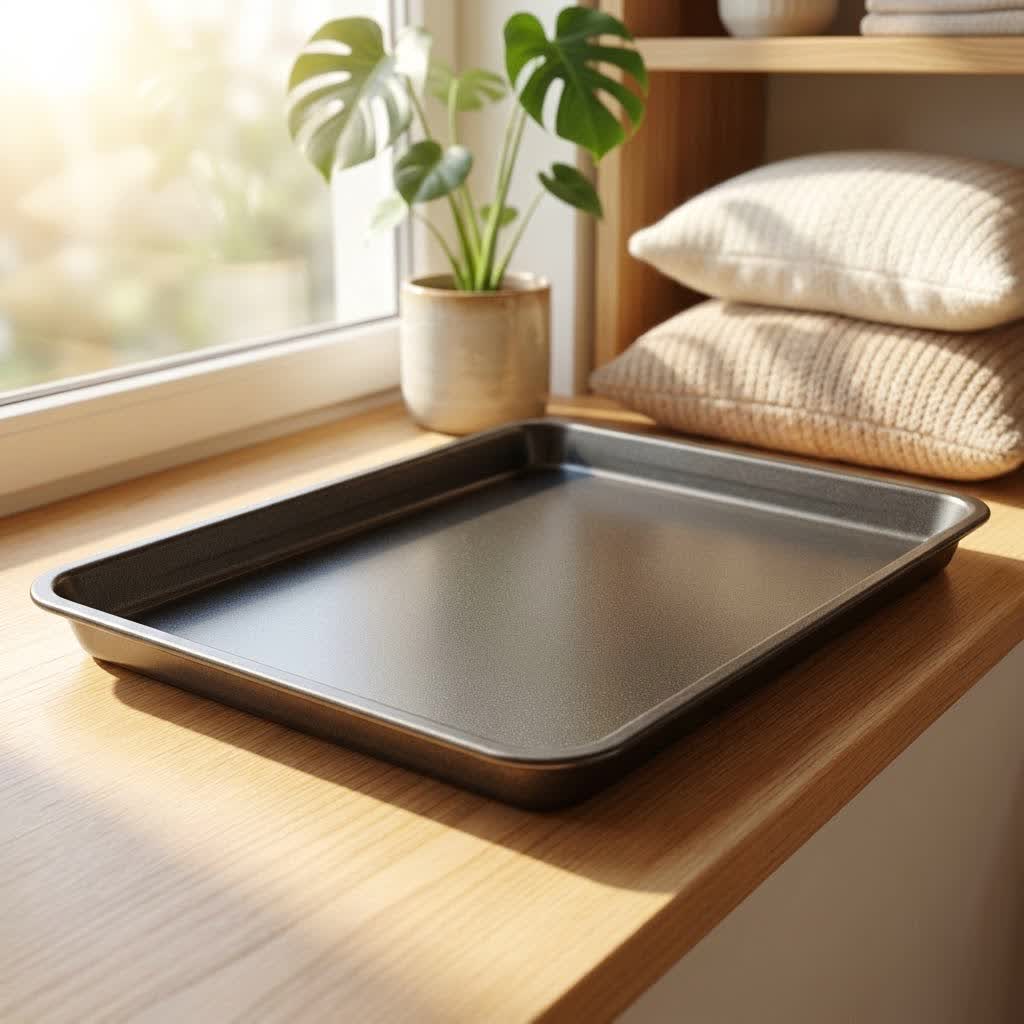
Imagine biting into a slice of focaccia: a golden-brown, irresistibly crispy bottom crust, a wonderfully airy and chewy interior, and that distinct olive oil aroma. Achieving this dream isn’t just about the dough or the oven; it’s profoundly influenced by one often-overlooked hero of your kitchen – the baking tray. For many home bakers, the quest for the perfect focaccia begins and ends with understanding how the right pan can transform your bread from good to extraordinary.
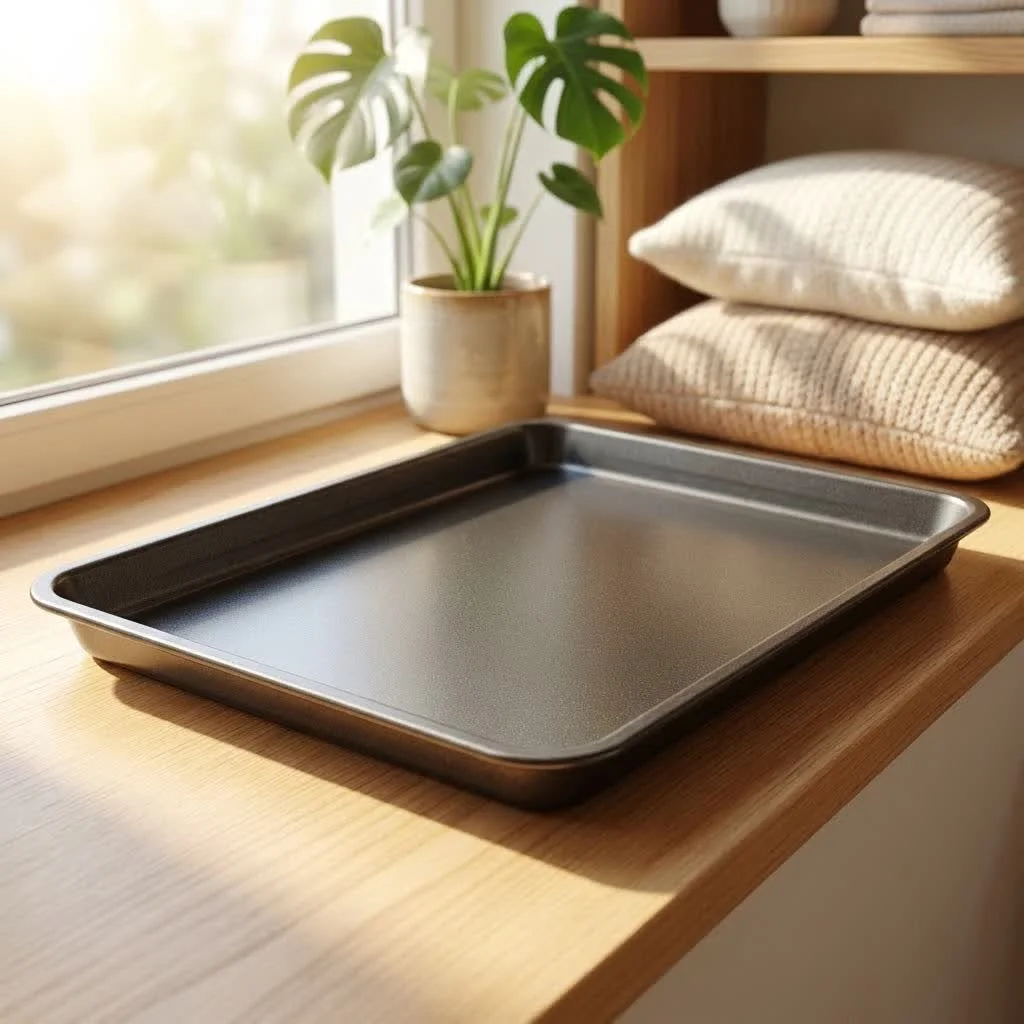
Understanding Focaccia Baking Trays: Materials Matter for the Perfect Crust
The material of your focaccia baking tray is the single most critical factor in determining the final texture and color of your bread, especially that coveted crispy bottom crust. Different materials conduct heat differently, leading to varied baking results. For best baking trays roundups on this site.
Dark Aluminum and Aluminum-Steel Pans: The Conductivity Champions
For a focaccia with a truly golden, crispy bottom and even browning, dark aluminum or aluminum-steel pans are widely regarded as the top choice. Their high thermal conductivity ensures that heat transfers efficiently and quickly to the dough, promoting a robust Maillard reaction on the crust. A darker finish on these pans further enhances heat absorption, leading to faster and more thorough browning. The result is a focaccia that’s beautifully caramelized on the outside while maintaining a tender, moist, and chewy crumb within.
Cast Iron: For Unmatched Crispiness and Heat Retention
Cast iron pans and skillets are celebrated for their exceptional heat retention, which can produce an incredibly crispy focaccia crust. Once heated, cast iron holds a consistent temperature, contributing to a deep, even color and crunch. While they take longer to preheat than aluminum, the wait is often worth it for the results. Cast iron is particularly favored for achieving a “fried” bottom crust, reminiscent of Detroit-style pizza. However, their weight and specific care requirements (seasoning, avoiding harsh soaps) are considerations.
Glass, Ceramic, and Stoneware Pans: For a Softer Focaccia
If your preference leans towards a focaccia with a lighter, softer crust and a more cake-like texture, then glass, ceramic, or stoneware pans might be suitable. These materials are less conductive than metal, meaning they heat up slower and don’t transfer heat as intensely to the dough. This results in a less pronounced browning and crisping of the bottom crust. A common challenge with these materials can be sticking, even with ample oil, and they may not provide the desired structural integrity for a traditional focaccia.
Stainless Steel and Shiny Disposable Aluminum: Best Avoided
|
Our Picks for the Best Baking Tray in 2026
As an Amazon Associate I earn from qualifying purchases.
|
||
| Num | Product | Action |
|---|---|---|
| 1 | Stainless Steel Baking Sheet Tray Cooling Rack with Silicone Baking Mat Set, Cookie Pan with Cooling Rack, Set of 9 (3 Sheets + 3 Racks + 3 Mats), 10/12/16 Inch, Easy Clean |

|
| 2 | NutriChef 3-Piece Nonstick Kitchen Oven Baking Pans - Premium & Stylish Non-Stick Steel, Commercial Grade Restaurant Quality Metal Bakeware with Red Silicone Handles - Easy to Clean, NCSBS3S |
|
| 3 | Nordic Ware Naturals Half Sheet - USA Made Aluminum Commercial Quality Sheet Pan for Baking or Roasting, Encapsulated Galvanized Steel Rim Prevents Warping, 2-Pack |
|
| 4 | ROTTAY Baking Sheet with Rack Set (2 Pans + 2 Racks), Stainless Steel Cookie Sheet with Cooling Rack, Nonstick Baking Pan, Warp Resistant & Heavy Duty & Rust Free, Size 16 x 12 x 1 Inches |
|
| 5 | GoodCook BestBake Nonstick Textured Carbon Steel Cookie Sheet, 11" x 17", Large Baking Sheet, Even Heating, Scratch-Resistant, Non-Toxic, Durable, Ideal for Baking and Sheet Pan Dinners |
|
| 6 | Baking Sheet Tray Cooling Rack with Silicone Baking Mat Set, Stainless Steel Cookie Pan For Oven, Set of 9 (3 Sheets + 3 Racks + 3 Mats), Warp Resistant & Heavy Duty & Easy Clean, Red |
|
| 7 | GoodCook Everyday Nonstick Carbon Steel 13” x 9” Baking Sheet Set, 3 Pack – Standard-Sized Carbon Steel Cooking Pans, Bakeware Set, Cookie Sheets for Baking, Oven Pan Set |
|
| 8 | Premium Nonstick Baking Sheet Pans – Set of 3, Heavy-Gauge Carbon Steel, Warp, Dent, and Rust-Resistant – Gourmet Rimmed Half Cookie Sheet Trays, Non-Toxic for Exceptional Baking Performance |
|
| 9 | Commercial Quality Baking Sheet Pan Set, Natural Aluminum Cookie Sheet, Umite Chef Warp Resistant Baker's Half Sheet Pan, Large Thick Cookie Tray Pans for Baking, Roasting(2 Pack, 18X13In) |
|
| 10 | GoodCook Everyday Nonstick Carbon Steel Baking Sheet Set, 3 Pack – Small 13” x 9”, Medium 15” x 10”, Large 17” x 11” – Carbon Steel Cooking Pans, Cookie Sheet Bakeware Set |
|
Stainless steel on its own is generally less conductive than aluminum, potentially leading to uneven baking and less browning on the bottom. Shiny, disposable aluminum pans are typically the least effective choice for focaccia. Their reflective surface deflects heat rather than absorbing it, often resulting in an underbaked, pale, and “flabby” focaccia that lacks the signature crispness.
Material Comparison for Focaccia Baking Trays
| Material | Heat Conductivity | Crust Result | Interior Result | Key Advantages | Key Disadvantages |
|---|---|---|---|---|---|
| Dark Aluminum | Excellent | Deep gold, very crispy | Moist, chewy | Fast, even heat; superior browning | Can scratch easily |
| Aluminum-Steel | Excellent | Moderately crispy | Moist, chewy | Good browning, durable | Slightly less crispy than dark aluminum |
| Cast Iron | Good, retains heat | Very crispy, deep brown | Moist, rich | Excellent heat retention, durable, non-stick (when seasoned) | Heavy, slow to heat, requires seasoning |
| Glass/Ceramic | Low | Light, softer, less crispy | More cake-like | Visually appealing for serving | Slower baking, potential sticking |
| Stainless Steel | Moderate | Lighter, less crispy | Can be uneven | Durable, non-reactive | Less conductive for optimal crust |
| Shiny Disposable Aluminum | Poor | Pale, underbaked, soft | Gummy | Disposable, lightweight | Poor heat distribution, bad results |
Choosing the Right Focaccia Baking Tray Size and Shape
Beyond material, the dimensions of your baking tray play a crucial role in controlling the thickness and overall texture of your focaccia.
Standard Rectangular Pans
The most common and versatile pans for focaccia are rectangular baking sheets or rimmed pans.
- 9×13 inch (approx. 23×33 cm): This is a highly popular size, offering a good balance for family-sized focaccia that’s neither too thin nor too thick. Many recipes are scaled for this size.
- Half-Sheet Pan (approx. 18×13 inch or 45×33 cm): Ideal for larger batches, providing a thinner focaccia with a greater surface area for toppings and crispy edges.
- Quarter-Sheet Pan (approx. 12×9 inch or 30×23 cm): Perfect for smaller households or when you desire a thicker focaccia loaf.
Loaf Pans for Small-Batch Focaccia
For those who crave focaccia but don’t want a large slab, a standard 9×5 inch (approx. 23×13 cm) or 8.5×4.5 inch (approx. 21.5×11.5 cm) loaf pan is an excellent alternative. This allows for a thicker, more sandwich-friendly focaccia with abundant crispy edges, providing a delightful ratio of crust to crumb in every bite.
Round Pans: The Cast Iron Skillet Advantage
While not traditional, many bakers successfully use 10-inch or 12-inch cast iron skillets to create beautiful round focaccia. The skillet’s sloped sides and superior heat retention are fantastic for developing a deeply browned and exceptionally crispy crust.
The Importance of Pan Depth
Regardless of shape, look for a pan with a depth of at least 1.5 to 2 inches (3.8 to 5 cm). This allows the dough sufficient room to rise without overflowing and helps create a desirable airy texture. Deeper pans are also beneficial for retaining the olive oil at the bottom, which is key for developing that signature crispy base.
Essential Features for a Perfect Focaccia Baking Tray
A great focaccia tray isn’t just about material and size; certain features can significantly enhance your baking experience and results.
Non-Stick Properties
While generous olive oil is crucial for focaccia, a good non-stick coating or a well-seasoned pan (like cast iron) can make a world of difference for easy release and cleanup. Look for durable, PFOA-free non-stick finishes on aluminum pans.
Durability and Construction
A heavy-duty pan that resists warping is a wise investment. Thicker gauge aluminum or steel pans with robust construction, such as welded corners, will last longer and provide more consistent baking performance. Avoid flimsy pans that can buckle under high heat.
Rims and Handles
Rimmed baking trays are essential to contain the olive oil and the dough as it bakes. Some specialized focaccia pans may feature slightly higher sides. While not strictly necessary, pans with sturdy handles can make it easier to transfer the hot focaccia from the oven.
Pan Color
As discussed, a darker pan color, especially on metal, contributes to better heat absorption and browning. For focaccia, a dark grey or black pan is generally preferred over a shiny, light-colored one for optimal crust development.
Tips for Using Your Focaccia Baking Tray for Ultimate Crispiness
Even with the perfect pan, a few techniques can help you maximize its potential and achieve focaccia perfection.
Embrace the Olive Oil
Focaccia loves olive oil. Be generous. Coat the bottom and sides of your pan with a substantial layer of extra virgin olive oil – often 3-6 tablespoons or even more, depending on the pan size. This oil essentially “deep fries” the bottom crust in the oven, creating an incredibly crispy and flavorful base. Don’t be shy about drizzling more over the top of the dough before baking.
The Parchment Paper Debate
If you’re concerned about sticking, especially with less conductive pans like glass, or if your recipe calls for it, lining the bottom of your pan with parchment paper is a simple solution. Make sure to still oil the parchment generously. Some bakers even butter the pan lightly before laying down parchment and oiling, as an extra layer of stick prevention.
Preheat with Purpose
For an even crispier bottom crust, consider preheating a baking steel or pizza stone on the lower rack of your oven. Placing your focaccia pan directly on this preheated surface can provide an extra burst of heat to the bottom of the pan, simulating a brick oven effect.
Mind the Temperature
Darker, more conductive pans will brown focaccia faster. If you switch from a lighter pan to a dark aluminum pan, you might need to slightly reduce your oven temperature or baking time to prevent over-browning. Always keep an eye on your focaccia as it bakes.
Cool on a Wire Rack
Once your focaccia is baked to golden perfection, remove it from the pan relatively quickly and let it cool on a wire rack. This prevents condensation from building up on the bottom, which can make the crust soggy.
Top Recommended Focaccia Baking Trays
Several brands consistently receive high praise from home bakers for their focaccia performance:
- USA Pan Bakeware: Known for its heavy-gauge aluminized steel with a unique fluted surface and silicone non-stick coating, USA Pan offers excellent heat distribution and release, contributing to beautifully browned focaccia. They come in various common sizes, including 9×13 inch.
- Lloyd Pans: These professional-grade, anodized aluminum or steel pans, often associated with Detroit-style pizza, are also fantastic for focaccia. Their dark, stick-resistant coating and durable construction make them a favorite for achieving exceptionally crispy crusts.
- Nordic Ware: A reliable choice for aluminum baking sheets, Nordic Ware provides sturdy, even-heating pans that are versatile for many baking needs, including focaccia. Many bakers use their half-sheet or quarter-sheet pans with great success.
Investing in a quality pan from these brands can significantly upgrade your focaccia baking experience, offering consistent results and durability for years to come.
Where to Buy Your Focaccia Baking Tray
Finding the ideal focaccia baking tray is easier than ever with numerous options available.
- Online Retailers: Websites like Amazon, Williams Sonoma, King Arthur Baking, and the direct brand websites (USA Pan, Lloyd Pans) offer a vast selection. Shopping online provides the convenience of comparing prices and reading reviews, though always be mindful of shipping costs and return policies.
- Specialty Kitchen Stores: Stores dedicated to bakeware often carry high-quality, professional-grade options that might not be available at larger retailers. Staff can also provide expert advice.
- Department Stores: Larger department stores with well-stocked kitchen sections may carry reputable brands of baking sheets suitable for focaccia.
- Restaurant Supply Stores: For the most heavy-duty and commercial-grade aluminum sheet pans, restaurant supply stores are an excellent resource, often at competitive prices.
When purchasing, consider the pan’s material, size, and depth relative to your baking needs. Read customer reviews for insights into real-world performance and durability. A well-chosen focaccia baking tray is an investment that will pay dividends in delicious, perfectly baked bread for years.
Conclusion
The journey to baking the ultimate focaccia is deeply intertwined with the equipment you choose. As we’ve explored, the right focaccia baking tray – preferably a dark aluminum or cast iron model – is paramount for achieving that signature crispy bottom and perfectly chewy interior. Understanding how pan material, size, and features impact heat distribution and browning will empower you to make informed decisions that elevate your baking. By pairing a quality pan with generous olive oil and proper baking techniques, you’re well on your way to creating focaccia that delights the senses and earns rave reviews. So, are you ready to choose your perfect focaccia companion and transform your kitchen into an Italian bakery?
Frequently Asked Questions
What is the best material for a focaccia baking tray?
Dark aluminum or anodized aluminum-steel pans are generally considered the best due to their excellent heat conductivity, which results in a crispy, golden-brown bottom crust and a well-baked interior. Cast iron also excels for crispiness and heat retention.
Can I use a glass pan for focaccia?
While you can technically bake focaccia in a glass pan, it typically yields a softer, lighter crust that is less crispy than what you would achieve with a metal pan. Glass is less conductive and bakes slower, potentially leading to a more cake-like texture.
What size pan is best for focaccia?
A 9×13 inch rectangular pan is a very popular and versatile size for focaccia, suitable for most home bakers. Half-sheet pans (18×13 inch) are great for thinner focaccia, while quarter-sheet pans or loaf pans can be used for smaller, thicker loaves.
How do I prevent focaccia from sticking to the pan?
The most effective way to prevent sticking is to use a generous amount of olive oil to coat the bottom and sides of your baking tray. For extra assurance, especially with pans prone to sticking, you can also line the pan with parchment paper before oiling it.
Does the color of the baking pan matter for focaccia?
Yes, the color of the pan significantly matters. Darker pans absorb heat more efficiently than shiny, light-colored pans, leading to faster, more even browning and a crispier crust. This is why dark aluminum is often recommended for focaccia.
How deep should a focaccia baking tray be?
Ideally, a focaccia baking tray should have a depth of at least 1.5 to 2 inches (3.8 to 5 cm). This depth provides ample space for the dough to rise properly and contains the liberal amounts of olive oil needed for a great focaccia crust.
Get our weekly buyer guide
Practical specs, not advice. Unsubscribe anytime.

I always thought my dough was the issue, but it turns out my old flimsy baking sheet was the real culprit! After reading about the importance of pan material, I switched to a proper focaccia tray, and the difference is night and day. My focaccia now has that distinct olive oil aroma and a truly extraordinary texture. Highly recommend paying attention to your bakeware.
I tried one of the aluminum-steel pans mentioned, and while the focaccia was good, I still had a bit of sticking around the edges. I followed all the oiling tips, but it wasn’t quite as non-stick as I’d hoped. Maybe it’s just my oven, but I was expecting a completely effortless release. It’s decent, but not perfect.
This was super helpful for understanding why my focaccia sometimes turns out a bit soggy on the bottom. The explanation about how different materials conduct heat really clicked for me. I’m definitely going to try a heavier gauge dark aluminum tray next time to get that airy and chewy interior with a better crust.
I’ve been struggling to get that perfect crispy bottom on my focaccia for ages, and this guide on dark aluminum pans was a game-changer. My last batch came out with the most incredible golden-brown crust, just like the bakery! It really does make a huge difference, and I’m so glad I finally invested in a good quality pan.