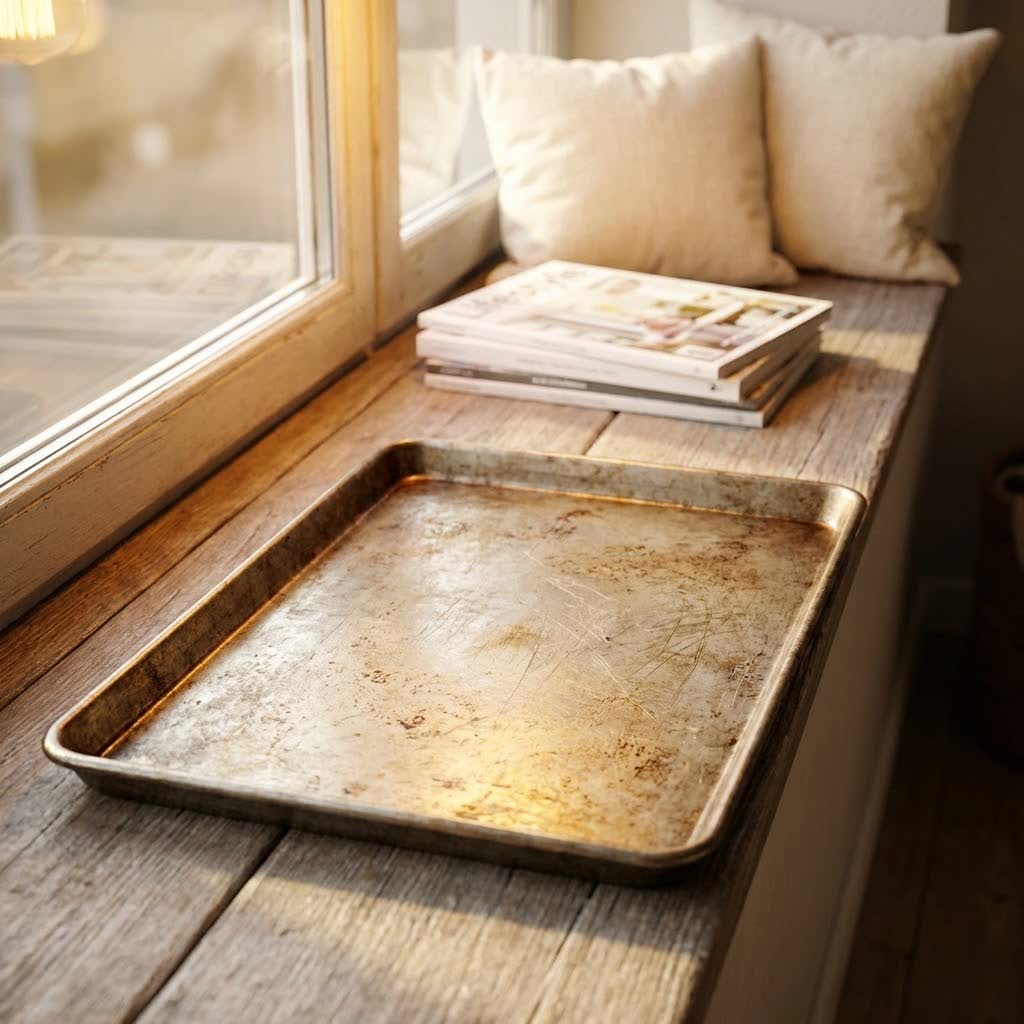
Baking is an art, and with the right tools, every creation becomes a masterpiece. The mini loaf baking tray has emerged as a must-have for home bakers, offering a charming solution for individual portions, thoughtful gifts, and small-batch experiments. Whether you’re whipping up a quick breakfast bread or a savory side dish, understanding the nuances of these versatile pans can improve your baking experience.
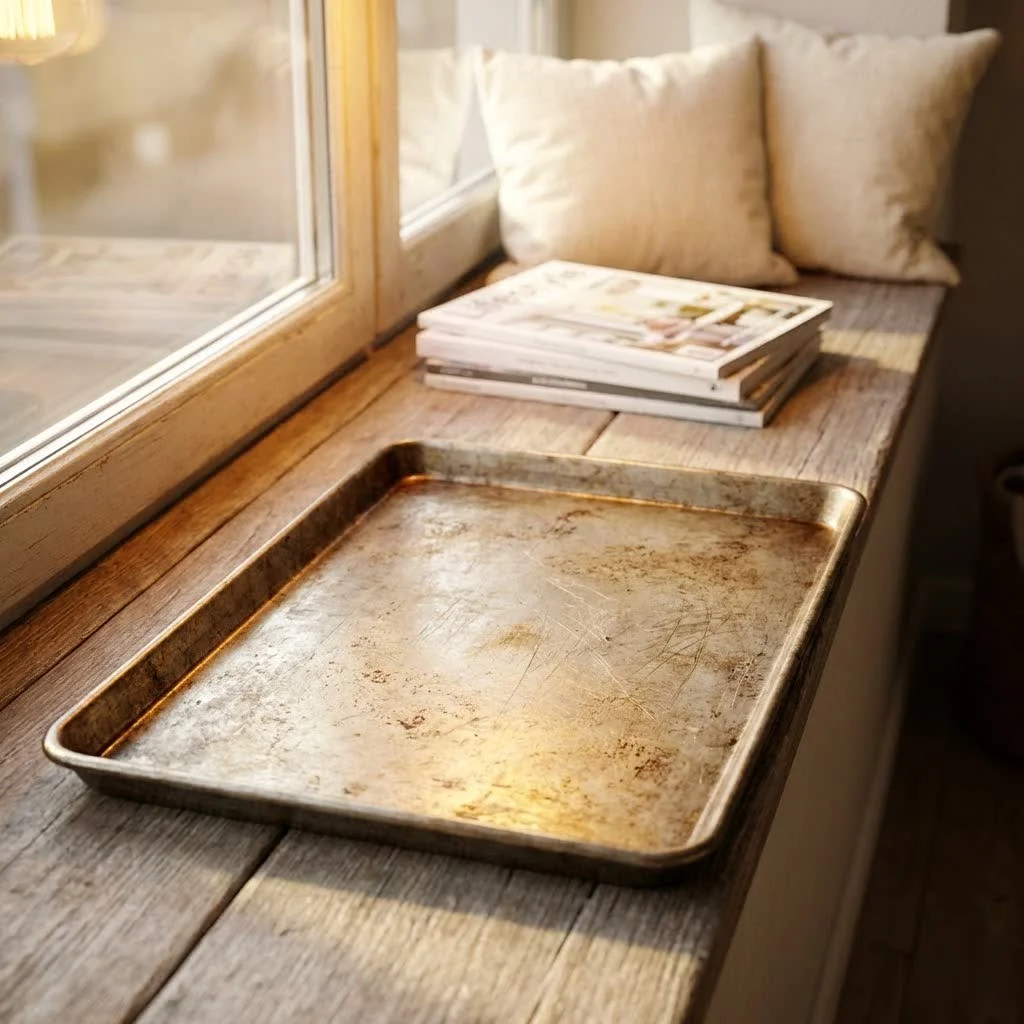
Popular Types of Mini Loaf Baking Trays
Mini loaf pans come in a variety of materials and configurations, each impacting the baking process and final product. Knowing the characteristics of each type will help you select the best pan for your culinary adventures.
Materials and Their Properties
- Aluminized Steel: Often considered professional-grade, aluminized steel offers excellent heat conduction and durability. When coated with a non-stick finish, it provides superior release and easy cleanup, contributing to an even bake and consistent rise. These pans are generally heavy-duty and resistant to warping.
- Non-stick Steel: Similar to aluminized steel, non-stick steel pans are prized for their easy food release and straightforward cleaning. They are durable but can be susceptible to scratching if not handled with care, so using appropriate utensils is crucial.
- Silicone: Flexible and naturally non-stick, silicone mini loaf pans make demolding baked goods incredibly easy. However, they may not brown as evenly as metal pans and can sometimes be a bit floppy without a reinforced frame, potentially affecting the shape of your loaves.
- Ceramic: These pans are aesthetically pleasing, making them perfect for oven-to-table serving. Ceramic provides excellent, even heat distribution, which can result in a beautiful golden crust. They are heavier and more fragile than metal pans, requiring careful handling to prevent chipping or cracking.
- Cast Iron: Known for its exceptional durability and heat retention, cast iron delivers superb browning. While it requires seasoning to become non-stick and can be heavy, a well-cared-for cast iron mini loaf pan can last a lifetime.
- Aluminum: Lightweight with excellent heat conduction, aluminum pans ensure even baking. While often requiring thorough greasing to prevent sticking, they are a solid choice for consistent results.
- Disposable Aluminum Foil: Convenient for gifting and easy cleanup, these are often used for bake sales or holiday treats. They generally require greasing and might not provide the same even browning as heavier, reusable pans.
Common Shapes and Sizes
Mini loaf pans are typically smaller than standard loaf pans (which are usually 8.5×4.5 inches or 9×5 inches). You’ll often find them in individual cavities or as multi-cavity trays (e.g., 8-well pans). Common individual mini loaf pan dimensions include:
- 4.5 x 2.5 inches (yielding 3-4 mini loaves from a standard 9×5 recipe)
- 5 x 3 inches (yielding 2-3 mini loaves from a standard 9×5 recipe)
- 6 x 3 inches (yielding 1-2 mini loaves from a standard 9×5 recipe)
The capacity of mini loaf pans can range from approximately 8 to 24 ounces (or 1.5 to 3 cups), making them ideal for single servings or small treats.
How to Choose the Best Mini Loaf Baking Tray
Selecting the perfect mini loaf pan involves considering several factors to match your baking style and desired outcomes.
Key Factors to Consider
|
Our Picks for the Best Baking Tray in 2026
As an Amazon Associate I earn from qualifying purchases.
|
||
| Num | Product | Action |
|---|---|---|
| 1 | GoodCook Everyday Nonstick Carbon Steel 13” x 9” Baking Sheet Set, 3 Pack – Standard-Sized Carbon Steel Cooking Pans, Bakeware Set, Cookie Sheets for Baking, Oven Pan Set |

|
| 2 | Commercial Quality Baking Sheet Pan Set, Natural Aluminum Cookie Sheet, Umite Chef Warp Resistant Baker's Half Sheet Pan, Large Thick Cookie Tray Pans for Baking, Roasting(2 Pack, 18X13In) |
|
| 3 | Nordic Ware Naturals Half Sheet - USA Made Aluminum Commercial Quality Sheet Pan for Baking or Roasting, Encapsulated Galvanized Steel Rim Prevents Warping, 2-Pack |
|
| 4 | Baking Sheet Tray Cooling Rack with Silicone Baking Mat Set, Stainless Steel Cookie Pan For Oven, Set of 9 (3 Sheets + 3 Racks + 3 Mats), Warp Resistant & Heavy Duty & Easy Clean, Red |
|
| 5 | GoodCook Everyday Nonstick Carbon Steel Baking Sheet Set, 3 Pack – Small 13” x 9”, Medium 15” x 10”, Large 17” x 11” – Carbon Steel Cooking Pans, Cookie Sheet Bakeware Set |
|
| 6 | GoodCook BestBake Nonstick Textured Carbon Steel Cookie Sheet, 11" x 17", Large Baking Sheet, Even Heating, Scratch-Resistant, Non-Toxic, Durable, Ideal for Baking and Sheet Pan Dinners |
|
| 7 | Stainless Steel Baking Sheet Tray Cooling Rack with Silicone Baking Mat Set, Cookie Pan with Cooling Rack, Set of 9 (3 Sheets + 3 Racks + 3 Mats), 10/12/16 Inch, Easy Clean |
|
| 8 | NutriChef 3-Piece Nonstick Kitchen Oven Baking Pans - Premium & Stylish Non-Stick Steel, Commercial Grade Restaurant Quality Metal Bakeware with Red Silicone Handles - Easy to Clean, NCSBS3S |
|
| 9 | ROTTAY Baking Sheet with Rack Set (2 Pans + 2 Racks), Stainless Steel Cookie Sheet with Cooling Rack, Nonstick Baking Pan, Warp Resistant & Heavy Duty & Rust Free, Size 16 x 12 x 1 Inches |
|
| 10 | Premium Nonstick Baking Sheet Pans – Set of 3, Heavy-Gauge Carbon Steel, Warp, Dent, and Rust-Resistant – Gourmet Rimmed Half Cookie Sheet Trays, Non-Toxic for Exceptional Baking Performance |
|
- Material: For most home bakers, aluminized steel with a non-stick coating offers the best balance of even heat distribution, durability, and easy cleanup. If you prioritize “nontoxic” options, ceramic or silicone are excellent choices, often being BPA-free. Avoid glass for quick breads and cakes, as it heats slowly and retains heat longer, potentially leading to uneven baking or dry edges.
- Size and Capacity: Match the pan’s dimensions to your intended use. If converting standard recipes, understand that a typical 9×5-inch recipe usually yields 3-4 mini loaves of 4.5×2.5 inches. Ensure the pan’s capacity accommodates your batter without overflowing, generally filling to two-thirds or three-quarters full.
- Non-Stick Properties: A good non-stick surface is paramount for effortless release. Many high-quality metal pans feature silicone-based coatings, such as Americoat, which are superior for easy food release and cleanup. Look for coatings that are free from PTFE, PFOA, and BPA if “nontoxic” is a priority.
- Durability and Construction: Heavy-duty pans with reinforced steel wire rims and corrugated surfaces are less prone to warping and promote better air circulation, leading to more consistent baking. A robust construction ensures longevity.
- Handles: While not always present on individual mini pans, multi-cavity trays with small handles can significantly improve ease of handling when placing in and removing from a hot oven.
- Ease of Cleaning: Some silicone and ceramic pans are dishwasher-safe, offering maximum convenience. For non-stick metal pans, hand washing with warm, soapy water and a soft sponge is often recommended to preserve the coating and extend the product’s lifespan. Avoid abrasive cleaners or metal utensils that can scratch the surface.
- Brand Reputation: Trusted brands known for quality bakeware, such as USA Pan, Nordicware, Chicago Metallic, and Caraway, often produce reliable mini loaf pans that perform consistently.
Matching with Your Oven
While mini loaf pans are adaptable, consistent oven performance is key. Regardless of your oven type, ensure it’s properly calibrated to avoid hot spots. Metal pans, especially aluminized steel, conduct heat efficiently, often requiring a slight reduction in baking time or temperature compared to older recipes.
Comparison of Mini Loaf Baking Trays
To simplify your decision, here’s a comparison of common mini loaf pan materials:
| Feature | Aluminized Steel (Non-stick) | Non-stick Steel | Silicone | Ceramic | Cast Iron | Aluminum |
|---|---|---|---|---|---|---|
| Heat Distribution | Excellent, even | Good, even | Fair to Good (may brown less evenly) | Excellent, even | Excellent (slow to heat, retains well) | Excellent, even |
| Durability | Very High | High | High (flexible, resistant to breakage) | Moderate (prone to chipping/breaking) | Extremely High (lasts decades) | High |
| Non-stick | Superior (with good coating) | Good | Excellent (natural) | Good (with proper glazing/greasing) | Good (when well-seasoned) | Fair (requires thorough greasing) |
| Ease of Release | Very Easy | Easy | Very Easy | Easy (with proper prep) | Easy (when seasoned) | Moderate (can stick if not greased well) |
| Cleaning | Easy (hand wash recommended) | Easy (hand wash recommended) | Very Easy (dishwasher safe often) | Easy (dishwasher safe often) | Moderate (hand wash, re-season if needed) | Easy (hand wash recommended) |
| Best For | General baking, consistent results, gifting | Everyday baking, quick breads, cakes | Easy demolding, delicate items, non-toxic | Oven-to-table presentation, even browning | Robust bakes, excellent crusts, long-term | Quick heating, even browning, commercial |
| Considerations | Can scratch if misused | Can scratch if misused | Can be floppy, may need higher temps for browning | Fragile, heavier, susceptible to thermal shock | Heavy, requires seasoning, maintenance | Can warp at high heat, may react with acidic foods |
Tips for Using and Caring for Mini Loaf Baking Trays
Maximizing the life and performance of your mini loaf pans depends on proper usage and consistent care.
Mastering Mini Loaf Baking
- Pan Preparation is Key: Even with non-stick pans, proper greasing is often essential to prevent sticking. Use butter or shortening, lightly dusted with flour, especially for intricate recipes. For ultimate ease of release and minimal cleanup, consider using parchment paper liners or creating small parchment “slings” that allow you to lift loaves out effortlessly. Note that some manufacturers, like USA Pan, do not recommend cooking sprays as they can leave a sticky residue that builds up over time.
- Fill Evenly and Appropriately: For consistent results, divide your batter evenly among the mini loaf cavities. Using a scoop or measuring cup, or even a kitchen scale, helps ensure each loaf bakes uniformly. Fill pans about two-thirds to three-quarters full to allow adequate room for rising without overflowing.
- Adjust Oven Temperature and Baking Time: Mini loaves have a higher surface area to volume ratio compared to their standard-sized counterparts. This means they cook faster and may benefit from a slight increase in oven temperature, typically 25-50°F (15-28°C) higher than the original recipe, to ensure the interior cooks thoroughly without overbrowning the exterior. Always monitor closely, as baking times can be reduced by 25-50%. A toothpick inserted into the center should come out clean when done. Rotating the pans halfway through baking can help compensate for oven hot spots and promote even browning.
- Mind the Temperature Limits: Many non-stick bakeware items have a maximum safe temperature, often around 450°F (230°C). Exceeding this can damage the non-stick coating. Metal pans are efficient heat conductors, so you might need to slightly reduce baking time or temperature even further.
Cleaning, Storing, and Longevity
- Non-Stick and Metal Pans: Hand wash with warm water and a mild dishwashing soap using a soft sponge. Avoid abrasive cleaners, scouring pads, or metal utensils, as these can scratch and degrade the non-stick surface. Dry metal pans thoroughly and immediately to prevent rust and maintain their integrity.
- Silicone Pans: These are generally easy to clean and often dishwasher-safe. However, hand washing with warm, soapy water is also effective. Ensure they are completely dry before storing to prevent any odors from lingering.
- Ceramic and Glass Pans: To prevent thermal shock (which can cause cracking), allow ceramic and glass pans to cool gradually before washing. Never place a hot pan directly into cold water. These are typically dishwasher-safe.
- Proper Storage: Store your mini loaf pans in a dry place. When stacking, use pan protectors or soft cloths between them to prevent scratches or chips, especially with non-stick and ceramic surfaces. Proper cleaning and storage practices will significantly extend the lifespan of your bakeware, ensuring consistent baking performance for years to come.
Beyond Bread: Creative Uses for Mini Loaf Pans
Mini loaf pans are surprisingly versatile tools for various sweet and savory dishes, as well as meal prepping and gifting:
- Savory Delights: Bake individual meatloaf portions, mini frittatas, small casseroles like lasagna or shepherd’s pie, or even savory cornbread to accompany soups.
- Dessert Downsizing: Perfect for half-batches of brownies, individual cheesecakes, or small pound cakes.
- Freezing: Use them for no-churn ice cream, granitas, or semifreddos that you can easily slice and serve.
- Gifting: Their individual size makes them ideal for creating charming gifts for holidays, bake sales, or as thoughtful gestures for friends and family. Pair them with eco-friendly packaging for an extra special touch.
Top Mini Loaf Baking Trays (Examples)
While many excellent options exist, certain brands and styles consistently receive high marks for performance and durability:
- USA Pan 8-Well Mini Loaf Pan: This aluminized steel pan, coated with Americoat silicone, is renowned for its commercial-grade construction, even heat distribution, and excellent non-stick release. Its reinforced wire rims and corrugated design help prevent warping.
- Nordicware Mini Loaf Pans: Nordicware offers high-quality individual and multi-cavity pans, often praised for their durability and reliable baking performance, typically with a 2-cup capacity per loaf.
- Chicago Metallic Mini Loaf Pans: Known for their commercial quality, these aluminized steel pans, even in uncoated versions, facilitate easy release and are favored for producing well-risen loaves.
- Caraway Ceramic Loaf Pan: For those seeking nontoxic and aesthetically pleasing bakeware, Caraway’s ceramic pans offer superior non-stick properties and help achieve a beautiful golden crust.
- Disposable Aluminum Pans with Lids: Brands like Handi-Foil or Stock Your Home offer convenient disposable options perfect for baking and immediate gifting or transport.
Where to Buy Mini Loaf Baking Trays
Mini loaf baking trays are widely available, catering to various preferences and budgets.
- Online Retailers: Websites like Amazon, Walmart, and specialty bakeware sites offer a vast selection of brands, materials, and price points. This is often the best route for comparing options and reading customer reviews.
- Department Stores and Home Goods Stores: Retailers such as Macy’s, Target, and Kohl’s typically stock a range of bakeware, including popular mini loaf pan sets.
- Specialty Kitchen Stores: Stores like Sur La Table or Williams Sonoma often carry higher-end or unique mini loaf pans and can provide expert advice.
- Direct from Manufacturers: Many reputable bakeware brands, like USA Pan, sell directly from their websites, often offering exclusive products or bundles.
When purchasing online, always review product specifications, customer ratings, and return policies to ensure you get the best pan for your needs.
Conclusion
The mini loaf baking tray is a powerhouse in any kitchen, offering unmatched versatility for creating perfectly portioned treats, thoughtful gifts, and scaled-down versions of your favorite recipes. By understanding the different materials, sizes, and care requirements, you can select the ideal pan to suit your baking style. Proper preparation, temperature adjustments, and diligent cleaning will ensure your mini loaf pans perform beautifully for years to come, turning every baking endeavor into a delightful experience.
So, what delicious mini loaf creation will you embark on first?
Frequently Asked Questions
What is the main difference between a mini loaf pan and a standard loaf pan?
Mini loaf pans are significantly smaller, typically ranging from 4.5 to 6 inches in length, designed for individual servings or small batches. Standard loaf pans are larger, usually 8.5×4.5 or 9×5 inches, and are used for full-sized loaves of bread or cakes. The smaller size of mini pans allows for quicker baking times and easier portion control.
What are common mini loaf pan sizes for most recipes?
Common mini loaf pan sizes include 4.5 x 2.5 inches, 5 x 3 inches, and 6 x 3 inches. These sizes are ideal for baking individual portions and generally hold between 8 to 24 ounces (1.5 to 3 cups) of batter.
Are mini loaf pans safe in ovens and dishwashers?
Most mini loaf pans made from aluminum, steel, silicone, or ceramic are oven-safe up to certain temperatures (typically 400-450°F or 200-230°C). While some silicone and certain metal pans are dishwasher-safe, hand washing with mild soap is often recommended, especially for non-stick metal pans, to prolong their lifespan and preserve the coating.
Can disposable mini loaf pans be used for real baking?
Yes, disposable aluminum foil mini loaf pans are perfectly suitable for baking. They are convenient for gifting and cleanup. However, they may require thorough greasing to prevent sticking and might not conduct heat or brown your baked goods as evenly as reusable metal or ceramic pans.
Which material is best for mini loaf pans used for gifting and portion baking?
For gifting and portion baking, non-stick steel or ceramic mini loaf pans are highly recommended due to their durability, attractive presentation, and ease of food release. Silicone pans are also excellent for easy demolding, while disposable aluminum pans offer unmatched convenience for sharing.
Get our weekly buyer guide
Practical specs, not advice. Unsubscribe anytime.
