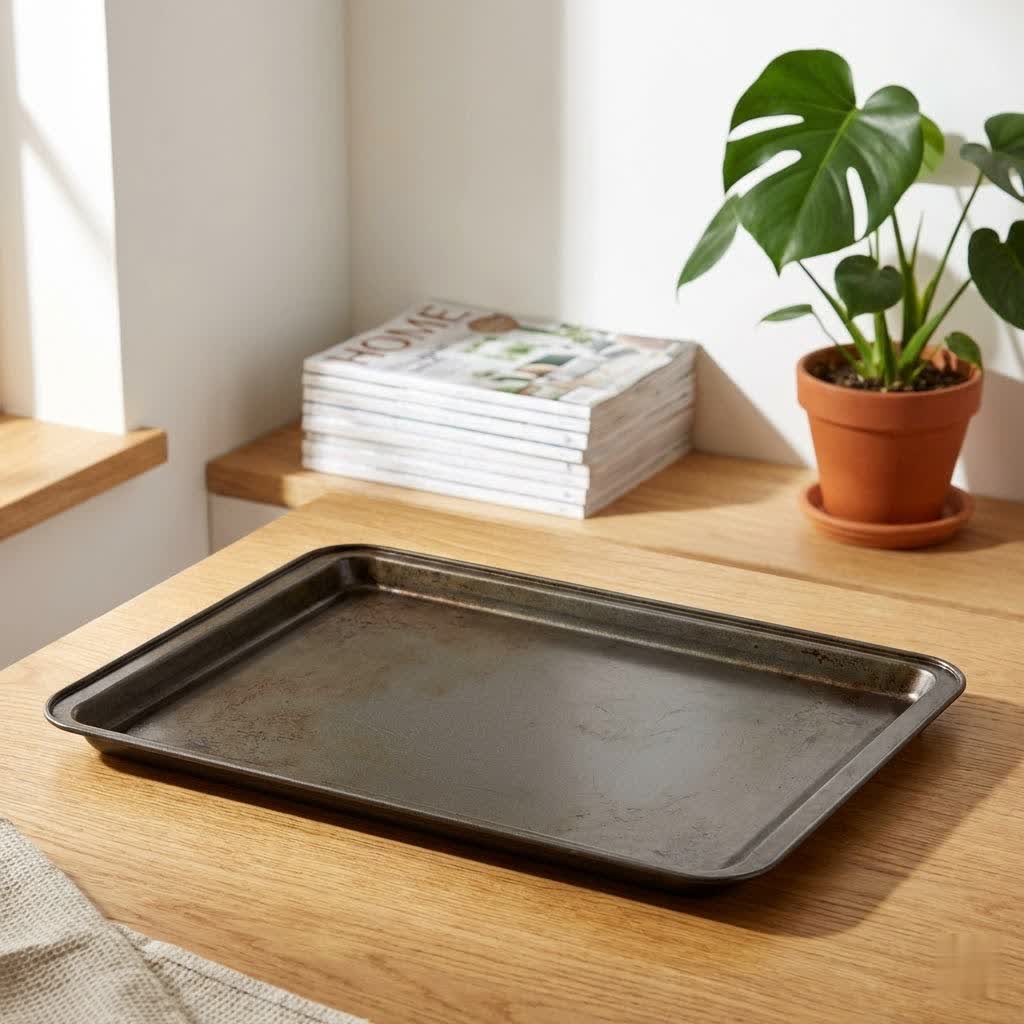
There’s a special joy that comes with pulling a batch of warm, perfectly domed muffins from the oven, their aroma filling your kitchen. But behind every flawless muffin lies a crucial piece of equipment: the muffin baking tray. Far from a simple accessory, the right tray can elevate your baking from good to truly exceptional, ensuring even baking, beautiful browning, and effortless release every time. Whether you’re a seasoned baker or just starting your journey into the world of homemade treats, understanding the nuances of muffin trays is key to consistent success. This comprehensive guide will delve into the various types, essential selection criteria, usage tips, and top recommendations to help you find your ideal baking companion.
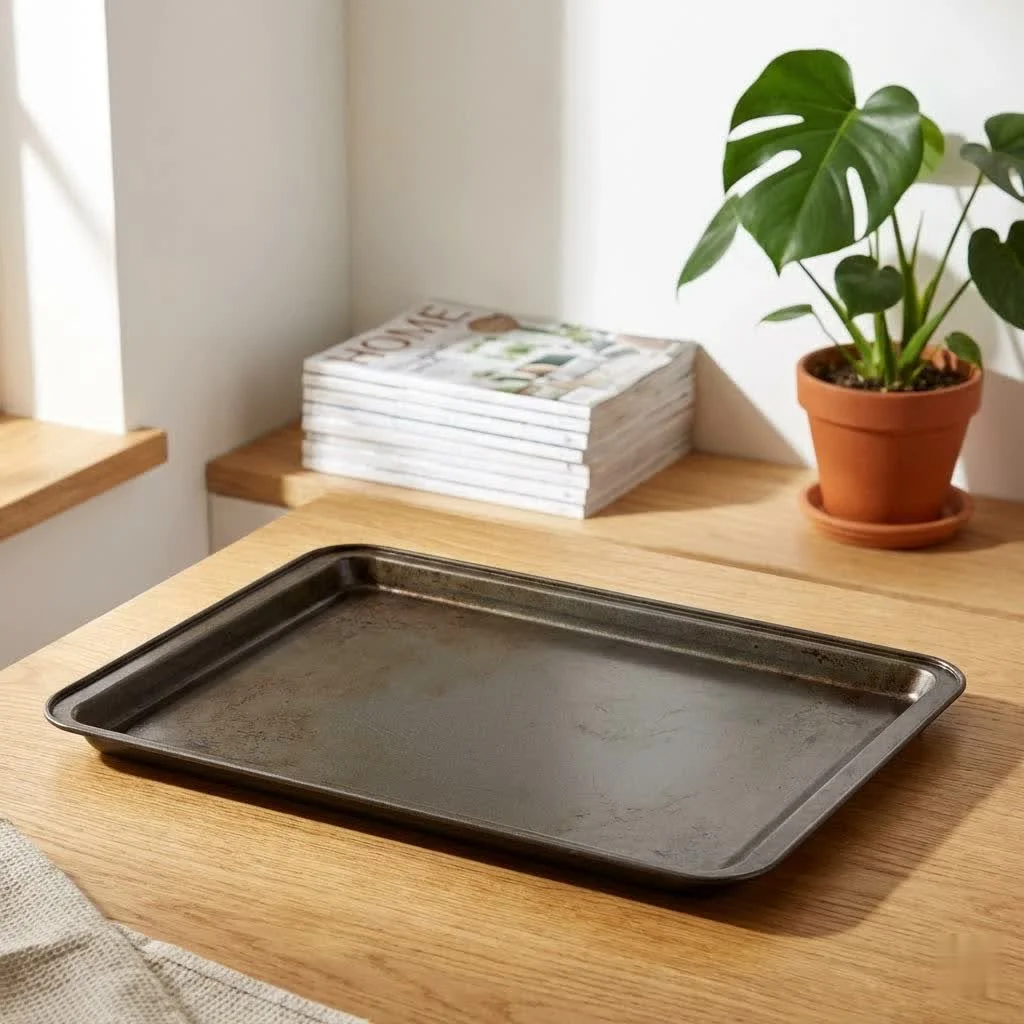
Different Types of Muffin Baking Trays
The world of muffin baking trays offers a variety of materials, shapes, and sizes, each influencing your baking results. Knowing these differences is the first step toward making an informed choice. For baking trays buying guides on this site.
Metal Trays: The Baker’s Workhorse
Metal muffin trays are, by far, the most popular choice among bakers, and for good reason. They are excellent conductors of heat, ensuring your muffins bake thoroughly and achieve that desirable golden-brown crust.
- Aluminized Steel and Carbon Steel: These are incredibly common and often feature a nonstick coating. Aluminized steel, a steel core coated with aluminum, offers the strength of steel with the even heat distribution of aluminum. Carbon steel is prized for its durability and ability to heat up quickly. Both are robust and promote consistent baking.
- Stainless Steel: While durable and resistant to rust, stainless steel doesn’t conduct heat as efficiently as aluminized or carbon steel, which can sometimes lead to less even browning.
- Aluminum: Lightweight and an excellent heat conductor, pure aluminum pans offer light-colored baked goods, making them great for cupcakes where minimal browning is desired. However, they can be more prone to warping if not thick enough.
- Cast Iron: A heavy-duty option known for its exceptional heat retention, cast iron muffin trays deliver deeply browned, crispy exteriors. They require proper seasoning and care, similar to cast iron skillets, but can last a lifetime.
- Nonstick Coating: Most modern metal muffin trays come with a nonstick coating, typically made from PFOA-free silicone or ceramic. This coating is crucial for easy release of muffins and simplifies cleanup. However, it requires careful handling, as metal utensils can scratch and damage the surface, compromising its nonstick properties. Lighter-colored nonstick coatings are often preferred as darker coatings can lead to over-browning.
Silicone Trays: Flexible and Convenient?
Silicone muffin trays, made from food-grade silicone, have gained popularity for their flexibility and ease of unmolding.
- Pros: Their inherent nonstick quality makes muffins incredibly easy to pop out without damage, even without liners. They are also flexible, allowing for compact storage, and are often dishwasher-safe. Silicone can be beneficial for delicate desserts or items that need chilling before release.
- Cons: The primary drawback of silicone is its poor heat conductivity compared to metal. This often results in muffins that are less browned, can appear paler, and may take longer to bake through. They are also very flexible, meaning they usually require placement on a sturdier baking sheet for stability when transferring to and from the oven, which adds an extra step. Achieving a pronounced, domed muffin top is also generally harder with silicone.
Shapes and Sizes
Muffin trays come in various cavity sizes, catering to different baking needs:
- Standard (12-cup): This is the most common size, with cavities typically holding between 3 to 4 fluid ounces (approximately 100 milliliters). Most muffin and cupcake recipes are developed with this size in mind.
- Mini: Featuring smaller cavities, mini muffin trays are perfect for bite-sized treats or appetizers.
- Jumbo: With larger cavities that can hold around 8 ounces of batter, jumbo muffin trays are ideal for substantial muffins or individual savory dishes.
It’s worth noting that even “standard” muffin cup capacities can vary between brands. A pan with cups around 100 milliliters is generally considered optimal for achieving well-risen, perfectly shaped muffins and cupcakes according to most recipes.
Essential Factors When Choosing a Muffin Baking Tray
|
Our Picks for the Best Baking Tray in 2026
As an Amazon Associate I earn from qualifying purchases.
|
||
| Num | Product | Action |
|---|---|---|
| 1 | Nordic Ware Naturals Half Sheet - USA Made Aluminum Commercial Quality Sheet Pan for Baking or Roasting, Encapsulated Galvanized Steel Rim Prevents Warping, 2-Pack |

|
| 2 | ROTTAY Baking Sheet with Rack Set (2 Pans + 2 Racks), Stainless Steel Cookie Sheet with Cooling Rack, Nonstick Baking Pan, Warp Resistant & Heavy Duty & Rust Free, Size 16 x 12 x 1 Inches |
|
| 3 | GoodCook BestBake Nonstick Textured Carbon Steel Cookie Sheet, 11" x 17", Large Baking Sheet, Even Heating, Scratch-Resistant, Non-Toxic, Durable, Ideal for Baking and Sheet Pan Dinners |
|
| 4 | Commercial Quality Baking Sheet Pan Set, Natural Aluminum Cookie Sheet, Umite Chef Warp Resistant Baker's Half Sheet Pan, Large Thick Cookie Tray Pans for Baking, Roasting(2 Pack, 18X13In) |
|
| 5 | GoodCook Everyday Nonstick Carbon Steel 13” x 9” Baking Sheet Set, 3 Pack – Standard-Sized Carbon Steel Cooking Pans, Bakeware Set, Cookie Sheets for Baking, Oven Pan Set |
|
| 6 | Baking Sheet Tray Cooling Rack with Silicone Baking Mat Set, Stainless Steel Cookie Pan For Oven, Set of 9 (3 Sheets + 3 Racks + 3 Mats), Warp Resistant & Heavy Duty & Easy Clean, Red |
|
| 7 | Premium Nonstick Baking Sheet Pans – Set of 3, Heavy-Gauge Carbon Steel, Warp, Dent, and Rust-Resistant – Gourmet Rimmed Half Cookie Sheet Trays, Non-Toxic for Exceptional Baking Performance |
|
| 8 | Stainless Steel Baking Sheet Tray Cooling Rack with Silicone Baking Mat Set, Cookie Pan with Cooling Rack, Set of 9 (3 Sheets + 3 Racks + 3 Mats), 10/12/16 Inch, Easy Clean |
|
| 9 | GoodCook Everyday Nonstick Carbon Steel Baking Sheet Set, 3 Pack – Small 13” x 9”, Medium 15” x 10”, Large 17” x 11” – Carbon Steel Cooking Pans, Cookie Sheet Bakeware Set |
|
| 10 | NutriChef 3-Piece Nonstick Kitchen Oven Baking Pans - Premium & Stylish Non-Stick Steel, Commercial Grade Restaurant Quality Metal Bakeware with Red Silicone Handles - Easy to Clean, NCSBS3S |
|
Selecting the right muffin baking tray goes beyond just picking one off the shelf. Several critical factors contribute to its performance and your overall baking satisfaction.
Material Matters Most
For consistently delicious, beautifully baked muffins, metal with a high-quality nonstick coating is generally recommended over silicone. Metal’s superior heat conduction ensures even baking and promotes that desirable golden-brown crust and a good rise, which silicone struggles to achieve. When considering metal, aluminized steel or carbon steel offer an excellent balance of durability and heat performance.
Size and Capacity: The “Standard” Sweet Spot
Pay close attention to the cup capacity. Many recipes are designed for standard muffin cups holding approximately 100 milliliters (about 1/3 cup) of batter. Pans with significantly smaller capacities can lead to overflowing and flat muffins, while those that are too large might result in muffins that don’t achieve a full dome. A 12-cup standard size is versatile for most home bakers.
Heat Distribution and Thickness
A good muffin tray should be made from a thick, durable gauge metal. Thinner, flimsy pans can warp under high heat, leading to uneven baking and inconsistent results. A substantial pan ensures heat is distributed evenly across all cavities, preventing some muffins from being underbaked while others are overcooked.
Nonstick Coating Quality and Color
A robust, PFOA-free nonstick coating is invaluable for easy release and cleanup. Look for coatings that are scratch-resistant and durable. The color of the pan also plays a role; lighter-colored nonstick pans generally bake more evenly and prevent over-browning compared to darker pans, which absorb more heat and can lead to darker crusts.
Design and Ergonomics
Consider the overall design for ease of use. Pans with wide, rolled edges or extended handles provide a secure grip, making it safer and easier to transfer the hot tray in and out of the oven, minimizing the risk of accidental drops or burns. Seamless construction is also a plus for easier cleaning.
Compatibility with Your Oven
Ensure the muffin tray fits comfortably within your oven, allowing adequate space for air circulation around all sides. Proper airflow is essential for even baking. Most standard 12-cup trays are designed to fit conventional home ovens.
Comparing Popular Muffin Baking Tray Materials
To further illustrate the differences, here’s a detailed comparison of the most common muffin tray materials:
| Feature | Metal (Nonstick) | Silicone | Cast Iron (Seasoned) |
|---|---|---|---|
| Heat Conduct. | Excellent; heats quickly and evenly | Poor; slower to heat, can lead to uneven baking | Excellent; retains heat for consistent baking |
| Browning | Promotes even, golden-brown crusts | Results in paler, less browned muffins | Delivers deep, crispy browning |
| Release | Easy with quality nonstick coating | Very easy; muffins pop out effortlessly | Good, but requires consistent seasoning |
| Durability | High; resists warping | High; flexible and resilient | Extremely high; virtually indestructible |
| Stability | High; sturdy and rigid | Low; requires a baking sheet for support | High; very heavy and stable |
| Cleaning | Moderate; hand-washing recommended for nonstick | Easy; often dishwasher-safe | Requires specific seasoning and cleaning care |
| Muffin Top | Achieves well-defined, domed muffin tops | Less pronounced or flatter muffin tops | Can achieve excellent muffin tops |
| Versatility | Great for muffins, cupcakes, savory items | Good for chilled desserts, specific shapes | Excellent for robust muffins, savory bakes |
| Price Range | Medium to High | Low to Medium | High (initial investment) |
> “The material of your muffin tray is paramount. While silicone offers convenience for release, a quality metal pan, especially aluminized steel with a reliable nonstick coating, provides the consistent heat transfer needed for superior texture and browning that every baker desires.” – Chef Elena Rodriguez, Culinary Instructor & Bakeware Expert
Tips for Using and Maintaining Your Muffin Tray
Even the best muffin tray benefits from proper usage and care to ensure longevity and optimal baking results.
Prepping the Tray for Success
No matter how good your nonstick coating, a little preparation goes a long way to guarantee easy release.
- Non-stick Spray or Butter and Flour: For metal trays, a light coating of non-stick vegetable spray or a thorough greasing with butter followed by a dusting of flour in each cavity is usually sufficient. Tap out any excess flour.
- Baking Liners: Muffin liners (paper or foil) are an excellent way to prevent sticking and simplify cleanup. Foil liners are particularly recommended as they are sturdier and can help maintain a more rounded dome shape for your muffins. They also add a nice aesthetic touch for serving. While not strictly necessary for good nonstick pans, they offer an extra layer of protection and convenience.
- Silicone Tray Preparation: If using a silicone pan, place it on a sturdy metal baking sheet before filling the cavities. This provides the necessary support for safe transfer to and from the oven. Even with silicone’s natural nonstick properties, a light spray of non-stick oil can further ensure effortless release, especially for stickier batters.
Baking Best Practices
- Even Filling: Distribute batter evenly among the cups to ensure consistent baking times and uniform muffin sizes.
- Avoid Overfilling: Typically, filling cavities about two-thirds full is ideal to allow for proper rising without overflow.
- Oven Placement: Place your muffin tray on the middle rack of a preheated oven for optimal heat circulation. If baking multiple trays, ensure there’s enough space for air to move around each pan.
Cleaning and Storage for Longevity
Proper care is vital, especially for nonstick surfaces.
- Hand-Washing is Best: For nonstick metal trays, hand-washing with warm, soapy water and a soft sponge is highly recommended. Harsh detergents and the high heat of dishwashers can degrade nonstick coatings over time, reducing their effectiveness and lifespan.
- Tackle Stubborn Residue: If you have baked-on crumbs or residue, let the pan soak in warm, soapy water for 15-20 minutes. This will loosen the debris, making it much easier to wipe clean without harsh scrubbing that could damage the coating.
- Thorough Drying: Always dry your muffin tray completely after washing, especially if it has rolled edges or seams, where water can collect and potentially lead to rust. Placing the clean, dry pan in a still-warm oven for a few minutes can help ensure all moisture has evaporated.
- Proper Storage: Store muffin trays carefully to prevent scratches. If stacking, place a sheet of parchment paper, a paper towel, or a soft cloth between pans to protect the nonstick surface.
Common Mistakes to Avoid
- Metal Utensils: Never use metal spatulas, knives, or scrapers on nonstick surfaces, as they will scratch and ruin the coating. Opt for silicone, plastic, or wooden utensils.
- High Heat Abuse: Some nonstick coatings have maximum temperature limits. Always check the manufacturer’s recommendations and avoid exposing nonstick pans to excessively high broiler temperatures, which can damage the coating.
Top Recommended Muffin Baking Trays
While specific product recommendations can change, certain brands and characteristics consistently receive high praise from baking experts for their muffin baking trays. These brands often feature durable construction, reliable nonstick coatings, and thoughtful designs that contribute to excellent baking results.
Leading manufacturers like USA Pan, OXO Good Grips, Williams Sonoma Goldtouch, and Fat Daddio’s are frequently cited for their superior muffin trays. Key attributes shared by these top performers include:
- Aluminized Steel Construction: This material is favored for its strength, durability, and excellent heat conductivity, ensuring muffins bake evenly and consistently.
- High-Quality Nonstick Coating: Often a silicone-based nonstick finish, these coatings provide exceptional food release and are designed to withstand regular use, though hand-washing is still recommended for maximum lifespan.
- Optimal Cup Capacity: Their standard 12-cup trays typically feature cavities around 100 milliliters, aligning with most muffin and cupcake recipes to produce well-proportioned, beautifully risen baked goods.
- Ergonomic Design: Features like wide, reinforced rims or extended handles make these trays easy and safe to maneuver, even when full and hot.
- Consistent Performance: These trays consistently deliver muffins with golden-brown exteriors, moist interiors, and the coveted domed tops.
While Nordic Ware is a respected bakeware brand, some of their darker-colored or uncoated pans might lead to more intense browning than desired for certain muffin recipes. When considering any pan, prioritize aluminized steel with a light-colored, durable nonstick coating for the best all-around muffin baking experience.
Where to Purchase Your Muffin Baking Tray
Finding the perfect muffin baking tray is easier than ever with a multitude of purchasing options available.
- Online Retailers: Websites like Amazon, Williams Sonoma, Sur La Table, and directly from brands like USA Pan and OXO, offer extensive selections. Online shopping provides the convenience of browsing numerous options, comparing prices, and reading customer reviews. Be sure to check shipping policies and return options.
- Department Stores: Major department stores often carry a range of bakeware from reputable brands. This allows you to see and feel the trays in person, assessing their weight, sturdiness, and handle comfort before purchasing.
- Specialty Kitchen Stores: Local kitchen supply stores or gourmet shops often have knowledgeable staff who can offer personalized recommendations based on your baking needs and preferences. They might also carry niche or high-end brands not found elsewhere.
- Supermarkets and Mass Retailers: For more budget-friendly options, many larger supermarkets and general merchandise stores stock basic muffin trays. While these can be functional, they may not always offer the same level of durability or nonstick quality as specialty brands.
When purchasing, always consider the brand’s reputation, product reviews, and any warranties offered. Investing a little more in a high-quality muffin tray often pays off in better baking results and longer-lasting performance.
Conclusion
The journey to baking perfect muffins starts with selecting the right muffin baking tray. By understanding the advantages of materials like aluminized steel with a quality nonstick coating over less suitable options like silicone, you empower yourself to achieve consistently excellent results. Prioritizing factors such as optimal cup capacity, even heat distribution, and user-friendly design ensures every batch emerges beautifully browned, perfectly risen, and effortlessly released. With proper care and maintenance, your chosen muffin tray will become an invaluable tool in your kitchen, transforming simple ingredients into delightful homemade treats for years to come. What delicious muffin recipe will you bake first with your perfect new tray?
Frequently Asked Questions
Are muffin pans and cupcake pans the same?
Yes, generally, muffin pans and cupcake pans are interchangeable. The terms are often used synonymously, and you can use the same pan to bake both muffins and cupcakes. Most recipes are designed for the standard 12-cup tray.
What is the best material for a muffin pan?
For optimal baking performance, a metal muffin pan, particularly one made from aluminized steel or carbon steel with a durable, light-colored nonstick coating, is highly recommended. These materials offer superior heat conduction, leading to even baking and better browning compared to silicone.
Should I use muffin liners?
Using muffin liners is optional but highly recommended. They provide an extra layer of nonstick protection, simplify cleanup, and can enhance the presentation of your muffins. Foil liners are particularly effective as they are sturdy and help maintain the muffin’s shape.
How do I prevent muffins from sticking to the pan?
To prevent sticking, generously grease your metal muffin pan with non-stick spray or butter and flour, even if it has a nonstick coating. Alternatively, use muffin liners. If using a silicone pan, place it on a baking sheet for stability and a light spray of oil can help.
How do I get tall, domed muffin tops?
Achieving tall muffin tops often comes down to the right pan (metal is generally better than silicone), not overmixing your batter, ensuring your oven is properly preheated, and filling cavities approximately two-thirds full. Some recipes also use an initial burst of high heat followed by lower heat to encourage a good rise.
Get our weekly buyer guide
Practical specs, not advice. Unsubscribe anytime.
