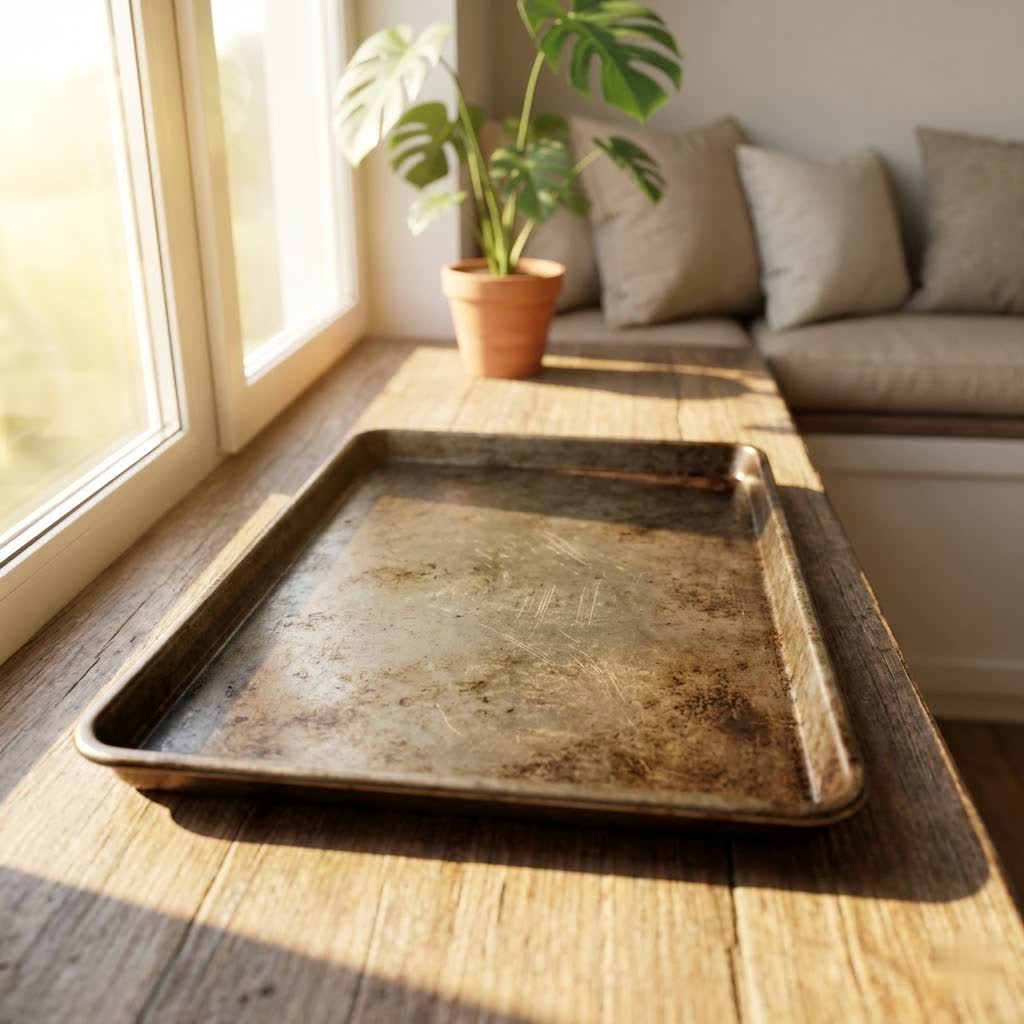
Stepping into the kitchen to bake often brings a sense of comfort and creativity. But have you ever considered if your trusty baking trays are as healthy as the delicious creations you pull from the oven? Many traditional baking sheets, while convenient, can harbor hidden chemicals that may leach into your food and air. As a seasoned technician with over a decade in kitchenware, especially baking trays, I’ve seen firsthand the evolution of materials and the growing demand for safer alternatives. This guide is your compass to navigating the world of non-toxic baking trays, helping you choose the perfect partner for your culinary adventures.
Understanding Traditional vs. Non-Toxic Bakeware
For years, non-stick bakeware dominated kitchens due to its effortless food release and easy cleanup. However, many conventional non-stick coatings, famously Teflon, are made with per- and polyfluoroalkyl substances (PFAS), including PTFE (polytetrafluorofluoroethylene) and PFOA (perfluorooctanoic acid). When heated to high temperatures, these “forever chemicals” can break down, releasing harmful fumes into your home and potentially migrating into your food. Concerns about these chemicals are significant, linking them to various health issues and environmental pollution. The good news is that the market now offers a wealth of safe, durable, and high-performing non-toxic alternatives, allowing you to bake with confidence and peace of mind.
Popular Non-Toxic Baking Tray Materials
Choosing a non-toxic baking tray means understanding the properties of different materials. Each offers unique benefits and considerations for your baking needs.
Stainless Steel
Stainless steel is a robust and popular choice for non-toxic bakeware. It’s known for its durability, resistance to rust, and non-reactive nature, meaning it won’t leach chemicals or flavors into your food.
- Pros: Highly durable, rust-resistant, non-reactive, can withstand high temperatures.
- Cons: Can be prone to sticking if not properly prepared (e.g., using parchment paper or a silicone mat). Some lighter gauges may warp at very high temperatures.
- Best for: General baking, roasting vegetables, sheet pan dinners, cookies (with baking aids). Look for heavier gauge or 18/0, 18/8, or 18/10 stainless steel.
Ceramic (Pure Ceramic & Ceramic-Coated)
Ceramic bakeware offers excellent heat distribution and can be a naturally non-stick option. There are two main types:
- Pure Ceramic: Made entirely from natural clay and fired at high temperatures. It’s non-reactive, free from synthetic coatings, and offers exceptional heat retention.
- Pros: Truly clean, non-reactive, excellent heat retention, even baking.
- Cons: Can be heavy, more fragile than metal, typically not available in large, flat sheet pan designs.
- Best for: Casseroles, gratins, slow-baking dishes, deep-dish recipes.
- Ceramic-Coated: Features a metal core (often aluminized steel or carbon steel) with a non-stick ceramic-based coating. These coatings are typically free from PTFE, PFOA, PFAS, lead, and cadmium.
- Pros: Non-stick performance without harmful chemicals, good heat distribution, often lighter than pure ceramic.
- Cons: Coating can wear down over time with abrasive cleaning or high heat, requiring gentle care.
- Best for: Everyday baking, cookies, muffins, cakes, anything requiring an easy release.
Glass
|
Our Picks for the Best Baking Tray in 2026
As an Amazon Associate I earn from qualifying purchases.
|
||
| Num | Product | Action |
|---|---|---|
| 1 | GoodCook Everyday Nonstick Carbon Steel Baking Sheet Set, 3 Pack – Small 13” x 9”, Medium 15” x 10”, Large 17” x 11” – Carbon Steel Cooking Pans, Cookie Sheet Bakeware Set |

|
| 2 | Baking Sheet Tray Cooling Rack with Silicone Baking Mat Set, Stainless Steel Cookie Pan For Oven, Set of 9 (3 Sheets + 3 Racks + 3 Mats), Warp Resistant & Heavy Duty & Easy Clean, Red |
|
| 3 | Stainless Steel Baking Sheet Tray Cooling Rack with Silicone Baking Mat Set, Cookie Pan with Cooling Rack, Set of 9 (3 Sheets + 3 Racks + 3 Mats), 10/12/16 Inch, Easy Clean |
|
| 4 | GoodCook BestBake Nonstick Textured Carbon Steel Cookie Sheet, 11" x 17", Large Baking Sheet, Even Heating, Scratch-Resistant, Non-Toxic, Durable, Ideal for Baking and Sheet Pan Dinners |
|
| 5 | Premium Nonstick Baking Sheet Pans – Set of 3, Heavy-Gauge Carbon Steel, Warp, Dent, and Rust-Resistant – Gourmet Rimmed Half Cookie Sheet Trays, Non-Toxic for Exceptional Baking Performance |
|
| 6 | ROTTAY Baking Sheet with Rack Set (2 Pans + 2 Racks), Stainless Steel Cookie Sheet with Cooling Rack, Nonstick Baking Pan, Warp Resistant & Heavy Duty & Rust Free, Size 16 x 12 x 1 Inches |
|
| 7 | Nordic Ware Naturals Half Sheet - USA Made Aluminum Commercial Quality Sheet Pan for Baking or Roasting, Encapsulated Galvanized Steel Rim Prevents Warping, 2-Pack |
|
| 8 | NutriChef 3-Piece Nonstick Kitchen Oven Baking Pans - Premium & Stylish Non-Stick Steel, Commercial Grade Restaurant Quality Metal Bakeware with Red Silicone Handles - Easy to Clean, NCSBS3S |
|
| 9 | GoodCook Everyday Nonstick Carbon Steel 13” x 9” Baking Sheet Set, 3 Pack – Standard-Sized Carbon Steel Cooking Pans, Bakeware Set, Cookie Sheets for Baking, Oven Pan Set |
|
| 10 | Commercial Quality Baking Sheet Pan Set, Natural Aluminum Cookie Sheet, Umite Chef Warp Resistant Baker's Half Sheet Pan, Large Thick Cookie Tray Pans for Baking, Roasting(2 Pack, 18X13In) |
|
Glass bakeware is a classic and inherently non-toxic option. It’s chemical-free and doesn’t leach any substances into your food, making it a safe choice for health-conscious bakers.
- Pros: Non-toxic, easy to clean, excellent moisture retention for even baking, visually appealing for serving.
- Cons: Can be heavy, prone to breakage (thermal shock or impact), generally not suitable for very high-heat searing, limited in flat sheet pan sizes.
- Best for: Casseroles, brownies, cakes, lasagna, anything that benefits from even, gentle heat and moisture retention.
Cast Iron
Cast iron bakeware is renowned for its incredible durability and superior heat retention. When properly seasoned, it develops a natural non-stick surface without any synthetic coatings.
- Pros: Extremely durable (lasts generations), excellent heat retention, naturally non-stick when seasoned, versatile (oven and stovetop).
- Cons: Heavy, requires regular seasoning to maintain non-stick properties and prevent rust, can react with acidic foods if not well-seasoned.
- Best for: Breads, cornbread, deep-dish pizzas, roasted meats, anything needing a crispy crust or even, sustained heat.
Stoneware
Similar to pure ceramic, stoneware is made from natural clay and fired at high temperatures, creating a durable and naturally non-stick surface. It’s chemical-free and provides excellent, even heat.
- Pros: Natural, non-toxic, excellent heat distribution, develops a natural non-stick patina over time.
- Cons: Can be heavy and brittle, typically not available in thin, flat sheet pan designs.
- Best for: Artisan breads, pizzas, roasted vegetables, casseroles.
Food-Grade Silicone
Food-grade silicone offers a flexible and convenient non-stick solution, often used for muffin molds, cake pans, and baking mats.
- Pros: Highly flexible, excellent non-stick properties, easy to clean, can withstand a wide range of temperatures, often dishwasher safe.
- Cons: Not suitable for high-temperature searing, some users prefer to avoid silicone’s synthetic nature despite being food-grade. Always ensure it’s 100% food-grade silicone, free of fillers.
- Best for: Muffins, cupcakes, delicate cakes, chocolate molds, and as a reusable non-stick liner for metal baking sheets.
How to Choose the Best Non-Toxic Baking Tray
Selecting the right non-toxic baking tray depends on a few key factors to match your culinary habits and preferences.
Consider Your Baking Needs
Think about what you bake most often. Do you make cookies, sheet pan dinners, cakes, or casseroles?
- For cookies and roasted vegetables, large flat sheets are ideal. Stainless steel or ceramic-coated aluminized steel are great.
- For cakes and brownies, glass, pure ceramic, or ceramic-coated metal pans excel.
- For breads or pizzas, cast iron or stoneware can produce superior results.
Material Matters
As explored above, each material has its strengths and weaknesses. Prioritize materials that are transparent about being free from PTFE, PFOA, PFAS, lead, and cadmium. If you opt for coated bakeware, choose reputable brands with certified non-toxic ceramic coatings. For solid materials, stainless steel, glass, and pure ceramic are excellent choices.
Size and Shape
Ensure the trays fit comfortably in your oven, allowing for proper air circulation. Standard sizes like half-sheet (18×13 inches) are versatile, while loaf pans, muffin tins, and cake pans come in various common dimensions. Match the pan’s depth and shape to your recipes.
Durability and Longevity
Invest in bakeware that will last. High-quality stainless steel and cast iron are known for their generational durability. Glass and pure ceramic can last a lifetime with careful handling. Check for warranties offered by brands as a sign of their confidence in product longevity.
Brand Reputation and Certifications
Look for brands known for their commitment to safety and quality. Many reputable non-toxic bakeware brands explicitly state what chemicals their products are free from and may even have third-party certifications. Some well-regarded brands include 360 Cookware (stainless steel), Xtrema (pure ceramic), Caraway and GreenPan (ceramic-coated), Pyrex and Anchor Hocking (glass), and Lodge (cast iron).
Budget
Non-toxic bakeware is available across a range of price points. While some premium options require a higher initial investment, their durability and safety benefits often make them cost-effective in the long run. There are also excellent budget-friendly options like certain stainless steel, glass, or food-grade silicone products.
Comparison of Non-Toxic Baking Tray Materials
| Material | Pros | Cons | Best For |
|---|---|---|---|
| Stainless Steel | Durable, rust-resistant, non-reactive, high-heat tolerant. | Can stick without parchment/mats, may warp if thin gauge, requires elbow grease for cleanup. | Cookies, roasting, sheet pan meals. |
| Pure Ceramic | Truly chemical-free, excellent heat retention, even baking. | Heavy, fragile, limited shapes for flat sheets. | Casseroles, deep-dish baking, slow-baked items. |
| Ceramic-Coated Metal | Non-stick without PFAS, good heat distribution, lighter than pure ceramic. | Coating can degrade with misuse, requires gentle cleaning, not for extremely high-heat searing. | Everyday baking, easy-release cookies, muffins, cakes. |
| Glass | Chemical-free, non-leaching, retains moisture for even baking, aesthetically pleasing. | Heavy, fragile, susceptible to thermal shock, not ideal for flat sheets or high-heat searing. | Casseroles, brownies, fruit crisps, lasagna. |
| Cast Iron | Extremely durable, superior heat retention, natural non-stick (when seasoned), versatile. | Very heavy, requires seasoning and specific care (no harsh soaps), can react with acidic foods if poorly seasoned. | Breads, pizzas, roasted meats, cornbread. |
| Stoneware | Natural, non-toxic, excellent heat distribution, develops natural non-stick over time. | Heavy, brittle, typically thicker pieces, not for thin sheet pans. | Artisan breads, pizzas, rustic baking. |
| Food-Grade Silicone | Flexible, excellent non-stick, easy cleanup, temperature versatile. | Not for searing, ensure 100% food-grade, some durability concerns with lower quality products. | Muffins, cupcakes, delicate cakes, baking mats/liners. |
Tips for Using and Maintaining Your Non-Toxic Bakeware
Proper care is essential to maximize the lifespan and performance of your non-toxic baking trays, ensuring they remain safe and effective for years to come.
- Read Manufacturer Instructions: Always consult the specific care guidelines for your bakeware, as recommendations can vary by material and brand.
- Pre-seasoning (for Cast Iron/Carbon Steel): If you choose cast iron or carbon steel, proper initial seasoning and regular re-seasoning are crucial for building a natural non-stick surface and preventing rust.
- Using Baking Aids: For stainless steel or older ceramic-coated pans, using parchment paper or food-grade silicone baking mats can prevent sticking and make cleanup a breeze, especially for delicate items.
- Gentle Cleaning: Avoid harsh abrasives, steel wool, or aggressive scrubbing, especially on ceramic-coated surfaces, as these can damage the non-stick layer. Most non-toxic bakeware cleans easily with warm, soapy water and a soft sponge.
- Avoid Metal Utensils: On any coated surface, opt for wooden, silicone, or plastic utensils to prevent scratches that could compromise the non-stick coating.
- Temperature Limits: Be aware of the maximum oven-safe temperatures for your bakeware. While many non-toxic options can handle high heat, extreme thermal shock can damage glass or pure ceramic.
- Proper Storage: Store bakeware carefully to prevent scratches and chips. Use pan protectors or stack carefully, especially for coated or ceramic items.
Top Non-Toxic Baking Trays to Consider
Based on extensive testing and consumer reviews, several brands consistently stand out for their commitment to safe, high-quality, and non-toxic bakeware.
- For Versatile Stainless Steel: Brands like 360 Cookware offer durable, American-made stainless steel options known for even heating and a lifetime warranty.
- For Pure Ceramic Excellence: Xtrema is a leader in 100% pure ceramic bakeware, free from any glazes or coatings, ensuring the cleanest baking experience.
- For Reliable Ceramic-Coated Non-Stick: Caraway and GreenPan are popular choices for their aluminized steel bakeware with effective, non-toxic ceramic non-stick coatings, often in stylish colors.
- For Classic Glass: Pyrex and Anchor Hocking continue to be trusted names for durable, lead-free glass bakeware, perfect for casseroles and cakes.
- For Indestructible Cast Iron: Lodge provides excellent, affordable seasoned cast iron pieces that are workhorses in any kitchen.
Where to Buy Non-Toxic Baking Trays
Finding high-quality non-toxic baking trays is easier than ever. You can explore several avenues, both online and in physical stores:
- Specialty Kitchen Stores: These stores often carry a curated selection of premium bakeware brands and knowledgeable staff who can offer personalized recommendations.
- Major Retailers: Stores like Target or Amazon offer a wide range of options, from budget-friendly choices to well-known brands. Be sure to carefully read product descriptions and customer reviews to confirm non-toxic claims.
- Direct from Brands: Many non-toxic bakeware brands sell directly from their websites, often providing detailed information about their materials, manufacturing processes, and certifications. This can also be a good place to find exclusive sets or sales.
When shopping, always prioritize transparency in materials, look for clear declarations of “PFOA-free,” “PTFE-free,” “PFAS-free,” “lead-free,” and “cadmium-free.” Compare prices and check for bundles or sets that might offer better value.
Conclusion
Embracing non-toxic baking trays is a simple yet impactful step towards a healthier kitchen and a more mindful lifestyle. By understanding the materials, knowing what to look for, and caring for your bakeware properly, you can enjoy the art of baking without worrying about harmful chemicals. Whether you opt for the robustness of stainless steel, the natural purity of ceramic, the reliability of glass, or the enduring legacy of cast iron, a world of safer baking awaits. Upgrade your kitchen, enhance your culinary creations, and bake with the confidence that you’re making the best choices for your health and your loved ones. What delicious, worry-free dishes will you bake next?
Frequently Asked Questions
Are aluminum baking trays non-toxic?
While pure aluminum is debated, many experts suggest avoiding direct contact between acidic foods and bare aluminum. Aluminized steel, often used as a core for ceramic-coated bakeware, is generally considered safe when properly coated and free of harmful chemicals. Using parchment paper or silicone mats can provide a barrier if you have concerns about aluminum.
How do I know if my ceramic bakeware is truly non-toxic?
To ensure your ceramic bakeware is truly non-toxic, look for products labeled as “100% pure ceramic” or “non-toxic ceramic coating free from PTFE, PFOA, PFAS, lead, and cadmium.” Reputable brands will be transparent about their materials and may have third-party certifications.
Can non-stick ceramic coatings scratch easily?
Non-stick ceramic coatings can be durable but are susceptible to scratching if metal utensils are used or if they are cleaned with abrasive scrubbers. Using wooden, silicone, or plastic tools and gentle cleaning methods will help preserve the coating’s integrity and extend its lifespan.
Is silicone bakeware safe for high temperatures?
Food-grade silicone bakeware is generally safe for temperatures up to 400-500°F (200-260°C), varying by product. Always check the manufacturer’s specific temperature ratings. Ensure you are using 100% food-grade silicone, ideally platinum-cured, to avoid fillers.
How do I remove stubborn stains from stainless steel baking trays without harsh chemicals?
For stubborn stains on stainless steel, try a paste made of baking soda and a little water. Apply it to the stain, let it sit for 15-30 minutes, then scrub gently with a soft sponge or cloth. For baked-on residue, soaking the pan in hot, soapy water can also help loosen debris.
Get our weekly buyer guide
Practical specs, not advice. Unsubscribe anytime.

As someone who bakes almost daily, I’m always looking for ways to make my kitchen healthier. The details about the evolution of materials in baking trays were super interesting. I’ve been using glass bakeware for casseroles, but I’m now considering some enameled cast iron for my breads after reading about its heat retention and non-toxic properties. Great information!
I appreciate the info on different materials, especially the breakdown of traditional non-stick coatings like Teflon. I tried a silicone mat based on a recommendation for easy release, but I found it a bit flimsy for heavier items like roasted vegetables. It works okay for lighter baking, but I’m still on the hunt for something more robust.
This really opened my eyes to what might be in my old baking sheets. I’ve been using the same aluminum trays for years, and the idea of chemicals leaching into my food is pretty concerning. I’m definitely going to look into some stainless steel options next, as they seem like a durable and safe choice for everyday baking.
I’ve been trying to switch all my kitchenware to non-toxic options, and this guide was a lifesaver! I finally invested in some ceramic-coated trays after reading about the benefits, and I’m so impressed. Everything bakes evenly, and cleanup is a breeze without worrying about harmful chemicals. My cookies have never tasted better!