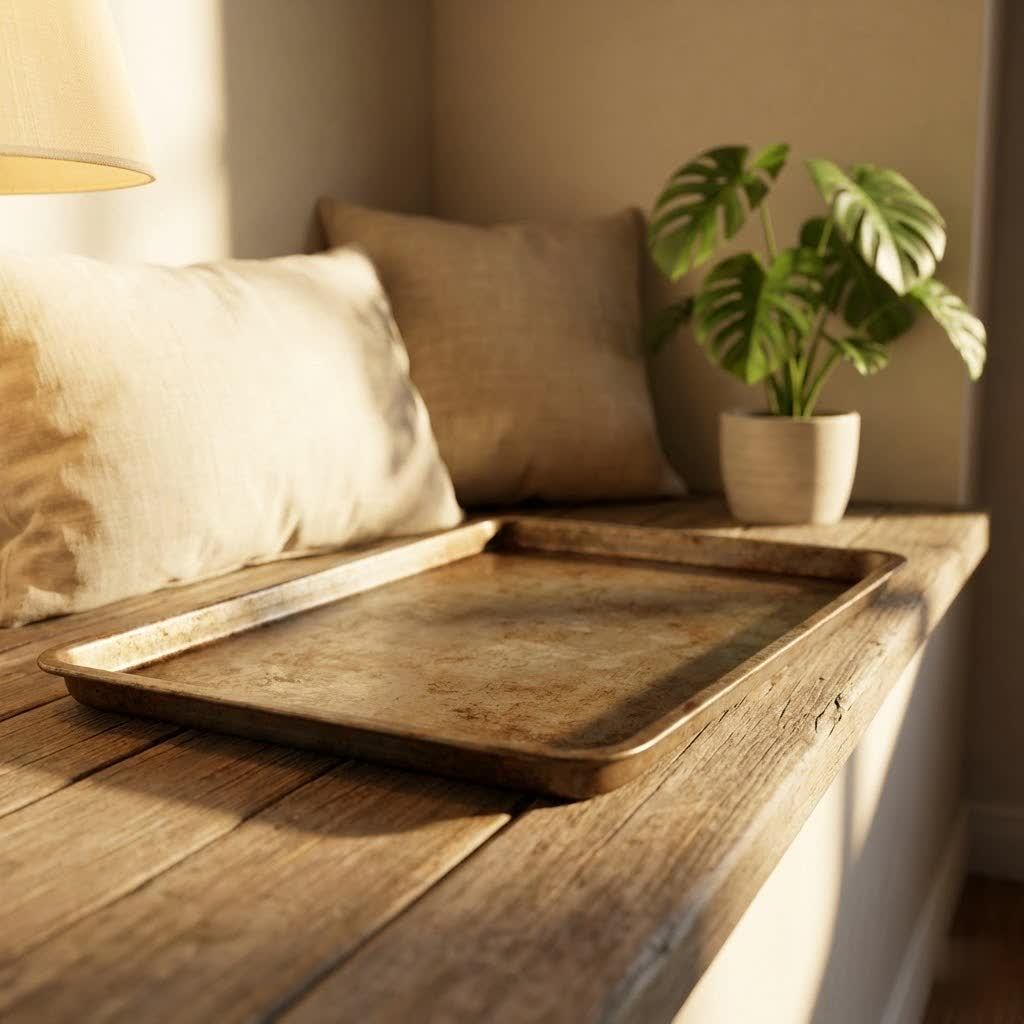
Imagine sinking your teeth into a perfectly baked homemade pizza – a golden, crispy crust, bubbling cheese, and flavorful toppings. It’s a culinary dream for many, but achieving that pizzeria-quality result at home often hinges on one crucial, yet often overlooked, tool: the pizza baking tray for your oven. This isn’t just a simple piece of bakeware; it’s the foundation for your pizza’s success, influencing everything from crust texture to even cooking. With a decade of experience in kitchenware, especially with baking trays, I’m here to share insights that will help you navigate the world of pizza pans and find the ideal companion for your delicious creations.
Understanding Pizza Baking Trays for Ovens: Types and Their Uses
The journey to perfect pizza begins with understanding the various types of baking surfaces available for your home oven. Each offers unique benefits and caters to different pizza styles and desired crust textures.
Metal Pizza Pans
Metal pizza pans are the most common type of baking tray, offering versatility for many home bakers. They come in various forms, each designed for specific outcomes.
- Solid Pizza Pans: These pans have a continuous surface without perforations. They excel at retaining moisture and are ideal for producing softer, chewier, and thicker crusts. If you love a classic, doughy base, a solid pan will help achieve that. They’re also perfect for styles like deep-dish or Sicilian pizza, where a rich, almost fried crust is desired, often achieved by oiling the pan generously.
- Perforated Pizza Pans (Crisper Pans): Characterized by small holes across their surface, these pans are engineered to promote superior airflow and moisture evaporation during baking. This design is excellent for achieving a wonderfully crispy crust, making them a favorite for thin-crust pizzas or when you desire extra crunch. The perforations allow direct heat to reach the bottom of the dough, ensuring an even bake and preventing sogginess. Some varieties, known as “super perforated” pans, feature larger holes for even greater crisping power and shorter baking times.
- Deep-Dish Pizza Pans: Specifically designed for Chicago-style or Detroit-style pizzas, these pans feature high, straight sides. They allow for generous layers of cheese and toppings and are often made from dark, heavy-gauge metal to encourage a caramelized, crispy edge on the crust (often called “frico” in Detroit style). Brands like LloydPans are highly regarded for their commercial-quality deep-dish pans, now accessible for home use.
- Specialty Pans: Beyond these main types, you’ll find various other metal pans like coupe pans, cutter pans, sheet pans, and wide-rim pans, each offering slight variations for specific handling or presentation needs. For home use, focusing on solid or perforated round/square pans covers most needs.
Pizza Stones (Ceramic/Cordierite)
|
Our Picks for the Best Baking Tray in 2026
As an Amazon Associate I earn from qualifying purchases.
|
||
| Num | Product | Action |
|---|---|---|
| 1 | GoodCook Everyday Nonstick Carbon Steel Baking Sheet Set, 3 Pack – Small 13” x 9”, Medium 15” x 10”, Large 17” x 11” – Carbon Steel Cooking Pans, Cookie Sheet Bakeware Set |

|
| 2 | Premium Nonstick Baking Sheet Pans – Set of 3, Heavy-Gauge Carbon Steel, Warp, Dent, and Rust-Resistant – Gourmet Rimmed Half Cookie Sheet Trays, Non-Toxic for Exceptional Baking Performance |
|
| 3 | ROTTAY Baking Sheet with Rack Set (2 Pans + 2 Racks), Stainless Steel Cookie Sheet with Cooling Rack, Nonstick Baking Pan, Warp Resistant & Heavy Duty & Rust Free, Size 16 x 12 x 1 Inches |
|
| 4 | GoodCook Everyday Nonstick Carbon Steel 13” x 9” Baking Sheet Set, 3 Pack – Standard-Sized Carbon Steel Cooking Pans, Bakeware Set, Cookie Sheets for Baking, Oven Pan Set |
|
| 5 | NutriChef 3-Piece Nonstick Kitchen Oven Baking Pans - Premium & Stylish Non-Stick Steel, Commercial Grade Restaurant Quality Metal Bakeware with Red Silicone Handles - Easy to Clean, NCSBS3S |
|
| 6 | GoodCook BestBake Nonstick Textured Carbon Steel Cookie Sheet, 11" x 17", Large Baking Sheet, Even Heating, Scratch-Resistant, Non-Toxic, Durable, Ideal for Baking and Sheet Pan Dinners |
|
| 7 | Stainless Steel Baking Sheet Tray Cooling Rack with Silicone Baking Mat Set, Cookie Pan with Cooling Rack, Set of 9 (3 Sheets + 3 Racks + 3 Mats), 10/12/16 Inch, Easy Clean |
|
| 8 | Baking Sheet Tray Cooling Rack with Silicone Baking Mat Set, Stainless Steel Cookie Pan For Oven, Set of 9 (3 Sheets + 3 Racks + 3 Mats), Warp Resistant & Heavy Duty & Easy Clean, Red |
|
| 9 | Commercial Quality Baking Sheet Pan Set, Natural Aluminum Cookie Sheet, Umite Chef Warp Resistant Baker's Half Sheet Pan, Large Thick Cookie Tray Pans for Baking, Roasting(2 Pack, 18X13In) |
|
| 10 | Nordic Ware Naturals Half Sheet - USA Made Aluminum Commercial Quality Sheet Pan for Baking or Roasting, Encapsulated Galvanized Steel Rim Prevents Warping, 2-Pack |
|
Pizza stones aim to replicate the intense, even heat of a traditional brick oven. Made from ceramic, cordierite, or other porous materials, they absorb and retain heat exceptionally well.
- Pros: Pizza stones absorb excess moisture from the dough, leading to a wonderfully crispy and well-baked crust. They distribute heat evenly and maintain a consistent high temperature, giving your pizza a desirable char.
- Cons: Stones require significant preheating time, often up to an hour, to reach optimal temperature. They can also be fragile and prone to cracking if subjected to sudden temperature changes (thermal shock) or mishandling. Cleaning can be tricky, as they should not be washed with soap and are not dishwasher safe.
- Best Use: Ideal for thin-crust, Neapolitan, or New York-style pizzas where a very crispy, blistered crust is paramount.
Pizza Steels (Carbon Steel)
A more modern alternative to pizza stones, pizza steels are typically made from carbon steel and offer superior thermal properties.
- Pros: Pizza steels boast significantly higher heat conductivity and retention compared to stones, often holding up to 20 times more thermal energy. This translates to faster preheating times (as little as 30 minutes) and much quicker baking, often cutting bake times in half. They create incredibly crispy crusts with excellent char and are virtually indestructible, making them a very durable long-term investment. They are also versatile for baking bread, cookies, or even as a griddle.
- Cons: Steels are considerably heavier than stones, making them cumbersome to move in and out of the oven. Like cast iron, they require specific care, including seasoning and avoiding prolonged exposure to water to prevent rust.
- Best Use: Excellent for achieving professional-level crispiness and char on any pizza style, especially thin-crust pizzas, where rapid, intense heat is beneficial.
Cast Iron Pans (Skillets/Pans)
While not exclusively “pizza pans,” cast iron skillets and dedicated cast iron pizza pans are fantastic for certain pizza styles due to their exceptional heat retention.
- Pros: Cast iron heats slowly but retains heat incredibly well, providing an intense and consistent heat source to the pizza crust. This results in fantastic browning and a unique, crispy texture, particularly for pan pizzas or deep-dish styles where the crust benefits from prolonged contact with a hot, oiled surface. They are also incredibly durable and versatile for other cooking tasks.
- Cons: Cast iron is very heavy and requires careful seasoning and maintenance to prevent rust and maintain its non-stick properties. It is not dishwasher safe and should not be soaked.
- Best Use: Perfect for pan pizzas, deep-dish pizzas, or any recipe where a rich, evenly browned, and crispy bottom crust is desired.
While “take and bake” paperboard trays exist for convenience, they are typically single-use and don’t offer the same performance or durability as reusable metal, stone, or steel options.
Essential Factors When Choosing Your Pizza Baking Tray
Selecting the right pizza baking tray for your oven is a personal decision that depends on your baking habits and desired results. Consider these critical factors before making a purchase.
Material Matters
The material of your pizza tray profoundly impacts its heat transfer properties, directly affecting your crust.
- Aluminum: Lightweight and heats quickly and evenly. However, thinner aluminum pans can be prone to warping at high temperatures. Anodized aluminum offers improved durability and a non-reactive surface, making it a good choice.
- Carbon Steel: Offers a good balance of heat conduction and retention, similar to cast iron but often lighter. It withstands high temperatures well and is excellent for achieving a crispy crust. Many non-stick pans are made from carbon steel.
- Cast Iron: Unparalleled for heat retention, producing a superior crispy crust and browning. It’s heavy and requires seasoning.
- Pizza Stone (Ceramic/Cordierite): Absorbs moisture for crispness but takes longer to heat up and is more fragile.
- Pizza Steel (Steel): The champion of heat conductivity and retention, ensuring rapid cooking and an ultra-crispy crust, though it’s heavy and requires specific maintenance.
Crust Preference
Your ideal crust texture is a major determinant.
- If you crave a super crispy, thin crust with some char, a perforated metal pan, pizza stone, or especially a pizza steel will deliver.
- For a chewier, softer crust with a crispy bottom, a solid metal pan or a cast iron pan, often generously oiled, is an excellent choice.
Pizza Style
Different pizza styles benefit from different trays.
- New York/Neapolitan Style (thin and crispy): Pizza steels or stones are often preferred for their high heat transfer.
- Deep Dish/Detroit Style (thick and often square/rectangular): Deep-dish pans, often made from dark, heavy-gauge aluminum or cast iron, are essential for developing the characteristic caramelized crust.
- Pan Pizza (medium thick, crispy bottom): Cast iron skillets or heavy-duty solid metal pans work wonders.
Size and Shape
Consider your oven’s dimensions and the number of servings you typically make.
- Round pans are standard for classic pizzas.
- Square or rectangular pans are perfect for Detroit or Sicilian styles.
- Small pans (8-10 inches) are ideal for personal pizzas.
- Medium pans (12-14 inches) are the most popular for families, fitting most home ovens and standard frozen pizzas.
- Large pans (16-18 inches) are great for gatherings but require ovens that can accommodate their size. Always allow at least two inches of clearance around the pan for proper airflow.
Coating and Finish
The pan’s surface finish affects cooking performance and cleaning ease.
- Non-stick coatings make food release and cleanup significantly easier. Ensure they are PFOA-free and oven-safe to high temperatures.
- Anodized finishes on aluminum pans provide a durable, corrosion-resistant, and non-reactive surface.
- Silicone glazes offer excellent food release, often reducing the need for excessive oil.
- Dark-coated pans absorb more heat, accelerating baking and promoting browning and crispiness. This is crucial for certain styles that rely on bottom crust caramelization.
- Light-colored or uncoated pans reflect heat, leading to slower baking and less browning, which can be desirable for some delicate crusts.
Durability and Gauge
The thickness of a metal pan is measured by its “gauge.”
- A lower gauge number indicates a thicker, heavier pan (e.g., 14-gauge is thicker than 18-gauge). Thicker pans are generally more durable, resistant to warping, and distribute heat more evenly, though they may take longer to heat up.
- Thinner pans (higher gauge) heat faster and can produce a crisper crust, but some may warp if not well-made.
Ease of Cleaning and Maintenance
Consider how much effort you’re willing to put into post-pizza cleanup.
- Some metal pans are dishwasher safe, offering maximum convenience.
- Others, especially non-stick, anodized aluminum, cast iron, stones, and steels, require hand washing to preserve their integrity and performance.
- Seasoning is necessary for raw steel and cast iron to prevent rust and create a natural non-stick surface.
Budget and Brand Reputation
Prices for pizza trays vary widely. While inexpensive options exist, investing in a reputable brand often means better quality, durability, and performance. Look for brands known for bakeware and commercial kitchen supplies.
Pizza Pans vs. Stones vs. Steels: A Detailed Comparison
Deciding between a traditional pizza pan, a pizza stone, or a pizza steel often comes down to specific performance characteristics. Here’s a comparative overview:
| Feature | Metal Pizza Pan (Solid/Perforated) | Pizza Stone (Ceramic/Cordierite) | Pizza Steel (Carbon Steel) |
|---|---|---|---|
| Heat Transfer | Moderate, direct contact | Absorbs and radiates heat slowly | Absorbs and radiates heat rapidly |
| Heat Retention | Moderate | Good, but cools down quicker than steel | Excellent, retains heat intensely |
| Preheating Time | Minimal for pan itself, preheat oven | Long (45-60+ minutes) | Faster (30-45 minutes) |
| Crust Result | Varied: soft (solid), crispy (perf.) | Very crispy, chewy interior | Ultra-crispy, charred, excellent oven spring |
| Durability | Good, depends on material/gauge | Fragile, prone to cracking | Virtually indestructible |
| Weight | Lightweight to moderate | Moderate | Very heavy |
| Maintenance | Easy, often dishwasher safe | Hand wash only, no soap, air dry | Hand wash, season, dry immediately |
| Cost | Low to Moderate | Moderate | High |
For rapid, intensely crispy results that mimic a professional pizza oven, a pizza steel is generally superior due to its high conductivity. A pizza stone offers similar crispiness but requires more patience with preheating and is less durable. Standard metal pizza pans are versatile and more affordable, excellent for a range of crust textures from soft to crispy depending on the pan type (solid vs. perforated).
Tips for Optimal Use and Longevity of Your Pizza Baking Tray
Even the best pizza tray needs proper usage to perform its magic and last for years.
- Preheat Thoroughly: For pizza stones and steels, preheating in the oven for at least 30-60 minutes at your highest oven temperature is crucial. This allows them to store enough thermal energy to instantly crisp the pizza crust upon contact. Even metal pans benefit from a preheated oven to ensure even cooking from the start.
- Use a Pizza Peel: A pizza peel is an invaluable tool for safely transferring your pizza to and from hot stones or steels in the oven. Dust it with a little flour or cornmeal to prevent sticking.
- Avoid Metal Utensils on Non-Stick: If your pan has a non-stick coating, always use wooden, silicone, or plastic utensils to avoid scratching and damaging the surface.
- Position Correctly: For most pizzas, placing the tray on a lower or middle oven rack encourages a crispy bottom crust. For deep-dish or thicker pizzas, a slightly higher rack might be preferred to ensure toppings cook through without burning the bottom.
- Don’t Overload: Avoid putting too many toppings or too much sauce, which can make the pizza soggy and increase cooking time.
- Cool Before Cutting (if applicable): For deeper pizzas, allowing a few minutes for the pizza to cool slightly in the pan before cutting can help the crust set and prevent toppings from sliding off.
Cleaning and Maintaining Your Pizza Baking Tray
Proper care extends the life of your pizza tray and ensures hygienic cooking.
General Metal Pizza Pans
Most aluminum, carbon steel, and stainless steel pans are relatively easy to clean.
- Remove Loose Debris: Scrape off any large food particles with a spatula or plastic scraper once the pan has cooled.
- Wash with Warm, Soapy Water: Use a soft sponge or cloth and dish soap. For stubborn, burnt-on food, make a paste of baking soda and a little water, apply it to the affected areas, let it sit for 15-30 minutes, then scrub.
- Rinse and Dry: Rinse thoroughly and dry immediately to prevent water spots or rust, especially for non-coated carbon steel. Avoid harsh abrasive scrubbers on non-stick coatings. Some pans are dishwasher safe, but always check manufacturer instructions.
Pizza Stones
Pizza stones require a gentle, soap-free approach to cleaning.
- Cool Completely: Never attempt to clean a hot pizza stone, as thermal shock can cause it to crack. Let it cool completely in the oven or on a wire rack.
- Scrape and Brush: Use a stiff-bristled brush or a plastic scraper to remove any burnt-on food. For tough spots, a baking soda paste can be used (2 parts baking soda to 1 part water), applied, scrubbed, and then rinsed with hot water.
- No Soap: Avoid using soap, as the porous stone can absorb it, potentially imparting a soapy taste to future pizzas.
- Air Dry Thoroughly: Ensure the stone is completely air-dried before its next use or storage to prevent mold or cracking from retained moisture. Never put it in the dishwasher.
Pizza Steels and Cast Iron Pans
These materials require similar care to maintain their seasoned surface and prevent rust.
- Scrape Off Residue: Once cooled, scrape off any burnt food with a metal spatula or bench scraper.
- Wipe Clean: Wipe the pan or steel with a paper towel. For more thorough cleaning, use hot water and a stiff brush. Avoid harsh soaps if it’s well-seasoned, as this can strip the seasoning.
- Dry Immediately: Dry the pan thoroughly on the stovetop over low heat or with a cloth.
- Reseason (if needed): Apply a very thin layer of cooking oil and wipe off any excess. Bake it in a preheated oven (around 350-400°F/175-200°C) for an hour, then let it cool. This process builds up the non-stick seasoning over time. Never put in the dishwasher or let it air dry without wiping it down.
Top Picks: Highly-Rated Pizza Baking Trays for Home Ovens
Based on performance, durability, and user feedback, here are some top choices that consistently impress home bakers:
- For Deep-Dish/Detroit Style: LloydPans Deep Dish Pizza Pans. These are considered an industry standard, offering commercial-grade quality with hard-anodized aluminum and proprietary non-stick coatings that produce incredibly crispy, caramelized crusts. They are durable and often don’t require seasoning.
- For Crispy Thin Crusts: The Original Baking Steel. While a higher investment, a pizza steel provides unmatched heat transfer for rapid cooking and the crispiest crust you can achieve in a home oven. Its durability means it will last a lifetime.
- For Versatile Pan Pizza/Browning: Lodge Pre-Seasoned Cast Iron Baking Pan. Lodge is renowned for its cast iron quality. This baking pan offers excellent heat retention, perfect for achieving a beautifully browned and crispy bottom crust on pan pizzas, and it’s versatile for other baking tasks.
- For Everyday Crispy Pizza: Nordic Ware Naturals Perforated Pizza Pan (or similar carbon steel perforated pan). Many brands offer perforated carbon steel or aluminum pans that provide excellent airflow for a crispy crust without the weight or maintenance of a steel or stone. Nordic Ware’s Naturals line is a reliable choice known for even heating. Look for options with a durable non-stick coating and a suitable gauge for your preferred crispiness.
When selecting, consider reviews that specifically mention performance in a home oven, ease of cleaning, and how well the pan holds up over time.
Where to Purchase Your Perfect Pizza Baking Tray
Finding the right pizza baking tray is easier than ever with numerous reliable options available.
- Online Retailers: Websites like Amazon, Williams-Sonoma, Sur La Table, WebstaurantStore, and directly from brands like LloydPans or Baking Steel offer a vast selection. Online shopping allows you to compare prices, read extensive customer reviews, and access specialty items.
- Department and Home Goods Stores: Larger retailers such as Walmart, Target, and department stores often carry a range of standard metal pizza pans, including non-stick and perforated options.
- Specialty Kitchen Stores: Local kitchen supply stores can be a great resource, offering expert advice and a curated selection of higher-quality bakeware.
When purchasing online, always review the product specifications, customer ratings, and return policies. Checking the actual dimensions of the pan is critical to ensure it fits comfortably in your home oven.
Conclusion
The pursuit of the perfect homemade pizza is a delicious journey, and the right pizza baking tray is your most valuable co-pilot. Whether you prioritize a perfectly charred, ultra-crispy crust from a pizza steel, the authentic brick-oven touch of a pizza stone, or the reliable versatility of a quality metal pan, understanding the different types and their unique properties is key. By carefully considering materials, your preferred pizza style, and maintenance needs, you can select a tray that elevates your home pizza game from good to extraordinary.
What kind of pizza adventure will you embark on first with your newly chosen baking companion?
Frequently Asked Questions
What is the best material for a crispy pizza crust in an oven?
For the crispiest pizza crust in a home oven, a pizza steel is generally considered the best material due to its superior heat conductivity and retention, which rapidly transfers heat to the dough. Perforated metal pans are also excellent for crisping, while pizza stones offer a similar effect with longer preheating.
Do perforated pizza pans really work?
Yes, perforated pizza pans absolutely work. The holes allow air to circulate freely beneath the crust and enable moisture to evaporate more efficiently. This direct heat exposure and moisture removal are key to achieving a crispier bottom crust, especially for thin-crust pizzas.
Can I use a regular baking sheet for pizza?
You can use a regular baking sheet for pizza, but the results might not be ideal. Baking sheets generally don’t conduct heat as efficiently or evenly as dedicated pizza pans, stones, or steels, which can lead to a less crispy, potentially doughy crust. For best results, consider materials designed for optimal pizza baking.
How do I prevent my pizza from sticking to the pan?
To prevent pizza from sticking, ensure your pan is adequately greased, especially with solid metal pans. Non-stick coatings help, but a light application of oil or cornmeal can add an extra layer of protection. For stones and steels, sufficient preheating is crucial, and a sprinkle of cornmeal or flour on a pizza peel helps with transfer.
What size pizza pan should I buy for a home oven?
For most home ovens, a 12 to 14-inch pizza pan is the most versatile size, accommodating standard family-sized pizzas and fitting comfortably in conventional ovens. Always measure your oven’s interior to ensure sufficient clearance, ideally at least two inches around the pan for proper air circulation.
How do I clean a burnt pizza pan without damaging it?
For burnt metal pans, let it cool, scrape off loose debris, then soak it in hot, soapy water with a generous amount of baking soda. For tough spots, create a baking soda paste and let it sit before scrubbing with a non-abrasive sponge. For pizza stones/steels, avoid soap; use a scraper or stiff brush and a baking soda paste, then rinse and dry thoroughly.
Get our weekly buyer guide
Practical specs, not advice. Unsubscribe anytime.
