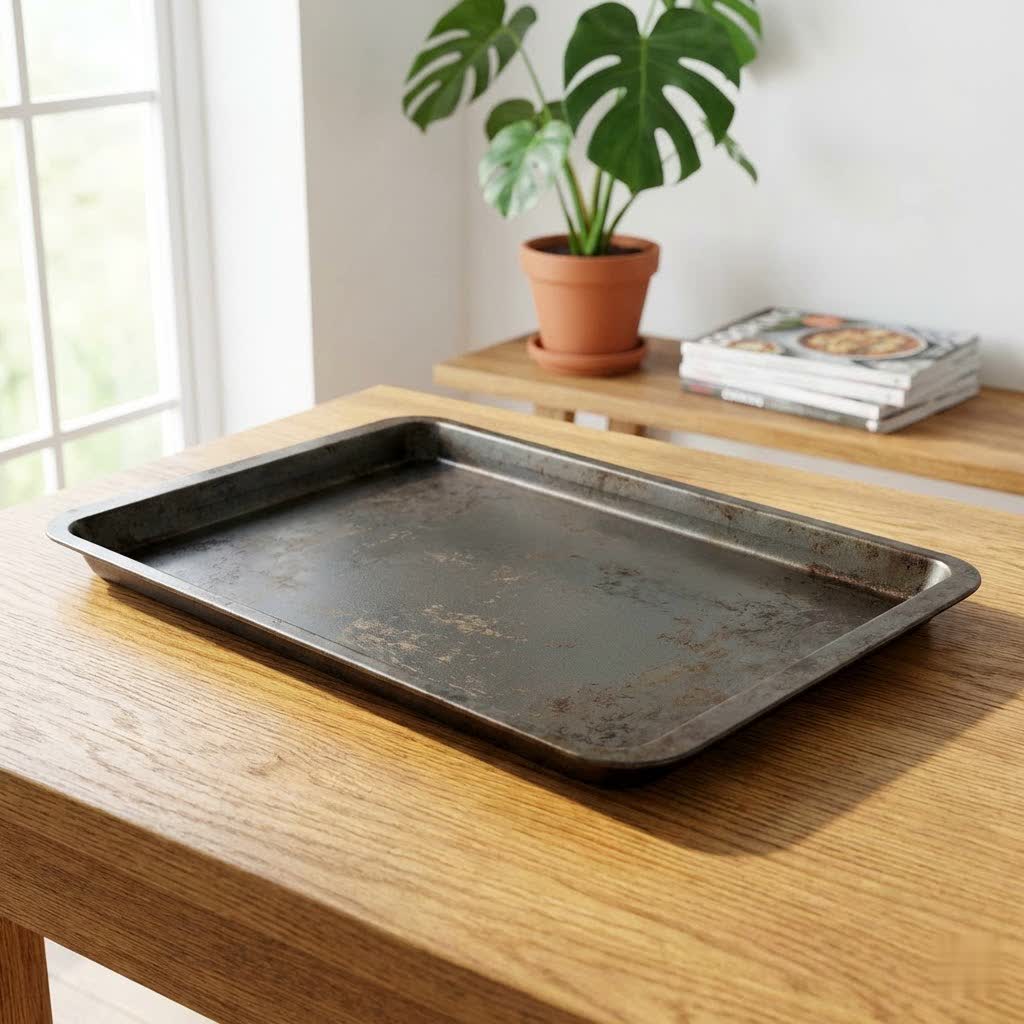
For years, the phrase “baking tray” conjured images of gleaming metal sheets, but the culinary landscape is evolving. Today, many home bakers encounter items often labeled as “plastic baking trays,” leading to confusion and important safety questions. It’s crucial to distinguish between conventional plastics, which typically cannot withstand oven temperatures, and silicone bakeware—a flexible, durable, and truly oven-safe alternative often grouped under the “plastic” umbrella. This comprehensive guide, crafted from over a decade of kitchenware expertise, will demystify these modern bakeware options. We’ll explore the various types, understand their unique applications and limitations, and equip you with the knowledge to select, use, and care for the perfect baking tray for every delicious creation.
Understanding “Plastic” in Baking Trays: A Crucial Clarification
The term “plastic baking tray” can be misleading, as most everyday plastics are not designed to endure the high temperatures of an oven. Placing standard plastic containers in a hot oven can lead to melting, warping, and potentially the release of harmful chemicals or toxic fumes into your food and kitchen environment. This is a critical safety concern that every home baker must understand. Generally, plastics like polyethylene terephthalate (PET), high-density polyethylene (HDPE), and polypropylene (PP) are excellent for food packaging and storage due to their durability and flexibility at room temperature, but they quickly reach their melting point in a conventional oven. For more baking trays guides on this site.
However, there are specialized exceptions. Certain types of plastics, such as Crystallizable Polyethylene Terephthalate (CPET), are engineered for specific high-heat applications and are indeed oven-safe up to designated temperatures. You typically find these in prepared meal trays designed to go straight from the freezer or refrigerator into a conventional oven. These products are explicitly marked by manufacturers as oven-safe, often with specific temperature guidelines. Always verify the manufacturer’s instructions and look for clear “oven-safe” labeling to ensure you are using the correct material for the intended purpose. Ignoring these guidelines can result in damaged bakeware, spoiled food, and unsafe conditions.
Silicone Baking Trays: The Flexible & Versatile Alternative
When people refer to “plastic baking trays” suitable for oven use, they are most often thinking of silicone bakeware. Silicone is a synthetic rubber-like material made from silicon (a natural element abundant in sand), oxygen, carbon, and hydrogen. Despite its flexible, plastic-like feel, silicone is fundamentally different from conventional plastics and possesses unique properties that make it an excellent choice for baking.
Advantages of Silicone Bakeware:
- Exceptional Heat Resistance: Food-grade silicone can safely withstand a wide range of temperatures, typically from -40°F to 500°F (-40°C to 260°C), making it suitable for both freezing and baking. This high tolerance prevents melting, warping, or the release of harmful substances during baking.
- Natural Non-Stick Surface: One of silicone’s most celebrated features is its inherent non-stick quality, which allows for effortless food release. This often eliminates the need for greasing or flouring, simplifying preparation and cleanup.
- Flexibility and Durability: Silicone bakeware is incredibly flexible, allowing you to easily “peel” pans away from delicate baked goods like muffins, cakes, and chocolates without damaging their shape. It’s also resistant to cracking, breaking, and rusting, ensuring long-lasting performance.
- Versatility: Beyond oven baking, silicone trays are safe for use in the freezer, microwave, and dishwasher, offering immense versatility for a variety of culinary tasks, from molding frozen desserts to reheating leftovers.
- Even Baking: Silicone’s insulating properties can contribute to more even heat distribution across the surface of your baked goods, reducing the likelihood of over-browned bottoms or burnt edges often seen with some metal trays.
Potential Disadvantages of Silicone Bakeware:
- Less Browning/Crispness: While silicone provides even baking, it doesn’t conduct heat as intensely as metal. This can result in a less crispy crust or a lighter browning on certain baked items, like cookies or artisan bread.
- Lack of Rigidity: The very flexibility that makes silicone great for unmolding can be a drawback when handling full pans. It’s almost always recommended to place silicone bakeware on a sturdy metal baking sheet before putting it into or taking it out of the oven for stability.
- Odor Absorption: While generally non-porous, some lower-quality silicone can occasionally absorb strong food odors if not cleaned thoroughly and promptly.
“Understanding the distinct properties of silicone versus traditional plastics is paramount. While they may feel similar, only food-grade silicone is truly engineered for safe, high-temperature oven use, offering unparalleled flexibility and non-stick benefits for bakers.” – Chef Elena Petrova, Culinary Innovator and Bakeware Expert
Types of Baking Trays (Focus on Plastic & Silicone Applications)
|
Our Picks for the Best Baking Tray in 2026
As an Amazon Associate I earn from qualifying purchases.
|
||
| Num | Product | Action |
|---|---|---|
| 1 | GoodCook Everyday Nonstick Carbon Steel Baking Sheet Set, 3 Pack – Small 13” x 9”, Medium 15” x 10”, Large 17” x 11” – Carbon Steel Cooking Pans, Cookie Sheet Bakeware Set |

|
| 2 | ROTTAY Baking Sheet with Rack Set (2 Pans + 2 Racks), Stainless Steel Cookie Sheet with Cooling Rack, Nonstick Baking Pan, Warp Resistant & Heavy Duty & Rust Free, Size 16 x 12 x 1 Inches |
|
| 3 | Stainless Steel Baking Sheet Tray Cooling Rack with Silicone Baking Mat Set, Cookie Pan with Cooling Rack, Set of 9 (3 Sheets + 3 Racks + 3 Mats), 10/12/16 Inch, Easy Clean |
|
| 4 | Baking Sheet Tray Cooling Rack with Silicone Baking Mat Set, Stainless Steel Cookie Pan For Oven, Set of 9 (3 Sheets + 3 Racks + 3 Mats), Warp Resistant & Heavy Duty & Easy Clean, Red |
|
| 5 | Premium Nonstick Baking Sheet Pans – Set of 3, Heavy-Gauge Carbon Steel, Warp, Dent, and Rust-Resistant – Gourmet Rimmed Half Cookie Sheet Trays, Non-Toxic for Exceptional Baking Performance |
|
| 6 | Nordic Ware Naturals Half Sheet - USA Made Aluminum Commercial Quality Sheet Pan for Baking or Roasting, Encapsulated Galvanized Steel Rim Prevents Warping, 2-Pack |
|
| 7 | GoodCook BestBake Nonstick Textured Carbon Steel Cookie Sheet, 11" x 17", Large Baking Sheet, Even Heating, Scratch-Resistant, Non-Toxic, Durable, Ideal for Baking and Sheet Pan Dinners |
|
| 8 | GoodCook Everyday Nonstick Carbon Steel 13” x 9” Baking Sheet Set, 3 Pack – Standard-Sized Carbon Steel Cooking Pans, Bakeware Set, Cookie Sheets for Baking, Oven Pan Set |
|
| 9 | NutriChef 3-Piece Nonstick Kitchen Oven Baking Pans - Premium & Stylish Non-Stick Steel, Commercial Grade Restaurant Quality Metal Bakeware with Red Silicone Handles - Easy to Clean, NCSBS3S |
|
| 10 | Commercial Quality Baking Sheet Pan Set, Natural Aluminum Cookie Sheet, Umite Chef Warp Resistant Baker's Half Sheet Pan, Large Thick Cookie Tray Pans for Baking, Roasting(2 Pack, 18X13In) |
|
The world of “plastic” baking trays truly opens up when considering silicone and highly specialized oven-safe plastics. Each type serves a specific purpose in the modern kitchen.
- Silicone Muffin and Cupcake Pans: These are perhaps the most popular silicone bakeware items. Their non-stick surface and flexibility make removing muffins and cupcakes a breeze, often without the need for liners. They are ideal for delicate baked goods that might otherwise stick to metal pans.
- Silicone Baking Mats: A staple in many kitchens, silicone baking mats, like those from Silpat, are placed on standard metal baking sheets. They provide a reusable, non-stick surface for baking cookies, pastries, roasting vegetables, and even making candy, eliminating the need for parchment paper and often for extra oil or grease.
- Silicone Loaf and Cake Molds: From bundt cakes to bread loaves and intricate molds for chocolates or gelatin desserts, silicone offers a vast array of shapes and sizes. Their flexible nature ensures intricate designs come out perfectly intact.
- Specialized Oven-Safe Plastic Trays (CPET): These are less common for general home baking but play a significant role in convenience foods. CPET (Crystallizable Polyethylene Terephthalate) trays are designed for ready-to-eat meals that can be heated directly in conventional ovens and microwaves. They are typically disposable and clearly labeled for oven safety and maximum temperature.
- Commercial Plastic Bakery Trays: In professional bakery settings, plastic trays made from materials like HDPE are used extensively, but primarily for handling, proofing, and transporting baked goods, not for oven baking. These trays offer durability, ease of cleaning, and customization for commercial operations, but are not oven-safe themselves.
How to Choose the Right “Plastic” Baking Tray
Selecting the appropriate “plastic” baking tray involves understanding your specific culinary needs and the material’s properties. Here are the key factors to consider:
- Intended Use: First and foremost, determine if you need a tray for actual oven baking, or for no-bake desserts, freezing, or simply food preparation and storage. If oven baking is the goal, food-grade silicone or explicitly marked oven-safe CPET plastics are your only viable options. For no-bake items, general food-grade plastics are perfectly safe.
- Material Certification and Safety: Always look for labels indicating “food-grade silicone” or “BPA-free” for any plastic or silicone product that will come into contact with food. This ensures the material meets safety standards and won’t leach harmful chemicals. For plastic products, specifically check for explicit “oven-safe” markings.
- Temperature Limits: Match the bakeware’s temperature rating to your oven’s typical baking temperatures. Most food-grade silicone can handle up to 400-500°F (200-260°C), which covers most baking recipes. Specialized oven-safe plastics will have their specific temperature ranges printed on them.
- Size and Shape: Ensure the tray fits comfortably in your oven, allowing for proper air circulation. Consider the types of baked goods you plan to make; muffin pans for muffins, loaf pans for bread, and sheet mats for cookies or roasting.
- Quality and Brand Reputation: Investing in products from reputable brands often guarantees higher quality materials and adherence to safety standards. Researching reviews can also provide insights into durability and performance.
Using and Caring for Your “Plastic” Baking Trays
Proper usage and maintenance are key to maximizing the lifespan and performance of your silicone and specialized plastic baking trays.
- Preparation for Baking (Silicone): While silicone is non-stick, some bakers find a light greasing with butter or oil can enhance browning, particularly for items that benefit from a crispier exterior. Always place flexible silicone bakeware onto a sturdy metal baking sheet before filling and transferring to the oven. This provides essential stability and prevents spills.
- Oven Safety Protocols: Adhere strictly to the manufacturer’s maximum temperature limits for your silicone or oven-safe plastic bakeware. Avoid exposing them to direct flame or placing them directly under a broiler, as this can cause damage or melting even for heat-resistant materials.
- Cleaning and Maintenance: Most silicone bakeware is dishwasher-safe, offering convenient cleanup. For handwashing, use warm soapy water and a soft sponge. Avoid abrasive cleaners or scouring pads, as these can damage the surface over time. Ensuring the bakeware is thoroughly dried before storing can prevent any potential stickiness or odor retention.
- Storage: Silicone’s flexibility allows for easy storage; mats can be rolled or laid flat, and pans can often be nested to save space. Proper storage helps maintain their shape and integrity.
Top “Plastic” Baking Trays (Silicone Focus)
When it comes to oven-safe “plastic” baking trays, silicone dominates the market due to its superior heat resistance and non-stick properties. Here are some highly-regarded categories and brands:
- Silicone Baking Mats: The Silpat Premium Nonstick Silicone Baking Mat is a perennial favorite among professionals and home bakers alike, known for its reliability, durability, and oven-safe rating up to 500°F (260°C). Other excellent options include mats from Nordic Ware and Zulay Kitchen, offering similar performance at various price points.
- Silicone Muffin and Cupcake Pans: Brands like Keliwa offer 100% BPA-free silicone muffin pans that ensure easy release and are safe up to 450°F (230°C). Look for pans with reinforced edges for easier handling.
- Silicone Cake and Loaf Pans: Mrs. Anderson’s Baking and Trudeau Structure Silicone provide a range of round, square, and fluted cake pans, as well as loaf pans, praised for their sturdy construction and effective non-stick properties, making them ideal for delicate batters.
- Specialized Oven-Ready CPET Trays: For convenience meals, look for products from brands specializing in disposable oven-ready packaging, which will clearly state their material and oven-safe temperature range. These are typically designed for single use.
These
Get our weekly buyer guide
Practical specs, not advice. Unsubscribe anytime.
