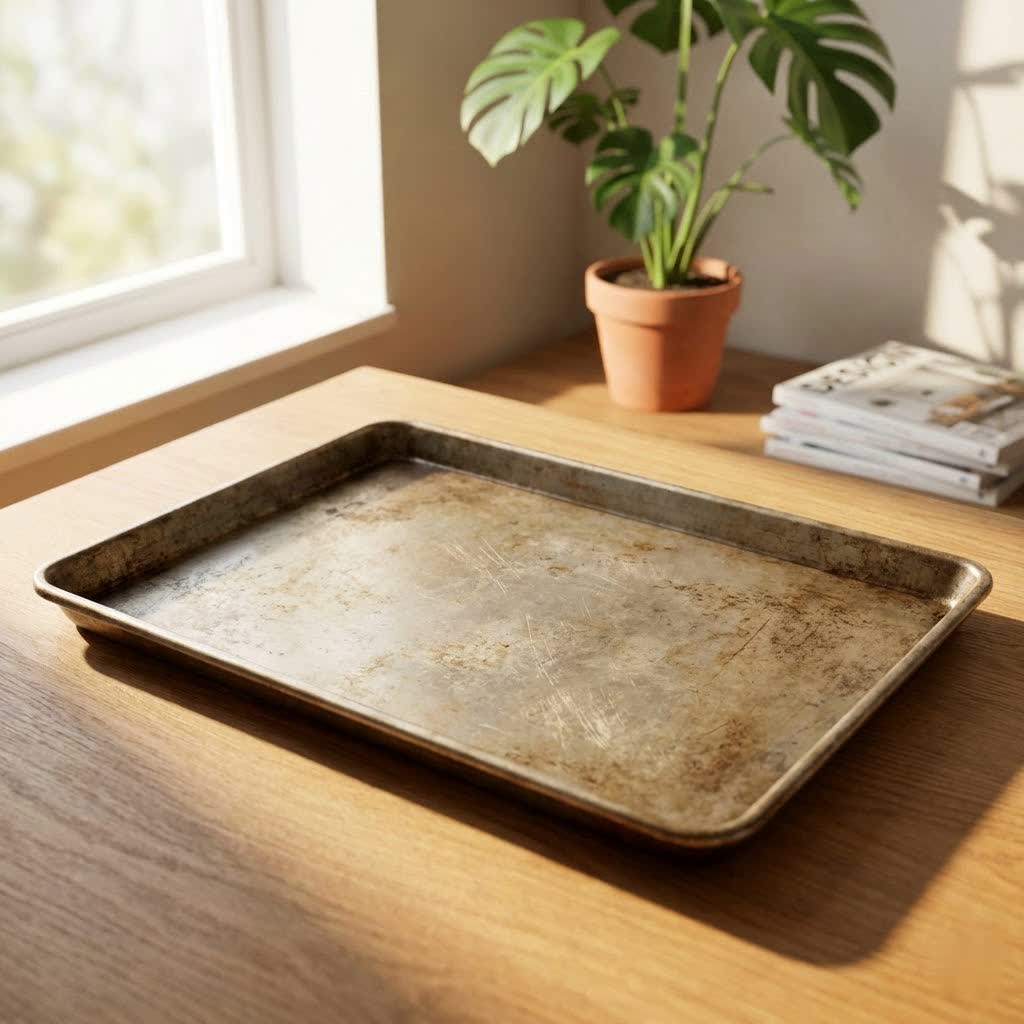
Stepping into the kitchen, a true baker knows the difference a quality baking tray makes. It’s not just a flat piece of metal; it’s the foundation for perfectly golden cookies, evenly roasted vegetables, and decadent sheet cakes. With over a decade of hands-on experience in kitchenware, particularly with baking trays, I’ve seen countless innovations and tested a many options. This guide will share those insights, helping you navigate the world of rectangle baking trays to find your ideal companion for every culinary adventure.
Common Types of Rectangle Baking Trays
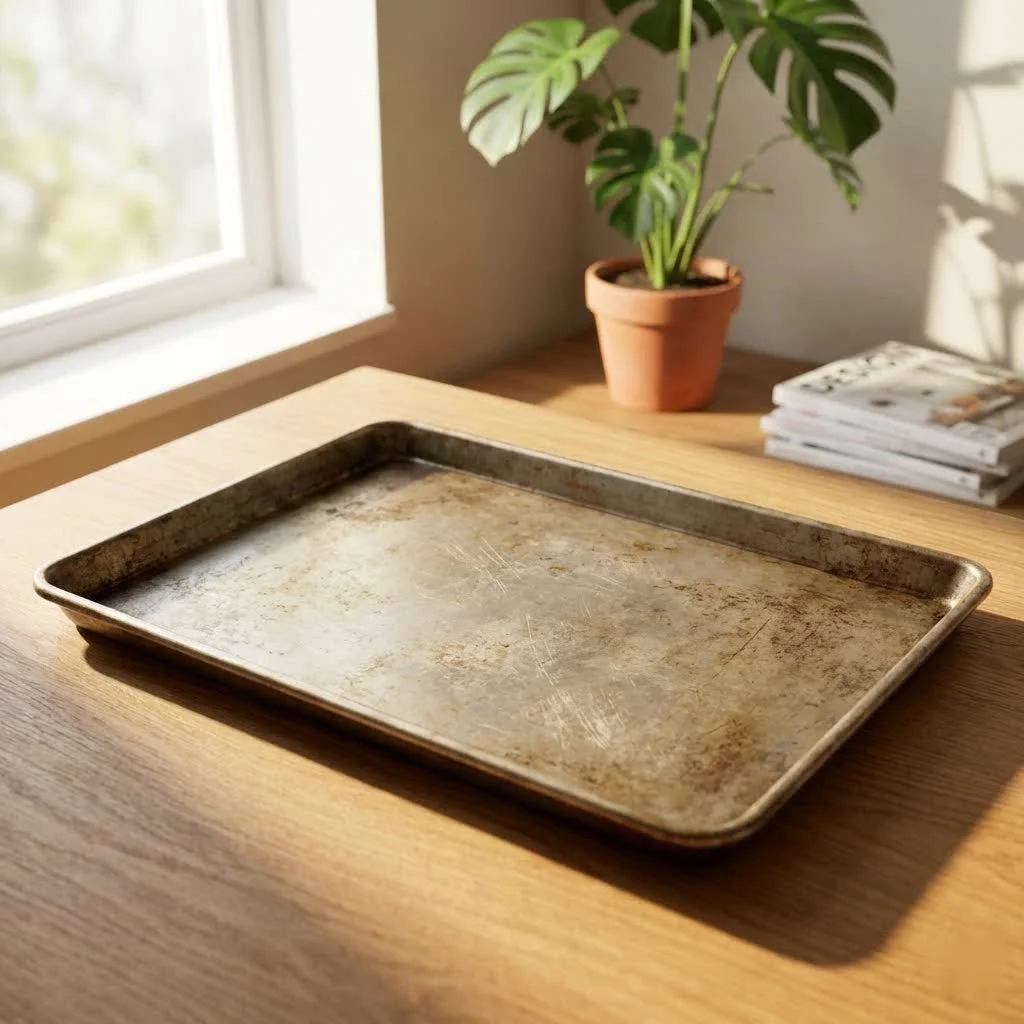
Rectangle baking trays, often called sheet pans or baking sheets, are versatile staples in any kitchen. Understanding the different types, primarily defined by their material and design features, is the first step towards making an informed choice. Each material offers unique advantages and disadvantages that can significantly impact your baking and roasting results. For more baking trays guides on this site.
Materials Matter: Unpacking Baking Tray Composition
Aluminum and Aluminized Steel
Aluminum is a highly popular choice for baking trays due to its excellent heat conductivity, ensuring even heat distribution for consistent baking. Many commercial kitchens rely on aluminum. Aluminized steel combines aluminum’s conductive properties with the strength of a steel core, making it more resistant to warping than pure aluminum. While generally affordable and durable, uncoated aluminum can react with acidic foods, potentially imparting a metallic taste or discoloring the food.
Stainless Steel
Known for its durability and non-reactive surface, stainless steel trays are easy to clean and maintain. They are a great choice if you’re concerned about food reactivity. However, stainless steel is not as good a heat conductor as aluminum, which can sometimes lead to less even browning or require longer baking times. Despite this, its robustness makes it a long-lasting option.
Non-Stick Coatings (on Steel or Aluminum)
Non-stick baking trays typically feature a coating over a steel or aluminum base, offering effortless food release and simplified cleanup. They reduce the need for excessive greasing or parchment paper, making them ideal for delicate items like cookies or pastries. The downside is that non-stick coatings can be less durable, prone to scratching, and may degrade over time, typically lasting two to three years with regular use. Their darker surface tends to absorb more heat, which can lead to faster browning and potentially over-baked edges if oven temperature isn’t adjusted.
Glass
Glass baking dishes are attractive and excellent insulators, retaining heat for longer periods. This property can be beneficial for dishes that benefit from sustained heat, like casseroles or bread puddings, and allows you to monitor crust color easily. They are also non-reactive and often dishwasher safe. However, glass heats up slower than metal and can cause edges and bottoms to become overly browned or hard before the center cooks through, often requiring a 25°F reduction in oven temperature. Glass is also susceptible to thermal shock, meaning rapid temperature changes can cause it to crack or shatter.
Ceramic and Stoneware
Similar to glass, ceramic and stoneware trays are poor heat conductors but excellent at retaining heat, making them suitable for serving dishes that need to stay warm. They are aesthetically pleasing and non-reactive. Their slow and uneven heat transfer means they may not be the best choice for delicate baked goods where precise browning is critical.
Designs for Every Bake: Shapes and Features
|
Our Picks for the Best Baking Tray in 2026
As an Amazon Associate I earn from qualifying purchases.
|
||
| Num | Product | Action |
|---|---|---|
| 1 | Nordic Ware Naturals Half Sheet - USA Made Aluminum Commercial Quality Sheet Pan for Baking or Roasting, Encapsulated Galvanized Steel Rim Prevents Warping, 2-Pack |

|
| 2 | Stainless Steel Baking Sheet Tray Cooling Rack with Silicone Baking Mat Set, Cookie Pan with Cooling Rack, Set of 9 (3 Sheets + 3 Racks + 3 Mats), 10/12/16 Inch, Easy Clean |
|
| 3 | ROTTAY Baking Sheet with Rack Set (2 Pans + 2 Racks), Stainless Steel Cookie Sheet with Cooling Rack, Nonstick Baking Pan, Warp Resistant & Heavy Duty & Rust Free, Size 16 x 12 x 1 Inches |
|
| 4 | Premium Nonstick Baking Sheet Pans – Set of 3, Heavy-Gauge Carbon Steel, Warp, Dent, and Rust-Resistant – Gourmet Rimmed Half Cookie Sheet Trays, Non-Toxic for Exceptional Baking Performance |
|
| 5 | GoodCook Everyday Nonstick Carbon Steel 13” x 9” Baking Sheet Set, 3 Pack – Standard-Sized Carbon Steel Cooking Pans, Bakeware Set, Cookie Sheets for Baking, Oven Pan Set |
|
| 6 | Commercial Quality Baking Sheet Pan Set, Natural Aluminum Cookie Sheet, Umite Chef Warp Resistant Baker's Half Sheet Pan, Large Thick Cookie Tray Pans for Baking, Roasting(2 Pack, 18X13In) |
|
| 7 | Baking Sheet Tray Cooling Rack with Silicone Baking Mat Set, Stainless Steel Cookie Pan For Oven, Set of 9 (3 Sheets + 3 Racks + 3 Mats), Warp Resistant & Heavy Duty & Easy Clean, Red |
|
| 8 | GoodCook BestBake Nonstick Textured Carbon Steel Cookie Sheet, 11" x 17", Large Baking Sheet, Even Heating, Scratch-Resistant, Non-Toxic, Durable, Ideal for Baking and Sheet Pan Dinners |
|
| 9 | NutriChef 3-Piece Nonstick Kitchen Oven Baking Pans - Premium & Stylish Non-Stick Steel, Commercial Grade Restaurant Quality Metal Bakeware with Red Silicone Handles - Easy to Clean, NCSBS3S |
|
| 10 | GoodCook Everyday Nonstick Carbon Steel Baking Sheet Set, 3 Pack – Small 13” x 9”, Medium 15” x 10”, Large 17” x 11” – Carbon Steel Cooking Pans, Cookie Sheet Bakeware Set |
|
Beyond material, rectangle baking trays come with specific design features:
- Rimmed Baking Sheets: These are the most common, featuring raised edges on all four sides to contain food and liquids. They are incredibly versatile for everything from cookies to roasted vegetables.
- Cookie Sheets: Traditionally, cookie sheets have only one or three raised edges, allowing cookies to slide off easily.
- Air Bake Pans: These insulated pans have two layers of metal with an air pocket in between, designed to prevent the bottom of delicate foods from burning.
- Perforated Pans: Featuring small holes, these trays promote air circulation, aiding in crisping up crusts for pizzas or artisan breads.
How to Choose the Perfect Rectangle Baking Tray
Selecting the right rectangle baking tray can feel overwhelming with so many options available. My decade of experience has taught me that a few key considerations will guide you to the perfect pan for your culinary needs.
Key Factors for Your Selection
1. Material Choice Aligned with Your Baking
Consider what you’ll primarily be baking. For even browning and all-purpose use, aluminum or aluminized steel is often the best choice due to their excellent heat conductivity. If you frequently bake delicate items that tend to stick, a good quality non-stick pan can be a convenience, though you’ll need to handle it with care to preserve its coating. For dishes you want to serve directly from the oven or those requiring sustained heat, glass or ceramic are great options, keeping in mind their slower heating properties and the need for oven temperature adjustments.
2. Size and Depth: A Recipe’s Best Friend
Always check your recipe first; it will typically specify the ideal pan size. Common rectangular sizes include the versatile 9×13-inch (quarter-sheet) for cakes, brownies, and lasagna, and the larger 13×18-inch (half-sheet) which is perfect for roasting larger batches of vegetables or baking multiple cookies. Ensure the pan fits comfortably in your oven, leaving at least a 2-inch clearance on all sides for proper heat circulation. The depth of the pan is also crucial; using a pan that’s too shallow can lead to spills, while one that’s too deep might hinder proper rising for certain baked goods.
3. Thickness and Rigidity for Even Results
A good quality baking tray should feel substantial. Thicker pans, particularly those made from heavy-gauge aluminum or aluminized steel, are less prone to warping at high temperatures, which can cause uneven baking. Look for pans with rolled edges or reinforced rims, as these features contribute to overall rigidity and durability.
4. The Impact of Color
The color of your baking tray significantly affects heat absorption and browning. Darker colored pans absorb more heat, leading to faster, more intense browning, which can result in crispy edges but potentially undercooked centers if not monitored. Lighter-colored pans reflect heat, promoting a more even and gentle bake. When using a dark or non-stick pan, it’s often advisable to reduce your oven temperature by 25°F to prevent over-browning.
5. Brand and Quality: An Investment in Your Kitchen
Investing in a reputable brand often pays off in terms of durability and consistent performance. While specific brand recommendations can vary, look for manufacturers known for quality bakeware. Read reviews and consider the warranty offered. Some trusted names include Nordic Ware, USA Pan, Pyrex, and Wilton, which often appear in top recommendations.
6. Practicality: Your Oven and Storage Space
Before purchasing, measure your oven interior to ensure the tray fits. Also, consider your storage capabilities. While a large half-sheet pan is incredibly useful, it needs a place to live when not in use. Matching pans to your baking style and available space ensures your tools are both functional and convenient.
> “In my years of baking, I’ve found that the best baking tray isn’t necessarily the most expensive, but the one that aligns perfectly with your most frequent baking tasks and your oven’s characteristics. Understanding how materials and design impact heat transfer is key.” – Alice Chen, Culinary Technologist, reviewwyse.com
Comparing Popular Rectangle Baking Tray Materials
Choosing the right material for your rectangle baking tray is a critical decision, as it directly impacts your baking results. Here’s a comparative overview of the most common materials:
| Feature | Aluminum (Uncoated) | Stainless Steel | Non-Stick (Coated Metal) | Glass | Ceramic/Stoneware |
|---|---|---|---|---|---|
| Heat Conductivity | Excellent; rapid & even heat transfer | Poor to moderate; can lead to uneven baking | Good, but coating’s dark color absorbs more heat | Poor; slow to heat but retains heat well | Poor; slow to heat but retains heat well |
| Non-Stick Property | Requires greasing/parchment; foods can stick | Requires greasing/parchment; foods can stick | Excellent; easy food release | Moderate; can stick if not greased | Moderate; can stick if not greased |
| Durability | Good; can warp if thin; susceptible to scratches | Excellent; highly robust and long-lasting | Moderate; coating can scratch/degrade | Good; but prone to thermal shock/shattering | Good; but can chip or break if dropped |
| Reactivity | Reactive with acidic/alkaline foods | Non-reactive | Non-reactive (due to coating) | Non-reactive | Non-reactive |
| Cleaning | Hand wash recommended; can stain | Easy to clean; often dishwasher safe | Easy cleanup; gentle hand wash best | Often dishwasher safe; easy to clean | Hand wash recommended; can be difficult to clean |
| Best Uses | Cookies, sheet cakes, roasting, general baking | Roasting, savory dishes, general baking | Cookies, delicate pastries, anything prone to sticking | Casseroles, lasagna, baked desserts, serving | Casseroles, gratins, slow-cooked dishes, serving |
| Price Range | Economical | Mid-range to High | Mid-range | Economical to Mid-range | Mid-range to High |
Tips for Using and Caring for Your Rectangle Baking Tray
Proper usage and care are essential to extend the life of your rectangle baking tray and ensure consistent baking results. Here are some expert tips from my kitchen to yours:
Usage Best Practices
- Prepping Your Pan: Even with non-stick trays, a light greasing or parchment paper lining can further ensure easy release and protect the pan’s surface, especially for delicate baked goods. For aluminum, always grease or line the pan to prevent sticking.
- Adjusting Oven Temperature: If you’re using a dark-colored or non-stick metal tray, or a glass baking dish, consider lowering your oven temperature by 25°F to prevent over-browning and promote more even cooking. Glass pans, in particular, retain heat longer, which can affect the final texture of baked goods.
- Preventing Warping: Thermal shock is a common culprit for pan warping, especially with thinner metal trays. Avoid placing a cold pan directly into a very hot oven, and never run cold water over a hot pan. Investing in heavier-gauge pans also significantly reduces the risk of warping.
- Even Heat Circulation: Ensure there’s adequate space around your baking tray in the oven (at least 2 inches on all sides) for hot air to circulate freely. Overcrowding the oven can lead to uneven baking and browning.
Cleaning and Storage for Longevity
- Handwashing is Often Best: While some metal pans are labeled “dishwasher safe,” harsh detergents in dishwashers can strip away coatings or dull the finish of aluminum and non-stick surfaces, significantly shortening their lifespan. For most metal trays, handwashing with warm, soapy water and a soft sponge is recommended.
- Tackling Stubborn Residue: For baked-on food, soak the tray in hot soapy water for 15-30 minutes. A paste of baking soda and a little water can also work wonders as a gentle abrasive for tougher spots. Avoid abrasive scrubbers or metal utensils, especially on non-stick surfaces, to prevent scratching.
- Glass Pan Care: Glass pans are typically dishwasher safe, offering easy cleanup. However, always allow a hot glass pan to cool down before washing or exposing it to cold water to prevent thermal shock and potential shattering.
- Proper Drying: Ensure your trays are completely dry before storing them to prevent rust, particularly for steel-based pans.
- Smart Storage: Stack pans carefully to prevent scratches. Placing a piece of parchment paper or a thin cloth between stacked trays, especially non-stick ones, can offer an extra layer of protection.
Top Rectangle Baking Trays for Every Kitchen
Based on extensive testing and user feedback, several brands consistently deliver high-quality rectangle baking trays that cater to various baking needs. While specific models may change, their core strengths remain.
For outstanding all-around performance, Nordic Ware aluminum sheet pans are frequently praised for their even baking and durability. Their heavy-gauge aluminum construction resists warping, making them a favorite for cookies, roasted vegetables, and sheet cakes. Similarly, USA Pan is renowned for its aluminized steel bakeware, often featuring a fluted surface that promotes airflow and adds strength, ensuring even baking and easy release.
When it comes to non-stick options, brands like Circulon and ProCook receive high marks for their effective coatings and sturdy construction, making cleanup a breeze. For glass bakeware, Pyrex remains the gold standard, offering reliable and versatile glass dishes perfect for casseroles, brownies, and serving straight from the oven. For those on a budget who still want reliable performance, Wilton often provides good value pans that have proven their worth over generations.
The “best” tray is one that meets your specific baking demands, fits your oven, and withstands the test of time in your kitchen.
Where to Buy Rectangle Baking Trays?
Finding the right rectangle baking tray is easier than ever with a multitude of purchasing options available. Whether you prefer the tactile experience of shopping in person or the convenience of online browsing, you have plenty of avenues to explore.
For a wide selection and competitive pricing, online retailers like Amazon, Wayfair, or specialty kitchenware websites are excellent choices. These platforms allow you to compare various brands, materials, and sizes from the comfort of your home, often featuring detailed product descriptions and customer reviews to aid your decision. Just to double-check dimensions and shipping policies before finalizing your purchase, as sizes can sometimes be deceptive.
If you prefer to see and feel the quality of a baking tray before buying, department stores with kitchenware sections, dedicated kitchen supply stores, or even large supermarkets often carry a decent range of options. Shopping in person allows you to assess the thickness and weight of the pan, ensuring it feels sturdy and resistant to warping. While prices might sometimes be slightly higher than online, you gain the benefit of immediate purchase and the ability to ask store associates for advice.
No matter where you choose to shop, prioritize checking product specifications, material composition, and customer feedback. Look for guarantees or warranties, as these can be indicators of a brand’s confidence in its product’s durability. Comparing prices across different vendors can also help ensure you’re getting the best deal for your desired quality.
Conclusion
The rectangle baking tray is an indispensable workhorse in any kitchen, a silent partner in countless culinary creations. From its material composition—be it conductive aluminum, robust stainless steel, convenient non-stick, versatile glass, or heat-retaining ceramic—to its size, thickness, and even color, every detail influences your baking success. By understanding these nuances and considering your specific baking needs, oven compatibility, and care routines, you can confidently choose a tray that not only performs beautifully but also stands the test of time.
Investing in the right rectangle baking tray means more than just buying bakeware; it means enhancing your baking journey, ensuring every dish emerges perfectly cooked and delightfully delicious. What delectable creation will you bake first with your new perfect pan?
Frequently Asked Questions
What is the standard size for a rectangle baking tray?
The most common and versatile standard sizes for rectangular baking trays are the half-sheet pan (approximately 18×13 inches) and the quarter-sheet pan (approximately 9×13 inches). These sizes fit most home ovens and are suitable for a wide range of recipes, from large batches of cookies to casseroles.
Can I use a glass baking tray instead of a metal one?
Yes, you can often substitute a glass baking tray for a metal one, but with caution. Glass heats slower and retains heat longer, which can lead to faster browning and potentially overcooked edges. It’s generally recommended to reduce your oven temperature by 25°F and adjust baking time accordingly when using glass instead of metal.
How do I stop my baking tray from warping?
To prevent warping, choose a heavy-gauge baking tray made from thick material like aluminized steel, which offers greater rigidity. Avoid extreme temperature changes, such as placing a cold pan into a very hot oven or running cold water over a hot pan. Ensuring even heat distribution in your oven also helps.
Are non-stick baking trays durable?
Non-stick baking trays can be quite durable if cared for properly, but their coating generally has a shorter lifespan than uncoated metal or glass pans, typically lasting two to three years of regular use before showing signs of wear. To maximize durability, avoid metal utensils, harsh scrubbing, and high heat, and opt for gentle handwashing.
How to clean burnt food off a baking tray?
For burnt-on food, start by soaking the tray in hot, soapy water for 15-30 minutes to loosen debris. For tougher stains, create a paste with baking soda and a small amount of water, apply it to the burnt areas, let it sit for a while, and then scrub gently with a non-abrasive sponge. Avoid harsh chemicals or metal scrubbers that can damage the pan’s surface.
Get our weekly buyer guide
Practical specs, not advice. Unsubscribe anytime.
