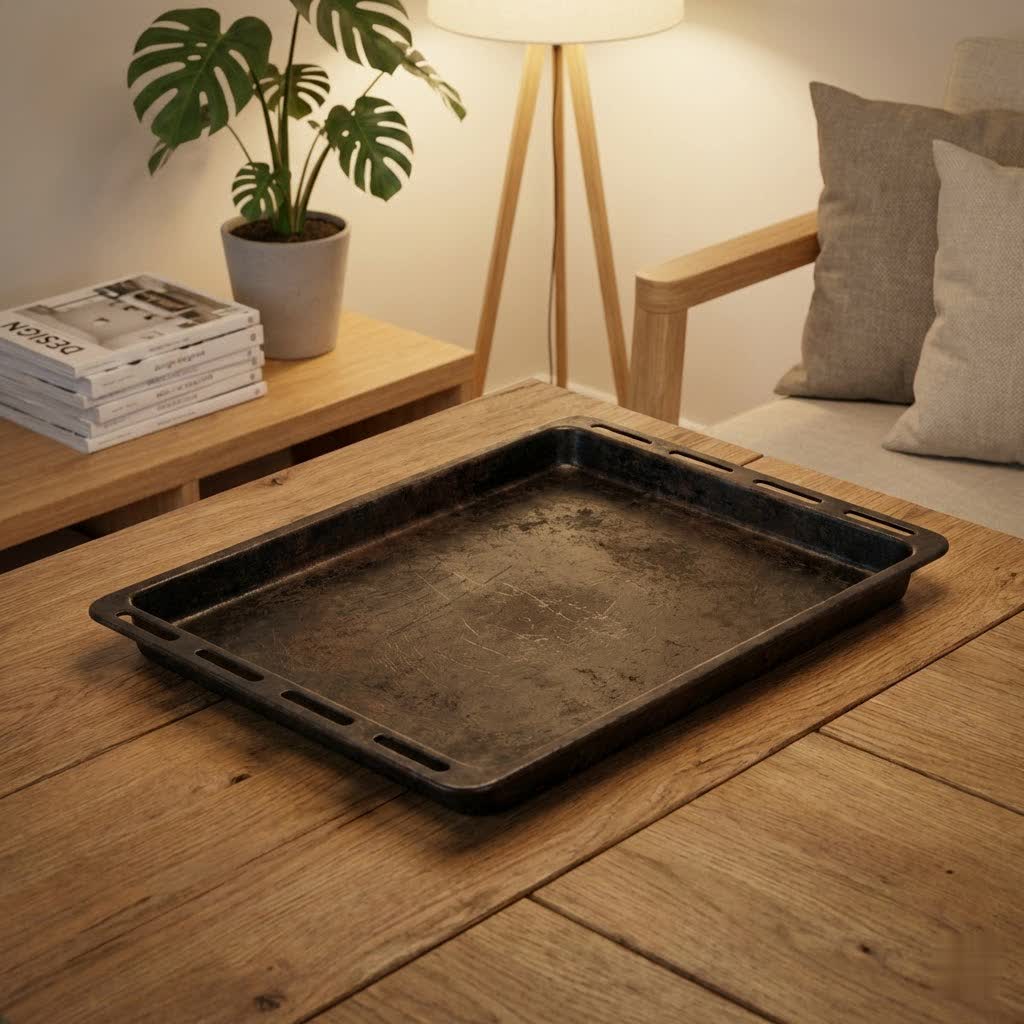
Silver baking trays, typically made from aluminum or aluminized steel, are essential for home bakers due to their excellent heat conductivity and even baking performance. These light-colored, reflective pans ensure consistent browning and effortless food release, making them a versatile tool for everything from delicate cookies to robust roasted vegetables. Understanding the specific properties of aluminum, aluminized steel, and anodized aluminum helps bakers choose the best tray for their culinary needs.
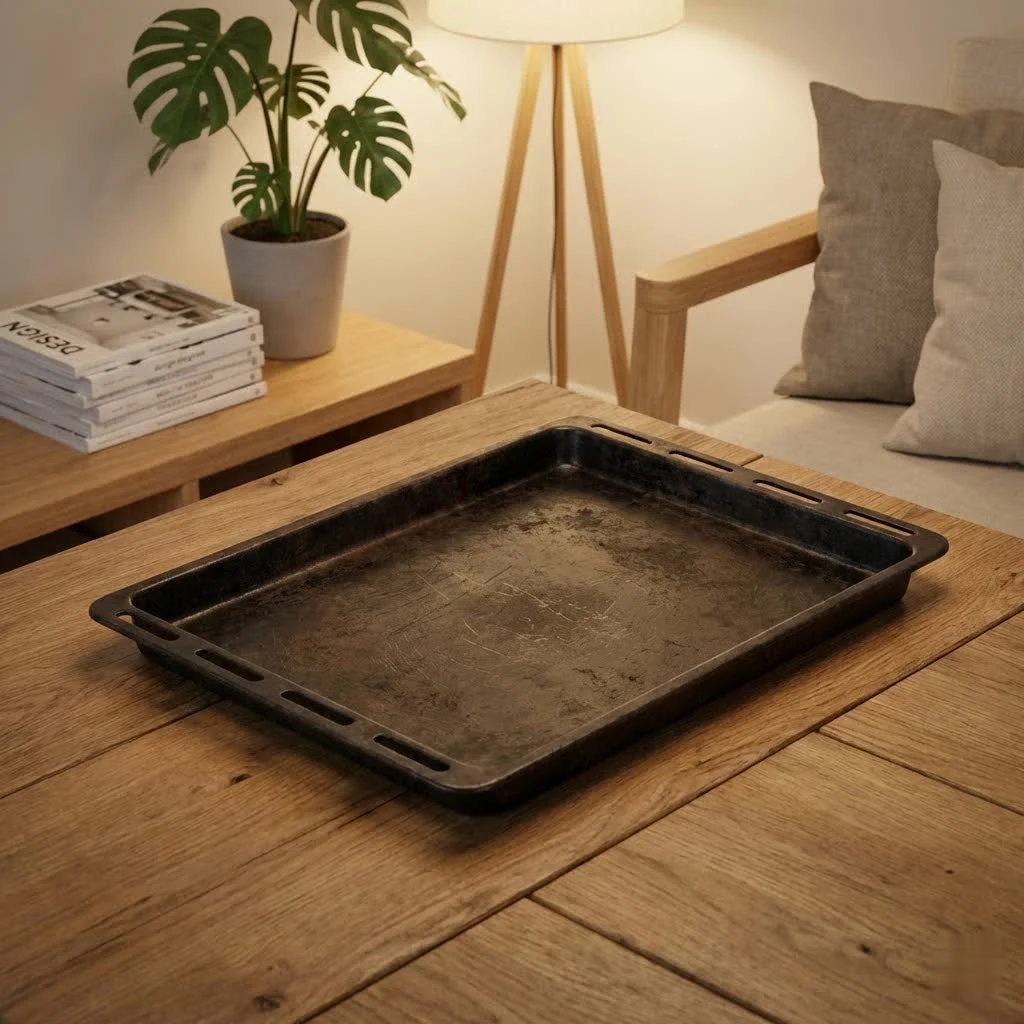
1. Demystifying Silver Baking Trays: Types and Materials
The term “silver baking tray” generally refers to light-colored metal bakeware, primarily aluminum and aluminized steel, with anodized aluminum offering enhanced performance. Each material provides unique properties that influence heat distribution and durability.
Aluminum Baking Trays
Aluminum is favored for its exceptional heat conductivity and affordability. These lightweight pans heat rapidly and distribute heat evenly, preventing hot spots and ensuring consistent baking for items like cookies and cakes. However, standard aluminum can react with acidic ingredients, potentially causing a metallic taste or pan discoloration. They are also relatively soft and prone to dents or warping if not handled carefully.
Aluminized Steel Baking Trays
Aluminized steel is a professional standard, combining a strong steel core with an aluminum coating. This hybrid construction offers the rigidity and durability of steel, resisting warping and denting, while leveraging aluminum’s superior heat conductivity for even baking. Many high-quality aluminized steel pans feature a clear, food-safe silicone glaze, enhancing non-stick properties and simplifying food release and cleanup. These trays are valued for consistent performance and longevity.
Anodized Aluminum Baking Trays
Anodized aluminum undergoes an electrochemical process that hardens its surface and makes it non-reactive. This treatment creates a durable, corrosion-resistant, and scratch-resistant finish, addressing drawbacks of untreated aluminum. Anodized pans offer excellent heat distribution without reacting with acidic foods, providing improved food release. They are a durable choice, combining aluminum’s lightweight benefits with enhanced performance and easier maintenance.
Stainless Steel (A Brief Contrast)
While some stainless steel trays appear “silver,” they are not ideal for baking due to poor heat transfer. Stainless steel is durable, rust-resistant, and non-reactive, making it suitable for storage or high-temperature roasting. However, it conducts heat poorly compared to aluminum or aluminized steel, often leading to uneven heating and longer baking times.
2. Your Guide to Choosing the Perfect Silver Baking Tray
Selecting the right silver baking tray is crucial for optimal results. Several factors beyond aesthetics influence a pan’s performance and durability.
Material Matters: Matching to Your Bake
Your material choice should align with your frequent baking tasks.
- For delicate bakes like cakes, cookies, and pastries, standard aluminum or anodized aluminum trays are excellent. Their even heat distribution prevents burnt edges and ensures a tender crumb.
- For professional-grade durability and versatility, including roasting vegetables and baking bread, aluminized steel is superior. Its robust construction resists warping at high temperatures, delivering reliable results.
- If you frequently work with acidic ingredients (e.g., tomato sauces, lemon bars), anodized aluminum or aluminized steel are preferable as they are non-reactive, preventing metallic tastes or pan discoloration.
Size and Shape for Your Oven and Recipes
|
Our Picks for the Best Baking Tray in 2026
As an Amazon Associate I earn from qualifying purchases.
|
||
| Num | Product | Action |
|---|---|---|
| 1 | Commercial Quality Baking Sheet Pan Set, Natural Aluminum Cookie Sheet, Umite Chef Warp Resistant Baker's Half Sheet Pan, Large Thick Cookie Tray Pans for Baking, Roasting(2 Pack, 18X13In) |

|
| 2 | GoodCook Everyday Nonstick Carbon Steel 13” x 9” Baking Sheet Set, 3 Pack – Standard-Sized Carbon Steel Cooking Pans, Bakeware Set, Cookie Sheets for Baking, Oven Pan Set |
|
| 3 | GoodCook Everyday Nonstick Carbon Steel Baking Sheet Set, 3 Pack – Small 13” x 9”, Medium 15” x 10”, Large 17” x 11” – Carbon Steel Cooking Pans, Cookie Sheet Bakeware Set |
|
| 4 | Stainless Steel Baking Sheet Tray Cooling Rack with Silicone Baking Mat Set, Cookie Pan with Cooling Rack, Set of 9 (3 Sheets + 3 Racks + 3 Mats), 10/12/16 Inch, Easy Clean |
|
| 5 | Baking Sheet Tray Cooling Rack with Silicone Baking Mat Set, Stainless Steel Cookie Pan For Oven, Set of 9 (3 Sheets + 3 Racks + 3 Mats), Warp Resistant & Heavy Duty & Easy Clean, Red |
|
| 6 | GoodCook BestBake Nonstick Textured Carbon Steel Cookie Sheet, 11" x 17", Large Baking Sheet, Even Heating, Scratch-Resistant, Non-Toxic, Durable, Ideal for Baking and Sheet Pan Dinners |
|
| 7 | ROTTAY Baking Sheet with Rack Set (2 Pans + 2 Racks), Stainless Steel Cookie Sheet with Cooling Rack, Nonstick Baking Pan, Warp Resistant & Heavy Duty & Rust Free, Size 16 x 12 x 1 Inches |
|
| 8 | Nordic Ware Naturals Half Sheet - USA Made Aluminum Commercial Quality Sheet Pan for Baking or Roasting, Encapsulated Galvanized Steel Rim Prevents Warping, 2-Pack |
|
| 9 | NutriChef 3-Piece Nonstick Kitchen Oven Baking Pans - Premium & Stylish Non-Stick Steel, Commercial Grade Restaurant Quality Metal Bakeware with Red Silicone Handles - Easy to Clean, NCSBS3S |
|
| 10 | Premium Nonstick Baking Sheet Pans – Set of 3, Heavy-Gauge Carbon Steel, Warp, Dent, and Rust-Resistant – Gourmet Rimmed Half Cookie Sheet Trays, Non-Toxic for Exceptional Baking Performance |
|
Tray dimensions are paramount. Measure your oven’s interior, leaving about two inches of space on all sides for air circulation. Common sizes include half-sheet (18×13 inches) for most home ovens, and quarter-sheet (9×13 inches) for smaller batches. Shallow trays are ideal for cookies, sheet cakes, and roasting, allowing maximum surface exposure. Deeper trays suit casseroles or dishes that expand significantly.
Gauge and Durability: The Thicker, The Better
Gauge refers to metal thickness; a lower number indicates a thicker pan. Thicker trays (typically 10 to 18 gauge for home use) are less likely to warp under high heat and distribute heat more consistently, leading to better baking. Thin pans are prone to warping, causing uneven baking. Investing in heavy-gauge bakeware ensures longevity and consistent performance.
Non-Stick vs. Uncoated Surfaces
Both non-stick and uncoated silver baking trays have advantages.
- Non-stick coatings (on aluminized steel or some aluminum pans) offer convenience for easy food release and cleanup. They require careful handling to prevent scratching; avoid cutting food directly on the surface.
- Uncoated pans are highly durable and achieve excellent browning, especially with parchment paper or silicone baking mats. Many professional bakers prefer uncoated aluminum for its ability to develop a natural patina, which enhances non-stick properties and heat transfer.
Rolled Rims and Construction
Trays with rolled rims enhance structural integrity, making them more rigid and less susceptible to warping. Rolled rims also provide a comfortable grip for transporting hot trays. Good construction prevents flexing and ensures the pan maintains its shape over countless uses.
Brand Reputation and Warranty
Reputable brands often signify quality. Researching brands like Nordic Ware Naturals, USA Pan, or Fat Daddio’s can guide you to reliable products. Many high-quality baking trays include warranties, offering peace of mind and demonstrating manufacturer confidence in durability.
3. Silver Baking Tray Showdown: A Comparative Look
Choosing between aluminum, aluminized steel, and anodized aluminum is simplified by understanding their core differences. Their material properties dictate ideal uses and overall performance.
Here’s a detailed comparison:
| Feature | Standard Aluminum | Aluminized Steel | Anodized Aluminum |
|---|---|---|---|
| Heat Conductivity | Excellent; heats quickly and evenly | Excellent; steel core with aluminum surface | Excellent; consistent heat distribution |
| Durability | Good; lightweight, but prone to dents and warping if thin | Excellent; highly resistant to warping and denting | Very Good; hardened surface resists scratches |
| Reactivity | Can react with acidic foods | Non-reactive due to aluminum-silicone coating | Non-reactive due to hardened surface |
| Non-Stick | Requires greasing/parchment; develops patina over time | Often features a durable silicone glaze for natural non-stick | Good food release due to smooth, hardened surface |
| Browning Profile | Light, even browning; good for delicate items | Consistent, controlled browning; versatile | Light, even browning; ideal for delicate items |
| Maintenance | Hand wash recommended; susceptible to discoloration | Hand wash recommended to preserve coating | Hand wash recommended |
| Price | Most affordable | Mid-range to higher | Mid-range to higher |
| Best For | Everyday baking, cookies, cakes, delicate items | Professional results, heavy-duty use, all-around versatility | Acidic foods, enhanced durability, consistent baking |
Standard aluminum trays are the most budget-friendly, excelling in even heat distribution for delicate baked goods. However, their potential reactivity with acids and susceptibility to warping (if thinner gauge) are considerations.
Aluminized steel trays offer enhanced durability and professional performance. The steel core provides exceptional strength, resisting distortion, while the aluminum coating ensures excellent heat transfer. The common silicone glaze further enhances non-stick capabilities, making them a favorite for reliability and ease of use across many recipes.
Anodized aluminum pans are a significant upgrade over standard aluminum. The anodization process creates a harder, non-reactive surface, eliminating concerns about metallic flavors or discoloration with acidic ingredients. This treatment also provides scratch resistance, contributing to longevity. They retain aluminum’s excellent heat conduction while offering improved durability and versatility.
While standard aluminum is a solid entry point, serious bakers or those seeking more robust and specialized features will find greater value and performance in aluminized steel or anodized aluminum options.
4. Master Your Oven: Tips for Using and Caring for Silver Baking Trays
Even the best silver baking tray requires proper usage and care for optimal performance and longevity. Understanding how to prepare, use, and clean your pan effectively will enhance baking results and extend its lifespan.
Prepping Your Tray for Success
Proper pan preparation is crucial before adding ingredients.
- Greasing and Flourishing: For cakes and many pastries, greasing and lightly flouring the pan creates a non-stick barrier.
- Parchment Paper or Silicone Mats: These are excellent allies. Parchment paper provides a disposable non-stick surface and simplifies cleanup, while reusable silicone baking mats offer a sustainable, high-performance alternative, ensuring even baking and easy release. They are especially useful on uncoated aluminum pans.
- Understanding Pan Color and Temperature: The light, reflective surface of silver baking trays promotes gentler, more even baking by reflecting heat. Darker pans absorb more heat, leading to faster, more aggressive browning. If a recipe calls for a dark pan and you use a lighter silver tray, you might need to increase your oven temperature by 25°F or bake slightly longer for similar browning. Conversely, if substituting a dark pan for a light one, consider reducing the oven temperature by 25°F.
Proper Cleaning and Maintenance
Maintaining your silver baking trays is key to their longevity and performance.
- Hand Washing is King: For most aluminum and aluminized steel pans, hand washing is highly recommended. Dishwashers’ harsh chemicals and high heat can strip anodized finishes, damage non-stick coatings, and cause oxidation or discoloration, especially on uncoated aluminum.
- Gentle Cleaning: Use warm, soapy water and a soft sponge or cloth. Avoid abrasive scrubbers, steel wool, or harsh detergents, which can scratch surfaces and compromise non-stick properties.
- Thorough Drying: After washing, dry your trays immediately and thoroughly. Residual moisture, particularly in rolled rims or corners, can lead to rust, especially with aluminized steel where the steel core might be exposed.
Dealing with Discoloration and Tarnish
Over time, especially with uncoated aluminum, silver baking trays may develop a darkened, dull patina. This oxidation is generally harmless and can even enhance the pan’s non-stick qualities.
For stubborn tarnish or heavy discoloration, particularly if it’s actual tarnishing rather than just a patina, try an electrochemical cleaning method:
- Line a large basin or sink with aluminum foil, shiny side up.
- Place the discolored tray on the foil, ensuring contact.
- Sprinkle about ½ cup of baking soda per gallon of water and a tablespoon of salt over the tray and foil.
- Carefully pour hot (preferably boiling) water over the tray until submerged. A chemical reaction will occur, often producing bubbles and helping to lift the tarnish.
- Let it soak for 15-30 minutes, then remove, rinse thoroughly, and dry. This method effectively removes tarnish without scrubbing.
Storage Tips
Store baking trays carefully to prevent scratches and damage. Stacking them with parchment paper, a silicone mat, or a thin cloth between each tray protects surfaces. Vertical storage in a rack also saves space and prevents damage.
5. Top Silver Baking Trays: Expert Recommendations
Choosing from many options can be daunting, but certain brands consistently offer quality, performance, and durability. Here are expert-recommended silver baking trays for various needs and budgets:
-
Nordic Ware Naturals Half Sheet Pan: Acclaimed in home and professional kitchens, Nordic Ware Naturals pans are made from natural aluminum. They are known for exceptional heat conductivity, even baking, and warp resistance. These uncoated pans develop a patina that enhances non-stick properties. They are ideal for cookies, sheet cakes, roasting vegetables, and tasks requiring consistent, gentle heat. Many professional bakers consider them indispensable.
-
USA Pan Bakeware: USA Pan specializes in aluminized steel bakeware, often featuring a proprietary Americoat® silicone glaze. This combination delivers outstanding durability, excellent heat distribution, and a genuinely non-stick surface for effortless food release and cleanup. Their corrugated surfaces promote airflow for even baking. USA Pan offers a wide array of shapes and sizes, making them a fantastic investment for professional results and longevity.
-
Fat Daddio’s Anodized Aluminum Pans: For those prioritizing a non-reactive surface without sacrificing aluminum’s superb heat conductivity, Fat Daddio’s anodized aluminum pans are a top choice. Their seamless construction and hard-anodized finish ensure durability, scratch resistance, and consistent baking without metallic flavors. They are popular for cakes and delicate bakes requiring a perfectly even, light golden finish.
-
Durable Commercial-Grade Aluminum Sheet Pans: For a budget-friendly yet robust option, look for commercial-grade uncoated aluminum sheet pans from restaurant supply stores or online retailers. Brands like Vollrath or similar heavy-gauge options provide excellent heat transfer and durability at a competitive price. While they may require parchment paper or silicone mats for non-stick baking, their sturdiness makes them a reliable staple.
When selecting your top pick, consider baking frequency, types of items baked most often, and your budget. Investing in one or two high-quality silver baking trays from these trusted brands can significantly improve your baking.
6. Where to Buy Your Next Silver Baking Tray
Finding the perfect silver baking tray is easier than ever with various purchasing avenues. Whether you prefer online convenience or a hands-on store experience, ample options exist.
Online Retailers
Online platforms offer unparalleled selection, often at competitive prices, with detailed product descriptions and customer reviews.
- Amazon: A vast marketplace for brands like Nordic Ware, USA Pan, and Fat Daddio’s. You’ll find a wide range of sizes and often benefit from fast shipping.
- Specialty Bakeware Websites: Many brands have their own websites (e.g., USAPan.com) or are found on dedicated kitchen supply sites. These might offer exclusive products or bundles.
- Home Goods Retailers (Online): Websites for stores like Target, Walmart, or Bed Bath & Beyond often carry a selection of quality baking trays, including popular “silver” options.
When shopping online, always:
- Read Reviews: Pay attention to customer feedback regarding warping, non-stick durability, and overall performance.
- Check Dimensions: Confirm the exact size of the tray to ensure it fits your oven.
- Review Return Policies: Understand the return process if the pan doesn’t meet expectations.
Kitchen Supply Stores and Supermarkets
For those who prefer to see and feel the product before buying:
- Kitchen Supply Stores: Stores like Williams Sonoma, Sur La Table, or general home goods stores such as Bed Bath & Beyond often stock high-quality brands of aluminum and aluminized steel bakeware. You can inspect the gauge, feel the weight, and check for rolled rims.
- Restaurant Supply Stores: These stores are a goldmine for durable, heavy-duty commercial-grade sheet pans at excellent prices. While not always aesthetically pleasing, their focus is on functionality and longevity.
- Supermarkets/Hypermarkets: Many larger grocery stores have a kitchenware section where you can find basic aluminum baking trays. Selection might be limited, and pan gauge thinner.
Considerations When Buying
- Compare Prices: Check different retailers, online and in-store, for the best deals, especially during sales.
- Look for Bundles: Buying a set of two or three common sizes (like half-sheet and quarter-sheet) can be more economical.
- Consider Warranties: A good warranty shows manufacturer confidence and offers protection against defects.
Regardless of where you purchase, selecting a quality silver baking tray will benefit your future baked goods.
Conclusion
The right silver baking tray is a foundation for countless culinary successes. Whether you choose the superb heat conductivity of aluminum, the robust durability of aluminized steel, or the enhanced performance of anodized aluminum, understanding these materials empowers you to make an informed choice. From achieving delicate, even browning on cookies to perfectly roasted vegetables, a well-chosen and properly cared-for baking tray significantly impacts results.
By focusing on factors like material, gauge, size, and construction, and by committing to simple care routines, you can ensure your trays remain reliable companions for years. Equip your kitchen with the best, and watch your culinary creations flourish.
Clean a Discolored Silver Baking Tray
Remove stubborn tarnish and discoloration from your silver baking trays using a simple electrochemical cleaning method with household items.
Line a large basin or your sink with aluminum foil, ensuring the shiny side faces up. This foil will act as an electrode in the cleaning process.
Place the discolored baking tray directly on the aluminum foil, making sure there is good contact between the two. Sprinkle a generous amount of baking soda (about u00bd cup per gallon of water) and a tablespoon of salt over both the tray and the foil.
Carefully pour hot, preferably boiling, water over the tray until it is fully submerged. You should observe a chemical reaction, often indicated by bubbling, which helps lift the tarnish from the metal surface.
Allow the tray to soak in the hot water mixture for 15-30 minutes. After soaking, remove the tray, rinse it thoroughly under running water, and dry it immediately to prevent new spots or rust.
Get our weekly buyer guide
Practical specs, not advice. Unsubscribe anytime.

I picked up one of the more affordable aluminum trays mentioned, and while it bakes fine, I’m a little disappointed with how easily it scratches. I’m careful with my utensils, but it seems to mark up pretty quickly. It still gets the job done for roasted vegetables, but I was hoping for something a bit more robust.
I’ve been using a basic aluminum baking tray for years, and it’s always done a decent job. I appreciate the point about consistent browning; I’ve noticed that with my current pan. I’m considering trying an anodized aluminum one next to see if it really makes a noticeable difference in durability and non-stick properties. Good info!
This information on heat conductivity was super helpful! I always wondered why some of my baked goods turned out better than others. My new silver baking tray, which I believe is aluminum, has been a game-changer for my delicate cookies. They come out perfectly golden every time without any hot spots.
I finally upgraded to an aluminized steel tray after reading about the benefits, and wow, what a difference! My cookies are baking so much more evenly now, no more burnt bottoms and raw centers. The food release is also fantastic, even with stickier doughs. Definitely worth the investment for any serious home baker.