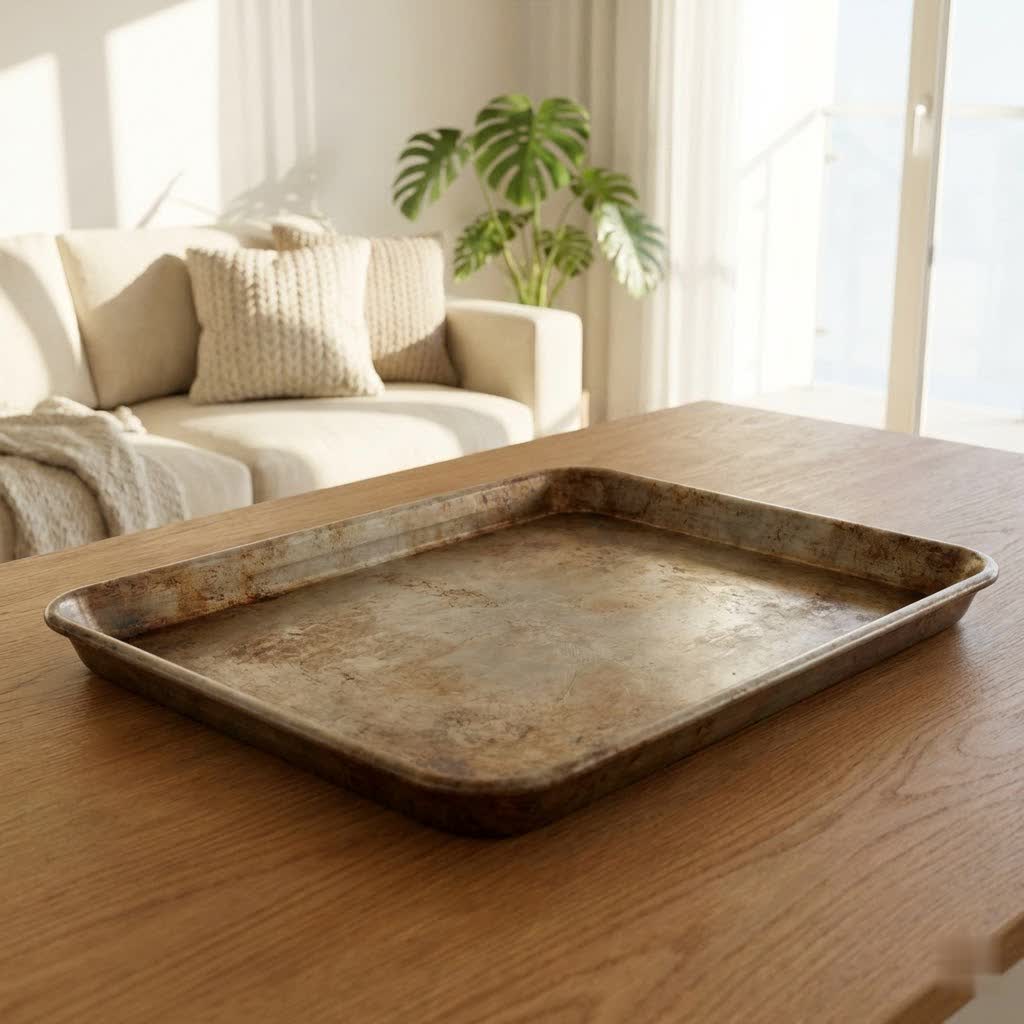
Entering the kitchen, ready to craft delectable treats, the choice of bakeware often feels like a secret ingredient. For many experienced bakers and culinary enthusiasts, the Stoneware Baking Tray stands out as a preferred companion, renowned for its ability to transform everyday baking into an art. If you’ve ever dreamt of perfectly golden crusts, evenly cooked dishes, and a rustic charm in your bakeware, then understanding stoneware is your next step to culinary mastery. This comprehensive guide will navigate you through everything you need to know about selecting, using, and caring for stoneware baking trays, ensuring your journey in the world of baking is both rewarding and delicious.
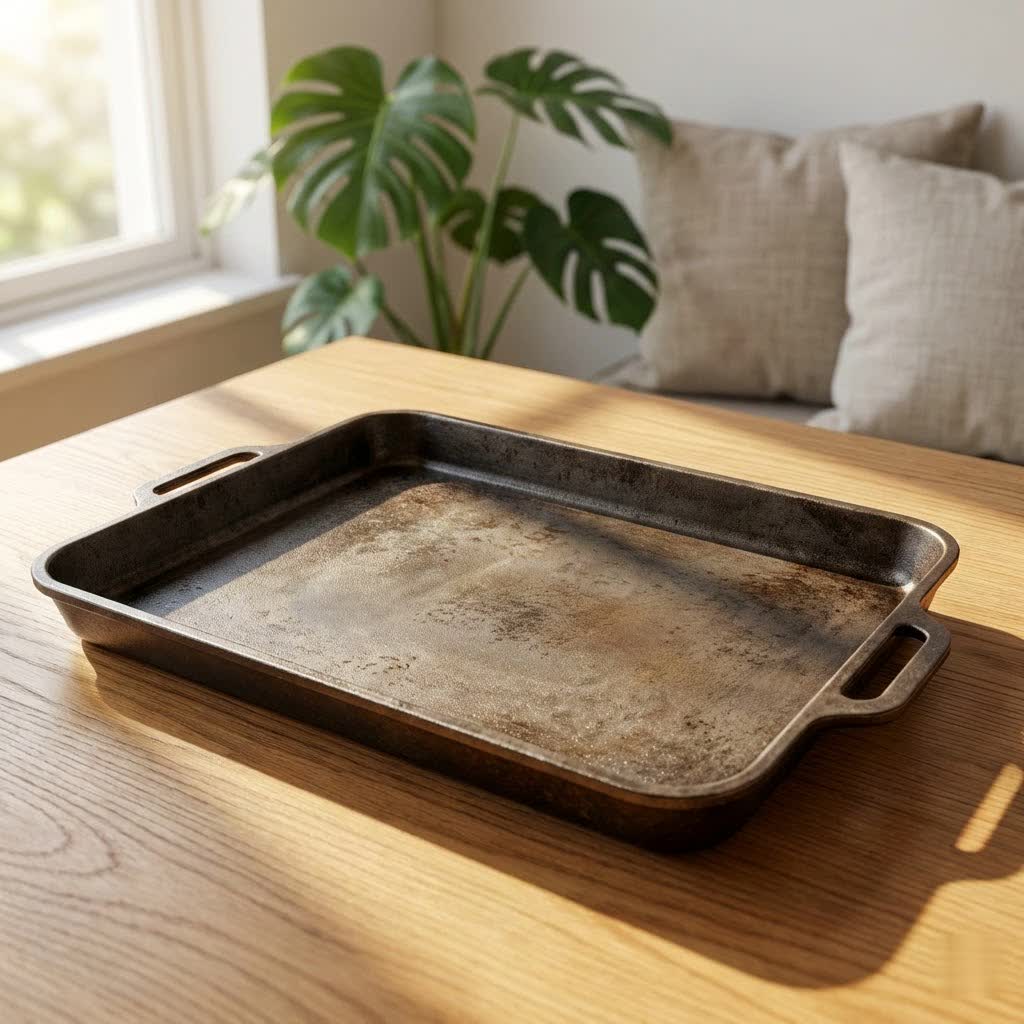
Understanding the Different Types of Baking Trays
The world of bakeware offers a variety of materials, each with unique properties that influence your baking results. While metal, glass, and silicone trays have their places, stoneware bakeware distinguishes itself through its natural composition and exceptional heat management.
Stoneware baking trays are crafted from refined clay, fired at incredibly high temperatures, typically between 2,100°F and 2,300°F. This intense firing process creates a dense, durable material that becomes semi-porous (in unglazed forms) or completely non-porous (when glazed). The inherent thermal mass of stoneware means it heats up slowly but retains heat exceptionally well, distributing it evenly across the baking surface. This characteristic is a game-changer for achieving consistent results, from perfectly crisped cookies to beautifully browned casseroles.
Key Types of Stoneware Baking Trays:
- Unglazed Stoneware: This traditional type develops a natural “seasoning” over time, much like cast iron. It absorbs moisture from doughs, leading to crispier crusts, especially beneficial for breads and pizzas.
- Glazed Stoneware: Featuring a smooth, often colorful, ceramic coating, glazed stoneware is typically easier to clean and prevents food absorption. It still offers excellent heat retention but may not develop the same “seasoned” non-stick surface as unglazed varieties.
- Common Shapes: Stoneware comes in various forms, including rectangular baking sheets, round pizza stones, loaf pans, and casserole dishes, each optimized for different baking tasks.
Advantages of Stoneware Baking Trays:
- Superior Heat Retention and Distribution: Stoneware excels at maintaining a consistent temperature, which translates to even cooking and browning without hot spots. This helps create crispy exteriors and tender interiors.
- Natural Non-Stick Surface: With proper seasoning and consistent use, unglazed stoneware develops a natural non-stick surface, reducing the need for excessive oils or parchment paper.
- Durability: Made from robust clay, stoneware is generally resistant to chipping and scratches under normal use, outlasting many other bakeware materials.
- Versatility: Many stoneware pieces can go directly from the freezer to a preheated oven, and some are even broiler-safe, offering convenience and flexibility in your cooking.
- Aesthetic Appeal: The rustic, handcrafted look of stoneware makes it beautiful enough to serve directly from the oven to the table, enhancing your dining experience.
Disadvantages of Stoneware Baking Trays:
- Weight and Brittleness: Stoneware can be heavier than other bakeware, and while durable, it is susceptible to breakage if dropped or exposed to sudden, extreme temperature changes (thermal shock).
- Slower Heating Time: Due to its high thermal mass, stoneware takes longer to preheat than metal pans, requiring patience and sometimes oven temperature adjustments.
- Initial Seasoning Requirement (Unglazed): Unglazed stoneware needs to be seasoned, much like cast iron, to build up its non-stick properties, which can be an extra step for new users.
- Cleaning Considerations: While seasoned stoneware can be easy to clean, stubborn baked-on food or improper cleaning agents can damage the seasoning or surface.
|
Our Picks for the Best Baking Tray in 2026
We may earn a commission when you use one of our links to make a purchase.
|
||
| Num | Product | Action |
|---|---|---|
| 1 | GoodCook Everyday Nonstick Carbon Steel Baking Sheet Set, 3 Pack – Small 13” x 9”, Medium 15” x 10”, Large 17” x 11” – Carbon Steel Cooking Pans, Cookie Sheet Bakeware Set |

|
| 2 | Baking Sheet Tray Cooling Rack with Silicone Baking Mat Set, Stainless Steel Cookie Pan For Oven, Set of 9 (3 Sheets + 3 Racks + 3 Mats), Warp Resistant & Heavy Duty & Easy Clean, Red |
|
| 3 | Premium Nonstick Baking Sheet Pans – Set of 3, Heavy-Gauge Carbon Steel, Warp, Dent, and Rust-Resistant – Gourmet Rimmed Half Cookie Sheet Trays, Non-Toxic for Exceptional Baking Performance |
|
| 4 | NutriChef 3-Piece Nonstick Kitchen Oven Baking Pans - Premium & Stylish Non-Stick Steel, Commercial Grade Restaurant Quality Metal Bakeware with Red Silicone Handles - Easy to Clean, NCSBS3S |
|
| 5 | Nordic Ware Naturals Half Sheet - USA Made Aluminum Commercial Quality Sheet Pan for Baking or Roasting, Encapsulated Galvanized Steel Rim Prevents Warping, 2-Pack |
|
| 6 | Stainless Steel Baking Sheet Tray Cooling Rack with Silicone Baking Mat Set, Cookie Pan with Cooling Rack, Set of 9 (3 Sheets + 3 Racks + 3 Mats), 10/12/16 Inch, Easy Clean |
|
| 7 | GoodCook Everyday Nonstick Carbon Steel 13” x 9” Baking Sheet Set, 3 Pack – Standard-Sized Carbon Steel Cooking Pans, Bakeware Set, Cookie Sheets for Baking, Oven Pan Set |
|
| 8 | Commercial Quality Baking Sheet Pan Set, Natural Aluminum Cookie Sheet, Umite Chef Warp Resistant Baker's Half Sheet Pan, Large Thick Cookie Tray Pans for Baking, Roasting(2 Pack, 18X13In) |
|
| 9 | ROTTAY Baking Sheet with Rack Set (2 Pans + 2 Racks), Stainless Steel Cookie Sheet with Cooling Rack, Nonstick Baking Pan, Warp Resistant & Heavy Duty & Rust Free, Size 16 x 12 x 1 Inches |
|
| 10 | GoodCook BestBake Nonstick Textured Carbon Steel Cookie Sheet, 11" x 17", Large Baking Sheet, Even Heating, Scratch-Resistant, Non-Toxic, Durable, Ideal for Baking and Sheet Pan Dinners |
|
How to Choose the Best Stoneware Baking Tray
Selecting the ideal stoneware baking tray involves considering several factors to match your baking habits and needs. Thoughtful consideration here will ensure your investment serves you well for years to come.
When choosing a stoneware baking tray, prioritize thicker, heavier pieces over lightweight alternatives, as they offer superior heat retention and distribution. Ensure the size and shape align with your most frequent baking needs and fit comfortably within your oven. Researching reputable brands known for their quality stoneware, such as Emile Henry or Pampered Chef, can provide assurance of durability and performance.
Key Factors to Consider:
- Material Quality and Thickness: Look for stoneware that feels substantial and dense. Thicker pieces retain heat more effectively and are less prone to thermal shock. While most stoneware is robust, variations in firing temperature and clay quality can affect overall durability.
- Glazed vs. Unglazed: Decide based on your primary use. Unglazed is excellent for bread, pizza, and items requiring a crispy bottom, as it helps draw moisture. Glazed stoneware is often preferred for casseroles, roasted vegetables, and dishes where easier cleaning is a priority.
- Size and Shape: Consider what you bake most often. Standard rectangular baking sheets are versatile, while round pizza stones are perfect for pizzas, and loaf pans for breads. Ensure the dimensions fit comfortably in your oven without touching the sides, allowing for proper air circulation.
- Brand Reputation: Investing in stoneware from a well-regarded brand often guarantees better quality, consistent performance, and reliable customer support.
- Oven Compatibility: While stoneware is oven-safe, always check the manufacturer’s specific temperature limits. Some stoneware can also withstand broiler temperatures, adding to its versatility.
Comparing Stoneware with Other Bakeware Materials
To truly appreciate the value of a stoneware baking tray, it’s helpful to understand how it stacks up against other popular materials. Each material brings its own set of characteristics to the oven, impacting the final baked product.
| Feature | Stoneware | Metal (Aluminum/Steel) | Glass (Pyrex/Borosilicate) | Silicone |
|---|---|---|---|---|
| Heat Properties | Excellent retention, even distribution, slow to heat | Heats quickly, cools quickly, can have hot spots | Good retention, slow to heat, good for even cooking | Flexible, poor heat retention, prevents browning |
| Browning/Crust | Excellent for crispy crusts, even browning | Good for crisping, can over-brown edges | Good for even browning, can stick | Minimal browning, soft crusts |
| Non-stick | Develops natural non-stick (unglazed), often requires seasoning | Often non-stick coating (can wear), usually needs greasing/parchment | Needs greasing, food can stick | Inherently non-stick |
| Durability | Very durable, but brittle (thermal shock risk) | Prone to warping (especially thinner gauges) | Durable, but breaks if dropped (thermal shock risk) | Highly flexible, can tear, degrades over time |
| Maintenance | Hand wash (unglazed, no soap), baking soda paste for deep clean | Dishwasher safe (most), easy to clean | Dishwasher safe, easy to clean | Dishwasher safe, easy to clean |
| Versatility | Oven, broiler (some), freezer to oven | Oven, broiler (some) | Oven, microwave, freezer to oven | Oven, microwave, freezer |
| Cost | Moderate to high | Low to moderate | Low to moderate | Low to moderate |
Stoneware’s unique ability to absorb and evenly distribute heat makes it exceptional for dishes that benefit from consistent, gentle baking, such as breads, pizzas, and casseroles. While metal excels in rapid heat transfer for quick baking, and glass offers visual monitoring and easy cleaning, stoneware provides a distinct advantage for achieving a perfectly cooked interior and a beautifully crisp exterior.
> “The unique thermal properties of stoneware allow it to mimic the results of a professional brick oven, providing a crust that’s unparalleled in home baking.” – Chef Elena Petrova, Renowned Pastry Artist
Tips for Using and Caring for Your Stoneware Baking Tray
Maximizing the lifespan and performance of your stoneware baking tray requires a good understanding of its unique characteristics and how to properly care for it. Following these guidelines will ensure your stoneware remains a kitchen favorite for years.
To properly use a stoneware baking tray, always preheat it empty for at least 10-15 minutes to ensure even heat distribution and prevent thermal shock. For optimal performance, position it on a middle oven rack, and consider lowering your recipe’s suggested temperature by 25-50°F to account for stoneware’s superior heat retention. For care, gently scrape off food residue with a nylon scraper and clean with warm water, avoiding soap on unglazed pieces to preserve the natural seasoning.
Initial Preparation and Seasoning:
- No Initial Seasoning (for most new pieces): Unlike cast iron, most modern stoneware, especially glazed varieties, does not require initial seasoning. However, for unglazed stoneware, seasoning can enhance its natural non-stick properties over time.
- Building a Natural Non-Stick (Unglazed): For unglazed stoneware, baking high-fat foods like biscuits, roasted vegetables, or pizza during the first few uses can help build a natural, seasoned surface. You can also lightly brush it with cooking oil before these initial bakes. The darker the stone becomes, the better its non-stick performance.
Usage Best Practices:
- Preheating is Key: Always preheat your stoneware empty in the oven for at least 10-15 minutes before adding food. This allows the stone to reach the desired temperature, preventing thermal shock and ensuring even cooking from the start.
- Temperature Adjustments: Due to excellent heat retention, stoneware can cause food to cook faster or brown more deeply. You might need to reduce your oven temperature by 25-50°F from what a recipe calls for, especially when transitioning from metal or glass bakeware.
- Avoid Thermal Shock: Never place a hot stoneware tray directly into cold water or a cold tray into a very hot oven. Extreme temperature changes can cause the stoneware to crack. Always allow it to cool gradually.
- Middle Rack Placement: For consistent results and to avoid direct heat spikes from heating elements, place your stoneware on the middle rack of your oven.
Cleaning and Storage:
- Simple Cleaning (Daily): For unglazed, seasoned stoneware, cleaning is often as simple as scraping off any food residue with a nylon scraper or plastic spatula and rinsing with warm water. Avoid using soap, as it can strip the natural seasoning.
- Deep Cleaning Stubborn Stains: For tough, baked-on food or to refresh your stoneware, create a paste with ½ cup baking soda and 3 tablespoons of water. Apply the paste to the stained area, let it sit for 10-15 minutes, then scrape and rinse with warm water. Repeat if necessary.
- Glazed Stoneware: Most glazed stoneware is dishwasher safe, but handwashing with mild soap and warm water is often sufficient and recommended by some manufacturers to preserve the glaze.
- Drying and Storage: Ensure your stoneware is completely dry before storing to prevent mildew or odors. Store it in a cabinet where it won’t be easily knocked or chipped.
Top Qualities to Look for in a Stoneware Baking Tray
While we won’t recommend specific brands or products here, knowing what makes a stoneware baking tray excellent will empower you to make an informed choice. Prioritize these qualities to find a piece that will serve your baking needs for years.
When seeking a top-tier stoneware baking tray, focus on materials that promise uniform heat distribution and retention, ensuring your baked goods cook thoroughly and evenly. Durability is paramount, so look for pieces resistant to thermal shock and chipping, capable of withstanding the rigors of frequent use. Evaluate the design for versatility in the kitchen and consider products that offer clear, simple cleaning and maintenance instructions.
- Exceptional Heat Performance: The primary benefit of stoneware is its heat retention and distribution. Look for products that boast these qualities, leading to even browning and perfectly cooked interiors.
- Robust Construction: A good stoneware piece should feel solid and substantial, indicating a well-fired, durable product. This reduces the risk of cracking under normal use.
- Thermal Shock Resistance: While all stoneware can be prone to thermal shock, some higher-quality materials and manufacturing processes offer better resistance. Look for indicators of this in product descriptions or reviews.
- Easy Maintenance: While seasoning and specific cleaning methods are part of stoneware care, look for pieces that are praised for being relatively easy to maintain after proper seasoning. Glazed options often simplify cleanup.
- Versatile Design: Consider pieces with practical designs – comfortable handles, appropriate depths for different dishes, and shapes that fit various oven sizes and cooking needs.
Where to Purchase Stoneware Baking Trays
Finding the right stoneware baking tray involves knowing where to look for quality and variety. The market offers several avenues, each with its own advantages.
You can purchase stoneware baking trays from various reliable sources, including specialty kitchenware stores, which often have knowledgeable staff and high-end brands. Large department stores provide a broader selection, while online retailers offer unparalleled variety and competitive pricing, often accompanied by extensive customer reviews to aid your decision.
- Specialty Kitchenware Stores: These stores often carry high-quality, reputable brands and their staff can provide expert advice on different types and their care.
- Department Stores: Larger department stores typically have a dedicated kitchenware section with a range of stoneware options, from everyday utility to more premium brands.
- Online Retailers: Websites like Amazon, Williams Sonoma, and Sur La Table offer an extensive selection of stoneware baking trays, often with detailed product descriptions and customer reviews. This allows for easy comparison of features, prices, and user experiences.
- Brand-Specific Websites: Many popular stoneware brands sell directly from their own websites, sometimes offering exclusive products or bundles.
Conclusion
Embracing the stoneware baking tray in your kitchen is more than just choosing another piece of bakeware; it’s an investment in superior baking results and a touch of rustic elegance. From its unmatched heat retention and even cooking to its ability to develop a natural non-stick surface over time, stoneware offers a unique culinary experience. While it requires mindful handling to avoid thermal shock and specific cleaning practices to maintain its integrity, the rewards—crispy crusts, perfectly baked dishes, and lasting durability—are well worth the effort. By selecting a quality piece and adhering to simple care guidelines, your stoneware baking tray will become an indispensable tool, helping you create memorable meals and delicious baked goods for years to come.
Are you ready to transform your baking with the timeless charm and exceptional performance of stoneware?
Frequently Asked Questions
What kind of food is best to bake in a stoneware tray?
Stoneware trays are ideal for foods that benefit from even, consistent heat and a crispy crust. This includes pizzas, artisan breads, cookies, roasted vegetables, and casseroles. Their heat retention properties ensure thorough cooking and beautiful browning.
Do I need to season my stoneware baking tray?
Unglazed stoneware typically benefits from seasoning to develop a natural non-stick surface. This can be achieved by baking high-fat foods or lightly oiling the surface for the first few uses. Many glazed stoneware pieces, however, do not require initial seasoning.
Can stoneware go directly from the freezer to a hot oven?
While some stoneware is designed to withstand a freezer-to-oven transition, it is crucial to always check the manufacturer’s specific guidelines. To prevent thermal shock and potential cracking, it is generally safer to allow frozen stoneware to temper slightly at room temperature before placing it in a preheated oven.
How do I remove stubborn baked-on food from stoneware?
For stubborn baked-on food, create a paste using ½ cup baking soda and 3 tablespoons of water. Apply the paste to the affected area, let it sit for 10-15 minutes, then gently scrape with a nylon scraper and rinse with warm water. Avoid harsh abrasives or metal tools.
Why did my stoneware crack in the oven?
Stoneware typically cracks due to thermal shock, which occurs when it experiences a sudden, drastic change in temperature. This can happen if a cold stoneware piece is placed directly into a very hot oven, or if a hot piece is cooled rapidly with cold water. Always preheat stoneware gradually and allow it to cool slowly.