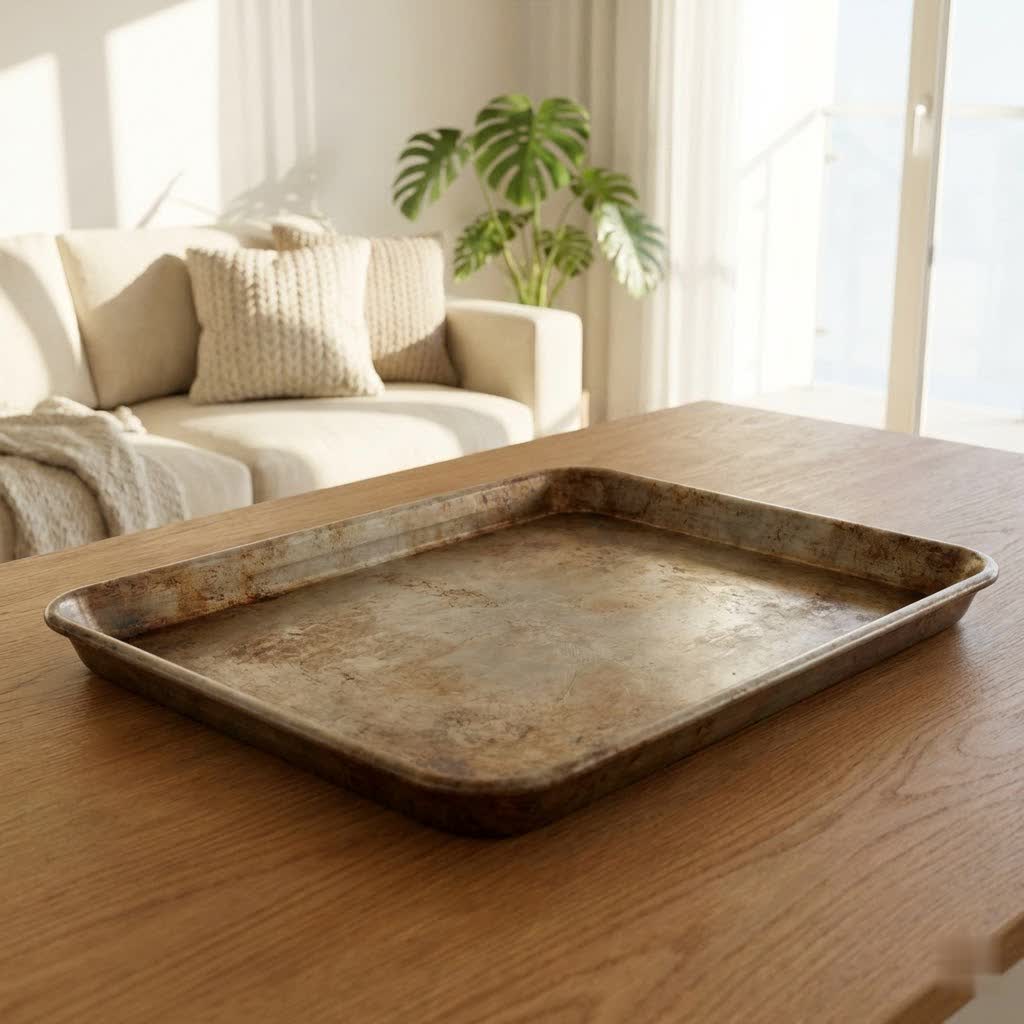
Stepping into the world of tarts opens up a realm of culinary delights, from rustic apple tarts to sophisticated chocolate ganache creations. But behind every perfect tart with its crisp, golden crust and impeccably shaped edges lies a secret weapon: the right Tart Baking Tray. More than just a simple pan, a quality tart tray is an essential tool that transforms your baking from good to extraordinary, ensuring effortless release and a stunning presentation every time. Whether you’re a seasoned baker or just beginning your journey into pastry, understanding the nuances of tart pans is key to achieving those show-stopping results that impress both family and friends. Join us as we explore everything you need to know to choose, use, and care for the perfect tart baking tray, elevating your baking prowess to new heights.
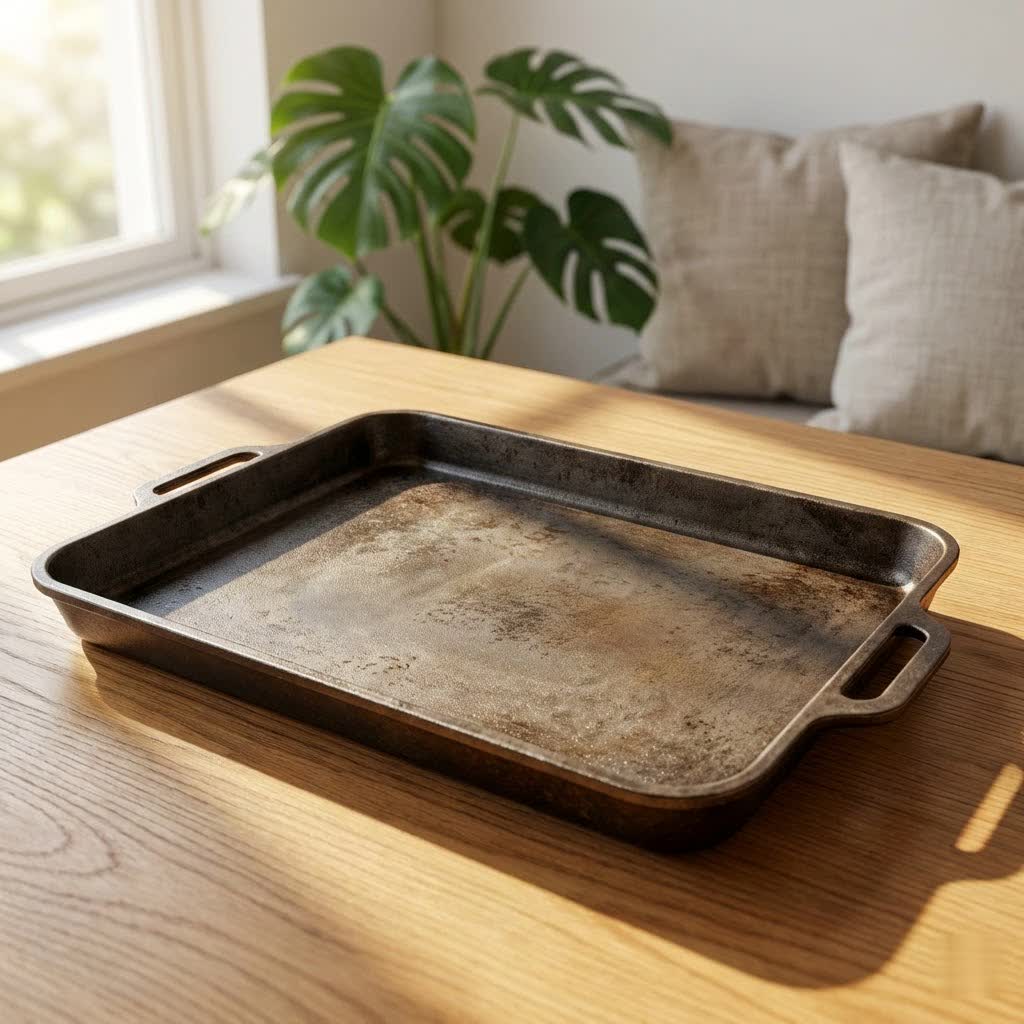
Popular Types of Tart Baking Trays
Tart baking trays come in a delightful array of materials, shapes, and designs, each offering unique benefits to the discerning baker. Understanding these variations is the first step toward finding your ideal baking companion.
Materials Matter: Unveiling the Core of Your Tart Pan
The material of your tart pan significantly impacts heat distribution, durability, and how easily your tart releases.
- Metal (Aluminum, Carbon Steel, Stainless Steel): Metal pans are the workhorses of the tart world, prized for their excellent heat conductivity, which ensures an evenly baked, crisp crust.
- Aluminum: Lightweight and highly responsive to temperature changes, aluminum promotes rapid and even browning. It’s durable but can react with acidic foods if not anodized or coated.
- Carbon Steel: Known for its robustness and superior heat retention, carbon steel provides sturdy support and consistent baking. Many carbon steel pans feature non-stick coatings for easy release and cleanup.
- Stainless Steel: Offering resilience and corrosion resistance, stainless steel pans are durable and can withstand high temperatures. They conduct heat well, leading to uniform baking.
- Ceramic, Porcelain, and Glass: These materials excel in gentle, even baking and make for beautiful oven-to-table presentation. While they don’t always come with removable bottoms, their aesthetic appeal is undeniable. Glass allows you to visually monitor the browning of your crust.
- Silicone: For bakers seeking flexibility and unparalleled non-stick properties, silicone pans are a fantastic choice. They offer easy release without much greasing and are often dishwasher-safe, though they may require placement on a baking sheet for stability in the oven.
|
Our Picks for the Best Baking Tray in 2026
We may earn a commission when you use one of our links to make a purchase.
|
||
| Num | Product | Action |
|---|---|---|
| 1 | Commercial Quality Baking Sheet Pan Set, Natural Aluminum Cookie Sheet, Umite Chef Warp Resistant Baker's Half Sheet Pan, Large Thick Cookie Tray Pans for Baking, Roasting(2 Pack, 18X13In) |

|
| 2 | Stainless Steel Baking Sheet Tray Cooling Rack with Silicone Baking Mat Set, Cookie Pan with Cooling Rack, Set of 9 (3 Sheets + 3 Racks + 3 Mats), 10/12/16 Inch, Easy Clean |
|
| 3 | Nordic Ware Naturals Half Sheet - USA Made Aluminum Commercial Quality Sheet Pan for Baking or Roasting, Encapsulated Galvanized Steel Rim Prevents Warping, 2-Pack |
|
| 4 | ROTTAY Baking Sheet with Rack Set (2 Pans + 2 Racks), Stainless Steel Cookie Sheet with Cooling Rack, Nonstick Baking Pan, Warp Resistant & Heavy Duty & Rust Free, Size 16 x 12 x 1 Inches |
|
| 5 | GoodCook Everyday Nonstick Carbon Steel 13” x 9” Baking Sheet Set, 3 Pack – Standard-Sized Carbon Steel Cooking Pans, Bakeware Set, Cookie Sheets for Baking, Oven Pan Set |
|
| 6 | GoodCook Everyday Nonstick Carbon Steel Baking Sheet Set, 3 Pack – Small 13” x 9”, Medium 15” x 10”, Large 17” x 11” – Carbon Steel Cooking Pans, Cookie Sheet Bakeware Set |
|
| 7 | NutriChef 3-Piece Nonstick Kitchen Oven Baking Pans - Premium & Stylish Non-Stick Steel, Commercial Grade Restaurant Quality Metal Bakeware with Red Silicone Handles - Easy to Clean, NCSBS3S |
|
| 8 | GoodCook BestBake Nonstick Textured Carbon Steel Cookie Sheet, 11" x 17", Large Baking Sheet, Even Heating, Scratch-Resistant, Non-Toxic, Durable, Ideal for Baking and Sheet Pan Dinners |
|
| 9 | Baking Sheet Tray Cooling Rack with Silicone Baking Mat Set, Stainless Steel Cookie Pan For Oven, Set of 9 (3 Sheets + 3 Racks + 3 Mats), Warp Resistant & Heavy Duty & Easy Clean, Red |
|
| 10 | Premium Nonstick Baking Sheet Pans – Set of 3, Heavy-Gauge Carbon Steel, Warp, Dent, and Rust-Resistant – Gourmet Rimmed Half Cookie Sheet Trays, Non-Toxic for Exceptional Baking Performance |
|
Shapes and Sizes: Crafting Your Tart’s Identity
Tart pans aren’t one-size-fits-all; their dimensions and contours dictate the final look of your creation.
- Round Tart Pans: The most classic and versatile shape, round tart pans are perfect for a wide range of sweet and savory tarts, from fruit custards to quiches. They are available in various diameters, commonly around 9 inches for standard servings, but also in mini versions for individual portions.
- Rectangular Tart Pans: Offering a modern and elegant presentation, rectangular tart pans are ideal for savory tarts adorned with vibrant vegetables or for creating sleek, elongated dessert tarts that are easy to slice.
- Square Tart Pans: Embrace geometric sophistication with square tart pans. These are excellent for creating visually striking centerpieces and allow for easy cutting into uniform, bite-sized pieces.
- Fluted vs. Straight Edges: Most traditional tart pans feature fluted (scalloped) edges, which impart a beautiful, decorative finish to the crust. Some modern designs offer straight edges for a minimalist aesthetic.
- Removable Bottoms: A signature feature of many tart pans, the removable bottom is a game-changer. It allows for effortless demolding of your tart, preserving its delicate crust and intricate fluted edges, making serving a breeze.
How to Select Your Ideal Tart Baking Tray
Choosing the perfect tart baking tray involves considering several factors that align with your baking habits, oven, and desired results.
Essential Factors for Consideration
When you’re ready to invest in a tart pan, keep these key elements in mind:
- Material: Reflect on the benefits of each material. Do you prioritize a crisp crust and durability (metal)? Easy release and flexibility (silicone)? Or elegant presentation and gentle baking (ceramic/glass)? For a truly crisp crust, metal pans with good heat conduction are often preferred.
- Size and Shape: Always refer to your recipes to determine the appropriate size. A standard 9-inch round pan is a good starting point for most home bakers. Consider rectangular or mini pans if you frequently make individual servings or prefer a unique presentation. Deeper pans, often labeled as quiche pans, are suitable for recipes with more filling.
- Removable Bottom: This feature is highly recommended, especially for delicate tarts. It simplifies the demolding process dramatically, allowing you to present your tart flawlessly without any struggle.
- Non-Stick Coating: A high-quality non-stick surface, common in metal and silicone pans, facilitates easy release and makes cleanup much simpler. This is particularly beneficial for delicate crusts that might otherwise stick.
- Thickness and Durability: Thicker gauge metals tend to be more durable and resist warping, ensuring even heat distribution over many uses. A well-constructed pan will serve you for years.
- Oven Compatibility: While most tart pans are oven-safe, always double-check the manufacturer’s specifications, especially for silicone or ceramic options that might have specific temperature limits.
Mẹo Chọn Khay Nướng Bánh Phù Hợp Với Loại Lò Nướng (Tips for Choosing the Right Baking Tray for Your Oven Type)
While the user requested English output, this section title was provided in Vietnamese. I will address this by providing general advice applicable to various oven types in English.
For optimal baking, ensure your chosen tart pan fits comfortably in your oven, allowing for proper air circulation. Darker metal pans tend to absorb more heat, leading to darker, crispier crusts, which can be advantageous in some recipes but may require slight temperature adjustments in very hot ovens. Lighter-colored metal pans reflect heat, resulting in a lighter crust. Ceramic and glass pans typically take longer to heat up but retain heat exceptionally well, promoting even baking. Consider the typical temperature range and heating elements of your oven when selecting a pan material.
Comparing Different Tart Baking Trays
To help you visualize the differences, here’s a comparison of popular tart pan materials:
| Feature | Aluminum/Anodized Aluminum | Carbon Steel/Non-Stick | Stainless Steel | Ceramic/Glass | Silicone |
|---|---|---|---|---|---|
| Durability | Good, but can scratch | Excellent | Excellent | Good, but can chip/break | Good, very flexible |
| Heat Conduction | Excellent, even | Very Good, even | Good | Good, even, heat retention | Moderate, even |
| Non-Stick | Usually requires greasing | Often has non-stick | Usually requires greasing | Naturally somewhat non-stick | Excellent (usually) |
| Ease of Release | Good with greasing | Excellent | Good with greasing | Good, especially with glaze | Superior |
| Fluted Edges | Common | Common | Common | Less common | Common |
| Removable Bottom | Common | Common | Common | Rare | Some designs |
| Versatility | High | High | High | Good, also for serving | High |
| Care | Hand wash recommended | Hand wash recommended | Dishwasher safe (check) | Hand wash/Dishwasher safe | Dishwasher safe (check) |
| Typical Price | Mid-range | Mid to high-range | High-range | Mid to high-range | Low to mid-range |
This table highlights that while metal pans, especially those with non-stick coatings and removable bottoms, are often preferred for their baking performance and ease of use, ceramic and glass offer aesthetic appeal for serving, and silicone provides ultimate flexibility and non-stick capabilities.
Expert Tips for Using and Caring for Your Tart Baking Tray
Maximizing the lifespan and performance of your tart baking tray involves proper usage and diligent care.
Mastering Your Tart Pan: Usage Tips
Using your tart pan effectively ensures a perfect crust and an effortless presentation.
- Preparation is Key: Even with non-stick pans, a light greasing with butter or baking spray can add an extra layer of insurance for easy release, especially for intricate fluted designs. Some recipes with high fat content in the crust may not require greasing [cite: 4 (search 4)].
- Lining the Pan: When rolling out your dough, aim for a disk that is about 2 inches larger than your tart pan to ensure ample coverage for the sides. Gently fit the dough into the pan, pressing it firmly into the fluted edges and corners to prevent shrinkage during baking [cite: 3, 5 (search 4)]. A professional trick involves rolling the dough onto your rolling pin, then unrolling it over the pan for a smooth transfer [cite: 5 (search 4)].
- Preventing Puff-Ups: Prick the bottom of the raw tart dough with a fork before baking to allow steam to escape. This “docking” prevents the crust from puffing up unevenly [cite: 1, 5 (search 4)].
- Blind Baking: Many tart recipes require “blind baking” (pre-baking) the crust before adding the filling. Line the dough with parchment paper and fill it with baking weights (pie weights, dried beans, or rice) to keep the crust from shrinking or bubbling.
- Baking Stability: When using a tart pan with a removable bottom, always place it on a flat baking sheet before transferring it to the oven. This prevents any accidental spills if the bottom shifts or if liquid filling escapes, and makes it easier to handle [cite: 2 (search 4)].
- The Art of Demolding: This is where the removable bottom shines. Once your tart is cooled, place the pan on an elevated object, like a sturdy can or an inverted bowl. Gently push down the outer ring of the pan, allowing the tart and its bottom to lift away effortlessly. You can then slide the tart onto your serving plate from the removable base [cite: 2 (search 4)].
Cleaning and Storage for Longevity
Proper care extends the life of your tart pan and maintains its performance.
- Hand Washing is Preferred: For most tart pans, especially those with non-stick coatings, hand washing with warm, soapy water and a soft sponge is recommended. This helps protect the non-stick surface from degradation [cite: 2 (search 4)].
- Avoid Abrasives: Steer clear of metal scouring pads, abrasive cleaners, and harsh detergents that can scratch non-stick surfaces or damage the pan’s finish.
- Dry Thoroughly: Ensure your tart pan is completely dry before storing to prevent rust, particularly with carbon steel or tinplate options.
- Gentle Utensils: Use wooden, silicone, or plastic utensils when cutting or serving directly from a non-stick pan to avoid scratching the surface.
- Proper Storage: Store pans carefully to prevent scratches or dents. Stacking them with paper towels or soft cloths in between can help protect the surfaces.
Top Tart Baking Trays to Consider
While specific brand recommendations can change, certain types and features consistently receive high praise from bakers for their reliability and performance. When looking for a top-tier tart baking tray, consider those made from heavy-duty carbon steel with a high-quality non-stick coating and, crucially, a removable bottom. These combine excellent heat distribution for a golden, crisp crust with effortless release and durability. Pans with fluted edges are highly favored for the elegant finish they give to tarts. Sizes around 9-inches in diameter are typically versatile for most home baking needs, with mini tart pans being popular for individual desserts.
For those prioritizing presentation and even baking in a more traditional style, enameled stoneware or ceramic tart dishes are excellent. They offer superb heat retention and transition beautifully from oven to table. Regardless of the material, a pan that feels solid and well-constructed will often provide the best long-term value and baking results.
Where to Purchase Your Tart Baking Tray
Finding the perfect tart baking tray is easier than ever with a variety of shopping options available.
- Specialty Kitchen Stores: These stores offer a curated selection of high-quality bakeware, often with knowledgeable staff who can provide personalized advice. You can physically examine the pans, check their weight, and assess the quality of the non-stick coating and removable bottom mechanism.
- Department Stores: Many larger department stores have extensive kitchenware sections where you can find a good range of tart pans from popular brands.
- Online Retailers: Websites like Amazon, Williams Sonoma, Sur La Table, and dedicated bakeware sites offer an enormous selection, often at competitive prices.
- Tips for Online Shopping: Read customer reviews carefully to gauge product performance, durability, and ease of use. Pay close attention to descriptions regarding material, dimensions, and cleaning instructions. Look for detailed product images to assess the quality of the removable bottom and fluted edges. Comparing prices and shipping options across different platforms can also lead to the best deal.
Conclusion
The humble tart baking tray is an indispensable tool for any aspiring or experienced baker, transforming simple ingredients into stunning culinary masterpieces. By understanding the diverse types of materials, shapes, and features available, you can confidently choose a pan that meets your specific baking needs and preferences. Remember the critical role of a removable bottom for effortless demolding, the importance of material for a perfectly crisp crust, and the value of proper care for longevity. With the right tart pan in your arsenal and a few expert tips, you’re not just baking a tart; you’re crafting an experience, a moment of joy that delights the senses. What delicious tart will you create next with your perfect baking companion?
Frequently Asked Questions
What is the main difference between a tart pan and a pie plate?
A tart pan typically features straight, often fluted, vertical sides and a crucial removable bottom, designed to create visually striking tarts with crisp edges that are easy to release. In contrast, a pie plate usually has sloped sides, a solid one-piece construction, and a rim, making it ideal for pies that are often served directly from the dish.
Do I need to grease a non-stick tart pan?
While non-stick tart pans are designed for easy release, a light greasing is often a good practice, especially for delicate crusts or intricate fluted designs. This provides an extra layer of insurance against sticking and helps achieve a perfectly golden crust, ensuring your tart slides out flawlessly.
Can I bake other things in a tart pan besides tarts?
Absolutely! Tart pans are surprisingly versatile. Their design, particularly those with removable bottoms, makes them suitable for quiches, cheesecakes, flans, savory galettes, and even certain types of cakes where a crisp, well-defined crust is desired. The unique shape can elevate the presentation of many baked goods.