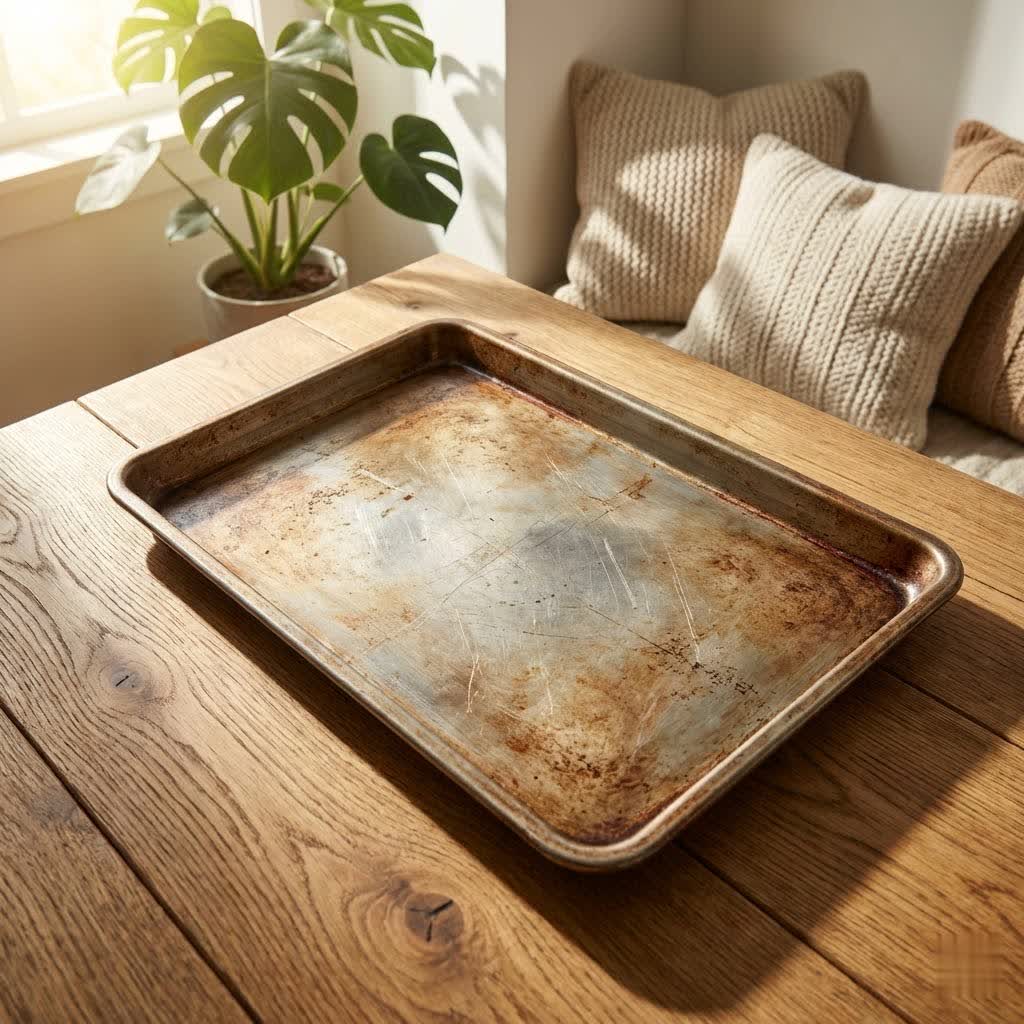
Stepping into the kitchen, a true baking enthusiast knows that while a recipe provides the roadmap, the right tools are what truly pave the way to perfection. Among these essentials, the 9×13 baking tray stands out as an undeniable workhorse, a versatile staple capable of transforming simple ingredients into everything from celebratory sheet cakes to comforting casseroles. But with a myriad of options flooding the market—varying in material, design, and even subtle nuances in dimensions—how do you discern the perfect partner for your culinary adventures?
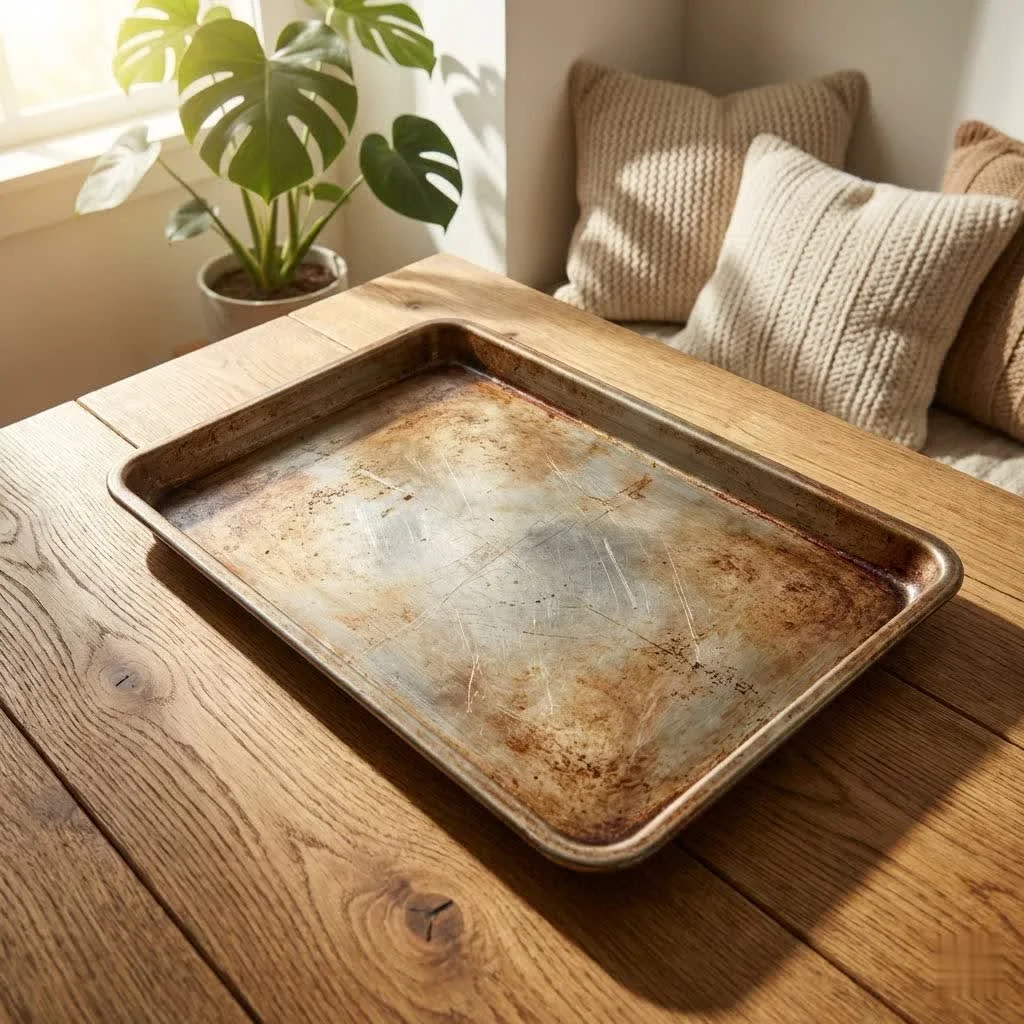
As someone who has spent over a decade meticulously researching and testing kitchenware, particularly the nuanced world of baking trays, I’ve seen firsthand how the choice of a pan can dramatically impact your results. This guide is crafted from that real-world experience, delving into the intricacies of 9×13 baking trays to help you navigate the choices with confidence. Let’s unlock the secrets to selecting, using, and maintaining the ideal tray that will become your trusted companion for countless delicious creations. For shop curated baking trays on this site.
Popular Types of 9×13 Baking Trays
The world of 9×13 baking trays is diverse, primarily distinguished by the materials they are crafted from. Each material offers unique properties that influence heat distribution, durability, and ultimately, the outcome of your baked goods. Understanding these differences is the first step to making an informed choice.
Material Matters: A Deep Dive into Common Baking Tray Types
- Aluminum Baking Trays: Often the go-to for many bakers, aluminum pans are prized for their excellent heat conductivity, allowing them to heat up quickly and distribute warmth evenly. This property is fantastic for achieving consistent browning, particularly desirable for cakes, cookies, and biscuits. Anodized aluminum offers a non-reactive surface, making it safe for acidic ingredients like lemon or tomato-based dishes without the risk of metallic flavors leaching into your food. These pans are typically lightweight and respond well to temperature changes, making them efficient for various baking tasks. However, non-anodized aluminum can react with acidic foods, and thinner gauges might be prone to warping over time.
- Glass Baking Dishes: A classic choice for many home cooks, glass dishes excel in heat retention, meaning they hold onto heat longer and cook food more gently and evenly. This characteristic makes them superb for casseroles, lasagnas, bread puddings, and dishes that benefit from slow, steady baking. The transparency of glass allows you to monitor browning without removing the dish from the oven, a clear advantage for visual perfectionists. Made from either tempered glass or borosilicate glass, the latter offers better resistance to thermal shock. While easy to clean due to their non-porous surface, glass pans are heavier and typically don’t promote as much browning as metal pans, often requiring slightly longer baking times. They also carry a risk of shattering with extreme temperature changes if not handled carefully.
- Ceramic and Stoneware Baking Dishes: Renowned for their aesthetic appeal and excellent heat retention, ceramic and stoneware dishes are perfect for oven-to-table presentation. They heat slowly but retain warmth exceptionally well, ensuring your dishes stay hot longer after being removed from the oven. Many ceramic pans possess natural non-stick properties, and their non-porous surfaces prevent absorption of moisture or flavors. These dishes often come with stylish designs and vibrant colors, making them a beautiful addition to any kitchen. While generally very durable and resistant to heat, they can be heavy and may require hand-washing to preserve their finish, as metal utensils can scratch their surface.
- Non-stick Coated Metal Trays: These trays feature a metal core (often aluminized steel or carbon steel) coated with a non-stick layer, usually ceramic or PTFE-based. The primary benefit is effortless food release and simplified cleanup. They combine the heat conduction of metal with the convenience of a non-stick surface, making them popular for a wide range of baked goods, from delicate cakes to sticky brownies. However, non-stick coatings require careful handling; metal utensils can scratch them, and high heat can sometimes degrade the coating over time. Hand-washing is often recommended to extend their lifespan.
- Silicone Baking Trays: While less common in the traditional 9×13 rectangular form for larger bakes, silicone is noted for its extreme flexibility and excellent non-stick properties, offering incredibly easy food release. These trays are lightweight and often freezer-safe. However, they are poor conductors of heat, which means they don’t promote browning as effectively as metal or ceramic, and they typically need to be placed on a sturdier baking sheet for support in the oven.
Design Features that Enhance Functionality
|
Our Picks for the Best Baking Tray in 2026
As an Amazon Associate I earn from qualifying purchases.
|
||
| Num | Product | Action |
|---|---|---|
| 1 | GoodCook Everyday Nonstick Carbon Steel 13” x 9” Baking Sheet Set, 3 Pack – Standard-Sized Carbon Steel Cooking Pans, Bakeware Set, Cookie Sheets for Baking, Oven Pan Set |

|
| 2 | Stainless Steel Baking Sheet Tray Cooling Rack with Silicone Baking Mat Set, Cookie Pan with Cooling Rack, Set of 9 (3 Sheets + 3 Racks + 3 Mats), 10/12/16 Inch, Easy Clean |
|
| 3 | GoodCook BestBake Nonstick Textured Carbon Steel Cookie Sheet, 11" x 17", Large Baking Sheet, Even Heating, Scratch-Resistant, Non-Toxic, Durable, Ideal for Baking and Sheet Pan Dinners |
|
| 4 | NutriChef 3-Piece Nonstick Kitchen Oven Baking Pans - Premium & Stylish Non-Stick Steel, Commercial Grade Restaurant Quality Metal Bakeware with Red Silicone Handles - Easy to Clean, NCSBS3S |
|
| 5 | Commercial Quality Baking Sheet Pan Set, Natural Aluminum Cookie Sheet, Umite Chef Warp Resistant Baker's Half Sheet Pan, Large Thick Cookie Tray Pans for Baking, Roasting(2 Pack, 18X13In) |
|
| 6 | Premium Nonstick Baking Sheet Pans – Set of 3, Heavy-Gauge Carbon Steel, Warp, Dent, and Rust-Resistant – Gourmet Rimmed Half Cookie Sheet Trays, Non-Toxic for Exceptional Baking Performance |
|
| 7 | GoodCook Everyday Nonstick Carbon Steel Baking Sheet Set, 3 Pack – Small 13” x 9”, Medium 15” x 10”, Large 17” x 11” – Carbon Steel Cooking Pans, Cookie Sheet Bakeware Set |
|
| 8 | Nordic Ware Naturals Half Sheet - USA Made Aluminum Commercial Quality Sheet Pan for Baking or Roasting, Encapsulated Galvanized Steel Rim Prevents Warping, 2-Pack |
|
| 9 | Baking Sheet Tray Cooling Rack with Silicone Baking Mat Set, Stainless Steel Cookie Pan For Oven, Set of 9 (3 Sheets + 3 Racks + 3 Mats), Warp Resistant & Heavy Duty & Easy Clean, Red |
|
| 10 | ROTTAY Baking Sheet with Rack Set (2 Pans + 2 Racks), Stainless Steel Cookie Sheet with Cooling Rack, Nonstick Baking Pan, Warp Resistant & Heavy Duty & Rust Free, Size 16 x 12 x 1 Inches |
|
Beyond material, several design elements contribute to a baking tray’s overall performance and user experience:
- Depth: Standard 9×13 pans are usually around 2.5 inches deep, but deeper versions (3 inches or more) are available. A deeper pan offers greater versatility for high-volume recipes like towering lasagnas, layered gratins, or soufflés that need extra vertical space to rise without overflowing.
- Handles: Look for pans with generous, easy-to-grip handles, especially if you frequently transport hot dishes. Loop handles or wide, extended rims provide a secure grip, even when wearing bulky oven mitts.
- Lids: Some 9×13 baking trays come with fitted lids, which are incredibly convenient for meal prep, transporting dishes to potlucks, or storing leftovers in the refrigerator. Ensure the lid offers sufficient height if your recipes often have toppings or frosting.
- Removable Bottoms: Certain metal pans, particularly those designed for delicate cakes or cheesecakes, feature a removable bottom. This design allows for effortless demolding and transfer of baked goods, preventing breakage or damage.
How to Choose Your Ideal 9×13 Baking Tray
Selecting the perfect 9×13 baking tray isn’t a one-size-fits-all decision. It depends heavily on your primary baking needs, your oven type, and personal preferences. Here’s a comprehensive guide to help you make the best choice.
Key Factors to Consider
- Primary Use:
- For Cakes, Brownies, and Quick Breads: Metal pans, especially those made from anodized aluminum or aluminized steel, are often preferred. They heat quickly and promote even browning, yielding tender interiors and beautifully caramelized edges. Reflective surfaces help prevent over-browning on the bottom.
- For Casseroles, Lasagnas, and Roasts: Glass or ceramic dishes are excellent. Their ability to retain heat ensures slow, even cooking, keeping food warm at the table. Glass allows you to see the cooking progress, which is helpful for cheesy or bubbling dishes.
- For Delicate Bakes with Easy Release: Non-stick coated metal pans or silicone are good choices, though ceramic also offers natural non-stick qualities.
- Material Properties:
- Heat Distribution: Aluminum and aluminized steel offer superior, rapid heat conduction. Glass and ceramic provide slower, more consistent heat retention.
- Browning: Darker metal pans generally encourage more browning than lighter metals, glass, or silicone. Anodized aluminum with a reflective surface is good for delicate browning.
- Reactivity: Non-anodized aluminum can react with acidic foods. Glass, ceramic, stainless steel, and anodized aluminum are non-reactive.
- Size and Depth: While “9×13” refers to the general footprint, actual dimensions can vary slightly. Consider if you need a standard depth (around 2.5 inches) or a deeper pan (3 inches or more) for larger volumes or taller bakes.
- Durability and Gauge: A heavier gauge pan (thicker material) is generally more durable and less prone to warping at high temperatures. Look for brands known for their craftsmanship and offering warranties. Investing in quality usually pays off in the long run.
- Ease of Cleaning and Maintenance:
- Non-stick coatings, glass, and ceramic surfaces are typically easy to clean with warm, soapy water.
- Check if the pan is dishwasher-safe or if hand-washing is recommended (often the case for non-stick and some ceramic to preserve finish).
- Consider how easily food releases to minimize scrubbing.
- Handles and Lids: These features significantly enhance convenience. Large, sturdy handles ensure safe transport, especially when the pan is hot and full. A well-fitting lid adds versatility for storage and transport.
- Oven Compatibility: Ensure your chosen pan is safe for your oven’s maximum temperature and, if applicable, broiler-safe. Some glass (tempered, not borosilicate) is not recommended for broiling or sudden extreme temperature changes.
- Budget: High-quality baking trays range in price. Set a budget, but remember that investing a bit more in a durable, versatile pan can save you money and frustration in the long term.
Expert Insight: Choosing the Right Material
“For most everyday baking, especially if you’re making a variety of dishes, a high-quality ceramic pan is my top recommendation. It brings together excellent heat retention, natural nonstick properties, and robust heat safety, making it incredibly versatile for both sweet and savory creations.” – Blair Lonergan, Recipe Developer at The Seasoned Mom.
Comparing Popular 9×13 Baking Tray Materials
To further clarify your decision, here’s a comparative overview of the most common materials used for 9×13 baking trays.
| Feature | Aluminum | Glass | Ceramic/Stoneware | Non-stick Coated Metal |
|---|---|---|---|---|
| Heat Distribution | Excellent, quick & even | Slow to heat, retains heat very well | Slow to heat, excellent heat retention | Good, depends on metal core |
| Browning | Even, good for light browning (reflective) | Less browning, lighter results | Even, gentle browning | Good, even browning |
| Non-stick Properties | Requires greasing/parchment | Naturally non-stick, easy release | Natural non-stick, very easy release | Excellent, effortless food release |
| Durability | Good, heavy gauge prevents warping | Durable, but susceptible to thermal shock | Very durable, chip-resistant | Good, coating can degrade/scratch over time |
| Ideal Uses | Cakes, brownies, bars, sheet pan dinners | Casseroles, lasagnas, gratins, bread pudding | Casseroles, roasts, baked pastas, desserts | Cakes, muffins, brownies, sticky desserts |
| Pros | Lightweight, affordable, excellent heat conduction, even browning. | Non-reactive, easy to clean, oven-to-table, visual monitoring. | Beautiful, oven-to-table, excellent heat retention, non-porous. | Easy food release, quick cleanup, good heat conduction. |
| Cons | Can react with acidic foods (if not anodized), thinner gauges may warp. | Heavy, slower heating, less browning, thermal shock risk for tempered glass. | Heavy, can be pricey, can scratch with metal utensils. | Coating can scratch/degrade, may not be broiler-safe, can affect browning. |
Tips for Using and Caring for Your 9×13 Baking Tray
Even the best baking tray requires proper care to ensure its longevity and consistent performance. Here are essential tips for using and maintaining your 9×13 pan.
Best Practices for Optimal Baking
- Preheat Thoroughly: Always allow your oven and baking tray (especially glass or ceramic) to preheat fully. This ensures even baking from the start and helps prevent thermal shock in glass pans.
- Grease and Flour (or Line): For most cakes and delicate baked goods in metal pans, generously grease and flour the interior to prevent sticking. Alternatively, use parchment paper or silicone baking mats for easy release and cleanup, especially with non-stick pans to protect the coating.
- Avoid Overfilling: While a deep 9×13 pan can hold a lot, be mindful of your recipe’s volume. Overfilling can lead to spills in the oven or uneven cooking.
- Temperature Adjustments for Glass: If a recipe calls for a metal pan but you’re using glass, consider reducing the oven temperature by 25°F (around 15°C) and checking for doneness a bit earlier. Glass retains heat more, which can lead to faster cooking or over-browning on the bottom.
Extending the Life of Your Baking Tray: Cleaning and Storage
- Hand-Washing for Longevity: For non-stick coated pans and many ceramic/stoneware dishes, hand-washing with warm, soapy water and a soft sponge is highly recommended. Harsh dishwasher detergents and high heat can degrade non-stick coatings and dull ceramic finishes over time.
- Avoid Abrasive Cleaners and Utensils: Never use metal scouring pads, sharp utensils, or abrasive cleaners on non-stick or ceramic surfaces, as these can scratch or damage the finish. Wooden, silicone, or plastic utensils are safer choices.
- Tackle Stubborn Residue: For baked-on messes, soak the pan in hot, soapy water for 15-30 minutes before gently scrubbing. For very stubborn stains on metal, a paste of baking soda and a little water can work wonders, but test on an inconspicuous area first.
- Cool Before Cleaning: Allow hot pans to cool completely before washing. Submerging a hot glass dish in cold water can cause thermal shock and lead to cracking or shattering.
- Thorough Drying: Always dry your baking trays completely before storing them to prevent rust (especially on carbon steel or stainless steel) and mildew.
- Proper Storage: Stack pans carefully to avoid scratching non-stick surfaces. Placing a sheet of paper towel or a thin cloth between stacked pans can help protect them.
Top 9×13 Baking Trays Recommended by Experts
Based on extensive testing and expert opinions, several 9×13 baking trays consistently stand out for their performance, durability, and thoughtful design. While specific product availability may vary, these examples highlight the best qualities to look for across different materials.
- Fat Daddio’s Anodized Aluminum Sheet Cheesecake Pan (with Removable Bottom): Praised for its non-reactive anodized aluminum construction, this pan offers excellent heat conduction and a reflective surface that prevents excessive browning. The removable bottom is a game-changer for effortlessly releasing delicate cakes and bars.
- Made In Cookware Rectangular Baking Dish (Porcelain Ceramic): This French-made porcelain ceramic dish is lauded for its elegant design, superior heat retention, and natural non-stick properties. It transitions beautifully from oven to table and is durable enough for frequent use, though metal utensils should be avoided.
- OXO Glass Baking Dish (Borosilicate Glass): A fantastic budget-friendly option, this borosilicate glass dish boasts resistance to thermal shock, allowing it to go from freezer to oven without issue. It heats evenly, is easy to clean, and often comes with a convenient lid.
- Pyrex Deep Baking Dish with Lid (Tempered Glass): For those who need extra volume, this Pyrex dish features higher 3-inch sides, perfect for tall casseroles and dishes prone to bubbling over. It bakes evenly and includes a lid for transport and storage.
- Caraway Rectangle Pan (Aluminized Steel with Ceramic Coating): Combining robust aluminized steel with a non-toxic ceramic coating, this pan offers excellent heat retention, even baking, and fantastic non-stick release. Its stylish appearance makes it a favorite for serving.
- Great Jones Hot Dish (Ceramic): This visually appealing ceramic dish with tall walls and large loop handles is celebrated for its solid build, even heating, and effortless transport. Its retro-modern design makes it a vibrant addition to any kitchen and presentation.
These examples represent the best in class for their respective materials, each offering specific advantages depending on your baking priorities.
Where to Purchase Your 9×13 Baking Tray
Finding the right 9×13 baking tray is easier than ever, with numerous options available both online and in brick-and-mortar stores.
Online Retailers
Online platforms offer the widest selection, often with competitive pricing and customer reviews to guide your decision. Major online retailers like Amazon, Walmart, and Target carry a vast array of brands and materials. Specialized kitchenware websites such as Williams Sonoma, Sur La Table, Made In Cookware, and Caraway Home are excellent sources for premium brands and unique designs. When buying online, always check product dimensions, material specifications, and read recent customer feedback. Pay attention to return policies, especially for heavier or more fragile items like glass and ceramic.
Brick-and-Mortar Stores
For those who prefer to see and feel the product before purchasing, physical stores remain a great option. Department stores (Macy’s, Kohl’s), home goods stores (HomeGoods, TJ Maxx), and specialty kitchen stores (local culinary shops) typically stock a selection of 9×13 baking trays. This allows you to assess the pan’s weight, handle ergonomics, and overall build quality firsthand. You might also find sales or clearance items that offer great value. Local retailers can also provide personalized advice from knowledgeable staff.
When comparing prices, remember to factor in shipping costs for online purchases and the convenience of immediate acquisition from a physical store. Don’t shy away from investing in a slightly more expensive pan if its quality and features align perfectly with your baking needs, as it will likely serve you well for many years.
Conclusion
The 9×13 baking tray is far more than just a rectangular piece of bakeware; it’s a foundation for countless culinary creations, a silent partner in your kitchen. From the delicate crumb of a perfectly baked sheet cake to the bubbling layers of a hearty lasagna, its performance is pivotal. By understanding the diverse materials—aluminum for crisp edges, glass for gentle cooking, ceramic for even heat retention and elegance, and non-stick for easy release—you can confidently select a pan that complements your cooking style and the dishes you love to create.
Armed with knowledge about choosing the right material, considering essential features like depth and handles, and adhering to simple care routines, you are now equipped to make an informed decision. Invest wisely, care for your pan diligently, and prepare to elevate your baking endeavors. What delicious creation will you embark on first with your perfectly chosen 9×13 baking tray?
Frequently Asked Questions
Which material is truly best for a versatile 9×13 baking tray?
For a truly versatile 9×13 baking tray that handles a wide range of dishes, ceramic or aluminized steel with a durable non-stick coating often provides the best balance. Ceramic offers excellent heat retention for casseroles and beautiful presentation, while aluminized steel provides superior heat conduction and even browning for cakes and roasted items. Your specific baking habits will ultimately determine the “best” for you.
Can I freeze meals directly in a 9×13 baking tray?
Yes, many 9×13 baking trays are freezer-safe, especially those made from borosilicate glass, ceramic, or sturdy metal. To free up your pan, you can line it heavily with foil, assemble your meal, freeze until solid, then remove the foil-wrapped meal from the pan and store it in the freezer. This allows you to reuse your pan while keeping a ready-made meal stored.
How many quarts does a typical 9×13 baking tray hold?
The capacity of a 9×13 baking tray typically ranges from 3 to 4 quarts (approximately 2.8 to 3.8 liters), depending on its depth. Standard pans are usually around 2.5 inches deep. Deeper 9×13 dishes can hold up to 5 quarts or more, offering greater volume for larger recipes.
Is it okay to cut directly in a non-stick 9×13 baking tray?
It is generally not recommended to cut directly in any non-stick 9×13 baking tray, as metal utensils can scratch and damage the non-stick coating. This can lead to flaking of the coating and reduce the pan’s effectiveness. Always transfer your baked goods to a cutting board or use silicone/plastic knives to protect the surface.
What’s the difference between a 9×13 baking tray and a sheet pan?
A 9×13 baking tray (or dish) typically has higher, straight sides, usually 2 to 3 inches deep, making it ideal for cakes, casseroles, and dishes with liquid batters or sauces. A sheet pan, often referred to as a half-sheet pan (13×18 inches) or quarter-sheet pan (9×13 inches), usually has lower, angled sides (around 1 inch deep) and is designed for roasting vegetables, baking cookies, or making sheet pan dinners where air circulation and shallower depth are beneficial.
Get our weekly buyer guide
Practical specs, not advice. Unsubscribe anytime.
