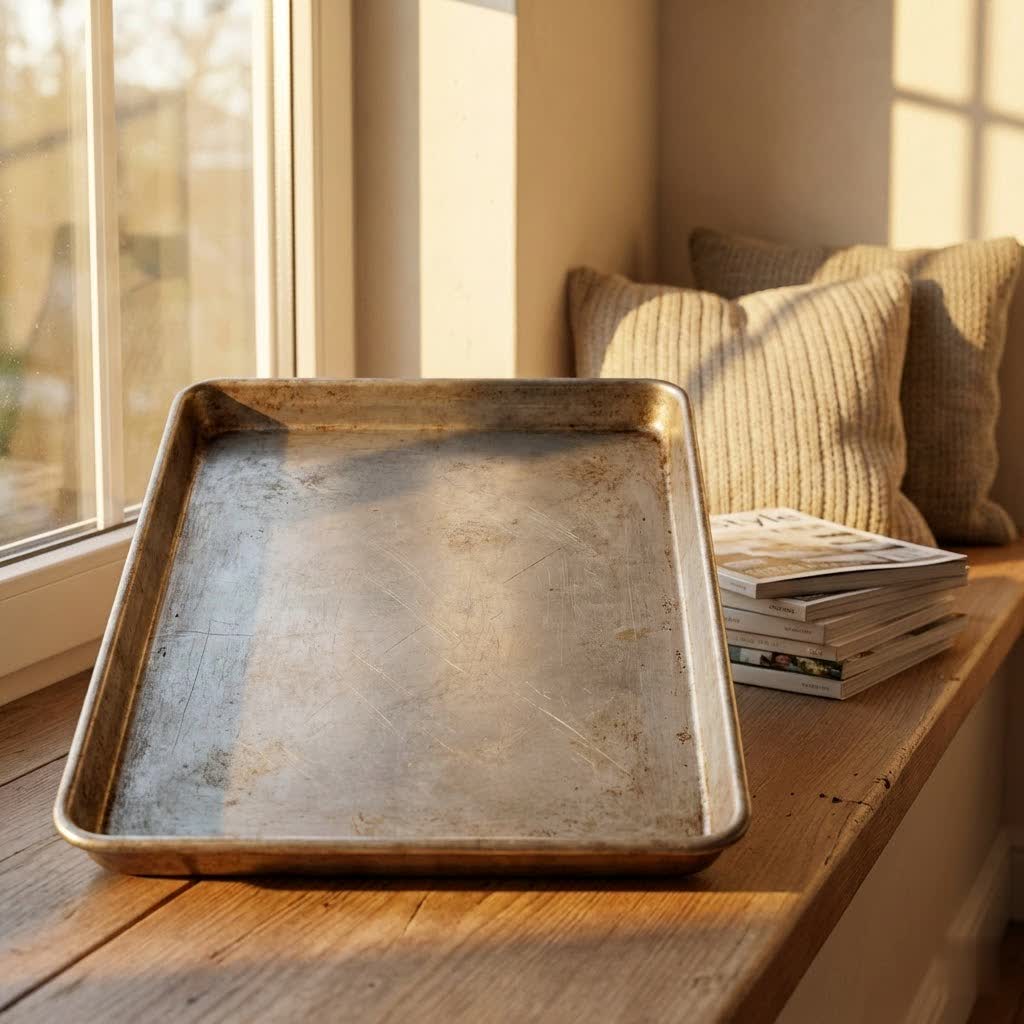
Have you ever found yourself in the kitchen, recipe in hand, only to realize your current bakeware isn’t quite up to the task? Perhaps your lasagna overflows, your deep-dish pizza lacks structural integrity, or your sheet cake bakes unevenly. The secret to mastering these culinary challenges often lies in one indispensable tool: the deep baking tray. Far more than just a standard baking sheet, a deep baking tray offers exceptional versatility and capacity, transforming how you approach everything from elaborate casseroles to towering layer cakes. Let’s delve into the world of deep baking trays and discover how to choose, use, and care for this essential piece of kitchen equipment, ensuring perfect results every time.
Understanding the Deep Baking Tray
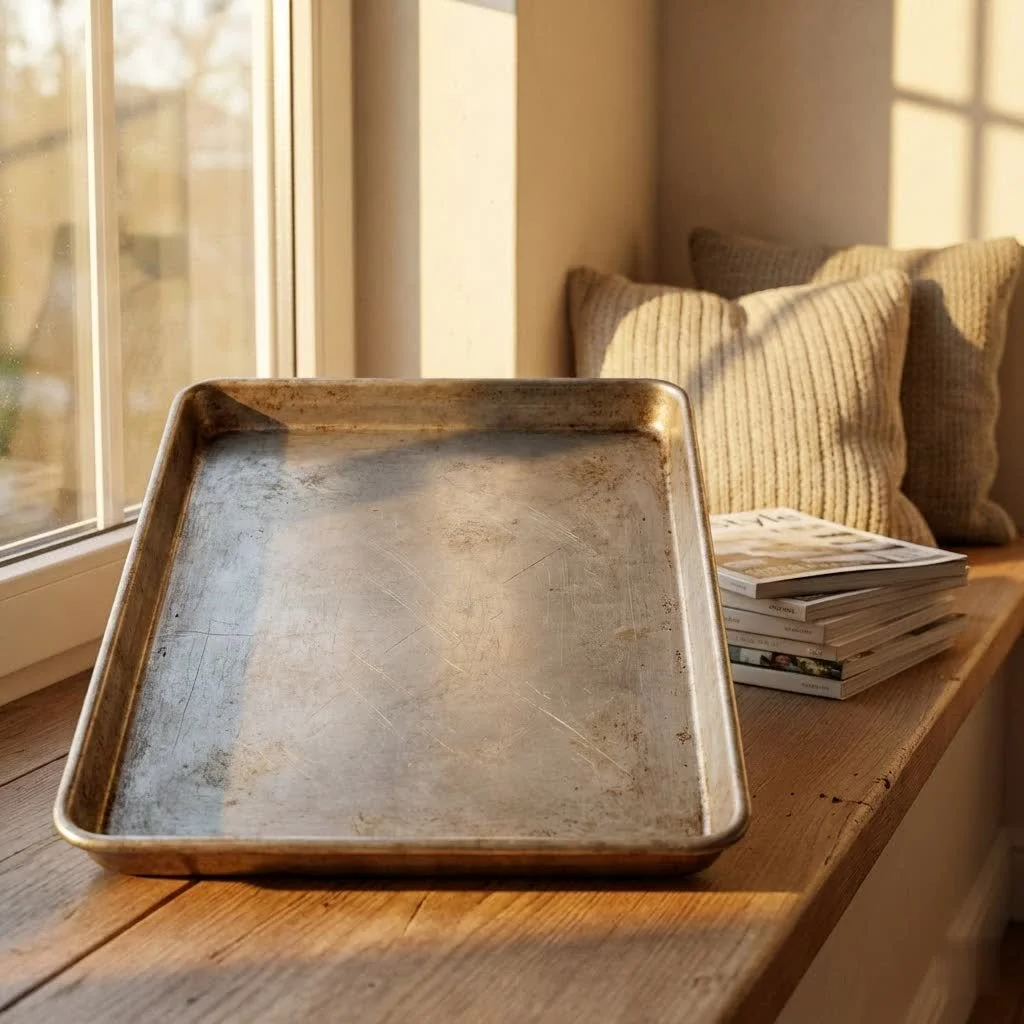
What exactly sets a deep baking tray apart from its shallower counterparts? While often used interchangeably with terms like “baking pan” or “roasting pan,” a deep baking tray is generally characterized by its higher sides, typically ranging from 1.5 to 3 inches (approximately 3.8 to 7.6 cm) or even deeper. In contrast, standard baking sheets or cookie sheets usually feature low rims, often just 0.5 to 1 inch, designed to promote maximum airflow for crisping and even browning.
The increased depth of these trays serves a crucial purpose: containment. With ample vertical space, they excel at holding larger volumes of ingredients, preventing liquids from spilling over during baking, and supporting dishes that rise significantly, like soufflés or tall cakes. This fundamental difference in design dictates their optimal use cases, making them a specialized yet incredibly versatile addition to any kitchen.
The Versatile Uses of a Deep Baking Tray
The utility of a deep baking tray extends across a broad spectrum of recipes, making it a true kitchen multi-tasker. Its generous depth allows you to explore culinary creations that would be impractical or impossible in a shallow pan.
For Bakers and Dessert Enthusiasts
- Cakes and Brownies: A deep baking tray is indispensable for baking thick sheet cakes, dense brownies, and other bar-style desserts. The high sides help the batter rise evenly and prevent spillage, especially for recipes with moist or liquid-heavy components. For exceptionally deep cakes, some bakers even employ internal heating rods or “baking cores” to ensure the center cooks thoroughly without over-baking the edges.
- Layered Desserts: Think of impressive tiramisus, towering trifles, or elaborate ice cream cakes. A deep tray provides the perfect vessel for assembling and chilling these multi-layered masterpieces.
- Fruit Crumbles and Cobblers: When baking juicy fruit desserts, the deep sides prevent bubbling fruit fillings from overflowing and creating a sticky mess in your oven.
For Savory Dishes and Roasts
|
Our Picks for the Best Baking Tray in 2026
As an Amazon Associate I earn from qualifying purchases.
|
||
| Num | Product | Action |
|---|---|---|
| 1 | GoodCook Everyday Nonstick Carbon Steel 13” x 9” Baking Sheet Set, 3 Pack – Standard-Sized Carbon Steel Cooking Pans, Bakeware Set, Cookie Sheets for Baking, Oven Pan Set |

|
| 2 | Baking Sheet Tray Cooling Rack with Silicone Baking Mat Set, Stainless Steel Cookie Pan For Oven, Set of 9 (3 Sheets + 3 Racks + 3 Mats), Warp Resistant & Heavy Duty & Easy Clean, Red |
|
| 3 | ROTTAY Baking Sheet with Rack Set (2 Pans + 2 Racks), Stainless Steel Cookie Sheet with Cooling Rack, Nonstick Baking Pan, Warp Resistant & Heavy Duty & Rust Free, Size 16 x 12 x 1 Inches |
|
| 4 | Commercial Quality Baking Sheet Pan Set, Natural Aluminum Cookie Sheet, Umite Chef Warp Resistant Baker's Half Sheet Pan, Large Thick Cookie Tray Pans for Baking, Roasting(2 Pack, 18X13In) |
|
| 5 | GoodCook Everyday Nonstick Carbon Steel Baking Sheet Set, 3 Pack – Small 13” x 9”, Medium 15” x 10”, Large 17” x 11” – Carbon Steel Cooking Pans, Cookie Sheet Bakeware Set |
|
| 6 | Premium Nonstick Baking Sheet Pans – Set of 3, Heavy-Gauge Carbon Steel, Warp, Dent, and Rust-Resistant – Gourmet Rimmed Half Cookie Sheet Trays, Non-Toxic for Exceptional Baking Performance |
|
| 7 | GoodCook BestBake Nonstick Textured Carbon Steel Cookie Sheet, 11" x 17", Large Baking Sheet, Even Heating, Scratch-Resistant, Non-Toxic, Durable, Ideal for Baking and Sheet Pan Dinners |
|
| 8 | Stainless Steel Baking Sheet Tray Cooling Rack with Silicone Baking Mat Set, Cookie Pan with Cooling Rack, Set of 9 (3 Sheets + 3 Racks + 3 Mats), 10/12/16 Inch, Easy Clean |
|
| 9 | Nordic Ware Naturals Half Sheet - USA Made Aluminum Commercial Quality Sheet Pan for Baking or Roasting, Encapsulated Galvanized Steel Rim Prevents Warping, 2-Pack |
|
| 10 | NutriChef 3-Piece Nonstick Kitchen Oven Baking Pans - Premium & Stylish Non-Stick Steel, Commercial Grade Restaurant Quality Metal Bakeware with Red Silicone Handles - Easy to Clean, NCSBS3S |
|
- Lasagnas and Casseroles: Perhaps the most iconic use for a deep baking tray is for hearty, bubbling lasagnas and substantial casseroles. The depth easily accommodates multiple layers of pasta, sauce, cheese, and fillings, ensuring everything stays contained and cooks beautifully.
- Roasting Meats and Vegetables: When roasting large cuts of meat, poultry, or a medley of vegetables, a deep tray is ideal. It effectively collects drippings and juices, which can then be used to create rich gravies or moisten the roast. The high sides also help to partially steam vegetables, keeping them tender inside while allowing for delicious caramelization.
- Deep-Dish Pizzas: For those who crave a thick, substantial pizza crust piled high with toppings and cheese, a deep baking tray is essential for achieving the classic deep-dish style.
- Sheet Pan Dinners with Sauces: While many sheet pan dinners use shallow trays for maximum browning, a deep version is perfect when your recipe includes a significant amount of sauce or ingredients that release a lot of liquid, ensuring a flavorful, contained meal.
Choosing Your Perfect Deep Baking Tray
Selecting the right deep baking tray can significantly impact your cooking and baking outcomes. Consider these key factors to find the ideal pan for your culinary needs.
Material Matters
The material of your deep baking tray influences its heat conduction, durability, and overall performance.
- Aluminum/Aluminized Steel: These are among the most popular choices. Aluminum is an excellent heat conductor, ensuring even baking, while aluminized steel offers enhanced durability and warp resistance. They heat up quickly and cool down relatively fast.
- Carbon Steel: Known for its robustness and excellent heat retention, carbon steel pans develop a natural non-stick patina over time with proper seasoning. They are fantastic for achieving good browning and are very durable.
- Stainless Steel: While non-reactive and easy to clean, stainless steel doesn’t conduct heat as efficiently as aluminum or carbon steel. Often, stainless steel trays are clad with an aluminum core to improve heat distribution.
- Glass/Ceramic: These materials heat slowly but retain heat exceptionally well, leading to very even cooking. They are also attractive for serving directly from the oven. However, they can cause the edges of baked goods to brown faster than the center, sometimes requiring a slight reduction in oven temperature (e.g., 25°F).
- Silicone: Flexible and naturally non-stick, silicone trays are great for delicate baked goods that need easy release. However, they typically don’t provide the same level of browning or crisping as metal pans and often require placement on a sturdier metal tray for stability.
Size and Depth
It’s crucial to choose a size that fits comfortably in your oven, allowing at least 2 inches of clearance on all sides for proper air circulation. Common sizes often include quarter, half, and full sheet pan dimensions, with varying depths. Always check the internal dimensions, as some manufacturers measure edge-to-edge rather than usable baking space. A 9×13-inch deep pan is a versatile standard for many cakes, casseroles, and roasted dishes.
Non-Stick Coatings & Durability
Many deep baking trays come with a non-stick coating (like Teflon or ceramic-reinforced finishes). These are a boon for easy food release and cleanup. However, it’s vital to avoid cutting directly in the pan with metal utensils, as this can damage the coating. Look for heavy-gauge construction and reinforced rims, which help prevent warping under high heat and add to the tray’s overall longevity.
Design Features
Consider trays with wide, easy-to-grip rims or handles, especially when carrying a heavy, full pan in and out of a hot oven. The color of the tray also plays a role: darker pans absorb more heat, leading to faster, more pronounced browning, while lighter, shiny pans reflect heat, resulting in a slower, more even bake.
Comparison: Deep Baking Tray vs. Other Pans
To clarify when a deep baking tray is your best choice, here’s a quick comparison with other common bakeware:
| Pan Type | Typical Depth | Primary Uses | Best For |
|---|---|---|---|
| Deep Baking Tray | 1.5 – 3+ inches | Casseroles, lasagnas, sheet cakes, roasting meats & vegetables with juices, deep-dish pizzas | High-volume dishes, liquid containment, thick baked goods, preventing spills |
| Shallow Baking Sheet | 0.5 – 1 inch | Cookies, pastries, roasting vegetables (crispy), sheet pan dinners (dry), free-form breads | Maximizing airflow, crisping, quick cooking, even browning of flat items |
| Roasting Pan | 3 – 5+ inches | Large roasts (turkey, prime rib), gravies, water baths (for cheesecakes) | Very large items, significant liquid collection, often comes with a rack |
Mastering Your Deep Baking Tray: Usage Tips
To get the most out of your deep baking tray, a few expert tips can make all the difference:
- Even Baking for Thick Items: When baking deep cakes or brownies, consider reducing your oven temperature by 25°F and extending the baking time slightly. This “low and slow” approach helps the center cook through without over-browning or drying out the edges. For extremely deep batters, a metal baking core placed in the center of the pan can conduct heat more efficiently to the middle.
- Preventing Spills and Sticking: Always line your deep baking tray with parchment paper for easy release, especially with sticky or delicate items. If not using parchment, ensure thorough greasing, particularly for non-stick surfaces to extend their life. The high sides are your best defense against messy oven spills.
- Optimal Air Circulation: While deep trays contain more, avoid overcrowding. Leave a small space (about an inch) around items to allow hot air to circulate, promoting even cooking and browning. If your oven has hot spots, rotating the tray halfway through baking can also help.
Care and Maintenance for Longevity
Proper care will ensure your deep baking tray remains a reliable kitchen companion for years.
- Cool Down First: Always allow your hot baking tray to cool completely before washing it. Exposing a hot pan to cold water can cause thermal shock, leading to warping, especially with metal trays.
- Gentle Cleaning for Non-Stick: For non-stick surfaces, hand washing with warm, soapy water and a soft sponge or nylon brush is best. Avoid abrasive scrubbers, steel wool, or harsh chemicals, as these can damage the non-stick coating and reduce its effectiveness.
- Deep Cleaning Stubborn Stains: For baked-on grime on metal trays (without delicate non-stick coatings), a paste of baking soda and a little water or hydrogen peroxide can work wonders. Apply it to the stained areas, let it sit for several hours or overnight, then scrub gently. A natural alternative is to scrub with half a lemon sprinkled with salt.
- Thorough Drying: After washing, dry your deep baking tray completely to prevent water spots and, more importantly, rust, especially for carbon steel or unprotected aluminum pans.
- Smart Storage: Store your trays vertically in a rack if space allows, or place soft cloths or paper towels between stacked trays to prevent scratches and preserve non-stick surfaces.
Top Deep Baking Tray Recommendations
While specific product models can vary, when looking for a high-quality deep baking tray, prioritize the following characteristics:
- Heavy-Gauge Construction: This ensures durability and minimizes warping under high heat. Look for materials like aluminized steel or heavy-duty aluminum.
- Even Heat Distribution: Pans that conduct heat uniformly prevent hot spots and ensure consistent baking results.
- Reliable Non-Stick Coating: If opting for non-stick, choose a durable, PFOA-free coating that promises easy release and stands up to regular use.
- Reinforced Rims: These add structural integrity and prevent the pan from bending over time.
- Comfortable Handling: Look for substantial rims or built-in handles that are easy to grip, even when wearing oven mitts.
Many reputable brands consistently offer excellent deep baking trays, including Nordic Ware, USA Pan, Caraway, and OXO Good Grips. Researching recent reviews for these and similar brands will help you find the current top performers.
Where to Buy Deep Baking Trays?
You can find high-quality deep baking trays in a variety of places, depending on your preference for in-person or online shopping:
- Specialty Kitchen Stores: Stores dedicated to kitchenware often have a wide selection of professional-grade deep baking trays and knowledgeable staff to assist you.
- Department Stores: Larger department stores typically carry a range of bakeware from various brands, offering a good balance of selection and price points.
- Online Retailers: Websites like Amazon, Williams Sonoma, King Arthur Baking, and direct-to-consumer brands (e.g., Caraway, Great Jones) offer extensive options, often with detailed product descriptions and customer reviews. Be sure to check return policies, especially for bakeware.
- Wholesale Clubs: For those who bake in large quantities, wholesale clubs can be a good source for durable, larger-capacity deep baking trays at competitive prices.
Always compare prices, read product specifications, and check customer reviews to make an informed decision when purchasing, especially online.
Conclusion
A deep baking tray is undeniably a cornerstone of a well-equipped kitchen, offering unmatched versatility for everything from grand cakes and hearty casseroles to perfectly roasted vegetables. By understanding the nuances of different materials, sizes, and care requirements, you can select a pan that not only meets your current needs but also inspires new culinary adventures. Investing in a high-quality deep baking tray means investing in countless delicious meals and baked goods for years to come. So, which culinary masterpiece will you create first with your newfound kitchen essential?
Get our weekly buyer guide
Practical specs, not advice. Unsubscribe anytime.
