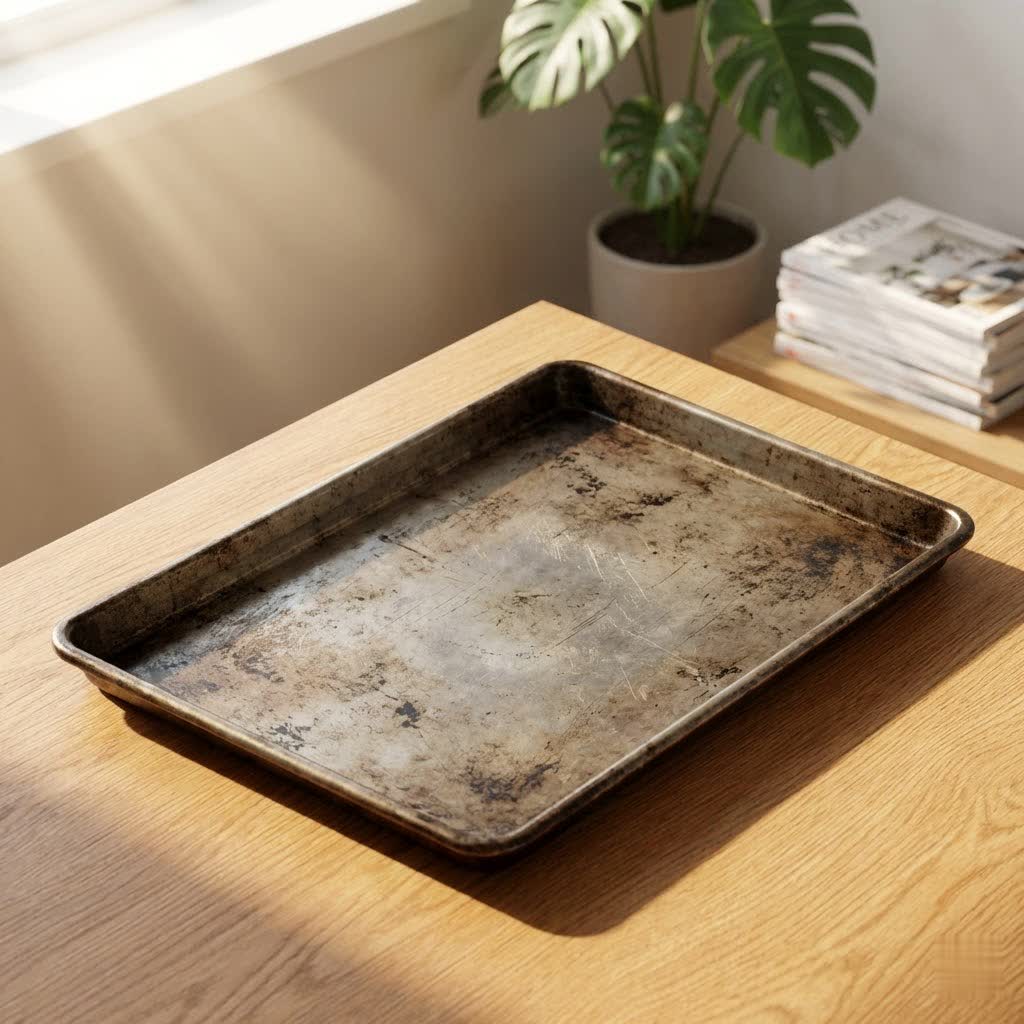
Stepping into the world of baking, you quickly realize that the right tools are as crucial as the ingredients themselves. Among the vast array of bakeware, the humble circular baking tray stands as a fundamental pillar for countless culinary creations. From towering layer cakes to delicate cheesecakes, and even savory quiches, this versatile piece of equipment is often the unsung hero behind perfectly baked goods. But with so many options available—varying in material, size, and design—how do you select the ideal circular baking tray to elevate your baking prowess? This comprehensive guide will navigate you through the different types, help you make an informed choice, and equip you with the best practices for use and care, ensuring every bake is a success.
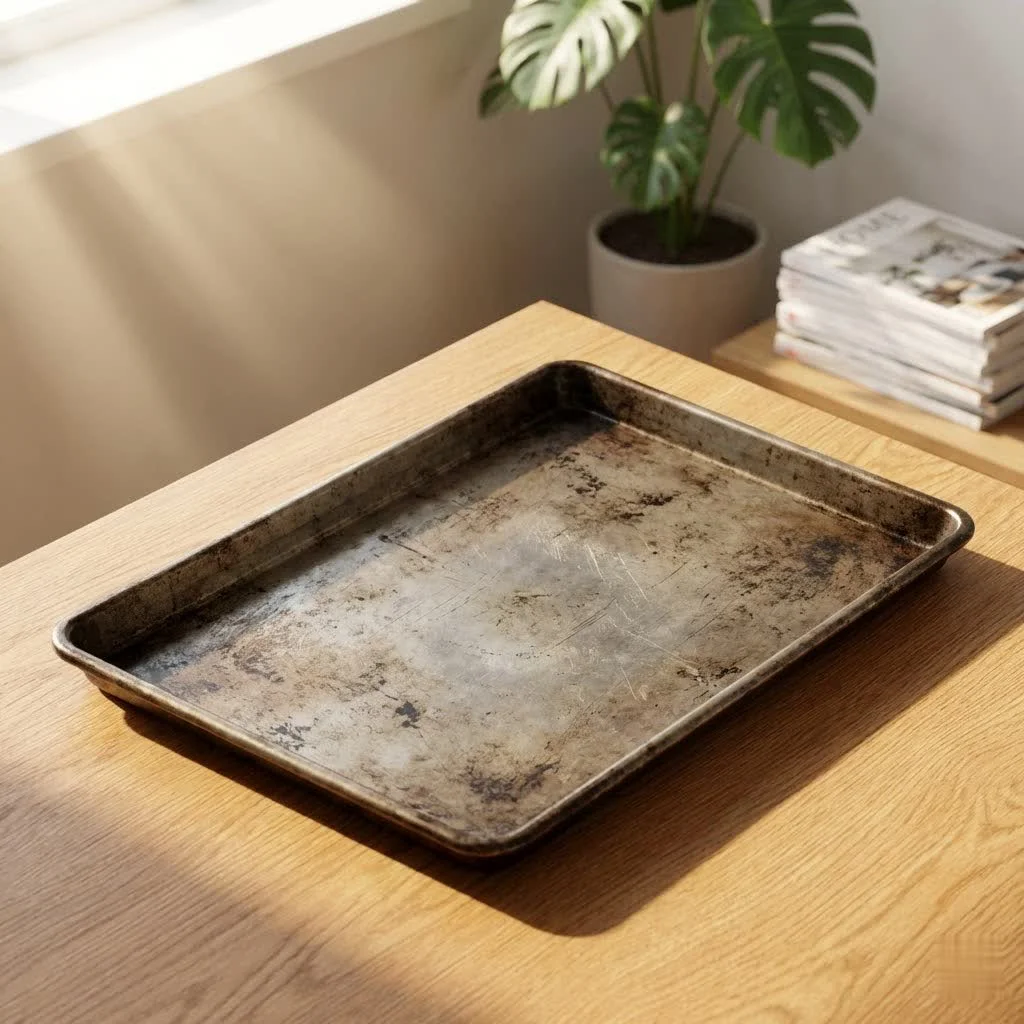
The World of Circular Baking Trays: Types and Materials
Circular baking trays are the backbone of many kitchens, offering a consistent and appealing shape for a variety of dishes. Understanding the different forms and the materials they’re crafted from is the first step to mastering your baking.
Exploring the Diverse Shapes
While “circular” defines the general form, several distinct types of round pans cater to specific baking needs:
- Traditional Round Cake Pans: These are the most common, featuring high, straight sides and a flat bottom. They are essential for baking classic layer cakes, ensuring consistent height and an even canvas for decorating. They come in various depths, with deeper pans being preferable for cakes that rise significantly.
- Springform Pans: A favorite for delicate bakes, springform pans boast a removable bottom and sides that can be unlatched. This design is invaluable for cheesecakes, tarts, and other fragile desserts that are difficult to invert or remove from a traditional pan without damage.
- Fluted Tube (Bundt) Pans: Instantly recognizable by their decorative fluted or patterned interior and a central tube, Bundt pans create visually stunning cakes without the need for intricate frosting. The central tube also aids in even heat distribution, ensuring denser cakes bake through thoroughly.
- Angel Food Cake Pans / Tube Pans: Characterized by their tall, straight, often uncoated sides and a removable central tube, these pans are specifically designed for light, airy cakes like angel food or chiffon. The uncoated surface allows the batter to cling and climb, maximizing volume. Many also include small feet to invert the cake for cooling, preventing collapse.
Unpacking Material Choices
The material of your circular baking tray profoundly impacts heat distribution, durability, and ease of use.
- Aluminum and Aluminized Steel: These are workhorses in the baking world. Aluminum is an excellent heat conductor, ensuring quick and even baking. Aluminized steel, a steel core plated with an aluminum-silicon alloy, offers the durability of steel with the heat conduction benefits of aluminum. Both typically require greasing and flouring, or lining with parchment paper, as they are not inherently non-stick. Pans like Nordic Ware’s natural aluminum are highly regarded for consistent results.
- Non-stick Coatings: Many circular baking trays feature a non-stick coating, often ceramic-based or PTFE-based. These coatings simplify food release and cleanup. Brands like Caraway and USA Pan (with its Americoat coating) are known for their non-stick performance. While convenient, non-stick surfaces require gentle care to preserve their integrity, often preferring hand washing over dishwashers.
- Silicone: Flexible and vibrant, silicone baking molds are popular for their non-stick properties and ease of demolding, especially for intricate shapes or frozen desserts. However, silicone doesn’t conduct heat as efficiently as metal, which can result in less browning, particularly for low-sugar recipes. They are often best suited for specific types of sweet baked goods where browning is not the primary concern.
- Glass, Ceramic, and Stoneware: These materials are celebrated for their aesthetic appeal, making them suitable for oven-to-table serving. They retain heat exceptionally well, which can lead to crisper edges and bottoms. However, they are slower to heat up than metal and can sometimes cause overbaking around the edges before the center is done. When using glass pans, it’s generally recommended to reduce your oven temperature by 25°F to compensate for their heat retention. They are ideal for dishes where precise temperature control isn’t as critical, such as bread puddings or pies.
Choosing Your Perfect Circular Baking Tray
Selecting the right circular baking tray involves a thoughtful assessment of your baking habits and desired outcomes. With myriad options, consider these key factors to make the best choice.
Key Considerations for Selection
|
Our Picks for the Best Baking Tray in 2026
As an Amazon Associate I earn from qualifying purchases.
|
||
| Num | Product | Action |
|---|---|---|
| 1 | GoodCook Everyday Nonstick Carbon Steel 13” x 9” Baking Sheet Set, 3 Pack – Standard-Sized Carbon Steel Cooking Pans, Bakeware Set, Cookie Sheets for Baking, Oven Pan Set |

|
| 2 | NutriChef 3-Piece Nonstick Kitchen Oven Baking Pans - Premium & Stylish Non-Stick Steel, Commercial Grade Restaurant Quality Metal Bakeware with Red Silicone Handles - Easy to Clean, NCSBS3S |
|
| 3 | Baking Sheet Tray Cooling Rack with Silicone Baking Mat Set, Stainless Steel Cookie Pan For Oven, Set of 9 (3 Sheets + 3 Racks + 3 Mats), Warp Resistant & Heavy Duty & Easy Clean, Red |
|
| 4 | Stainless Steel Baking Sheet Tray Cooling Rack with Silicone Baking Mat Set, Cookie Pan with Cooling Rack, Set of 9 (3 Sheets + 3 Racks + 3 Mats), 10/12/16 Inch, Easy Clean |
|
| 5 | GoodCook BestBake Nonstick Textured Carbon Steel Cookie Sheet, 11" x 17", Large Baking Sheet, Even Heating, Scratch-Resistant, Non-Toxic, Durable, Ideal for Baking and Sheet Pan Dinners |
|
| 6 | Commercial Quality Baking Sheet Pan Set, Natural Aluminum Cookie Sheet, Umite Chef Warp Resistant Baker's Half Sheet Pan, Large Thick Cookie Tray Pans for Baking, Roasting(2 Pack, 18X13In) |
|
| 7 | ROTTAY Baking Sheet with Rack Set (2 Pans + 2 Racks), Stainless Steel Cookie Sheet with Cooling Rack, Nonstick Baking Pan, Warp Resistant & Heavy Duty & Rust Free, Size 16 x 12 x 1 Inches |
|
| 8 | Premium Nonstick Baking Sheet Pans – Set of 3, Heavy-Gauge Carbon Steel, Warp, Dent, and Rust-Resistant – Gourmet Rimmed Half Cookie Sheet Trays, Non-Toxic for Exceptional Baking Performance |
|
| 9 | Nordic Ware Naturals Half Sheet - USA Made Aluminum Commercial Quality Sheet Pan for Baking or Roasting, Encapsulated Galvanized Steel Rim Prevents Warping, 2-Pack |
|
| 10 | GoodCook Everyday Nonstick Carbon Steel Baking Sheet Set, 3 Pack – Small 13” x 9”, Medium 15” x 10”, Large 17” x 11” – Carbon Steel Cooking Pans, Cookie Sheet Bakeware Set |
|
- Material: The material directly influences how your baked goods will perform. For consistently even bakes and superior heat conduction, aluminum or anodized aluminum (like Fat Daddio’s) are often recommended by professionals. If ease of release and cleaning are top priorities, a high-quality non-stick aluminized steel pan can be an excellent choice. For delicate items like cheesecakes, a springform pan is indispensable, often made from aluminized steel with a non-stick coating.
- Size and Depth: Standard round cake pans typically come in 6, 8, and 9-inch diameters. An 8-inch pan is a versatile staple, frequently called for in layer cake recipes. The depth of the pan is also crucial; look for pans that are at least 2 inches deep to accommodate proper rising and prevent overflow, especially for taller cakes.
- Features: Consider features like a corrugated surface (found in some USA Pan models), which promotes better airflow for more even baking and easier release. Easy-pull handles can enhance safety and convenience when handling hot pans with oven mitts. For springform pans, a robust, leak-proof latching mechanism is vital.
- Thickness and Construction: Generally, a thicker, heavy-gauge pan will heat more slowly and evenly, leading to better results than thin, flimsy options which can warp or create hot spots.
- Brand Reputation: Invest in brands known for quality bakeware, such as Nordic Ware, Fat Daddio’s, USA Pan, and Caraway. These brands often come with warranties and a track record of performance.
Tips for Specific Baking Projects
- For Layer Cakes: Opt for light-colored, straight-sided aluminum or anodized aluminum pans in 8 or 9-inch diameters for even baking and a good foundation for stacking. Owning two or three identical pans is ideal for baking multiple layers simultaneously.
- For Cheesecakes and Tarts: A springform pan is essential. Choose one with a reliable seal to prevent leaks.
- For Decorative Cakes: A fluted tube pan or specialty angel food cake pan will provide the signature shape. Ensure the angel food pan has an uncoated surface for the cake to cling to as it rises.
- For Savory Dishes (e.g., quiches, frittatas): Glass, ceramic, or stoneware round dishes can be excellent for both baking and presentation, offering good heat retention to keep food warm.
Circular Baking Tray Showdown: A Comparative Look
To simplify your decision, here’s a detailed comparison of common circular baking tray materials:
| Feature | Aluminum/Anodized Aluminum | Non-stick (Coated Metal) | Silicone | Glass/Ceramic/Stoneware |
|---|---|---|---|---|
| Heat Conduction | Excellent, very even | Good, can vary with coating | Poor, insulative | Slow to heat, retains heat well |
| Durability | Very durable, resists warping | Good, but coating can scratch/degrade | Flexible, long-lasting | Durable, but brittle (can chip/break) |
| Ease of Release | Requires greasing/lining | Very easy | Very easy, extremely flexible | Requires greasing, can stick |
| Browning | Excellent, golden crusts | Good, can be slightly less pronounced | Poor, minimal browning | Excellent, can be very dark |
| Care | Hand wash recommended | Hand wash recommended for coating longevity | Dishwasher safe, easy to clean | Dishwasher safe |
| Ideal Uses | Layer cakes, sponge cakes, even breads | Everyday cakes, muffins, quick breads | Muffins, cupcakes, frozen desserts | Casseroles, pies, gratins, bread puddings |
| Price Point | Mid-range to high-end | Low to mid-range | Low to mid-range | Mid-range to high-end |
Anodized aluminum pans, like those from Fat Daddio’s, are highly favored by professionals due to their even heat distribution and ability to cool quickly, preventing overbaking once removed from the oven. These pans are also non-reactive, making them safe for acidic ingredients. While typically not non-stick, properly greasing and lining them yields effortless release and consistently moist, well-risen cakes with minimal doming.
Master Your Bake: Usage and Care Tips
Even the finest circular baking tray requires proper handling and maintenance to ensure longevity and consistent baking results. A few simple steps can make a significant difference.
Preparing Your Pan for a Flawless Release
Preventing cakes from sticking is paramount for a beautiful presentation.
> “Always remember the ‘grease, parchment, grease’ rule for round cake pans. It’s a foolproof method for a clean release every single time.” – Chef Elena Rodriguez, Head Pastry Chef at The Sweet Spot Bakery
- Grease the Pan: Begin by lightly greasing the entire interior surface of your pan (bottom and sides) with softened butter, shortening, or a non-stick baking spray. Ensure there are no missed spots, as these can become sticking points.
- Add Parchment Paper (for bottoms): For most round cakes, especially layer cakes, a parchment paper round at the bottom is a game-changer.
- To cut your own: Fold a square of parchment paper in half, then in half again, and continue folding until you have a long, pointy triangle. Place the pointy end at the center of your pan’s bottom and snip the parchment where it meets the pan’s edge. Unfold, and you’ll have a near-perfect circle.
- Place the parchment round into the greased bottom of the pan, pressing it down firmly.
- Grease the Parchment: For an ultra-nonstick environment, lightly grease the parchment paper as well. This prevents the cake from sticking to the paper and ensures a clean peel.
- Flouring (Optional, for cakes that cling): For some recipes, after greasing, you might lightly flour the pan, tapping out any excess. This creates an additional barrier. For chocolate cakes, use cocoa powder instead of flour to avoid white residue.
- For Sides (Optional): For very tall cakes, you can also line the sides with strips of parchment paper. Measure the height and circumference, cut strips, and press them against the greased sides, overlapping slightly if needed.
Baking Best Practices
- Don’t Overfill: Never fill your circular baking tray more than two-thirds full, especially for cakes that rise significantly. Overfilling can lead to spills and uneven baking.
- Adjust for Glass Pans: If using a glass pan, reduce your oven temperature by 25°F from what the recipe calls for, and check for doneness a bit earlier.
- Even Distribution: Ensure batter is evenly spread in the pan before baking for a level cake.
- Cooling: Allow cakes to cool in the pan for the time specified in the recipe (usually 10-15 minutes) before inverting onto a cooling rack. This allows the cake to set and prevents it from breaking.
Cleaning and Storage for Longevity
- Hand Wash is King: For non-stick and anodized aluminum pans, hand washing with warm, soapy water and a soft sponge is almost always recommended. Harsh detergents and abrasive scrubbers can degrade coatings over time.
- Avoid Metal Utensils: Never use metal spatulas or knives directly in a non-stick pan, as this will scratch and ruin the surface. Opt for silicone or wooden tools.
- Tackle Stuck-on Bits: For stubborn residue, soak the pan in warm, soapy water for 15-30 minutes before gently scrubbing. Avoid harsh chemicals.
- Thorough Drying: Ensure your pans are completely dry before storing to prevent rust, especially for carbon steel or aluminized steel.
- Proper Storage: Stack pans carefully to prevent scratching, especially for non-stick surfaces. Placing a sheet of paper towel or thin felt between stacked pans can offer protection. Store springform pans disassembled if possible, to protect the latch mechanism.
Top Picks for Circular Baking Trays
Based on expert reviews and performance, here are some highly recommended circular baking trays that consistently deliver excellent results:
- Nordic Ware Naturals Round Layer Cake Pan (Aluminum): Consistently praised for its even heat conduction and resulting in tall, beautifully browned cakes. This uncoated aluminum pan is a professional favorite for its reliable performance.
- Fat Daddio’s Anodized Aluminum Round Cake Pan: A top choice for many professional bakers. Its anodized finish ensures extremely even heat distribution, quick cooling to prevent overbaking, and makes it safe for acidic ingredients. Cakes release beautifully with proper preparation.
- USA Pan Bakeware Nonstick Round Cake Pan (Aluminized Steel with Americoat): Known for its durable aluminized steel construction and unique corrugated surface, which enhances air circulation for superior browning, even baking, and easy release thanks to its non-toxic, non-stick Americoat.
- Caraway Circle Pan (Aluminized Steel with Ceramic Non-stick): An attractive and high-performing option, featuring a non-toxic ceramic non-stick coating. It bakes cakes with a tender crumb and minimal doming, offering both aesthetics and functionality.
These selections represent different materials and price points, but all are lauded for their ability to contribute to a successful baking experience.
Where to Buy Circular Baking Trays?
Finding your perfect circular baking tray is easier than ever with numerous shopping avenues available.
- Specialty Kitchen Stores: These stores often carry a curated selection of high-quality bakeware, with knowledgeable staff who can offer expert advice. Brands like Fat Daddio’s and Nordic Ware are frequently found here.
- Department Stores: Larger department stores typically have extensive kitchenware sections offering a range of brands from entry-level to premium. You can often find options from Wilton, Pyrex, and MasterClass.
- Online Retailers: Websites like Amazon, Williams Sonoma, King Arthur Baking, and direct brand websites offer the widest selection, often with detailed product descriptions and customer reviews. This allows for easy comparison shopping and access to niche brands.
- Home Goods Stores: For more budget-friendly options, stores like Target or HomeGoods can offer surprisingly good finds, though the selection may vary.
When purchasing, especially online, always read customer reviews, check product dimensions carefully, and confirm the material and care instructions to ensure the tray meets your specific needs. Comparing prices across different retailers can also help you find the best deal.
Conclusion
The circular baking tray, in its many forms and materials, is an indispensable tool for any baker. From the precision of an anodized aluminum layer cake pan to the convenience of a non-stick springform, understanding the nuances of each option empowers you to choose the best companion for your culinary adventures. By considering material, size, and features, and by applying proper usage and care techniques, you can ensure consistent, delicious results every time you step into the kitchen. So go forth, select your ideal circular baking tray, and create some magnificent masterpieces!
What delicious creation will you bake first with your perfect circular baking tray?
Frequently Asked Questions
What is the best material for a circular baking tray?
The “best” material depends on your baking needs. Anodized aluminum is often considered superior for cakes due to its even heat distribution and quick cooling. Non-stick aluminized steel is excellent for easy release and cleanup, while glass is great for heat retention and oven-to-table presentation, though it requires oven temperature adjustments.
What are the standard sizes for round cake pans?
The most common standard sizes for round cake pans are 6-inch, 8-inch, and 9-inch diameters. The 8-inch pan is a highly versatile choice and frequently specified in recipes for layer cakes.
How do I prevent my cake from sticking to a round pan?
To prevent sticking, always grease the pan thoroughly (with butter, shortening, or baking spray), then line the bottom with a cut-to-fit parchment paper round, and finally, lightly grease the parchment paper as well. This “grease, parchment, grease” method provides a robust non-stick barrier.
Can I use a glass circular baking dish instead of a metal one?
Yes, but you should adjust your baking. Glass pans retain heat more effectively than metal, which can lead to darker crusts and potentially overbaked edges. Reduce your oven temperature by 25°F when using glass, and monitor your bake closely.
What is a springform pan used for?
A springform pan is a circular baking tray with a removable bottom and sides that can be unlatched. It is primarily used for delicate desserts like cheesecakes, tarts, and ice cream cakes, which are difficult to invert or remove from a traditional solid-sided pan without damaging their structure.
Are silicone circular baking molds good for all types of baking?
Silicone molds are excellent for easy release and intricate shapes, especially for muffins, cupcakes, and frozen desserts. However, they don’t conduct heat as well as metal, which can result in less browning and a different texture for some baked goods, particularly those low in sugar or fat.
How do I clean a non-stick circular baking tray to make it last longer?
Always hand wash non-stick pans with warm, soapy water and a soft sponge. Avoid abrasive scrubbers and harsh detergents, which can degrade the non-stick coating. Never use metal utensils in a non-stick pan, as they can scratch the surface. Ensure the pan is thoroughly dry before storing.
Get our weekly buyer guide
Practical specs, not advice. Unsubscribe anytime.
