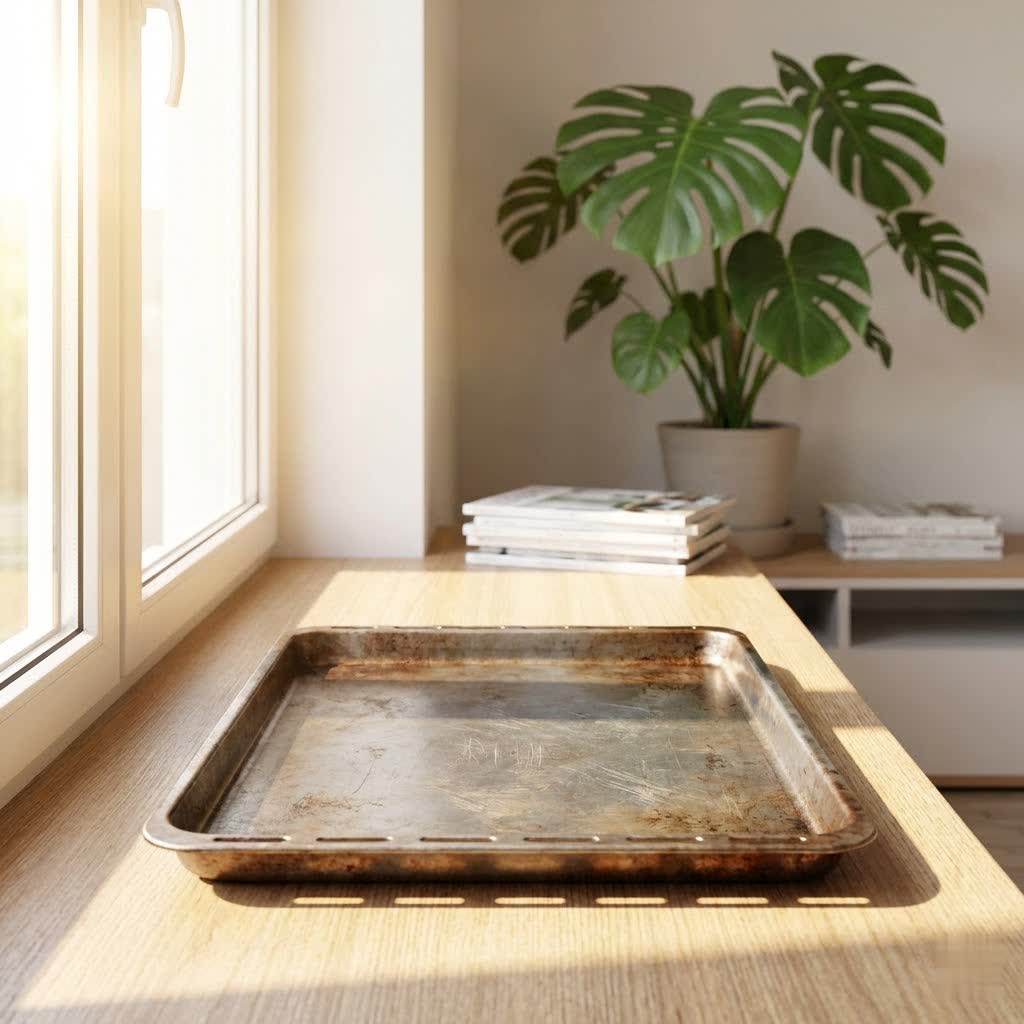
For centuries, culinary enthusiasts and professional chefs alike have celebrated copper cookware for its unparalleled performance and striking beauty. When it comes to baking, a copper baking tray can elevate your results, transforming everyday bakes into perfectly golden, evenly cooked masterpieces. But what exactly makes copper so special, and how do you choose and care for the right one? Let’s delve into the world of copper baking trays to help you find your ideal kitchen companion.
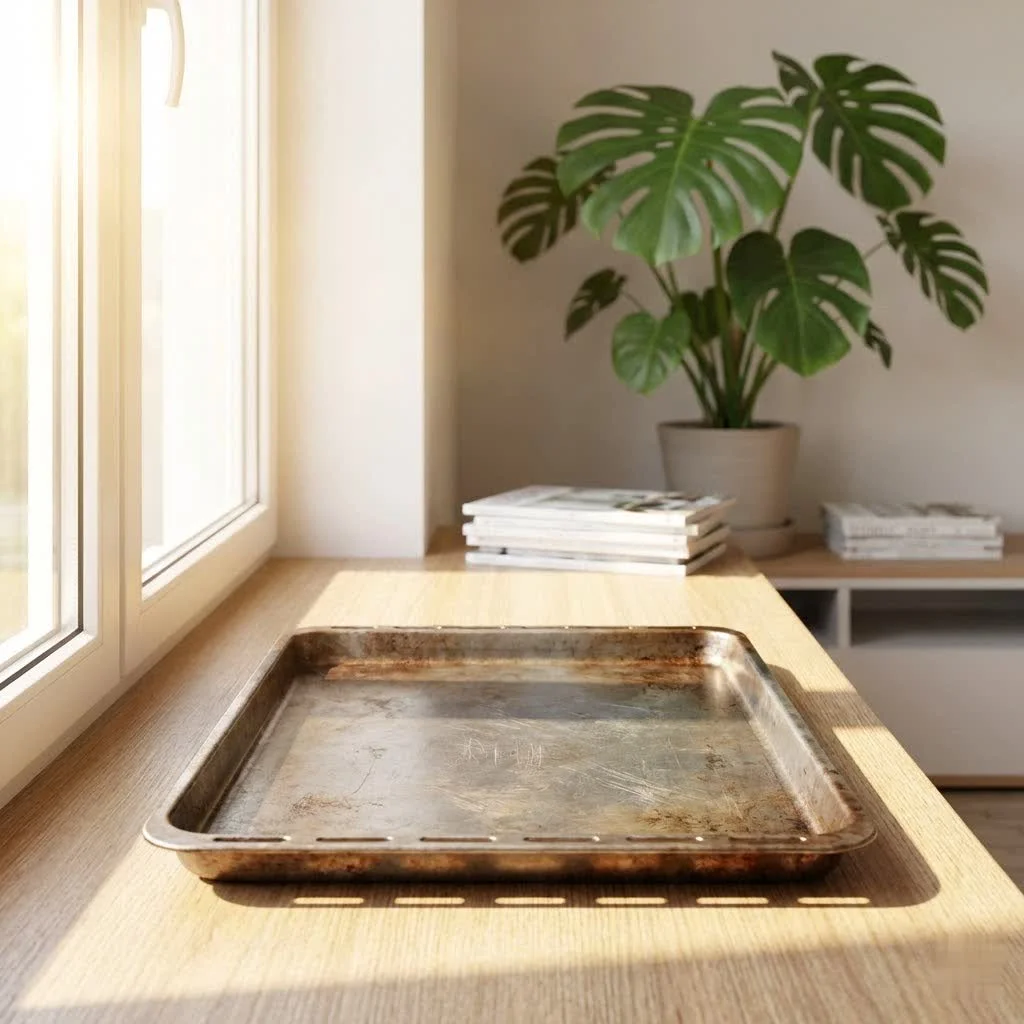
Understanding the Types of Copper Baking Trays
The term “copper baking tray” can encompass a few different products, each with distinct characteristics. It’s crucial to understand these variations to ensure you select the best fit for your baking needs.
Solid Copper and Copper-Clad Baking Trays
True copper baking trays are primarily made from copper. However, pure copper is highly reactive with acidic foods, meaning it can leach into your food and alter its taste or even pose health concerns. For this reason, most high-quality copper bakeware intended for direct food contact is lined with another material.
- Tin-Lined Copper: This traditional lining offers a naturally non-stick surface and is an excellent insulator, preventing copper from reacting with food. Tin has a relatively low melting point (around 450°F or 232°C), so tin-lined trays are best suited for moderate oven temperatures and should never be heated empty or used for very high-heat searing. Over time, the tin lining can wear out and may require re-tinning, though for home use, this might be decades.
- Stainless Steel-Lined Copper (Copper-Clad): A more modern and durable option, stainless steel lining provides a robust, scratch-resistant cooking surface that is non-reactive and metal-utensil safe. While stainless steel doesn’t have the natural non-stick properties of tin, it offers higher maximum temperature tolerance and requires less delicate care. These are often referred to as copper-clad, meaning a layer of copper is bonded between stainless steel layers, or a thick copper exterior with a stainless steel interior.
- Copper-Colored Non-Stick Bakeware: It’s important to distinguish genuine copper or copper-lined bakeware from “copper-colored” non-stick trays. These often feature an aluminum or carbon steel base with a ceramic or other non-stick coating that is simply colored to resemble copper. While they offer non-stick convenience, they do not provide the superior heat conductivity of actual copper.
Baking trays come in various shapes and sizes, from classic rectangular sheet pans to specialty molds. When choosing, consider the types of baked goods you prepare most often and ensure the tray fits comfortably in your oven with sufficient space for air circulation.
The Unmatched Advantages of Copper for Baking
Why do seasoned bakers often turn to copper? The benefits extend far beyond its aesthetic appeal.
Unparalleled Heat Conductivity and Even Baking
|
Our Picks for the Best Baking Tray in 2026
As an Amazon Associate I earn from qualifying purchases.
|
||
| Num | Product | Action |
|---|---|---|
| 1 | Commercial Quality Baking Sheet Pan Set, Natural Aluminum Cookie Sheet, Umite Chef Warp Resistant Baker's Half Sheet Pan, Large Thick Cookie Tray Pans for Baking, Roasting(2 Pack, 18X13In) |

|
| 2 | GoodCook Everyday Nonstick Carbon Steel 13” x 9” Baking Sheet Set, 3 Pack – Standard-Sized Carbon Steel Cooking Pans, Bakeware Set, Cookie Sheets for Baking, Oven Pan Set |
|
| 3 | Premium Nonstick Baking Sheet Pans – Set of 3, Heavy-Gauge Carbon Steel, Warp, Dent, and Rust-Resistant – Gourmet Rimmed Half Cookie Sheet Trays, Non-Toxic for Exceptional Baking Performance |
|
| 4 | ROTTAY Baking Sheet with Rack Set (2 Pans + 2 Racks), Stainless Steel Cookie Sheet with Cooling Rack, Nonstick Baking Pan, Warp Resistant & Heavy Duty & Rust Free, Size 16 x 12 x 1 Inches |
|
| 5 | GoodCook BestBake Nonstick Textured Carbon Steel Cookie Sheet, 11" x 17", Large Baking Sheet, Even Heating, Scratch-Resistant, Non-Toxic, Durable, Ideal for Baking and Sheet Pan Dinners |
|
| 6 | Nordic Ware Naturals Half Sheet - USA Made Aluminum Commercial Quality Sheet Pan for Baking or Roasting, Encapsulated Galvanized Steel Rim Prevents Warping, 2-Pack |
|
| 7 | NutriChef 3-Piece Nonstick Kitchen Oven Baking Pans - Premium & Stylish Non-Stick Steel, Commercial Grade Restaurant Quality Metal Bakeware with Red Silicone Handles - Easy to Clean, NCSBS3S |
|
| 8 | Stainless Steel Baking Sheet Tray Cooling Rack with Silicone Baking Mat Set, Cookie Pan with Cooling Rack, Set of 9 (3 Sheets + 3 Racks + 3 Mats), 10/12/16 Inch, Easy Clean |
|
| 9 | GoodCook Everyday Nonstick Carbon Steel Baking Sheet Set, 3 Pack – Small 13” x 9”, Medium 15” x 10”, Large 17” x 11” – Carbon Steel Cooking Pans, Cookie Sheet Bakeware Set |
|
| 10 | Baking Sheet Tray Cooling Rack with Silicone Baking Mat Set, Stainless Steel Cookie Pan For Oven, Set of 9 (3 Sheets + 3 Racks + 3 Mats), Warp Resistant & Heavy Duty & Easy Clean, Red |
|
Copper is renowned as one of the best thermal conductors among all metals, significantly outperforming stainless steel and even aluminum. This superior conductivity means a copper baking tray heats up incredibly fast and, more importantly, distributes heat with remarkable uniformity across its entire surface. This eliminates common baking woes like burnt edges and undercooked centers, ensuring your cookies, pastries, and roasted vegetables achieve consistent perfection. Imagine a tray where every part of your cake browns simultaneously, without the need for constant rotation.
Exceptional Temperature Control
The responsiveness of copper is another major advantage. When you adjust the oven temperature, a copper tray reacts almost instantly, allowing for precise control over the baking process. This rapid response is invaluable for delicate recipes where subtle temperature changes can make a significant difference in texture and rise, such as soufflés, custards, and intricate pastries. It ensures your baked goods reach their desired state without overcooking or drying out.
Enduring Durability
When properly cared for, high-quality copper bakeware is an investment that can last for generations. Unlike some non-stick coatings that degrade over time, copper’s inherent strength, especially when lined with stainless steel or meticulously re-tinned, contributes to its long lifespan. This makes it a sustainable choice for your kitchen, promising years of reliable baking performance.
Aesthetic Appeal
Beyond its functional benefits, copper bakeware adds a touch of classic elegance and warmth to any kitchen. Its distinctive gleaming surface, whether polished to a shine or developing a rich patina over time, makes it a decorative piece as much as a functional tool. Displaying copper trays can elevate the ambiance of your culinary space.
Essential Factors for Choosing Your Copper Baking Tray
Selecting the right copper baking tray involves more than just admiring its gleam. Consider these key aspects to make an informed decision:
Material and Lining
As discussed, the lining is paramount for safety and performance. Decide between the natural non-stick of tin or the robust durability of stainless steel, considering your baking habits and temperature requirements. For optimum heat distribution, look for a copper thickness of at least 2.5 to 3mm. Thicker copper generally means better heat performance and greater durability.
Size and Shape
Standard half-sheet pans (approx. 18×13 inches) are versatile for most baking tasks. However, specialty baking often calls for different sizes or shapes, such as tart molds or smaller quarter sheets. Measure your oven interior to ensure any new tray fits comfortably with enough room for air circulation around it, which is vital for even baking.
Handles and Construction
Well-designed handles can significantly improve usability, especially when transferring a hot, heavy tray. Look for sturdy, heat-resistant handles that offer a secure grip. The overall construction quality, including how the lining is bonded to the copper, contributes to the tray’s longevity and performance.
Brand Reputation
While specific copper baking tray brands might be less common than general copper cookware brands, researching manufacturers known for high-quality copper pots and pans can be a good starting point. Brands specializing in traditional European copper cookware often uphold rigorous standards.
Price
Copper bakeware typically represents a significant investment. Prices vary widely based on copper thickness, lining material, brand, and craftsmanship. While budget is a factor, prioritizing quality in copper bakeware often pays off in superior performance and extended lifespan.
Copper vs. Other Common Baking Materials: A Comparison
To appreciate the unique advantages of copper, let’s compare it to other popular baking materials:
| Feature | Copper Baking Tray | Aluminum Baking Tray | Stainless Steel Baking Tray | Non-Stick (e.g., Ceramic-Coated) Baking Tray | Cast Iron Baking Tray (Griddles/Pizza) |
|---|---|---|---|---|---|
| Heat Conductivity | Excellent (fast, extremely even) | Very Good (fast, generally even) | Fair (slower to heat, can have hot spots) | Good (depends on base material, often even) | Poor (very slow to heat, very even once hot) |
| Heat Retention | Moderate (cools quickly) | Moderate | Good (retains heat well) | Moderate | Excellent (retains heat for a long time) |
| Reactivity | Reactive (needs lining, usually tin or stainless steel) | Reactive with acidic foods (can affect taste/color) | Non-reactive | Non-reactive (coating protects) | Reactive (needs seasoning) |
| Durability | High (long-lasting if cared for, lining may need service) | High (can warp at high temps) | Very High (resistant to dents/scratches) | Moderate (coating can scratch/chip) | Very High (virtually indestructible) |
| Non-Stick | Excellent (tin-lined), Good (stainless steel-lined) | Minimal (requires parchment/greasing) | Minimal (requires parchment/greasing) | Excellent (but coating can degrade) | Natural (with proper seasoning) |
| Maintenance | Hand wash, frequent polishing for shine, specific care for lining | Hand wash (some are dishwasher safe, but not recommended) | Dishwasher safe (but hand wash prolongs life) | Hand wash (to protect coating) | Hand wash, season regularly |
| Cost | High | Low to Moderate | Moderate to High | Moderate | Moderate |
| Weight | Heavy | Light to Moderate | Moderate | Light to Moderate | Very Heavy |
Using and Caring for Your Copper Baking Tray
To maximize the performance and lifespan of your copper baking tray, proper use and maintenance are essential.
Pre-Use Preparation
Before its first use, always wash your new copper baking tray with warm soapy water and dry it thoroughly. For tin-lined trays, a light oiling is often recommended before baking to enhance its natural non-stick properties. Always consult the manufacturer’s specific instructions.
Temperature Considerations
Be mindful of oven temperatures, especially with tin-lined copper. Tin has a lower melting point, so avoid prolonged exposure to very high heat (above 450°F / 232°C) or preheating an empty tin-lined pan, as this can damage the lining. Stainless steel-lined trays are more forgiving with higher temperatures.
Cleaning Your Copper Baking Tray
- Hand Wash Only: Never place copper baking trays in the dishwasher. The harsh detergents and high heat can damage the copper and its lining, leading to discoloration and corrosion.
- Gentle Cleaning: After each use, hand wash the tray with warm water, mild dish soap, and a soft sponge or cloth. Avoid abrasive scrubbers, steel wool, or harsh chemicals, particularly on tin linings, as these can scratch or remove the protective layer.
- Immediate Drying: Always dry your copper tray immediately and thoroughly after washing to prevent water spots and tarnishing.
Polishing for Shine vs. Embracing Patina
Copper naturally tarnishes when exposed to air, heat, and moisture, developing a darker, often multi-colored layer known as a “patina.” Some bakers appreciate this rustic, aged look, while others prefer the bright, gleaming aesthetic of polished copper.
- To Maintain Shine: Regular polishing is necessary. You can use specialized copper cleaners or a homemade solution of lemon juice or vinegar mixed with salt or baking soda. Apply the mixture with a soft cloth, gently rub, then rinse well and dry immediately.
- To Embrace Patina: If you prefer the natural patina, simply clean and dry the tray thoroughly after each use without polishing. The patina does not affect cooking performance but can change the tray’s appearance.
Storage Tips
Store your copper baking trays in a dry environment to minimize tarnishing. If stacking, place a soft cloth or paper towel between trays to prevent scratches.
Top Copper Baking Tray Considerations
While identifying specific “top” copper baking trays can be challenging due to the specialized nature of dedicated copper bakeware, looking for manufacturers known for high-quality copper cookware is a reliable approach. Brands like Mauviel, Falk Culinair, and Ruffoni are celebrated for their craftsmanship in copper, often producing high-end baking sheets or roasting pans with appropriate linings. When considering a purchase, prioritize these characteristics:
- Thick Copper Core: Ensures superior heat distribution.
- Reliable Lining: Tin or stainless steel, depending on your preferred baking temperatures and maintenance commitment.
- Sturdy Construction: Durability for lasting performance.
Where to Buy Copper Baking Trays
High-quality copper baking trays are generally not found in standard department stores. Instead, look to:
- Specialty Kitchen Stores: These shops often carry premium cookware brands and can offer expert advice.
- Online Retailers: Websites specializing in gourmet kitchenware or European imports are excellent sources. Research carefully, read reviews, and verify the material and lining before purchasing.
- Direct from Manufacturers: Many renowned copper cookware brands sell directly through their websites, ensuring authenticity and often offering the full range of their products.
When shopping online, compare prices, shipping policies, and customer service. Pay close attention to product descriptions to differentiate between genuine copper-lined bakeware and copper-colored non-stick options.
Conclusion
Choosing a copper baking tray means embracing a legacy of culinary excellence. Its exceptional heat conductivity and precise temperature control can revolutionize your baking, yielding perfectly cooked results with every batch. While copper bakeware demands a bit more care and represents a greater investment than other materials, its enduring durability and timeless beauty make it a truly rewarding addition to any kitchen. With the right selection and diligent maintenance, your copper baking tray will be a cherished tool, inspiring countless delicious creations for years to come.
Ready to experience the difference for yourself? Consider the warmth and precision that a high-quality copper baking tray can bring to your kitchen. What delicious creation will you bake first?
Frequently Asked Questions
Are copper baking trays safe to use?
Yes, modern copper baking trays are safe when properly lined with materials like tin or stainless steel. The lining prevents copper from reacting with acidic foods and leaching into your meals. Bare copper is typically only used for non-food contact applications or specific confectionery tasks.
Can you put copper baking trays in the dishwasher?
No, copper baking trays should never be placed in the dishwasher. The harsh detergents and intense heat of a dishwasher can cause permanent damage to the copper, its lining, and any handles, leading to discoloration, pitting, and corrosion. Always hand wash with mild soap and a soft sponge.
What foods should not be baked in unlined copper?
Unlined copper should not be used for baking or cooking acidic foods such as tomatoes, citrus, vinegar-based sauces, or anything with high dairy content, as the copper can react with these ingredients. However, most quality copper baking trays are lined to prevent this reactivity.
How often should I polish my copper baking tray?
The frequency of polishing depends on your aesthetic preference. If you want to maintain a bright, gleaming finish, you may choose to polish your copper baking tray regularly, perhaps after every few uses or as tarnishing becomes noticeable. If you appreciate the natural, darker patina that copper develops over time, you can polish less frequently or not at all.
Get our weekly buyer guide
Practical specs, not advice. Unsubscribe anytime.
