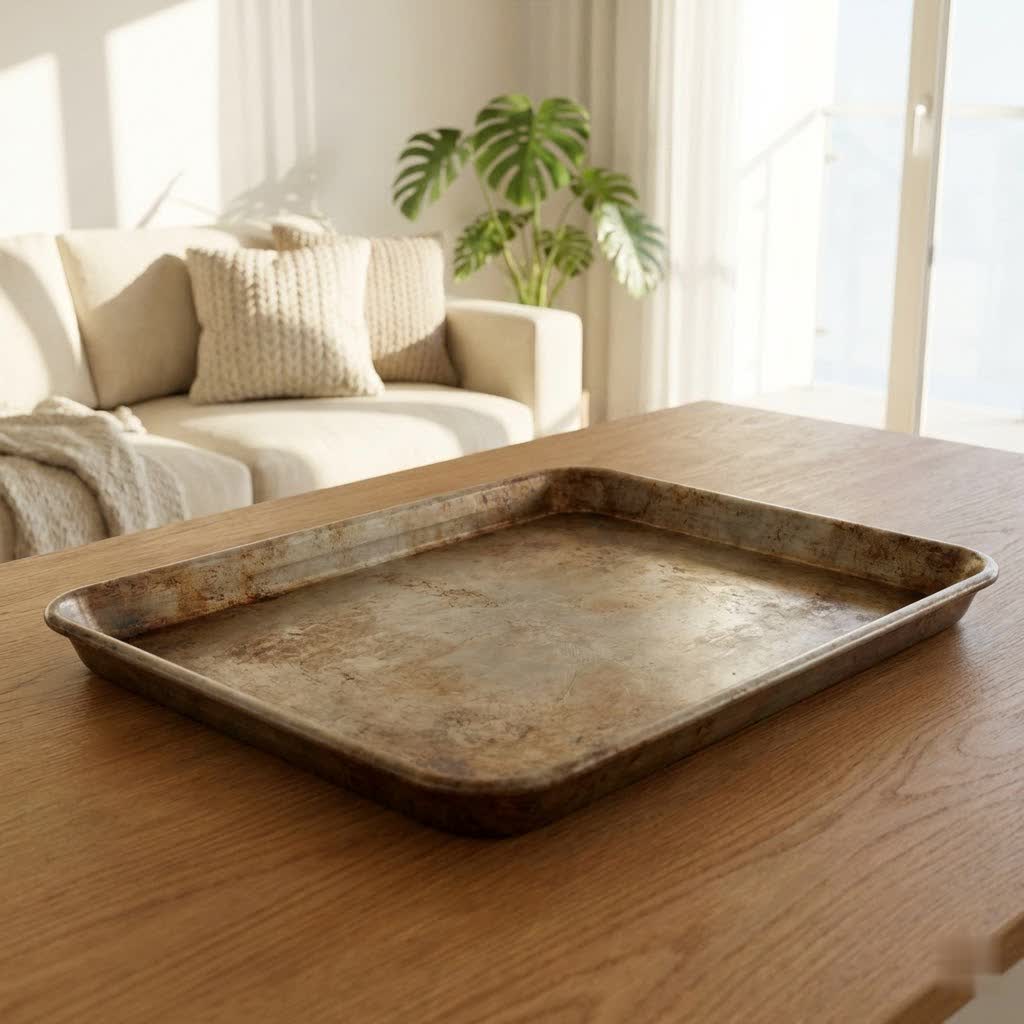
Stepping into the world of baking, you quickly realize that success hinges not just on your ingredients and skill, but also on your tools. Among the most fundamental yet often underestimated is the flat baking tray. Far more versatile than its simple appearance suggests, a quality flat baking tray can transform your culinary creations, from perfectly golden cookies to crispy roasted vegetables. But with a myriad of materials, sizes, and designs available, how do you choose the one that’s right for you?
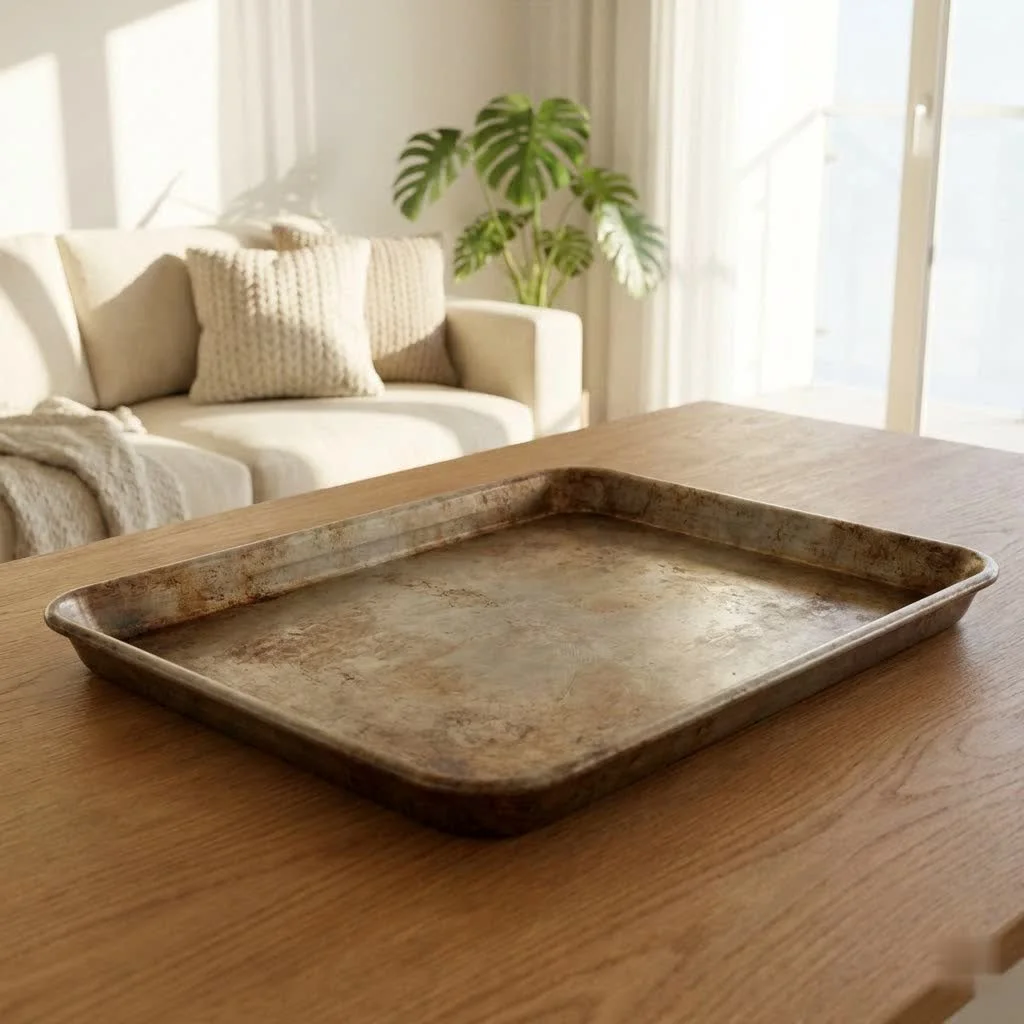
This comprehensive guide will demystify the flat baking tray, exploring its various types, the materials that define its performance, and crucial considerations for selection, usage, and care. Whether you’re a seasoned baker or just starting, understanding this essential piece of bakeware will empower you to achieve consistent, delicious results every time you open your oven.
Understanding Flat Baking Trays: More Than Just a Flat Surface
Often referred to interchangeably as baking sheets or cookie sheets, flat baking trays are fundamentally designed to provide a broad, even surface for baking and roasting. While the term “flat” might suggest an entirely rimless design, it generally encompasses trays with very low sides, distinguishing them from deeper roasting pans or cake tins. These low or non-existent rims allow for easy access, quick transfer of food, and optimal air circulation, which is vital for achieving desired textures.
Flat baking trays excel in tasks where direct heat transfer to the bottom of food is beneficial, promoting crispness and even browning. They are the go-to for:
- Cookies and Biscuits: Their flat surface ensures uniform spreading and browning.
- Pizzas and Flatbreads: Ideal for achieving a crispy crust.
- Pastries: Perfect for croissants, danishes, and puff pastry items.
- Roasting Vegetables or Sheet Pan Dinners: Though some have low rims, they still offer ample surface area for single-layer roasting.
- Freezing: Excellent for flash-freezing individual items before bagging.
The distinction between a true “cookie sheet” (often with one or no raised edges) and a “half-sheet pan” (with four low, rolled rims) is subtle but important for specific applications. Cookie sheets are fantastic for sliding baked goods directly onto a cooling rack, while half-sheet pans offer the added security of containing liquids or smaller items.
Materials Matter: A Deep Dive into Baking Tray Construction
The material of your flat baking tray is the single most important factor influencing its performance, dictating heat conductivity, durability, and even how your food browns.
Aluminum and Aluminized Steel
|
Our Picks for the Best Baking Tray in 2026
As an Amazon Associate I earn from qualifying purchases.
|
||
| Num | Product | Action |
|---|---|---|
| 1 | Baking Sheet Tray Cooling Rack with Silicone Baking Mat Set, Stainless Steel Cookie Pan For Oven, Set of 9 (3 Sheets + 3 Racks + 3 Mats), Warp Resistant & Heavy Duty & Easy Clean, Red |

|
| 2 | Commercial Quality Baking Sheet Pan Set, Natural Aluminum Cookie Sheet, Umite Chef Warp Resistant Baker's Half Sheet Pan, Large Thick Cookie Tray Pans for Baking, Roasting(2 Pack, 18X13In) |
|
| 3 | Nordic Ware Naturals Half Sheet - USA Made Aluminum Commercial Quality Sheet Pan for Baking or Roasting, Encapsulated Galvanized Steel Rim Prevents Warping, 2-Pack |
|
| 4 | GoodCook Everyday Nonstick Carbon Steel 13” x 9” Baking Sheet Set, 3 Pack – Standard-Sized Carbon Steel Cooking Pans, Bakeware Set, Cookie Sheets for Baking, Oven Pan Set |
|
| 5 | NutriChef 3-Piece Nonstick Kitchen Oven Baking Pans - Premium & Stylish Non-Stick Steel, Commercial Grade Restaurant Quality Metal Bakeware with Red Silicone Handles - Easy to Clean, NCSBS3S |
|
| 6 | ROTTAY Baking Sheet with Rack Set (2 Pans + 2 Racks), Stainless Steel Cookie Sheet with Cooling Rack, Nonstick Baking Pan, Warp Resistant & Heavy Duty & Rust Free, Size 16 x 12 x 1 Inches |
|
| 7 | GoodCook BestBake Nonstick Textured Carbon Steel Cookie Sheet, 11" x 17", Large Baking Sheet, Even Heating, Scratch-Resistant, Non-Toxic, Durable, Ideal for Baking and Sheet Pan Dinners |
|
| 8 | Stainless Steel Baking Sheet Tray Cooling Rack with Silicone Baking Mat Set, Cookie Pan with Cooling Rack, Set of 9 (3 Sheets + 3 Racks + 3 Mats), 10/12/16 Inch, Easy Clean |
|
| 9 | GoodCook Everyday Nonstick Carbon Steel Baking Sheet Set, 3 Pack – Small 13” x 9”, Medium 15” x 10”, Large 17” x 11” – Carbon Steel Cooking Pans, Cookie Sheet Bakeware Set |
|
| 10 | Premium Nonstick Baking Sheet Pans – Set of 3, Heavy-Gauge Carbon Steel, Warp, Dent, and Rust-Resistant – Gourmet Rimmed Half Cookie Sheet Trays, Non-Toxic for Exceptional Baking Performance |
|
- Aluminum: This is by far the most popular choice for commercial and home bakers. Aluminum is an excellent heat conductor, meaning it heats up quickly and evenly, reducing hot spots and ensuring consistent baking. It also cools down rapidly once removed from the oven, preventing over-baking. Uncoated aluminum is often preferred for its superior heat transfer and ability to withstand high temperatures without degradation.
- Pros: Excellent heat conductivity, lightweight, quick heating and cooling, promotes even browning, typically affordable.
- Cons: Can react with acidic foods (like tomatoes or lemons), potentially imparting a metallic taste or discoloring the tray. Thinner gauges can be prone to warping at high temperatures, though they usually return to shape upon cooling.
- Aluminized Steel: This material combines the best of both worlds: a steel core for strength and warp resistance, coated with aluminum for superior heat conductivity. It offers better durability than pure aluminum.
- Pros: Excellent heat distribution, warp-resistant, durable.
- Cons: Often more expensive than pure aluminum.
Non-stick Coatings
Many flat baking trays come with a non-stick coating, usually a PTFE-based material. These coatings offer remarkable convenience for food release and cleanup.
- Pros: Food slides off easily, requires less or no greasing, makes cleanup a breeze.
- Cons: Can degrade over time, especially with high heat or abrasive cleaning. May contain PFOA/PFOS (though many modern versions are PFOA-free). Darker non-stick coatings absorb more heat, potentially leading to faster or uneven browning, requiring adjustments to baking times and temperatures. It’s generally best to hand wash non-stick trays to preserve their coating.
Stainless Steel
While durable and non-reactive, stainless steel is less common for flat baking trays than aluminum.
- Pros: Highly durable, rust-resistant, non-reactive with all food types, easy to clean.
- Cons: Poor heat conductor compared to aluminum, leading to uneven heating and potential hot spots. Food can stick more easily without proper greasing or parchment paper. Often heavier and more expensive.
Glass and Ceramic
Glass and ceramic bakeware are typically used for casseroles or dishes that require slower, more even heat retention. They are not ideal for flat baking trays.
- Pros: Retain heat exceptionally well, attractive for serving, non-reactive, easy to monitor baking progress (glass).
- Cons: Slower to heat up, can cause over-browning or hardening of edges/bottoms, heavy, brittle and prone to breakage, not suitable for delicate cookies or quick baking tasks. Often require lower oven temperatures.
Silicone
Silicone baking mats are extremely popular for lining flat baking trays, but pure silicone trays are less common for tasks requiring a firm, flat surface.
- Pros: Excellent non-stick properties, flexible, easy food release, often dishwasher safe.
- Cons: Don’t conduct heat for browning (foods often remain pale on the bottom), can lack rigidity, not suitable for high-temperature roasting.
“The choice of material truly defines your baking outcome,” says a seasoned kitchenware expert. “Aluminum offers that perfect golden crisp, while non-stick provides unparalleled convenience, but each comes with its own set of care requirements.”
Choosing Your Perfect Flat Baking Tray: Key Considerations
Selecting the right flat baking tray involves more than just picking the first one you see. Consider these factors to ensure your tray meets your culinary needs and lasts for years.
Size and Fit
Measure your oven’s interior before purchasing. For optimal heat circulation, a baking tray should have at least a two-inch clearance on all sides when placed on the oven rack. Common sizes for home ovens include:
- Half-sheet pans: (approx. 18 x 13 inches) – The most versatile and popular size for home use, fitting most standard ovens.
- Quarter-sheet pans: (approx. 9 x 13 inches) – Ideal for smaller batches, toaster ovens, or organizing ingredients.
- Jelly roll pans: (approx. 10 x 15 inches) – Slightly smaller than a half-sheet, often with slightly deeper sides, perfect for sheet cakes and actual jelly rolls.
Full-size sheet pans (18 x 26 inches) are typically for commercial use and too large for residential ovens.
Gauge (Thickness)
The thickness, or gauge, of the metal is critical for durability and performance. A lower gauge number indicates a thicker pan.
- Thicker Trays (lower gauge, e.g., 10-14 gauge): More robust, less prone to warping at high temperatures, and distribute heat more evenly, leading to better baking results.
- Thinner Trays (higher gauge, e.g., 16-20 gauge): Lighter and less expensive but more susceptible to warping and uneven heating.
Investing in a heavier gauge tray is generally a wise decision for longevity and consistent baking.
Rimmed vs. Rimless
- Rimmed Trays (e.g., half-sheet pans): Have a low, raised edge on all four sides. They are incredibly versatile, keeping liquids contained for roasting vegetables or sheet pan dinners, and preventing cookies from sliding off.
- Rimless Trays (cookie sheets): Typically have one or no raised edges. These are specifically designed for easy sliding of delicate cookies, biscuits, or pastries directly onto a cooling rack or serving plate. They are less suitable for anything that might spread or release liquid.
Color and Finish
The color of your baking tray can impact browning.
- Light-colored/Shiny Trays: Reflect heat, resulting in a lighter, more even bake and less chance of over-browning. Often preferred for delicate pastries and cookies.
- Dark-colored Trays: Absorb more heat, leading to faster and more intense browning. These can be good for achieving a crispier crust but require careful monitoring to prevent burning.
Handles
While many flat baking trays lack distinct handles, some higher-end models or specialty pans may feature rolled rims that are easier to grip with oven mitts. This can be a small but significant factor for safety and ease of use.
Mastering Your Flat Baking Tray: Usage and Care Tips
Proper usage and diligent care will not only extend the lifespan of your flat baking tray but also ensure optimal baking results for years to come.
Prepping the Tray for Baking
- Parchment Paper or Silicone Mats: For most baking, lining your tray with parchment paper or a silicone baking mat is highly recommended. These provide a non-stick surface, promote even baking, and make cleanup significantly easier. Parchment paper is particularly good for cookies, while silicone mats are reusable and excellent for delicate items.
- Greasing and Flourishing: If not using a liner, thoroughly grease and, if necessary, flour your tray according to your recipe’s instructions. This is especially important for non-stick surfaces that may have degraded over time or for aluminum trays that tend to stick more without preparation.
Ensuring Even Baking
- Avoid Overcrowding: Give your food enough space. Overcrowding a baking tray restricts airflow and can lead to uneven cooking, steaming instead of browning, and food sticking together. Bake in batches if necessary.
- Proper Oven Placement: Place your tray in the center of the oven rack for the most even heat distribution. If using multiple trays, rotate them halfway through baking.
Cleaning and Maintenance
The key to a long-lasting baking tray is gentle and consistent cleaning.
- Handwashing is Best: For most baking trays, especially non-stick ones, handwashing with warm, soapy water and a soft sponge is the ideal method. Harsh detergents and high temperatures in dishwashers can degrade non-stick coatings and cause discoloration or damage to aluminum.
- Tackling Stubborn Stains: For baked-on grease or residue, a paste made from baking soda and a little water or vinegar can work wonders. Apply the paste, let it sit for 15-30 minutes, then scrub gently with a non-abrasive sponge.
- Avoid Abrasives: Never use metal scourers, harsh brushes, or abrasive cleaners on any baking tray, particularly non-stick, as this will scratch and ruin the surface.
- Thorough Drying: Always dry your baking trays completely after washing to prevent rust, especially for steel-based or aluminized steel pans. Air dry or use a clean towel.
Common Mistakes to Avoid
- Thermal Shock: Placing a hot tray directly into cold water can cause warping, especially with thinner aluminum trays. Always allow your tray to cool down to room temperature before washing.
- Excessive High Heat: While many trays can withstand high temperatures, consistently exceeding a non-stick coating’s recommended maximum can cause it to break down and release fumes. Refer to manufacturer guidelines.
- Cutting on the Tray: Avoid cutting directly on your baking tray with knives, as this can scratch and damage the surface, especially non-stick coatings.
Top Flat Baking Trays on the Market
While specific recommendations can vary by year and region, certain types and brands consistently receive high praise for their flat baking trays. Look for:
- Heavy-Gauge Uncoated Aluminum: Brands like Nordic Ware and USA Pan are renowned for their durable, warp-resistant half-sheet pans that offer excellent heat conduction for superior browning. These are often considered workhorse pans for any kitchen.
- Ceramic-Coated Non-stick: Brands such as Caraway and Great Jones offer aesthetically pleasing and highly functional ceramic non-stick baking sheets, known for their easy food release and durability, provided they are cared for properly.
- Insulated Cookie Sheets: Some brands, like Circulon, offer insulated cookie sheets with an air pocket to prevent burning on the bottom, ideal for delicate cookies that require a gentler bake.
These examples represent the diverse market, from robust professional-grade options to user-friendly non-stick varieties, each catering to different baking priorities.
Where to Buy Your Next Flat Baking Tray
Finding the perfect flat baking tray is easier than ever with numerous reliable sources.
- Online Retailers: Websites like Amazon, Williams Sonoma, Sur La Table, and specialized bakeware sites offer vast selections, often with customer reviews that can help guide your decision. Look for deals and bundle offers.
- Kitchen Specialty Stores: Stores dedicated to kitchenware often carry a curated selection of high-quality brands and provide expert advice.
- Department Stores: Major department stores with home goods sections typically stock a range of baking trays, from budget-friendly to premium options.
- Supermarkets/Hypermarkets: Many large grocery stores offer basic and affordable flat baking trays, which can be a good starting point for casual bakers.
When purchasing online, always double-check product specifications, especially dimensions, material, and care instructions, to ensure it meets your needs and oven size. Comparing prices across different retailers can also help you find the best value.
Conclusion
The flat baking tray is more than just a piece of metal; it’s a foundation for countless culinary adventures. By understanding the nuances of different materials, carefully considering size and gauge, and committing to proper usage and care, you can choose a tray that performs beautifully and stands the test of time. Whether you’re aiming for perfectly baked cookies, crispy roasted vegetables, or a delightful sheet cake, the right flat baking tray is an indispensable ally in your kitchen.
What will be the first delicious creation you embark on with your perfectly chosen flat baking tray?
Frequently Asked Questions
What is the ideal material for a flat baking tray?
The ideal material largely depends on your primary use. For general baking and roasting requiring even browning and crispness, uncoated aluminum or aluminized steel is typically recommended due to their excellent heat conductivity and durability. For easier food release and cleanup, a high-quality, PFOA-free non-stick coating can be beneficial, though it may require more careful handling.
Can I use a flat baking tray for roasting vegetables?
Yes, absolutely! Flat baking trays, especially half-sheet pans with low rims, are excellent for roasting vegetables. Their large surface area allows vegetables to spread in a single layer, promoting browning and caramelization rather than steaming. Just ensure you don’t overcrowd the pan for the best results.
How do I prevent my flat baking tray from warping?
Warping often occurs due to rapid temperature changes (thermal shock) or using thin-gauge metal. To minimize warping, invest in heavy-gauge (lower number) aluminum or aluminized steel trays. Always allow the tray to cool gradually to room temperature before washing it, and avoid placing a cold tray directly into a very hot oven.
Is it better to use parchment paper or a silicone baking mat?
Both parchment paper and silicone baking mats are excellent for creating a non-stick surface and aiding in cleanup. Parchment paper is disposable and great for all baking tasks, especially those that might stain or require precise cutting. Silicone mats are reusable, provide consistent non-stick performance, and are durable, but they generally don’t aid in browning as much as direct contact with metal. Your choice often comes down to personal preference and the specific recipe.
How do I clean a flat baking tray with burnt-on residue?
For stubborn burnt-on residue, avoid abrasive scrubbers that can damage the surface, especially non-stick coatings. Instead, try soaking the tray in hot, soapy water for several hours or overnight. For tougher stains, make a paste of baking soda and a little water or white vinegar, spread it over the affected area, let it sit for 15-30 minutes, then gently scrub with a soft sponge or cloth. Rinse thoroughly and dry completely.
Get our weekly buyer guide
Practical specs, not advice. Unsubscribe anytime.
