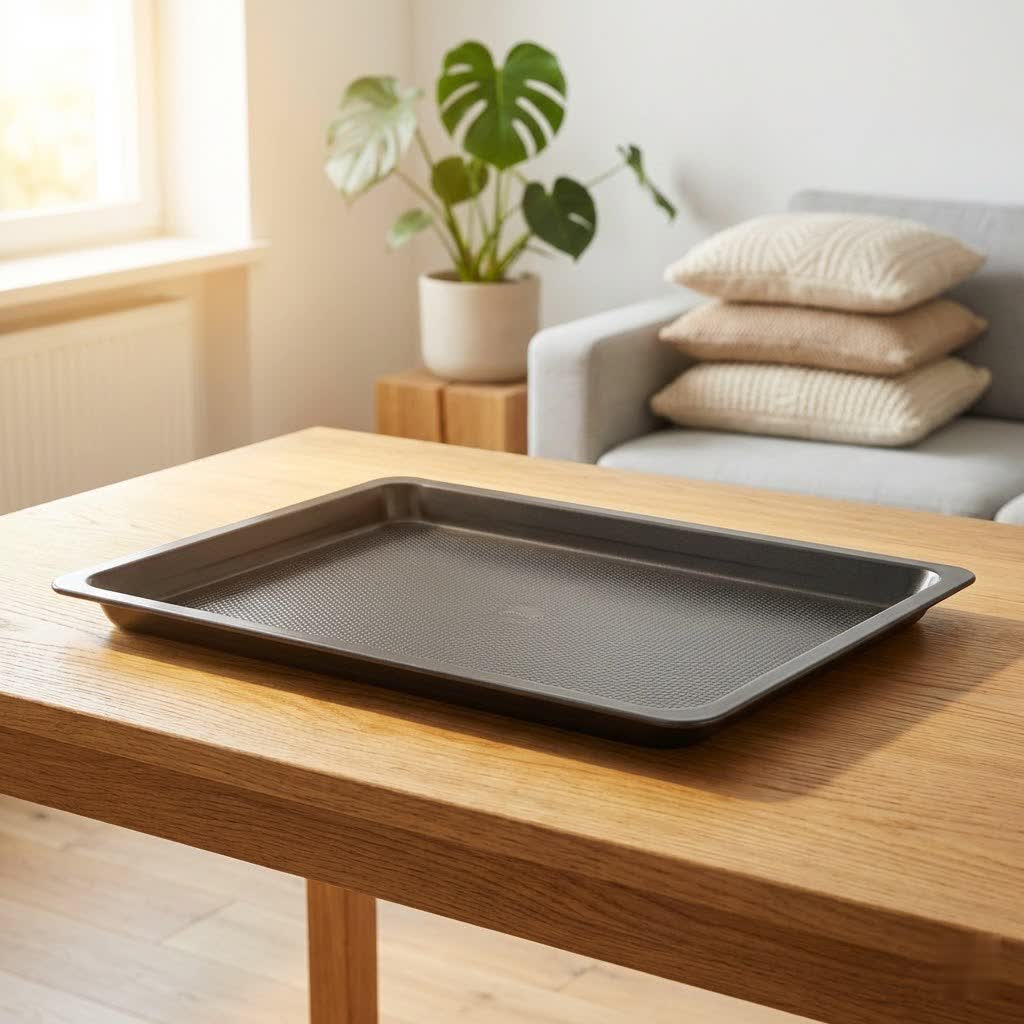
The secret to consistently excellent baking and roasting often lies in the quality of your bakeware. While many options exist, stainless steel baking trays stand out as a durable, healthy, and versatile choice for any kitchen. Moving beyond the limitations of traditional materials, these trays offer a blend of longevity and performance that can elevate your cooking. This comprehensive guide will explore everything you need to know about stainless steel baking trays, from understanding their unique properties to selecting the perfect one for your culinary adventures, and keeping it pristine for years to come.
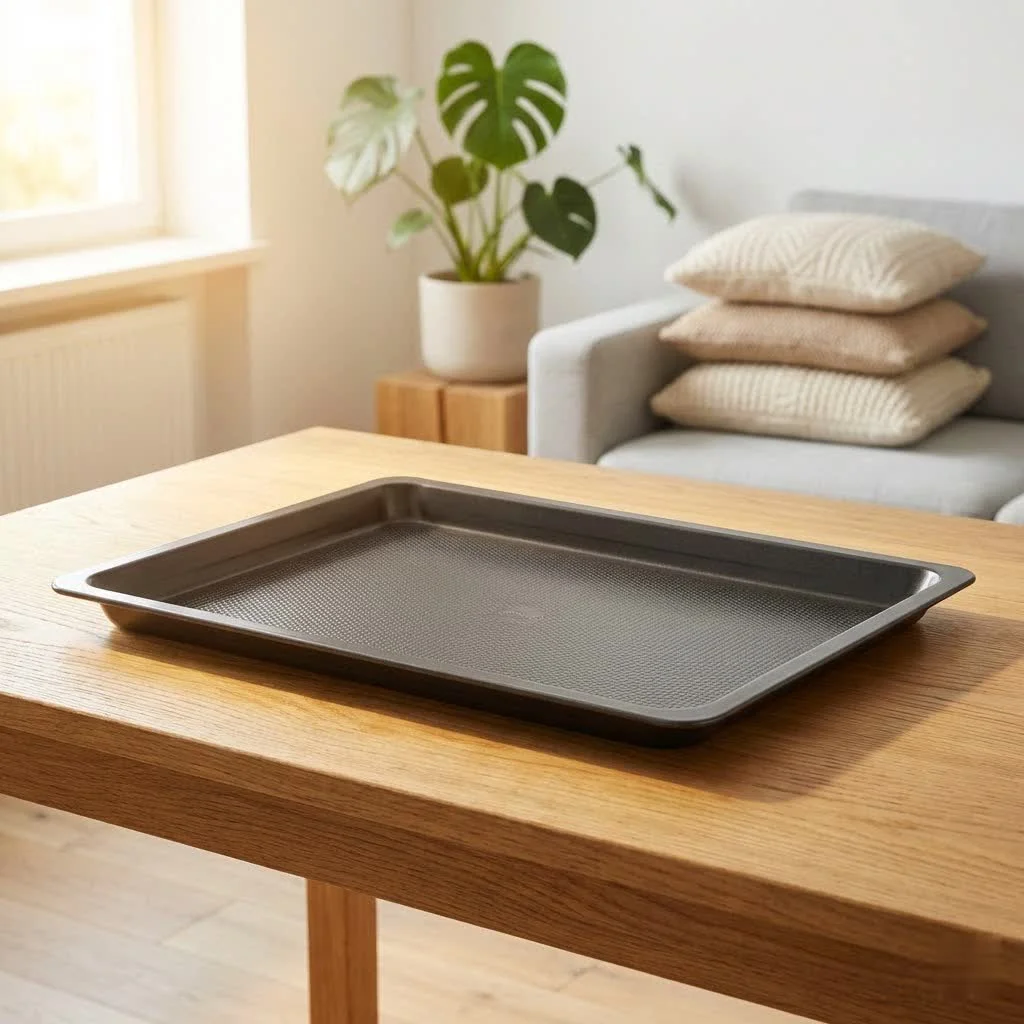
Understanding Different Types of Baking Trays
Before diving into the specifics of stainless steel, it’s helpful to understand the general landscape of baking trays. These essential kitchen tools come in various forms, each designed for particular tasks: For expert baking trays reviews on this site.
- Cookie Sheets: Typically flat or with one raised edge, ideal for cookies, biscuits, and delicate pastries that need to slide off easily.
- Half-Sheet Pans: The most common and versatile, with four raised edges, perfect for roasting vegetables, baking sheet cakes, or larger batches of cookies.
- Quarter-Sheet Pans: Smaller versions of half-sheets, great for single servings, toaster ovens, or organizing ingredients.
- Jelly Roll Pans: Similar to half-sheet pans but often with slightly deeper sides, traditionally used for thin sponge cakes (jelly rolls).
- Roasting Pans: Deeper and often more robust, designed for cooking larger cuts of meat or poultry, sometimes with an accompanying rack.
When we talk about stainless steel baking trays, we’re primarily referring to sheet pans and roasting pans, where the material’s strength and non-reactivity shine. The construction of stainless steel trays can vary:
- Pure Stainless Steel: These trays are solid stainless steel. While incredibly durable and non-reactive, stainless steel itself is not the best heat conductor. This can sometimes lead to uneven heating or hot spots if not constructed well or used incorrectly.
- Clad Stainless Steel: Often considered the gold standard, clad trays feature layers of different metals, typically stainless steel outer layers with an aluminum or copper core. The core provides excellent heat distribution, while the stainless steel exterior maintains durability and non-reactivity. This construction, similar to high-end cookware, ensures superior baking performance.
- Stainless Steel Grades: Stainless steel is categorized by grade, indicating its composition. Common grades for bakeware include:
- Type 430 (18/0 stainless steel): Contains 18% chromium and 0% nickel. It’s magnetic (suitable for induction cooktops if used as a base) and offers good corrosion resistance at a more budget-friendly price point.
- Type 304 (18/8 or 18/10 stainless steel): Contains 18% chromium and 8% or 10% nickel. This grade provides superior corrosion resistance and a brighter finish, often found in higher-quality bakeware. Nickel makes it non-magnetic.
- 16-gauge stainless steel: Refers to the thickness of the metal. A lower gauge number means thicker steel, indicating greater durability and resistance to warping. Luxury options like Havens use 16-gauge Type 316 stainless steel, a marine-grade steel known for exceptional corrosion resistance.
Understanding these variations is key to choosing a tray that perfectly matches your baking style and budget.
Guide to Choosing a Stainless Steel Baking Tray
Selecting the right stainless steel baking tray involves considering several factors to ensure it meets your specific culinary needs and lasts for years.
Material Quality and Construction
|
Our Picks for the Best Baking Tray in 2026
As an Amazon Associate I earn from qualifying purchases.
|
||
| Num | Product | Action |
|---|---|---|
| 1 | ROTTAY Baking Sheet with Rack Set (2 Pans + 2 Racks), Stainless Steel Cookie Sheet with Cooling Rack, Nonstick Baking Pan, Warp Resistant & Heavy Duty & Rust Free, Size 16 x 12 x 1 Inches |

|
| 2 | GoodCook Everyday Nonstick Carbon Steel Baking Sheet Set, 3 Pack – Small 13” x 9”, Medium 15” x 10”, Large 17” x 11” – Carbon Steel Cooking Pans, Cookie Sheet Bakeware Set |
|
| 3 | NutriChef 3-Piece Nonstick Kitchen Oven Baking Pans - Premium & Stylish Non-Stick Steel, Commercial Grade Restaurant Quality Metal Bakeware with Red Silicone Handles - Easy to Clean, NCSBS3S |
|
| 4 | Baking Sheet Tray Cooling Rack with Silicone Baking Mat Set, Stainless Steel Cookie Pan For Oven, Set of 9 (3 Sheets + 3 Racks + 3 Mats), Warp Resistant & Heavy Duty & Easy Clean, Red |
|
| 5 | Commercial Quality Baking Sheet Pan Set, Natural Aluminum Cookie Sheet, Umite Chef Warp Resistant Baker's Half Sheet Pan, Large Thick Cookie Tray Pans for Baking, Roasting(2 Pack, 18X13In) |
|
| 6 | GoodCook Everyday Nonstick Carbon Steel 13” x 9” Baking Sheet Set, 3 Pack – Standard-Sized Carbon Steel Cooking Pans, Bakeware Set, Cookie Sheets for Baking, Oven Pan Set |
|
| 7 | Nordic Ware Naturals Half Sheet - USA Made Aluminum Commercial Quality Sheet Pan for Baking or Roasting, Encapsulated Galvanized Steel Rim Prevents Warping, 2-Pack |
|
| 8 | GoodCook BestBake Nonstick Textured Carbon Steel Cookie Sheet, 11" x 17", Large Baking Sheet, Even Heating, Scratch-Resistant, Non-Toxic, Durable, Ideal for Baking and Sheet Pan Dinners |
|
| 9 | Premium Nonstick Baking Sheet Pans – Set of 3, Heavy-Gauge Carbon Steel, Warp, Dent, and Rust-Resistant – Gourmet Rimmed Half Cookie Sheet Trays, Non-Toxic for Exceptional Baking Performance |
|
| 10 | Stainless Steel Baking Sheet Tray Cooling Rack with Silicone Baking Mat Set, Cookie Pan with Cooling Rack, Set of 9 (3 Sheets + 3 Racks + 3 Mats), 10/12/16 Inch, Easy Clean |
|
The quality of the stainless steel and its construction are paramount. Look for:
- Clad Construction: For optimal heat distribution and to minimize hot spots, clad stainless steel trays with an aluminum core (like those from All-Clad or Made In) are often the best choice. They combine the even heating of aluminum with the durability and non-reactivity of stainless steel.
- Stainless Steel Grade: If opting for pure stainless steel, consider Type 304 (18/8 or 18/10) for better corrosion resistance, though Type 430 (18/0) is a good magnetic, budget-friendly option.
- Gauge: A lower gauge number (e.g., 16-gauge) indicates thicker, more robust steel, which is less prone to warping at high temperatures and offers greater longevity.
Size and Shape
Match the tray’s dimensions to your oven and the types of dishes you prepare:
- Oven Fit: Measure your oven interior to ensure the tray fits comfortably, allowing air to circulate.
- Versatility: Half-sheet pans (approx. 18×13 inches) are incredibly versatile for most home baking and roasting tasks. Quarter-sheet pans are useful for smaller portions or toaster ovens.
- Rimmed vs. Flat: Rimmed baking sheets are essential for roasting and anything that might release liquids or needs containing. Flat cookie sheets are best for items that require easy transfer.
Thickness and Weight
Heavier, thicker trays generally indicate better quality. They distribute heat more evenly, are less likely to warp under high heat, and feel more substantial and durable in hand. While stainless steel is inherently heavier than aluminum, a well-made stainless steel tray will have a satisfying heft.
Key Features
- Rolled Edges: Smooth, rolled edges prevent sharp corners and make the tray easier and safer to handle.
- Handles: Some roasting pans or larger sheet pans might feature riveted stainless steel handles, offering a secure grip when transferring heavy loads.
- Racks: Many stainless steel roasting pans come with a stainless steel rack, ideal for elevating food for better air circulation and even cooking. If purchasing a separate cooling rack, ensure it’s also stainless steel to avoid reactions or coatings.
Brand Reputation
Investing in reputable brands known for quality cookware can ensure you get a product that performs well and lasts. Brands like 360 Cookware, All-Clad, Cuisinart, and Made In are often cited for their high-quality stainless steel bakeware.
Budget
Stainless steel baking trays, particularly clad options, can be a greater upfront investment than aluminum. However, their durability, non-reactivity, and longevity often make them more cost-effective in the long run. Balance your budget with the features and quality you prioritize.
Stainless Steel vs. Other Popular Baking Tray Materials
Choosing a baking tray often comes down to the material, each with its unique characteristics. Here’s how stainless steel stacks up against common alternatives:
Stainless Steel vs. Aluminum
| Feature | Stainless Steel | Aluminum |
|---|---|---|
| Heat Conductivity | Slower to heat up; retains heat well. | Heats up quickly; cools down quickly. |
| Evenness of Bake | Can be uneven if not clad; excellent when clad. | Very even heating. |
| Durability | Highly durable, resistant to dents and warping. | Softer, prone to dents and warping (especially thinner gauges). |
| Reactivity | Non-reactive; safe for acidic foods. | Reactive with acidic foods (can impart metallic taste or discoloration). |
| Non-Stick Properties | Not naturally non-stick; requires greasing or parchment. | Not naturally non-stick; some have anodized surfaces. |
| Weight | Heavier. | Lightweight. |
| Cleaning | Dishwasher safe; generally easy to clean. | Hand wash recommended; can discolor in dishwasher. |
| Price | Generally more expensive. | More budget-friendly. |
| Best For | Roasting, broiling, browning, dishes requiring steady heat. | Cookies, delicate pastries, quick-bake items. |
Stainless steel is favored for its robustness and non-reactive surface, making it excellent for high-heat tasks like roasting and broiling without worrying about food interaction. Aluminum, on the other hand, is a champion of even heat distribution, ideal for delicate baked goods like cookies that require precise temperature control.
Stainless Steel vs. Aluminized Steel
Aluminized steel offers a compelling hybrid solution. It features a steel core for strength and durability, coated with aluminum for improved heat conductivity and rust resistance. This material often becomes the “true winner” for professional bakeries and heavy-duty use, combining the best aspects of both materials: the warp resistance of steel with the efficient heat transfer of aluminum. While not pure stainless steel, it’s a material frequently chosen when looking for performance benefits similar to clad stainless steel.
Stainless Steel vs. Non-stick Coated Pans
Many baking trays come with a non-stick coating.
- Non-stick Coated Pros: Easy food release, quick cleanup.
- Non-stick Coated Cons: Coatings can scratch, chip, or degrade over time, potentially leaching chemicals. They often have lower heat tolerance and are not suitable for broiling.
- Stainless Steel: Offers a chemical-free cooking surface that lasts a lifetime without concerns about coating degradation, provided you use parchment paper or grease the surface.
Tips for Using and Caring for Your Stainless Steel Baking Tray
To maximize the performance and lifespan of your stainless steel baking tray, proper usage and care are essential.
Prepping for Success
Unlike non-stick pans, stainless steel requires a little preparation to prevent food from sticking:
- Grease Generously: For most baking tasks, lightly grease the tray with butter, oil, or cooking spray.
- Parchment Paper or Silicone Mats: For easy release and even easier cleanup, always use parchment paper or a reusable silicone baking mat. This is especially crucial for delicate items like cookies or roasted vegetables with sticky glazes.
Heat Management
Stainless steel takes longer to heat up than aluminum but retains heat exceptionally well once hot.
- Preheat Thoroughly: Always preheat your oven with the baking tray inside if the recipe calls for it, or allow the tray to come up to temperature with your food. This ensures an even cooking surface from the start.
- Avoid Thermal Shock: Sudden temperature changes can cause even thick stainless steel to warp temporarily or permanently. Avoid plunging a hot tray into cold water. Let it cool gradually after use.
Cleaning and Maintenance
One of the greatest advantages of stainless steel is its ease of cleaning and durability.
- Everyday Cleaning: After each use, wash the tray with warm water, dish soap, and a non-abrasive sponge or cloth. Avoid steel wool or harsh scrubbers that can scratch the surface.
- Removing Burnt-on Food:
- Soak: For stubborn, burnt-on residue, fill the tray with hot water and a few drops of dish soap. Let it soak for an hour or even overnight. This often loosens the grime for easy scrubbing.
- Baking Soda & Vinegar/Lemon: Sprinkle baking soda over the affected area, then spray or pour white vinegar (or squeeze lemon juice) on top. The fizzing action helps lift baked-on bits. Let it sit for 10-20 minutes, then scrub with a non-abrasive sponge. Rinse thoroughly.
- Bar Keepers Friend: This cleanser is highly effective for stainless steel. Make a paste with a small amount of water, apply it to stains, let it sit briefly, then scrub and rinse. It works wonders on discoloration and tough residue.
- Addressing Rainbow Stains: If your stainless steel develops a bluish or rainbow discoloration (often due to heat oxidation), a simple solution of white distilled vinegar or apple cider vinegar rubbed with a soft cloth will usually remove it.
- Dishwasher Safe: Most stainless steel baking trays are dishwasher safe, offering convenient cleanup. Always check the manufacturer’s instructions.
Storage
Store your stainless steel baking trays in a way that prevents scratching. Stacking them with a piece of parchment paper or a clean cloth between each tray can help protect the surface.
Top Stainless Steel Baking Tray Recommendations
When it comes to investing in a high-quality stainless steel baking tray, certain brands and products consistently receive high marks for their performance, durability, and construction. These options often leverage clad technology or superior grades of stainless steel to overcome the material’s inherent heat conductivity challenges.
Here are a few highly-regarded examples:
- All-Clad Stainless Steel Half Sheet Pan: Known for its “D3” clad construction (stainless steel surrounding an aluminum core), All-Clad pans provide exceptional and even heating. They are incredibly durable, resistant to warping, and can handle high oven temperatures, including broiling. While a significant investment, their performance and longevity make them a favorite among serious home cooks and professionals.
- 360 Cookware Stainless Steel Baking Sheets: These trays are often praised for their heavy-gauge, multi-ply stainless steel construction which includes an aluminum layer. This design ensures even heat distribution and robustness. 360 Cookware emphasizes “vapor cooking” technology, creating a healthier cooking environment without chemical coatings.
- Made In Stainless Clad Sheet Pan: Made In’s bakeware features a 5-ply stainless clad construction, combining stainless steel with aluminum for excellent heat conduction and durability. These pans are designed to be high-performance, oven-safe, and capable of achieving superior browning.
- Cuisinart Chef’s Classic Stainless Steel Roasting Pans: While often larger roasting pans, Cuisinart’s stainless steel options are well-regarded for their sturdy construction, even heating, and accompanying non-stick racks. They are perfect for larger roasts and can handle high temperatures.
These recommendations lean towards clad or heavy-gauge stainless steel, recognizing that pure, thin stainless steel might not offer the ideal baking performance compared to its clad counterparts. When evaluating any product, consider the gauge, the presence of an aluminum core, and user reviews regarding even heating and warp resistance.
Where to Buy Stainless Steel Baking Trays
Finding the perfect stainless steel baking tray involves knowing where to look and what to prioritize. You have several reliable avenues for purchase:
- Online Retailers:
- Amazon: Offers a vast selection from numerous brands, often with competitive pricing and extensive customer reviews. You’ll find everything from basic commercial-grade options to premium clad bakeware.
- Specialty Kitchen Stores (Online): Websites like Williams Sonoma, Sur La Table, or dedicated brand sites (e.g., All-Clad, Made In, 360 Cookware) offer higher-end, curated selections. These often provide detailed product specifications and quality assurances.
- General Retailers: Major online stores like Target or Walmart carry a range of stainless steel baking options, including more budget-friendly brands.
- Department Stores: Physical department stores with kitchenware sections (e.g., Macy’s, Kohl’s) often stock popular brands of stainless steel bakeware, allowing you to see and feel the quality before purchasing.
- Restaurant Supply Stores: For those seeking no-frills, heavy-duty, and often more affordable options, local or online restaurant supply stores (like WebstaurantStore) are an excellent resource. These pans are built for endurance and professional use.
When buying online, pay close attention to:
- Product Descriptions: Verify the specific type of stainless steel (e.g., 18/0, 18/10, clad) and the gauge (thickness).
- Customer Reviews: Look for feedback on even heating, warp resistance, ease of cleaning, and overall durability.
- Return Policies: Ensure you can return the product if it doesn’t meet your expectations.
Comparing prices and features across different vendors will help you find the best value for your investment.
Conclusion
Embracing stainless steel baking trays is a step towards more durable, reliable, and non-reactive bakeware in your kitchen. While they might require a slight adjustment in technique compared to non-stick alternatives, their longevity, health benefits, and robust performance make them an invaluable asset for everything from delicate pastries to hearty roasted dinners. By understanding the different types, carefully selecting based on quality and construction, and committing to proper care, you’ll ensure your stainless steel baking trays serve you faithfully for decades. Invest wisely, and prepare to enjoy the superior results that come with truly enduring bakeware.
What culinary masterpieces are you most excited to create with your new stainless steel baking companion?
Frequently Asked Questions
Are stainless steel baking trays truly non-stick?
No, stainless steel baking trays are not naturally non-stick. To prevent food from sticking, it’s crucial to properly grease the surface, use parchment paper, or a silicone baking mat. This ensures easy food release and simplifies cleanup, allowing you to enjoy the benefits of stainless steel without the frustration of stuck-on food.
Why do stainless steel pans sometimes get rainbow stains?
The rainbow-like discoloration, often called “heat tint” or “bluing,” occurs when stainless steel is exposed to high heat. This phenomenon is caused by a thin layer of oxidation forming on the surface. While purely cosmetic and not affecting performance, it can be easily removed using a solution of white vinegar or a specialized stainless steel cleaner.
Can I use stainless steel baking trays under the broiler?
Yes, high-quality stainless steel baking trays are generally safe to use under the broiler. Unlike pans with non-stick coatings, stainless steel can withstand the intense, direct heat of a broiler without degradation or releasing harmful fumes. Always ensure your specific tray is made of robust, heavy-gauge stainless steel for optimal performance and warp resistance under such conditions.
How do I prevent stainless steel baking trays from warping?
To minimize warping, especially with thinner trays, look for models made from heavy-gauge stainless steel or clad construction (e.g., stainless steel with an aluminum core). Always preheat your oven with the tray inside to ensure gradual and even heating, and allow the tray to cool down slowly on a wire rack after use, avoiding sudden temperature changes like running hot water over a hot pan.
Is stainless steel safe for baking?
Yes, stainless steel is considered a very safe material for baking. It is non-reactive, meaning it won’t leach chemicals or alter the taste of acidic foods, unlike some other metals. Furthermore, good quality stainless steel bakeware does not have chemical coatings that can degrade over time, making it a healthy and durable choice for your kitchen.
Get our weekly buyer guide
Practical specs, not advice. Unsubscribe anytime.
