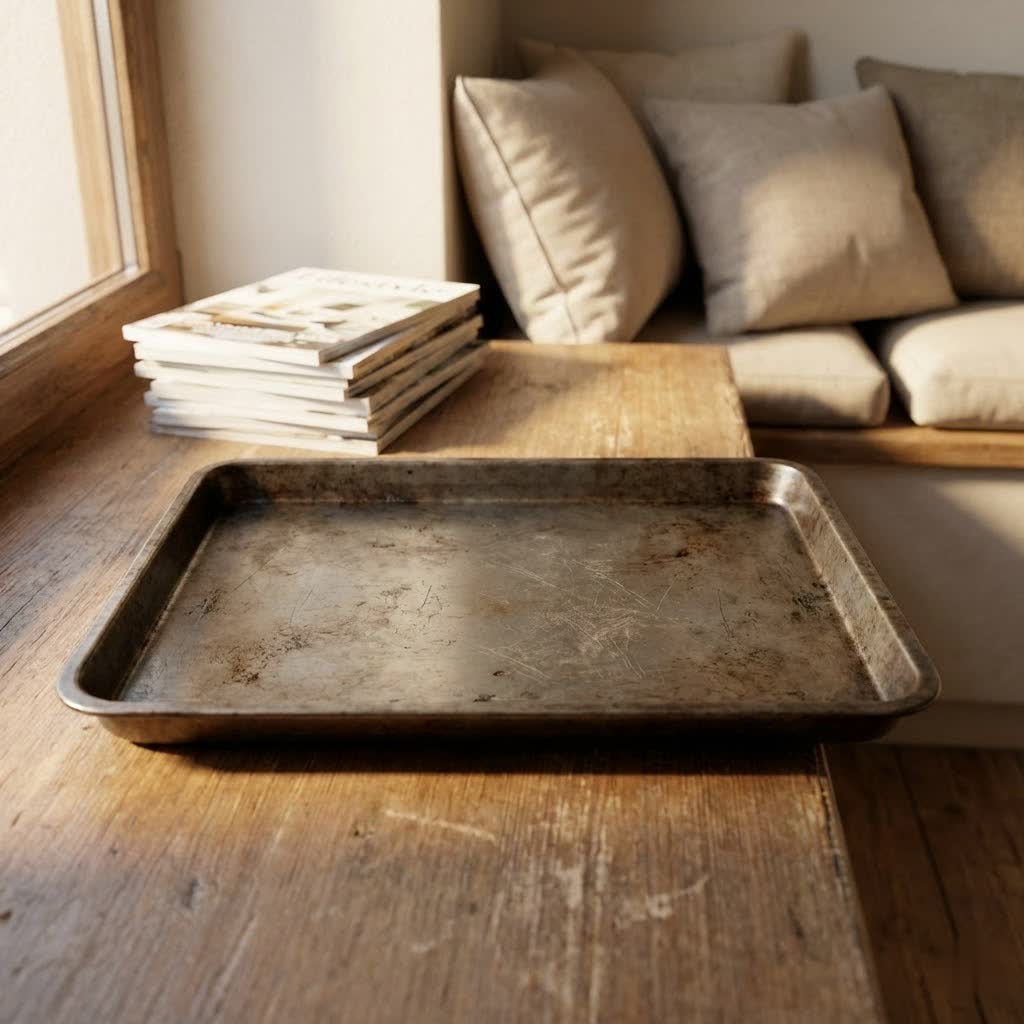
The air fryer has revolutionized kitchens worldwide, transforming how we crisp, roast, and reheat. But what about baking? Can this versatile appliance handle your cakes, cookies, and casseroles? Absolutely, with the right tools. An air fryer baking tray is your secret weapon, unlocking a world of culinary possibilities beyond just fries and chicken wings.
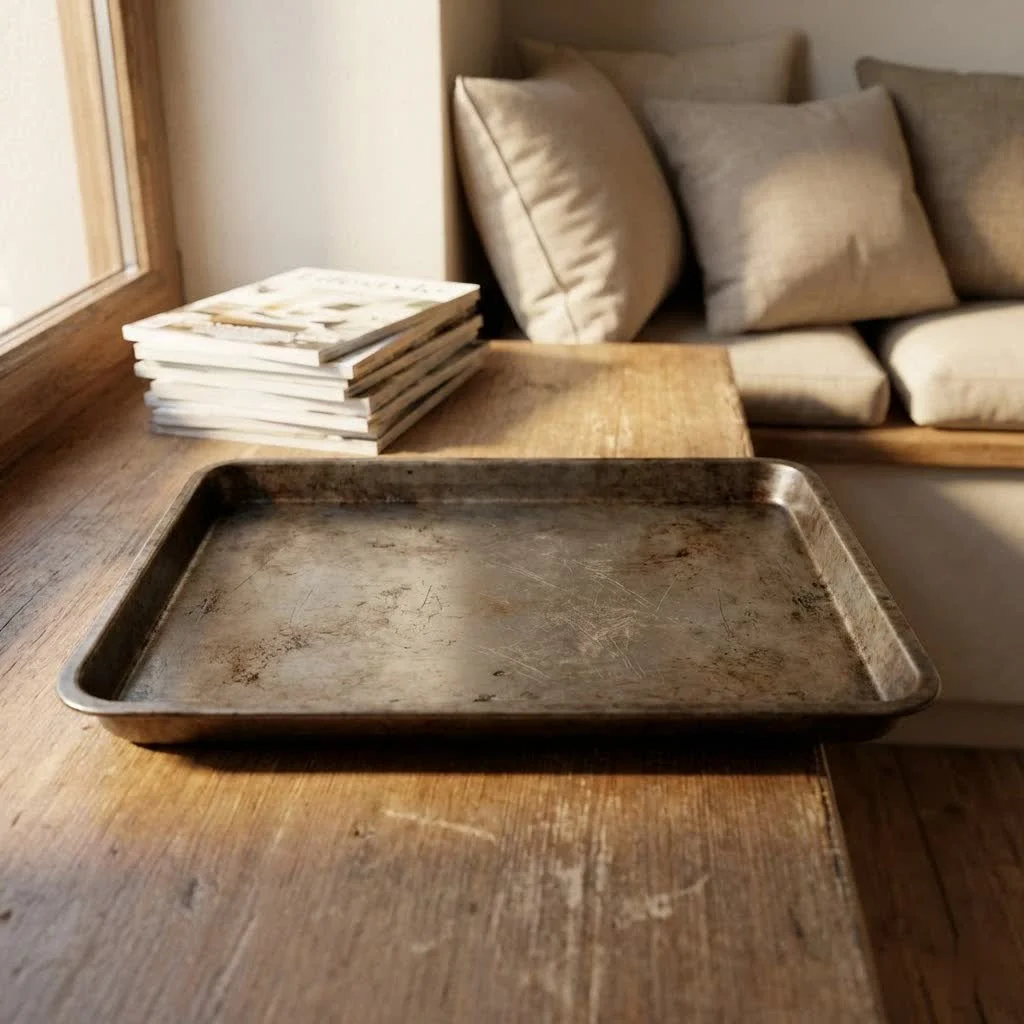
This comprehensive guide will delve into everything you need to know about air fryer baking trays. We’ll explore the various types available, provide essential tips for choosing the perfect fit, share expert advice on usage and maintenance, and help you navigate the market to find your ideal baking companion. Get ready to expand your air fryer’s capabilities and elevate your baking game.
Understanding Air Fryer Baking Trays
At its core, an air fryer is a compact convection oven, circulating hot air rapidly to cook food. An air fryer baking tray is a specialized accessory or a piece of oven-safe bakeware designed to fit within this unique environment, allowing you to bake, roast, and even reheat delicate items effectively.
It’s important to distinguish between baking trays specifically designed to fit into smaller, basket-style air fryers and larger “air fry trays” sometimes marketed for use in conventional ovens to mimic air frying. Our focus here is primarily on trays that integrate seamlessly with your countertop air fryer unit, maximizing its potential for true air-fried baking. These trays facilitate even heat distribution and allow hot air to circulate around your food, which is crucial for achieving that desirable crispy exterior and moist interior characteristic of air-fried dishes.
Popular Types of Air Fryer Baking Trays
The material of your air fryer baking tray significantly impacts its performance, durability, and ease of use. Understanding the characteristics of each type will help you make an informed decision.
Stainless Steel
Stainless steel trays are a workhorse in any kitchen, and their versatility extends to the air fryer.
- Pros: Highly durable, non-reactive with various foods, generally easy to clean, and can withstand high temperatures. Many come in sets with a perforated basket nested over a solid tray to optimize airflow and catch drippings for crispier results.
- Cons: Without a non-stick coating, food can stick, requiring parchment paper or careful greasing.
Non-Stick (Carbon Steel, Ceramic Coated)
These trays are often made from carbon steel or aluminum and feature a non-stick coating, typically PFOA-free. Ceramic coatings are also popular for their non-toxic properties.
- Pros: Excellent food release, making cleanup a breeze. Ideal for delicate baked goods like cookies or pastries. Many are dishwasher safe.
- Cons: The non-stick coating can wear down over time, especially with abrasive cleaning or metal utensils. Darker non-stick coatings can absorb heat more quickly, potentially leading to uneven browning, so lighter colors are often preferred. Always use silicone or wooden utensils to protect the surface.
Silicone
|
Our Picks for the Best Baking Tray in 2026
As an Amazon Associate I earn from qualifying purchases.
|
||
| Num | Product | Action |
|---|---|---|
| 1 | Commercial Quality Baking Sheet Pan Set, Natural Aluminum Cookie Sheet, Umite Chef Warp Resistant Baker's Half Sheet Pan, Large Thick Cookie Tray Pans for Baking, Roasting(2 Pack, 18X13In) |

|
| 2 | NutriChef 3-Piece Nonstick Kitchen Oven Baking Pans - Premium & Stylish Non-Stick Steel, Commercial Grade Restaurant Quality Metal Bakeware with Red Silicone Handles - Easy to Clean, NCSBS3S |
|
| 3 | Nordic Ware Naturals Half Sheet - USA Made Aluminum Commercial Quality Sheet Pan for Baking or Roasting, Encapsulated Galvanized Steel Rim Prevents Warping, 2-Pack |
|
| 4 | Premium Nonstick Baking Sheet Pans – Set of 3, Heavy-Gauge Carbon Steel, Warp, Dent, and Rust-Resistant – Gourmet Rimmed Half Cookie Sheet Trays, Non-Toxic for Exceptional Baking Performance |
|
| 5 | GoodCook BestBake Nonstick Textured Carbon Steel Cookie Sheet, 11" x 17", Large Baking Sheet, Even Heating, Scratch-Resistant, Non-Toxic, Durable, Ideal for Baking and Sheet Pan Dinners |
|
| 6 | GoodCook Everyday Nonstick Carbon Steel Baking Sheet Set, 3 Pack – Small 13” x 9”, Medium 15” x 10”, Large 17” x 11” – Carbon Steel Cooking Pans, Cookie Sheet Bakeware Set |
|
| 7 | Baking Sheet Tray Cooling Rack with Silicone Baking Mat Set, Stainless Steel Cookie Pan For Oven, Set of 9 (3 Sheets + 3 Racks + 3 Mats), Warp Resistant & Heavy Duty & Easy Clean, Red |
|
| 8 | GoodCook Everyday Nonstick Carbon Steel 13” x 9” Baking Sheet Set, 3 Pack – Standard-Sized Carbon Steel Cooking Pans, Bakeware Set, Cookie Sheets for Baking, Oven Pan Set |
|
| 9 | ROTTAY Baking Sheet with Rack Set (2 Pans + 2 Racks), Stainless Steel Cookie Sheet with Cooling Rack, Nonstick Baking Pan, Warp Resistant & Heavy Duty & Rust Free, Size 16 x 12 x 1 Inches |
|
| 10 | Stainless Steel Baking Sheet Tray Cooling Rack with Silicone Baking Mat Set, Cookie Pan with Cooling Rack, Set of 9 (3 Sheets + 3 Racks + 3 Mats), 10/12/16 Inch, Easy Clean |
|
Food-grade silicone bakeware has gained popularity for its flexibility and convenience.
- Pros: Extremely flexible, making it easy to remove baked goods. Heat-resistant, often foldable for compact storage, and microwave-safe. Easy to clean.
- Cons: Less rigid than metal, which can make transferring full trays tricky. May not achieve the same level of crispness as metal trays due to its insulating properties. Ensure it’s specifically rated for high-heat cooking.
Aluminum (Foil/Pans)
Standard aluminum foil or disposable aluminum pans can be a quick and convenient option for certain air fryer baking tasks.
- Pros: Readily available, inexpensive, and excellent for quick cleanup as they are disposable.
- Cons: Can restrict airflow if not used correctly, potentially hindering the air fryer’s primary function. Aluminum foil needs to be weighed down by food to prevent it from blowing around and contacting the heating element. It can also scratch the air fryer basket’s coating if not handled carefully.
Ceramic and Glass (Oven-Safe)
Many oven-safe ceramic dishes and glass bakeware (like Pyrex) can theoretically be used in an air fryer.
- Pros: Versatile, often retain heat well, and can go from oven to table.
- Cons: Glass can be susceptible to thermal shock, meaning rapid temperature changes in an fryer might cause it to crack. Always check your air fryer’s manual and the bakeware’s specifications to ensure it’s safe for intense, concentrated heat. These materials are also heavier and take up more space.
Comparison of Common Air Fryer Baking Tray Materials
| Material | Durability | Non-Stick Properties | Cleaning | Best For |
|---|---|---|---|---|
| Stainless Steel | High | Low (needs greasing) | Easy | Roasting, items needing crisping, durability |
| Non-Stick | Medium | High | Very Easy | Baking delicate items, easy release |
| Silicone | Medium | High | Easy | Muffins, soft baked goods, easy storage |
| Aluminum | Low | Low (disposable) | Very Easy | Quick tasks, minimal cleanup |
| Ceramic/Glass | Medium | Low | Easy | Casseroles, baking with heat retention |
How to Choose the Perfect Air Fryer Baking Tray
Selecting the right baking tray for your air fryer involves several critical considerations beyond just material.
Size and Compatibility
This is arguably the most crucial factor. Air fryers come in various sizes and styles (basket vs. oven).
- Measure Accurately: Before purchasing, carefully measure the interior dimensions of your air fryer basket or oven. Pay attention to both width/depth and height.
- Allow for Airflow: Ensure there’s at least an inch of space around the tray for proper air circulation. A tray that’s too snug will impede airflow, leading to uneven cooking and less crispiness.
- Handle Design: Consider if the tray has handles and if they will fit and allow for easy removal without touching the heating element or sides.
Material Considerations
As detailed above, each material has its strengths.
- For Crispness: Stainless steel or non-stick trays, especially those with perforated inserts, are excellent for achieving crispy textures.
- For Baking Cakes/Muffins: Silicone or non-stick pans work well for delicate items that require easy release.
- Versatility: If you want a multi-purpose tray, stainless steel or good quality non-stick are strong contenders.
Heat Resistance
All bakeware used in an air fryer must be oven-safe and able to withstand the high temperatures, often up to 450°F (230°C), that air fryers operate at. Always double-check the manufacturer’s specifications for both your air fryer and the baking tray.
Ease of Cleaning
Consider your cleaning preferences. Many non-stick and stainless steel trays are dishwasher safe, offering convenience. Silicone is also very easy to hand wash. If easy cleanup is a top priority, prioritize non-stick options.
Brand and Reviews
Look for reputable brands known for quality kitchenware. Reading customer reviews can provide valuable insights into real-world performance, durability, and how well a specific tray fits various air fryer models.
Tips for Using and Maintaining Your Air Fryer Baking Tray
To get the best results and extend the life of your air fryer baking tray, follow these practical tips.
Preheating and Placement
- Preheat: Always preheat your air fryer with the tray inside (unless using aluminum foil, which should be weighed down by food) to ensure even cooking from the start.
- Optimal Placement: Position the tray in a way that allows maximum airflow. Avoid overcrowding the tray, as this can steam food rather than air fry it. If your air fryer has multiple racks, experiment to find the best level for different foods.
Preventing Sticking
- Non-Stick Coatings: Even with non-stick trays, a light spray of cooking oil or a thin layer of butter can enhance food release and flavor.
- Parchment Paper: Air fryer-specific parchment paper liners are available and can be very useful. If using standard parchment, ensure it’s cut to size, doesn’t touch the heating element, and is weighed down by food to prevent it from flying around during cooking.
- Oil/Grease: For non-coated trays, always grease thoroughly.
Safe Handling
- Oven Mitts: Air fryer trays get extremely hot. Always use heat-resistant oven mitts when removing them.
- Lifting Mechanisms: For basket-style air fryers, specialized tongs or grippers can make safely removing hot trays much easier.
Cleaning Best Practices
- Prompt Cleaning: Clean your tray soon after use to prevent food from drying and sticking.
- Gentle Cleaning: For non-stick and silicone trays, use soft sponges or cloths and mild dish soap. Avoid abrasive scrubbers or harsh chemicals that can damage coatings. Many non-stick and stainless steel trays are dishwasher safe, making cleanup even simpler.
- Stubborn Residue: For baked-on messes, soak the tray in hot, soapy water before attempting to scrub.
> “The secret to prolonged air fryer tray life isn’t just about what you cook, but how you clean. Always treat non-stick surfaces gently, and never underestimate the power of a good soak for baked-on food.” – Chef Elena Rodriguez, Culinary Expert in Modern Kitchen Appliances
Storage
Store your air fryer baking trays carefully. If stacking, place a paper towel or cloth between non-stick trays to prevent scratches and extend the life of the coating.
Top Air Fryer Baking Tray Recommendations
While specific brands and models can change frequently, here are categories and features to look for when seeking high-quality air fryer baking trays:
- Perforated Basket & Tray Sets: These are ideal for maximum crisping. The elevated mesh basket allows 360-degree airflow, while the solid tray underneath catches drippings, keeping your air fryer cleaner. Look for food-grade stainless steel or non-stick options.
- Silicone Muffin/Cupcake Liners & Pans: Perfect for individual portions of baked goods. Their flexibility makes demolding a breeze, and they are easy to clean.
- Mini Oven-Safe Bakeware: Small ceramic ramekins, mini loaf pans, or square baking dishes made from durable non-stick or carbon steel are excellent for smaller batches of brownies, casseroles, or breads. Ensure they fit your air fryer with ample space.
- Reversible Grill/Baking Trays: Some accessories offer a dual function, with one side optimized for grilling (ridged) and the other for flat baking. These maximize versatility.
Prioritize trays that explicitly state they are designed for air fryer use, or at least are confirmed oven-safe and fit your specific appliance’s dimensions.
Where to Purchase Air Fryer Baking Trays
Finding the right air fryer baking tray is easier than ever with numerous retail options.
- Online Retailers: Websites like Amazon, Walmart, Target, and specialty kitchen supply stores (e.g., Williams Sonoma, Sur La Table) offer a vast selection, often with detailed product descriptions and customer reviews. This is an excellent place to compare options and find air fryer-specific accessory kits.
- Department and Big-Box Stores: Physical stores like Walmart, Target, and Bed Bath & Beyond often carry a range of air fryer accessories and compatible bakeware. This allows you to physically check the size and feel of the tray.
- Appliance Retailers: Stores that sell air fryers often stock compatible accessories from the same brand or third-party manufacturers.
When buying online, always double-check the dimensions and return policy to ensure compatibility with your air fryer. Look for value packs that include multiple accessories if you’re looking to expand your air fryer’s capabilities broadly.
Conclusion
The air fryer baking tray is an indispensable accessory that unlocks a new dimension of cooking in your air fryer. By understanding the different materials, considering compatibility and size, and adhering to proper usage and maintenance, you can transform your air fryer into a versatile baking powerhouse. Whether you’re making gooey brownies, crispy roasted vegetables, or delicate muffins, the right tray ensures optimal results every time.
Embrace the possibilities, experiment with new recipes, and let your air fryer become the ultimate multi-functional tool in your kitchen. What delicious air-fried baked creation will you try next?
Frequently Asked Questions
Can I use a regular baking pan in an air fryer?
Yes, you can generally use any baking pan that is oven-safe and fits comfortably inside your air fryer while allowing for adequate air circulation. Ensure it’s made of a heat-resistant material like metal, silicone, or certain types of glass or ceramic.
What is the best material for an air fryer baking tray?
The “best” material depends on your specific needs. Stainless steel is highly durable and versatile, great for crisping. Non-stick coatings (like ceramic or carbon steel) are excellent for easy food release and cleanup when baking delicate items. Silicone is fantastic for flexibility and soft baked goods.
How do I prevent food from sticking to my air fryer tray?
To prevent sticking, use a tray with a good non-stick coating, or liberally grease non-coated trays with oil or butter. Air fryer-specific parchment paper liners are also highly effective, but ensure they are weighed down by food to prevent them from flying into the heating element.
Can I put aluminum foil in an air fryer?
Yes, aluminum foil can be used in an air fryer, but with caution. Always ensure it’s weighed down by food so it doesn’t blow around and come into contact with the heating element. It’s best used for lining or covering, not for entirely encasing food, as this can restrict the essential airflow.
What size baking tray do I need for my air fryer?
You need to measure the interior of your air fryer basket or oven precisely, including width, depth, and height. Choose a tray that is at least 1-2 inches smaller than these dimensions on all sides to guarantee sufficient space for hot air to circulate, which is vital for proper air frying.
Get our weekly buyer guide
Practical specs, not advice. Unsubscribe anytime.
