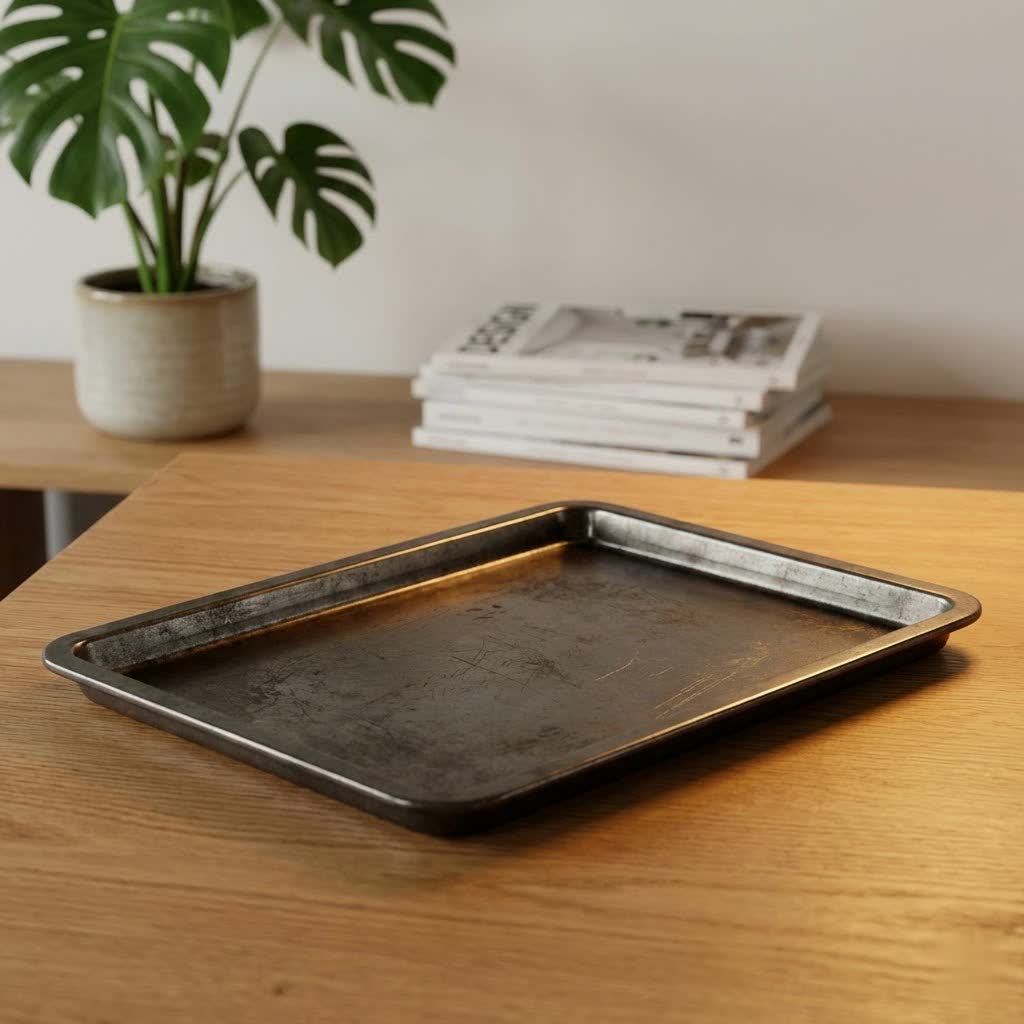
As an expert in kitchenware with over a decade dedicated to understanding baking trays, I know that the right tools can transform your culinary journey. A baking sheet tray is more than just a piece of metal; it’s a versatile foundation for countless delicious creations, from crispy roasted vegetables to perfectly golden cookies. With so many options available today—different materials, sizes, and features—selecting the ideal tray can feel overwhelming. This guide will cut through the clutter, sharing practical insights to help you choose and care for the perfect baking sheet tray for your kitchen. Let’s dive in and find the ultimate companion for your baking adventures!
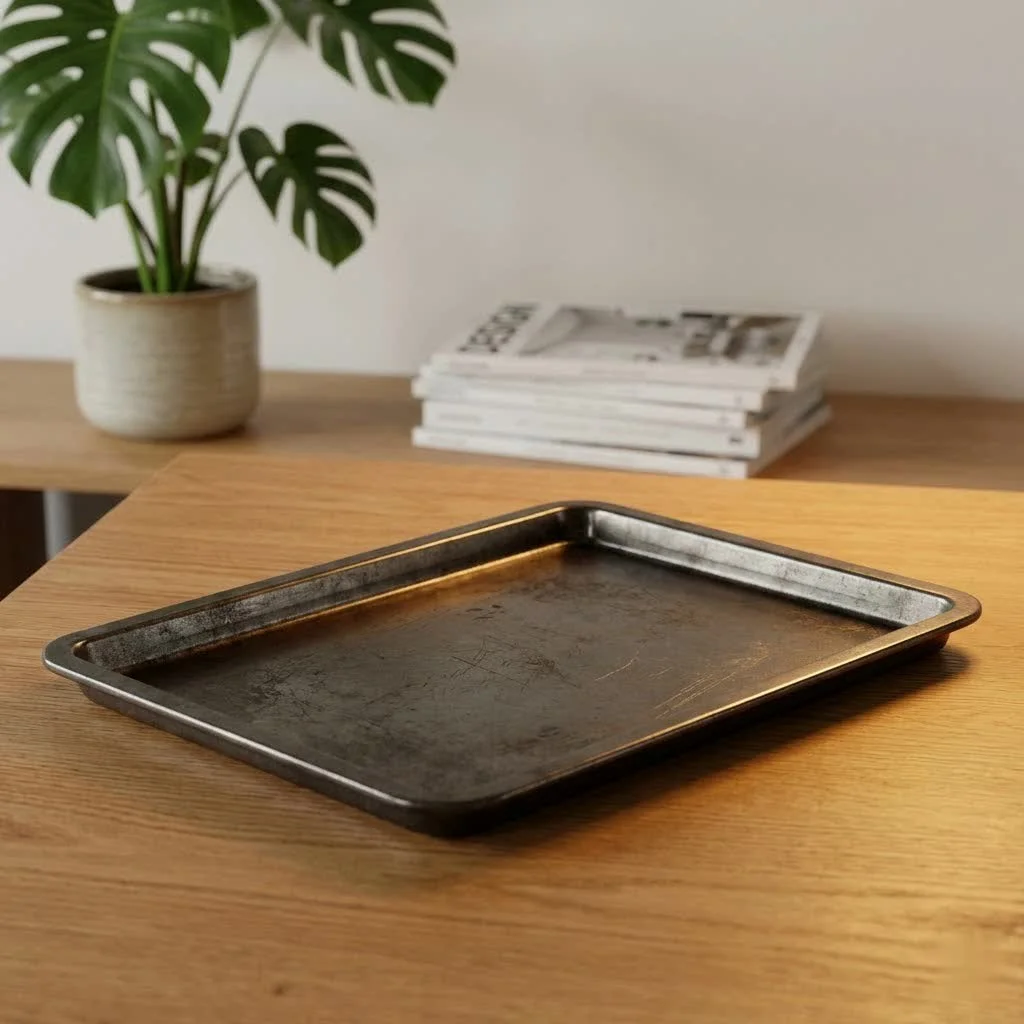
Understanding the Different Types of Baking Sheet Trays
The world of baking trays can be a bit confusing, with terms like “baking sheet,” “cookie sheet,” and “sheet pan” often used interchangeably. Let’s clarify these distinctions to help you understand what each type brings to your kitchen. For shop curated baking trays on this site.
A baking sheet or sheet pan generally refers to a flat, rectangular metal pan with raised edges on all four sides, typically about one inch high. This design is crucial as it contains liquids, preventing spills and making these pans ideal for roasting vegetables, meats, or baking sheet cakes and savory dishes. Their robust structure also helps them resist warping under high heat.
In contrast, a cookie sheet is usually a flat metal pan with either no raised edges or just one raised lip for easy gripping. This design allows for better air circulation around cookies and effortless sliding of baked goods off the pan. However, their lack of rims makes them less suitable for dishes with liquids.
Beyond these definitions, baking sheets come in standardized sizes:
- Full-Size (18 x 26 inches): Primarily used in commercial kitchens due to their large size, which often won’t fit in standard home ovens.
- Half-Size (18 x 13 inches): The most popular and versatile size for home bakers, fitting comfortably in most residential ovens and accommodating a wide range of tasks from baking cookies to full sheet pan dinners.
- Quarter-Size (13 x 9 inches): Perfect for smaller tasks, baking individual portions, or toasting nuts. Their compact size makes them great for kitchens with limited space.
Some specialized trays also exist, like jelly roll pans, which are typically 10×15 or 12×17 inches with slightly raised edges, specifically designed for thin sheet cakes that are rolled [cite: 2 (from search output)]. You might also encounter trays with corrugated surfaces, designed to promote better airflow for even baking and browning.
Your Guide to Choosing the Best Baking Sheet Tray
Selecting the right baking sheet tray involves considering several factors beyond just its name. The material, thickness, color, and coating all play a significant role in how your food cooks and the longevity of the pan.
Material Matters for Optimal Performance
|
Our Picks for the Best Baking Tray in 2026
As an Amazon Associate I earn from qualifying purchases.
|
||
| Num | Product | Action |
|---|---|---|
| 1 | NutriChef 3-Piece Nonstick Kitchen Oven Baking Pans - Premium & Stylish Non-Stick Steel, Commercial Grade Restaurant Quality Metal Bakeware with Red Silicone Handles - Easy to Clean, NCSBS3S |

|
| 2 | GoodCook Everyday Nonstick Carbon Steel 13” x 9” Baking Sheet Set, 3 Pack – Standard-Sized Carbon Steel Cooking Pans, Bakeware Set, Cookie Sheets for Baking, Oven Pan Set |
|
| 3 | Commercial Quality Baking Sheet Pan Set, Natural Aluminum Cookie Sheet, Umite Chef Warp Resistant Baker's Half Sheet Pan, Large Thick Cookie Tray Pans for Baking, Roasting(2 Pack, 18X13In) |
|
| 4 | Nordic Ware Naturals Half Sheet - USA Made Aluminum Commercial Quality Sheet Pan for Baking or Roasting, Encapsulated Galvanized Steel Rim Prevents Warping, 2-Pack |
|
| 5 | Premium Nonstick Baking Sheet Pans – Set of 3, Heavy-Gauge Carbon Steel, Warp, Dent, and Rust-Resistant – Gourmet Rimmed Half Cookie Sheet Trays, Non-Toxic for Exceptional Baking Performance |
|
| 6 | GoodCook Everyday Nonstick Carbon Steel Baking Sheet Set, 3 Pack – Small 13” x 9”, Medium 15” x 10”, Large 17” x 11” – Carbon Steel Cooking Pans, Cookie Sheet Bakeware Set |
|
| 7 | Stainless Steel Baking Sheet Tray Cooling Rack with Silicone Baking Mat Set, Cookie Pan with Cooling Rack, Set of 9 (3 Sheets + 3 Racks + 3 Mats), 10/12/16 Inch, Easy Clean |
|
| 8 | ROTTAY Baking Sheet with Rack Set (2 Pans + 2 Racks), Stainless Steel Cookie Sheet with Cooling Rack, Nonstick Baking Pan, Warp Resistant & Heavy Duty & Rust Free, Size 16 x 12 x 1 Inches |
|
| 9 | Baking Sheet Tray Cooling Rack with Silicone Baking Mat Set, Stainless Steel Cookie Pan For Oven, Set of 9 (3 Sheets + 3 Racks + 3 Mats), Warp Resistant & Heavy Duty & Easy Clean, Red |
|
| 10 | GoodCook BestBake Nonstick Textured Carbon Steel Cookie Sheet, 11" x 17", Large Baking Sheet, Even Heating, Scratch-Resistant, Non-Toxic, Durable, Ideal for Baking and Sheet Pan Dinners |
|
The material of your baking sheet is perhaps the most critical choice, influencing heat conductivity, durability, and even how food releases.
- Aluminum: A popular choice for its excellent heat conductivity, lightweight nature, and affordability. Aluminum heats up and cools down quickly, promoting even baking. However, bare aluminum can be prone to warping under very high temperatures and may react with acidic foods, potentially causing discoloration or affecting taste. Hand washing is often recommended to preserve its finish [cite: 1 (from search output), 4 (from search output)].
- Aluminized Steel: This material combines the best of both worlds—the heat distribution of aluminum with the strength and warp resistance of steel. It’s a common base for many high-quality non-stick baking sheets.
- Stainless Steel: Known for its exceptional durability, rust resistance, and non-reactive properties, stainless steel is a long-lasting option. However, it’s not as efficient at conducting heat as aluminum, which can sometimes lead to uneven baking results [cite: 5 (from search output)].
- Carbon Steel: Similar to cast iron in its need for seasoning, carbon steel heats quickly and evenly, making it excellent for achieving crispy crusts. It’s durable but requires proper care and seasoning to prevent rust and maintain its non-stick qualities [cite: 5 (from search output)].
- Ceramic-Coated: Often made from an aluminized steel base, these pans feature a non-toxic, non-stick ceramic coating. They are durable, withstand high temperatures, and are easy to clean, providing a safe and effective alternative to traditional non-stick surfaces. The main drawback is that the ceramic coating can be more brittle and prone to cracking if not handled with care [cite: 3 (from search output), 1 (from browse output)].
- Glass: While attractive and allowing you to monitor baking progress, glass pans are poor heat conductors but retain heat exceptionally well. This means they heat slowly but stay hot longer, which can lead to over-browning of edges and bottoms. If using glass, it’s often advised to reduce your oven temperature by 25°F [cite: 2 (from search output), 1 (from browse output)]. Glass is also more fragile and heavier than metal options.
- Silicone: Flexible, non-stick, and easy to clean, silicone pans are a convenient choice for certain baked goods. However, some concerns exist about potential chemical release at very high temperatures, and they typically require a sturdy underlying tray for support in the oven [cite: 1 (from browse output)].
Other Key Considerations
- Thickness (Gauge): A thicker pan (indicated by a lower gauge number) is generally more durable and less likely to warp under high heat, providing more consistent baking results.
- Color: Lighter, shiny pans reflect heat, leading to more gradual and even browning, which is ideal for delicate items like cookies that might burn on darker surfaces. Darker pans absorb more heat, resulting in faster and deeper browning. If you use a dark pan, you might need to slightly reduce baking time or oven temperature [cite: 4 (from search output)].
- Non-Stick Coating: While convenient, not all non-stick coatings are created equal. Opt for pans with ceramic-reinforced non-stick surfaces that are free from harmful chemicals like PTFE, PFOA, and PFAS. Remember that even the best non-stick coatings can wear down over time, especially with improper use or harsh cleaning [cite: 3 (from browse output)].
- Rims: For versatility, a sheet pan with a one-inch rim on all four sides is highly recommended. This design prevents juices from spilling over when roasting and adds structural integrity to the pan.
Comparing Popular Baking Sheet Tray Materials
To further assist your decision, here’s a comparison of the most common baking sheet materials:
| Material | Pros | Cons | Ideal Use |
|---|---|---|---|
| Aluminum | Excellent heat conductor, lightweight, affordable, even baking. | Prone to warping (especially thinner gauges), can react with acidic foods, hand wash recommended. | Cookies, light roasting, everyday baking. |
| Aluminized Steel | Combines aluminum’s conductivity with steel’s durability, warp-resistant. | Can be pricier than pure aluminum. | Versatile for baking and roasting, good for non-stick. |
| Stainless Steel | Highly durable, rust-resistant, non-reactive, long-lasting. | Poor heat conductor (can bake unevenly), heavier, generally more expensive. | Roasting meats, dishes where even browning isn’t critical. |
| Carbon Steel | Heats quickly and evenly, durable, good for crispy bakes. | Requires seasoning, prone to rust if not maintained. | Pizza, crispy vegetables, high-heat searing. |
| Ceramic-Coated | Non-toxic, non-stick, durable, high heat tolerance, easy to clean. | Can be brittle and prone to chipping/cracking. | Delicate baked goods, easy-release items, healthy cooking. |
| Glass | Retains heat well, non-reactive, visual monitoring. | Fragile, heavy, heats slowly, can over-brown edges; may require oven temp adjustment. | Casseroles, fruit crisps, dishes needing slow, even cooking. |
| Silicone | Non-stick, flexible, easy cleanup, inexpensive. | May release chemicals at high heat, needs support tray, less browning. | Delicate pastries, confections, freezing. |
Tips for Using and Maintaining Your Baking Sheet Tray
Proper use and maintenance are crucial to extending the life of your baking sheet trays and ensuring consistently excellent results.
Best Practices for Use
- Always Line Your Pans: For most baking, especially delicate items or sticky batters, line your baking sheet with parchment paper or a silicone baking mat. This not only makes cleanup a breeze but also prevents sticking and promotes even baking [cite: 1 (from browse output)]. For roasting vegetables or meats, parchment paper works wonderfully to prevent sticking and catch drippings.
- Avoid Overcrowding: Give your food space! Overcrowding a baking sheet can lead to steaming instead of browning, resulting in soggy results. Use multiple pans if necessary to ensure proper air circulation.
- Consider Color and Temperature: If you have a dark-colored baking sheet that tends to over-brown items, try reducing your oven temperature by 25°F.
- Use the Right Utensils: Avoid metal utensils on non-stick surfaces, as they can scratch and damage the coating. Opt for wood, silicone, or plastic tools instead.
Cleaning and Care for Longevity
Stubborn, baked-on residue is a common challenge for every baker. Regular cleaning is vital not only for aesthetics but also for enhanced cooking performance, food safety, and extended bakeware lifespan [cite: 5 (from browse output)].
- Everyday Cleaning: For light messes, allow the pan to cool completely. Then, wash with warm, soapy water and a soft sponge or brush. Rinse thoroughly and dry immediately to prevent water spots and rust [cite: 5 (from search output)].
- Tackling Tough Stains:
- Soak: For stubborn, baked-on food, fill the pan with hot, soapy water and let it soak for 15-30 minutes, or even overnight for heavy residue [cite: 5 (from search output), 5 (from browse output)].
- Baking Soda & Hydrogen Peroxide Paste: For particularly tough stains, mix baking soda with a small amount of hydrogen peroxide to form a paste. Spread it over the stained areas and let it sit for a few hours or overnight. The paste helps lift the grime, making it easier to scrub away [cite: 5 (from browse output)].
- Lemon and Salt: A natural alternative involves sprinkling salt over the baking sheet, then scrubbing with a halved lemon. The lemon’s acidity combined with the salt’s abrasiveness can help break down residues [cite: 5 (from browse output)].
- What to Avoid:
- Abrasive Scrubbers: Steer clear of steel wool or harsh metal scrubbers, as these can scratch and damage the surface, especially on non-stick or aluminum pans [cite: 5 (from browse output)].
- Harsh Chemicals: Avoid oven cleaners or bleach, which can react with the metal or degrade non-stick coatings [cite: 5 (from browse output)].
- Dishwashers: For optimal maintenance, hand washing is recommended, especially for aluminum and non-stick sheets. Harsh dishwasher detergents can dull and damage the metal and non-stick finishes over time [cite: 5 (from search output)].
- Understanding Patina: Don’t be alarmed by a dark, seasoned layer that develops on your uncoated metal baking sheets over time. This “patina” is a result of polymerized oils from frequent use and acts as a natural non-stick surface, much like the seasoning on cast iron. It’s completely safe and can even improve baking performance [cite: 2 (from first search output)].
Top Baking Sheet Trays We Recommend
Based on extensive testing and user reviews, several baking sheet trays consistently stand out for their performance, durability, and value.
- Nordic Ware Naturals Baker’s Half Sheet: This is a long-standing favorite for many professional and home bakers. Made from uncoated aluminum with a reinforced steel rim, it offers excellent heat conduction for even baking and exceptional warp resistance. It’s also remarkably affordable, often sold in multi-packs [cite: 4 (from browse output)].
- Artisan Professional Classic Aluminum Half Sheet: Another high-performing uncoated aluminum option, similar to Nordic Ware in its heat conductivity and reinforced rim. It’s a robust pan that resists rust and provides consistent results [cite: 4 (from browse output)].
- OXO Good Grips Non-Stick Pro Half Sheet: If a non-stick surface is a priority, this pan is an excellent choice. Constructed from heavy-gauge aluminized steel with a ceramic-reinforced non-stick coating, it features a unique grooved pattern that enhances airflow for even baking and browning. It’s also dishwasher-safe for convenience [cite: 4 (from browse output)].
- Caraway Baking Sheets: These ceramic-coated baking sheets offer a non-toxic, non-stick surface that’s free from PTFE, PFOA, and PFAS. They are durable, promote even heat distribution, and are praised for their easy cleanup and aesthetic appeal [cite: 3 (from browse output)].
Where to Purchase Your Next Baking Sheet Tray
You can find high-quality baking sheet trays at various retailers, both online and in physical stores:
- Online Retailers: Websites like Amazon, Williams Sonoma, King Arthur Baking, and the direct websites of brands like Nordic Ware, OXO, and Caraway offer a wide selection, competitive pricing, and often user reviews that can help inform your decision.
- Specialty Kitchen Stores: Stores dedicated to kitchenware often have knowledgeable staff and a curated selection of durable, high-performance pans.
- Department Stores: Many larger department stores carry popular brands and offer convenient shopping options.
When purchasing, always compare prices, check for sales, and read product descriptions carefully to ensure the material, size, and features align with your specific baking needs.
Conclusion
A high-quality baking sheet tray is an indispensable asset in any kitchen, simplifying everything from weeknight dinners to elaborate dessert preparations. By understanding the nuances of different materials, sizes, and care requirements, you can make an informed choice that will serve you well for years to come. Whether you opt for the even heat of aluminum, the durability of aluminized steel, or the ease of a ceramic non-stick surface, choosing the right baking sheet and maintaining it properly will elevate your cooking and baking to new heights.
What culinary masterpiece will you create with your perfect baking sheet tray?
Get our weekly buyer guide
Practical specs, not advice. Unsubscribe anytime.

I’ve always struggled with unevenly baked cookies, but after reading about the importance of material, I finally invested in a heavy-gauge aluminum sheet pan. What a difference! Everything bakes so much more consistently now, and cleanup is a breeze. Definitely worth the upgrade for any serious home baker.
I never realized how much the size of a baking tray mattered until I tried making a large batch of focaccia. My old half-sheet pan was just too small. Following the advice here, I got a full-size sheet pan, and it’s been a game-changer for bigger projects. No more overcrowding, and everything cooks perfectly.
I appreciate the tips on caring for baking trays, especially about avoiding abrasive cleaners. However, I found that even with careful washing, my new non-stick tray started to show some wear after only a few months. It’s still functional, but I was hoping for a bit more durability given the price range mentioned.
This guide really helped me understand the difference between a baking sheet and a cookie sheet. I used to just grab whatever was cheapest, but now I see why having the right rimmed edge is so important for things like roasted vegetables. My old flimsy ones always warped, but the new one I got based on the recommendations is holding up great.