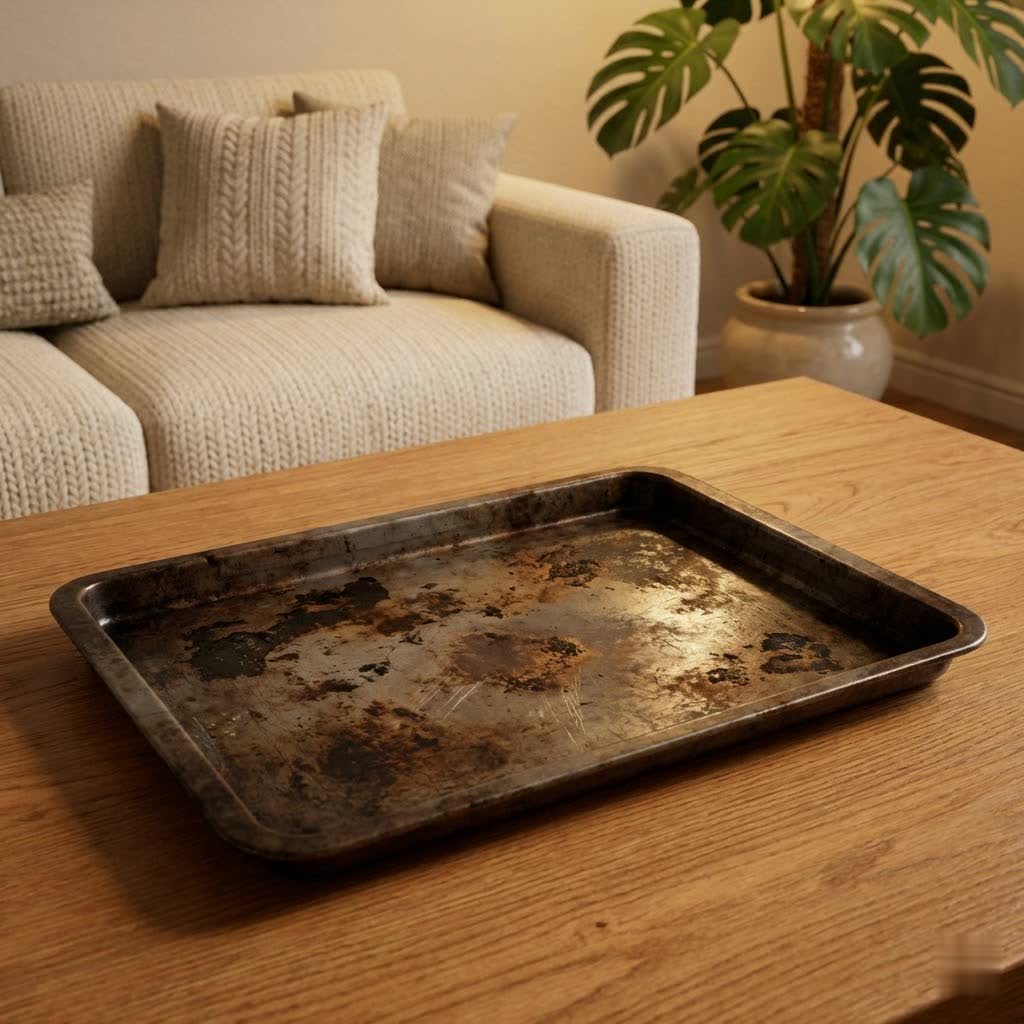
For passionate bakers, the quest for the perfect bake is a continuous journey. From crispy-edged cookies to golden-crusted artisan bread, the right bakeware can elevate your creations from good to extraordinary. Enter the cast iron baking tray – a timeless kitchen essential that promises unparalleled heat retention, exceptional durability, and a unique ability to enhance the flavor and texture of your baked goods. If you’re ready to transform your baking, understanding the nuances of cast iron is your first step. Let’s delve into why this robust material might just be the secret ingredient your kitchen has been missing.
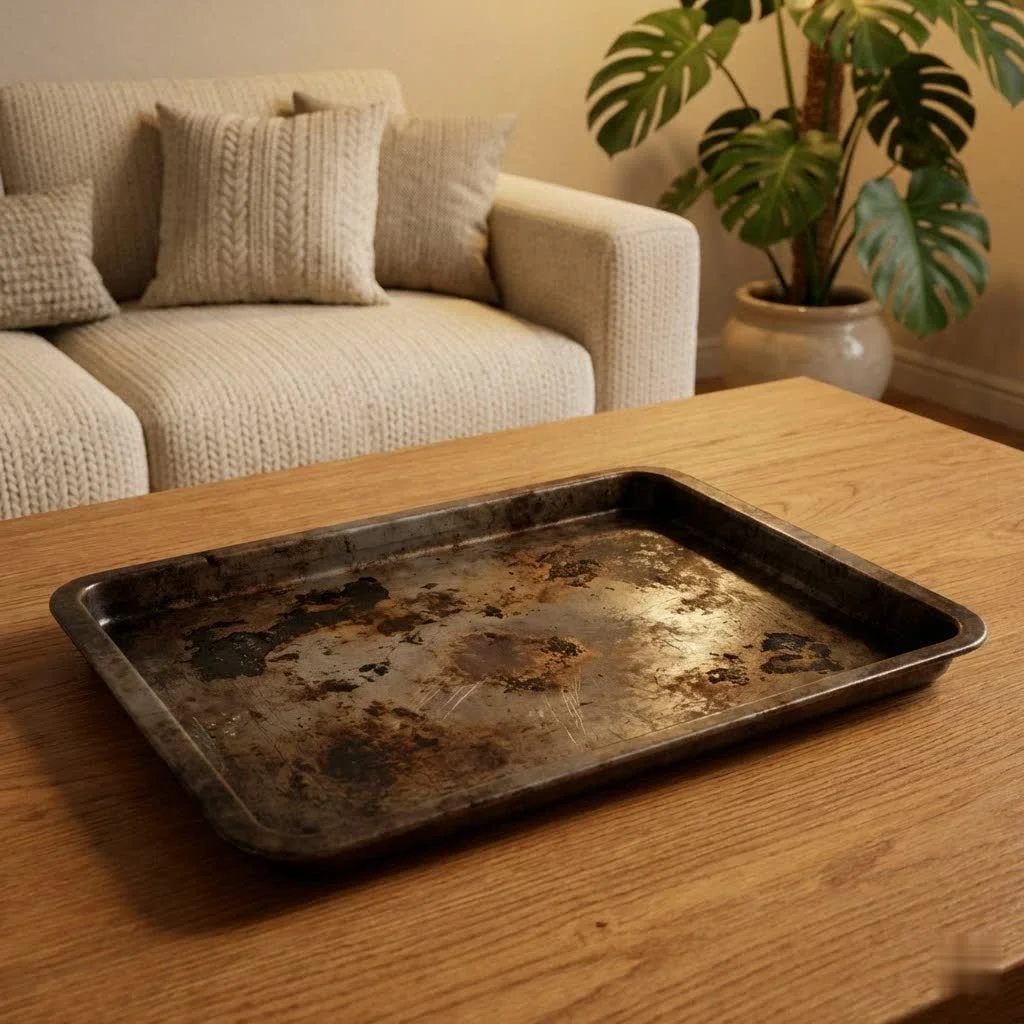
Exploring Different Types of Cast Iron Baking Trays
Cast iron bakeware isn’t a one-size-fits-all category; it encompasses various forms, each offering distinct advantages for different baking applications. Understanding these types is crucial for selecting the perfect companion for your culinary adventures. For shop curated baking trays on this site.
Traditional Uncoated Cast Iron
This is the classic, heavy-duty cast iron that comes either pre-seasoned or requires initial seasoning. Its inherent properties make it a powerhouse in the oven:
- Exceptional Heat Retention: Uncoated cast iron absorbs and retains heat incredibly well, providing a consistent, even temperature across its surface. This is ideal for achieving perfectly crisp crusts on pizzas, pies, and breads, as it prevents sudden temperature drops when cold dough hits the hot surface.
- Durability and Longevity: These pieces are virtually indestructible and, with proper care, can last for generations, becoming true family heirlooms.
- Natural Non-Stick Surface: Through a process called seasoning, a polymerized oil layer builds up on the surface, creating a natural, chemical-free non-stick coating that improves with every use.
- Versatility: While often associated with skillets, traditional cast iron also comes in flat baking sheets, pie pans, and deep rectangular or square pans, all suitable for a wide range of baking tasks. It’s also safe for use on stovetops, grills, and campfires.
Enameled Cast Iron
Enameled cast iron offers many of the same benefits as its uncoated counterpart but with a significant difference: a vitreous enamel coating.
- No Seasoning Required: The enamel coating negates the need for seasoning, making it easier to maintain for some users.
- Easier Cleaning: The smooth, non-porous surface is generally easier to clean and is less prone to rust.
- Acidic Food Compatibility: Unlike uncoated cast iron, enameled versions can be used with acidic ingredients (like tomatoes or citrus) without risking damage to the seasoning or imparting a metallic taste to food.
- Aesthetic Appeal: Available in a wide array of colors, enameled cast iron pieces often double as attractive serving dishes.
- Considerations: Enameled cast iron tends to be more expensive, and while durable, the enamel can chip or crack if subjected to extreme thermal shock or impact. It also does not transfer dietary iron to food, a minor benefit of traditional cast iron.
While other materials like aluminum or stainless steel baking trays are common, cast iron stands out for its superior thermal mass, preventing warping at high temperatures and delivering a unique level of browning and caramelization that lighter metals simply cannot match. For serious bakers, these distinct characteristics make cast iron a compelling choice for a variety of baking projects.
Your Guide to Selecting the Ideal Cast Iron Baking Tray
Choosing the right cast iron baking tray involves more than just picking a pretty pan off the shelf. Consider these factors to ensure your investment truly meets your baking needs.
Material: Enameled vs. Uncoated
|
Our Picks for the Best Baking Tray in 2026
As an Amazon Associate I earn from qualifying purchases.
|
||
| Num | Product | Action |
|---|---|---|
| 1 | NutriChef 3-Piece Nonstick Kitchen Oven Baking Pans - Premium & Stylish Non-Stick Steel, Commercial Grade Restaurant Quality Metal Bakeware with Red Silicone Handles - Easy to Clean, NCSBS3S |

|
| 2 | ROTTAY Baking Sheet with Rack Set (2 Pans + 2 Racks), Stainless Steel Cookie Sheet with Cooling Rack, Nonstick Baking Pan, Warp Resistant & Heavy Duty & Rust Free, Size 16 x 12 x 1 Inches |
|
| 3 | GoodCook Everyday Nonstick Carbon Steel Baking Sheet Set, 3 Pack – Small 13” x 9”, Medium 15” x 10”, Large 17” x 11” – Carbon Steel Cooking Pans, Cookie Sheet Bakeware Set |
|
| 4 | Commercial Quality Baking Sheet Pan Set, Natural Aluminum Cookie Sheet, Umite Chef Warp Resistant Baker's Half Sheet Pan, Large Thick Cookie Tray Pans for Baking, Roasting(2 Pack, 18X13In) |
|
| 5 | Nordic Ware Naturals Half Sheet - USA Made Aluminum Commercial Quality Sheet Pan for Baking or Roasting, Encapsulated Galvanized Steel Rim Prevents Warping, 2-Pack |
|
| 6 | GoodCook Everyday Nonstick Carbon Steel 13” x 9” Baking Sheet Set, 3 Pack – Standard-Sized Carbon Steel Cooking Pans, Bakeware Set, Cookie Sheets for Baking, Oven Pan Set |
|
| 7 | GoodCook BestBake Nonstick Textured Carbon Steel Cookie Sheet, 11" x 17", Large Baking Sheet, Even Heating, Scratch-Resistant, Non-Toxic, Durable, Ideal for Baking and Sheet Pan Dinners |
|
| 8 | Baking Sheet Tray Cooling Rack with Silicone Baking Mat Set, Stainless Steel Cookie Pan For Oven, Set of 9 (3 Sheets + 3 Racks + 3 Mats), Warp Resistant & Heavy Duty & Easy Clean, Red |
|
| 9 | Stainless Steel Baking Sheet Tray Cooling Rack with Silicone Baking Mat Set, Cookie Pan with Cooling Rack, Set of 9 (3 Sheets + 3 Racks + 3 Mats), 10/12/16 Inch, Easy Clean |
|
| 10 | Premium Nonstick Baking Sheet Pans – Set of 3, Heavy-Gauge Carbon Steel, Warp, Dent, and Rust-Resistant – Gourmet Rimmed Half Cookie Sheet Trays, Non-Toxic for Exceptional Baking Performance |
|
Your first decision revolves around the finish:
- For Low Maintenance & Acidic Dishes: Opt for enameled cast iron. It’s perfect if you prefer less fuss with seasoning and frequently bake dishes containing ingredients like tomatoes, lemon, or vinegar. It’s also often dishwasher-safe (though handwashing is generally recommended for longevity).
- For Traditionalists & Durability: Choose uncoated cast iron. If you appreciate the ritual of seasoning, desire a pan that will naturally build a robust non-stick surface over time, and value the potential for added dietary iron, this is your go-to. It excels with non-acidic recipes like cornbread, biscuits, and roasted vegetables.
Size and Shape
Consider what you primarily bake and your oven’s dimensions:
- Baking Sheets: While less common than their aluminum counterparts, cast iron baking sheets (like the Lodge 10.5 x 15.5-inch pan) are excellent for achieving incredibly crisp pizza crusts, perfectly browned roasted vegetables, or rustic loaves of bread. Ensure it fits comfortably in your oven.
- Pie Pans: Cast iron pie pans are renowned for producing exceptionally flaky and tender pie and quiche crusts due to their superior heat transfer. Look for those with wide handles for easy handling.
- Skillets and Deep Dishes: Many cast iron skillets (especially 10-inch or 12-inch models) double as excellent baking vessels for cornbread, giant cookies, deep-dish pizzas, upside-down cakes, and casseroles. Deeper rectangular or square pans are ideal for brownies, gratins, and roasted meats.
Weight and Handles
Cast iron is inherently heavy. While this contributes to its superior heat properties, it also means you’ll want comfortable, secure handles.
- Handles: Look for pans with generously sized handles, especially if you plan to move the hot tray frequently. Helper handles on larger pieces are a significant advantage for safe transfer.
- Weight: Consider if a lighter-weight cast iron option (some brands offer this) might be beneficial if heavy lifting is a concern, though traditional cast iron’s heft is part of its charm and performance.
Pre-seasoned vs. Raw
Most modern uncoated cast iron comes pre-seasoned, which means it’s ready for immediate use after a quick rinse and dry. However, remember that “pre-seasoned” is just a head start; the true non-stick properties develop with continued use and proper maintenance. If you buy a raw, unseasoned piece, be prepared to season it thoroughly before its first use.
Brand Reputation
Brands like Lodge have built decades of trust for producing reliable, high-quality cast iron at accessible prices. High-end enameled brands like Le Creuset and Staub are also highly respected for their craftsmanship and durability. Researching reviews and brand history can guide your decision.
Comparing Cast Iron Baking Trays to Other Bakeware Materials
Understanding how cast iron stacks up against other popular bakeware materials can highlight its unique advantages and help you make an informed choice.
Cast Iron vs. Aluminum, Stainless Steel, and Non-stick Coated Pans
| Feature | Cast Iron Baking Tray | Aluminum/Stainless Steel/Non-stick Pans |
|---|---|---|
| Heat Retention | Superior: Slow to heat but retains heat for a long time, ensuring consistent, even cooking. Excellent for browning. | Good (Aluminum): Heats quickly, but loses heat faster. Poor (Stainless Steel): Poor heat conductor, often requires a core. Non-stick: Varies. |
| Heat Distribution | Excellent: Distributes heat very evenly once hot, eliminating hot spots. | Good (Aluminum): Generally even, but can have hot spots. Stainless Steel: Prone to hot spots. |
| Durability | Exceptional: Virtually indestructible, lasts for generations, does not warp at high temperatures. | Varies: Aluminum can warp. Non-stick coatings scratch and wear out. Stainless steel is durable but lighter. |
| Non-stick Properties | Natural (with seasoning): Develops over time, improves with use. Chemical-free. | Chemical Coatings: Effective initially, but degrade and can scratch. Some stainless steel is stick-prone. |
| Maintenance | Requires seasoning, specific cleaning (avoid harsh soaps for uncoated), drying. | Generally easier cleaning, often dishwasher-safe (though not always recommended for non-stick). |
| Flavor Development | Promotes excellent browning and caramelization, enhancing flavor profiles. | Less significant impact on flavor development compared to cast iron. |
| Versatility | Oven, stovetop, grill, campfire. Can go from stovetop to oven seamlessly. | Primarily oven (baking sheets). Some skillets can go from stovetop to oven. |
| Weight | Heavy: Requires more effort to handle, especially when full. | Lightweight: Easier to maneuver. |
| Chemicals | No harmful chemicals (uncoated). Enameled is also safe. | Non-stick coatings can contain PFOA/PFAS (though many modern ones are free). |
Cast Iron vs. Carbon Steel
Carbon steel is often considered a close cousin to cast iron, sharing many similar characteristics, including the need for seasoning. However, key differences make them suitable for slightly different tasks.
| Feature | Cast Iron Baking Tray | Carbon Steel Baking Tray |
|---|---|---|
| Weight | Heavier: Thicker material, more robust feel. | Lighter: Thinner material, more maneuverable. |
| Heat Responsiveness | Slower to heat: Excellent for prolonged, steady heat. | Faster to heat & cool: More responsive to temperature changes. |
| Heat Retention | Superior: Maintains heat for longer periods. | Good, but less than cast iron. |
| Surface Texture | Typically has a slightly rougher, more porous surface. | Smoother surface, often preferred for delicate items. |
| Ideal for Baking | Slow baking, deep-dish items, pizza, bread with crispy crusts, roasting. | Quicker baking, delicate items like crepes (though less common for sheet baking). |
> “While cast iron takes a little longer to get hot, its density ensures it retains and distributes heat evenly. This is incredibly useful for achieving that perfect, consistent bake, especially for things like pizza and pie crusts, where a sustained high temperature makes all the difference.” – Chef Elena Rodriguez, Culinary Instructor and Cast Iron Enthusiast
Ultimately, cast iron’s impressive thermal mass and ability to hold and radiate steady, even heat make it particularly well-suited for baking applications that benefit from consistent warmth and excellent browning.
Tips for Using and Caring for Your Cast Iron Baking Tray
To unlock the full potential and longevity of your cast iron baking tray, proper usage and maintenance are paramount. A well-cared-for piece will not only perform beautifully but will also develop a rich, natural non-stick patina over time.
The Art of Seasoning (for Uncoated Cast Iron)
Seasoning is the foundation of cast iron care. While many pans come pre-seasoned, reinforcing this layer is always beneficial.
- Clean Thoroughly: For a new pan or one needing re-seasoning, wash with warm, soapy water and a stiff brush (mild soap is okay here). Rinse thoroughly.
- Dry Completely: This step is crucial. Dry with a towel, then place it on a stovetop over low heat for a few minutes to ensure all moisture evaporates. Rust is cast iron’s enemy!
- Apply a Thin Layer of Oil: Using a lint-free cloth or paper towel, apply a very thin layer of high smoke point cooking oil (e.g., vegetable oil, canola oil, grapeseed oil, flaxseed oil, or shortening) to all surfaces of the pan – inside, outside, and handles. Wipe off any excess until the pan looks dry, not greasy. Excess oil will lead to sticky residue.
- Bake: Preheat your oven to 450-500°F (230-260°C). Place aluminum foil on the bottom rack to catch any drips. Place the cast iron tray upside down on the center rack.
- Heat and Cool: Bake for 1 hour. Turn off the oven and allow the pan to cool completely inside the oven. This slow cooling helps set the seasoning.
- Repeat: For optimal initial seasoning, repeat steps 3-5 three to four times. Each layer builds upon the last, creating a stronger, more non-stick surface.
Preheating for Optimal Results
Unlike lighter bakeware, cast iron benefits significantly from preheating. Place your cast iron baking tray in the oven as it preheats to your desired temperature. This ensures the pan is uniformly hot before food is added, leading to:
- Crispier Crusts: Essential for pizzas, focaccia, and artisan breads.
- Even Browning: Prevents hot spots and ensures consistent caramelization.
- Less Sticking: A hot seasoned surface is less likely to stick.
Cleaning and Storage
Maintaining your cast iron after each use is simple but specific:
- Clean While Warm: After baking, allow the pan to cool slightly but clean it while it’s still warm.
- Avoid Harsh Soaps (for seasoned pans): For regular cleaning, hot water and a stiff brush or a cast iron scraper are usually sufficient. If you must use soap, choose a mild one and use sparingly.
- Stubborn Bits: For stuck-on food, deglaze with water on the stovetop, or use coarse salt and a sponge to scrub.
- Dry Immediately: Always dry your cast iron thoroughly immediately after washing. You can place it on low heat on the stovetop for a few minutes to ensure it’s bone dry.
- Light Oiling: Apply a thin layer of cooking oil to the cooking surface before storing to protect against rust.
- Store Properly: Store in a dry place. If stacking, place a paper towel between pieces to absorb moisture and prevent scratches.
Baking Specifics
- Pizza and Artisan Bread: Preheat the cast iron extensively. The thermal mass will create an incredibly crispy bottom crust.
- Biscuits and Cornbread: Expect a perfectly golden and crisp exterior with a tender interior. Some sources recommend baking directly on a seasoned pan without oil or parchment for the best results.
- Cookies: While possible, many bakers opt for parchment paper on cast iron baking trays when baking cookies to ensure easy release and prevent over-browning of the bottoms.
- Roasted Vegetables: Cast iron’s even heat creates beautifully caramelized and tender roasted vegetables.
Following these guidelines will ensure your cast iron baking tray remains a reliable and beloved tool in your kitchen for decades to come.
Top Cast Iron Baking Trays to Consider
While “baking tray” might conjure images of thin sheets, cast iron typically offers more robust pans that excel in baking, roasting, and even deep-dish creations. Here are some highly-regarded options that consistently earn top marks from home cooks and professionals alike.
1. Lodge Cast Iron Baking Pan
Lodge is a perennial favorite for its unbeatable combination of quality, durability, and affordability.
- Key Features: Often pre-seasoned, exceptionally durable, and comes in various sizes perfect for everything from biscuits to large pizzas. The Lodge 10.5 x 15.5-inch baking pan is a popular choice, praised for its even heating and ability to produce perfectly browned bottoms on baked goods like biscuits and focaccia.
- Pros: Excellent value, long-lasting, reliable performance, widely available.
- Cons: Can be very heavy, requires consistent seasoning maintenance for uncoated versions.
- Ideal For: Everyday baking, roasting vegetables, pizzas, cornbread, biscuits.
2. Lodge Enameled Cast Iron Skillet / Casserole
For those seeking the benefits of cast iron without the seasoning routine, Lodge’s enameled line offers a fantastic entry point.
- Key Features: Durable enamel coating, vibrant colors, excellent heat retention, and doesn’t require seasoning. Their enameled skillets or covered casseroles are versatile for stovetop-to-oven dishes and deep baking.
- Pros: Easy to clean, can handle acidic foods, attractive for serving, no seasoning required.
- Cons: Enamel can chip if dropped or thermally shocked, generally heavier than uncoated Lodge.
- Ideal For: Braises, casseroles, baked pasta dishes, and even skillet cakes where acidic ingredients are present.
3. Le Creuset / Staub Enameled Cast Iron Bakeware
These European brands are synonymous with high-end enameled cast iron, offering heirloom-quality pieces.
- Key Features: Known for impeccable craftsmanship, superior enamel durability, and exquisite heat performance. Their baking dishes, pie dishes, and Dutch ovens (often used for bread baking) are built to last a lifetime and beyond.
- Pros: Unmatched quality and durability, beautiful design, excellent heat distribution, versatile, no seasoning, fantastic for acidic foods.
- Cons: Significantly higher price point.
- Ideal For: Investment pieces, special occasion baking, bread baking (Dutch ovens), gratins, casseroles, and elegant oven-to-table serving.
4. Smithey Ironware Company Cast Iron Bakeware
Smithey offers a premium take on traditional cast iron, focusing on polished, smooth surfaces.
- Key Features: Hand-finished, polished cooking surfaces that are naturally smoother than standard cast iron, aiding in non-stick properties once seasoned. They offer skillets, griddles, and Dutch ovens suitable for baking.
- Pros: Beautiful craftsmanship, extremely smooth cooking surface, excellent heat retention.
- Cons: Higher price point than Lodge, requires careful seasoning and maintenance.
- Ideal For: Enthusiasts seeking a refined cast iron experience, gifts, and those who appreciate artisan quality.
When selecting, consider your budget, your willingness to maintain seasoning, and the specific types of baked goods you plan to create most often. Each of these brands offers robust options that can significantly enhance your baking repertoire.
Where to Purchase Your Cast Iron Baking Tray
Once you’ve decided which cast iron baking tray is right for you, knowing where to buy it can help you find the best selection and value.
Online Retailers
- Amazon: Offers a vast selection from nearly all major brands (Lodge, Le Creuset, Staub, Smithey, etc.) often with competitive pricing and customer reviews. This is a convenient option for comparing models and reading user experiences.
- Brand Websites: Purchasing directly from Lodge, Le Creuset, Staub, or Smithey ensures you get authentic products, and sometimes exclusive offers or a wider range of colors/sizes, especially for enameled items.
- Specialty Cookware Sites: Websites like Sur La Table, Williams Sonoma, or The Spruce Eats’ associated retailers often carry premium brands and provide detailed product information and buying guides.
Brick-and-Mortar Stores
- Department Stores: Many larger department stores (e.g., Macy’s, Target, Walmart, Home Depot) carry popular cast iron brands like Lodge, offering the advantage of seeing the product in person and potentially taking it home immediately.
- Specialty Kitchen Stores: Stores dedicated to kitchenware often have a curated selection of higher-end cast iron brands, and their staff can provide expert advice.
- Hardware Stores: Surprisingly, some hardware stores (like Ace Hardware) carry basic Lodge cast iron skillets and baking pans, often at good prices.
Tips for Buying
- Read Reviews: Always check recent customer reviews to gauge product performance and potential issues.
- Compare Prices: Prices can vary significantly between retailers, especially for premium brands. Use online tools to compare before buying.
- Check Return Policies: Especially for heavy items like cast iron, understand the return policy before purchasing, particularly online.
- Inspect In-Store Purchases: If buying in person, check for any defects, cracks, or uneven surfaces before purchasing, especially for uncoated cast iron which should have a relatively smooth cooking surface (though a slight texture is normal for seasoning adherence).
Whether you prefer the convenience of online shopping or the hands-on experience of a physical store, a little research will help you secure the perfect cast iron baking tray for your kitchen.
Conclusion
Embracing a cast iron baking tray is more than just adding another piece of cookware to your collection; it’s an investment in a culinary tradition that promises exceptional results and lasting durability. From its superior heat retention and even distribution to its ability to develop a natural non-stick surface over time, cast iron offers unique advantages that can truly elevate your baking. Whether you’re aiming for a perfectly crisp pizza crust, tender cornbread with a golden edge, or rustic roasted vegetables, the robust nature of cast iron delivers unmatched performance. With proper seasoning and care, your cast iron baking tray will not only endure for generations but will also improve with every delicious creation, becoming a cherished part of your kitchen’s story. So, are you ready to experience the difference? What culinary masterpiece will you bake first in your new cast iron companion?
Frequently Asked Questions
Can I bake cookies on a cast iron baking tray?
Yes, you can bake cookies on a cast iron baking tray. For best results, it’s often recommended to preheat the tray with the oven and/or use parchment paper to ensure even baking, prevent over-browning of the bottoms, and make cleanup easier. The excellent heat retention of cast iron can give cookies a wonderfully crisp edge.
Do cast iron baking trays need to be seasoned?
Traditional, uncoated cast iron baking trays absolutely need to be seasoned. This process involves baking thin layers of oil onto the pan to create a polymerized, non-stick surface and protect against rust. Enameled cast iron, however, does not require seasoning.
How do I clean a cast iron baking tray?
For seasoned cast iron, clean with hot water and a stiff brush or scraper, avoiding harsh soaps that can strip the seasoning. For stubborn bits, scrub with coarse salt and a small amount of oil. Always dry immediately and thoroughly, then apply a very light coat of cooking oil before storing to maintain the seasoning and prevent rust.
Is enameled cast iron better for baking?
Enameled cast iron offers advantages like easier cleanup and
Get our weekly buyer guide
Practical specs, not advice. Unsubscribe anytime.
