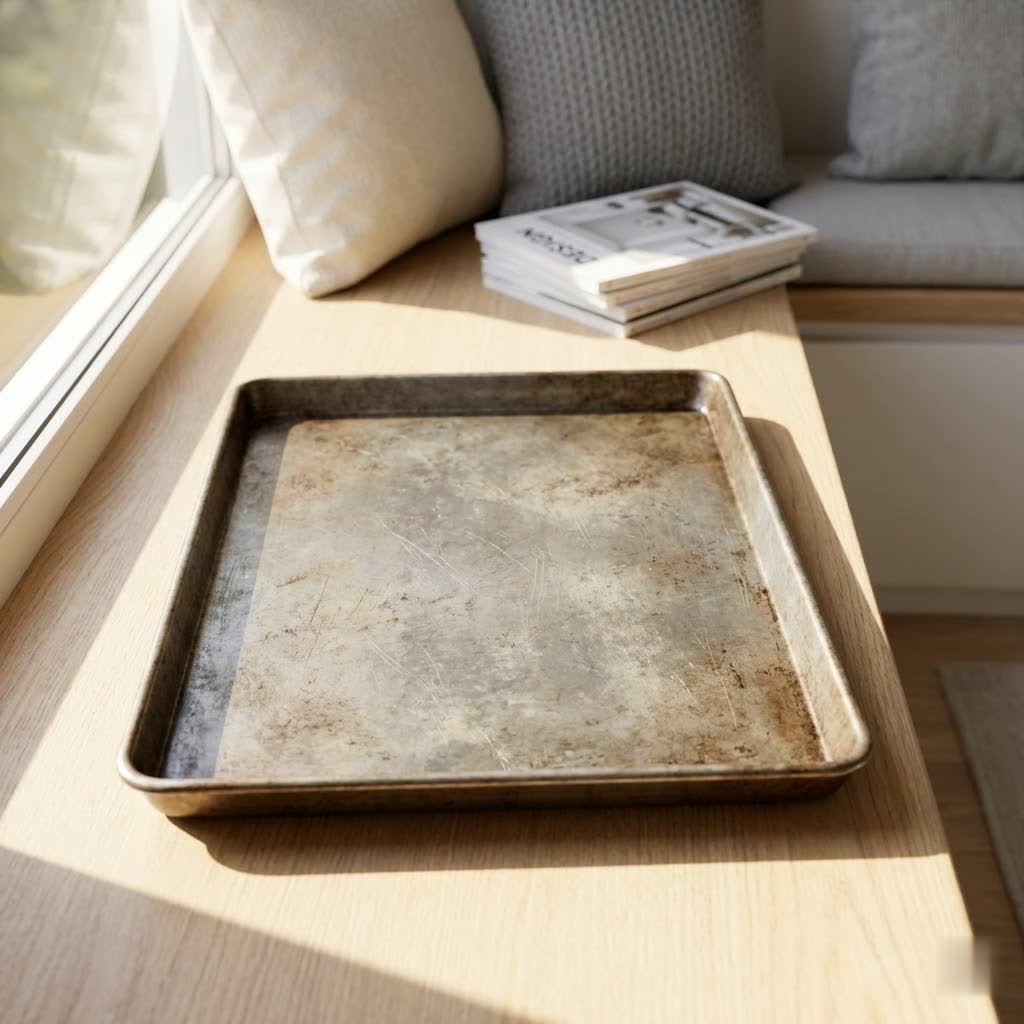
The microwave oven has evolved far beyond its humble beginnings as a quick reheater. Today, it’s a dynamic kitchen tool capable of much more, including various forms of “baking.” However, the quest for a truly “microwave-safe baking tray” often leads to confusion, as traditional baking methods and materials don’t always translate directly to microwave use. This guide will demystify microwave-safe bakeware, explain the critical differences in materials and microwave functions, and help you select the perfect companions for your culinary adventures, ensuring safety and optimal results.
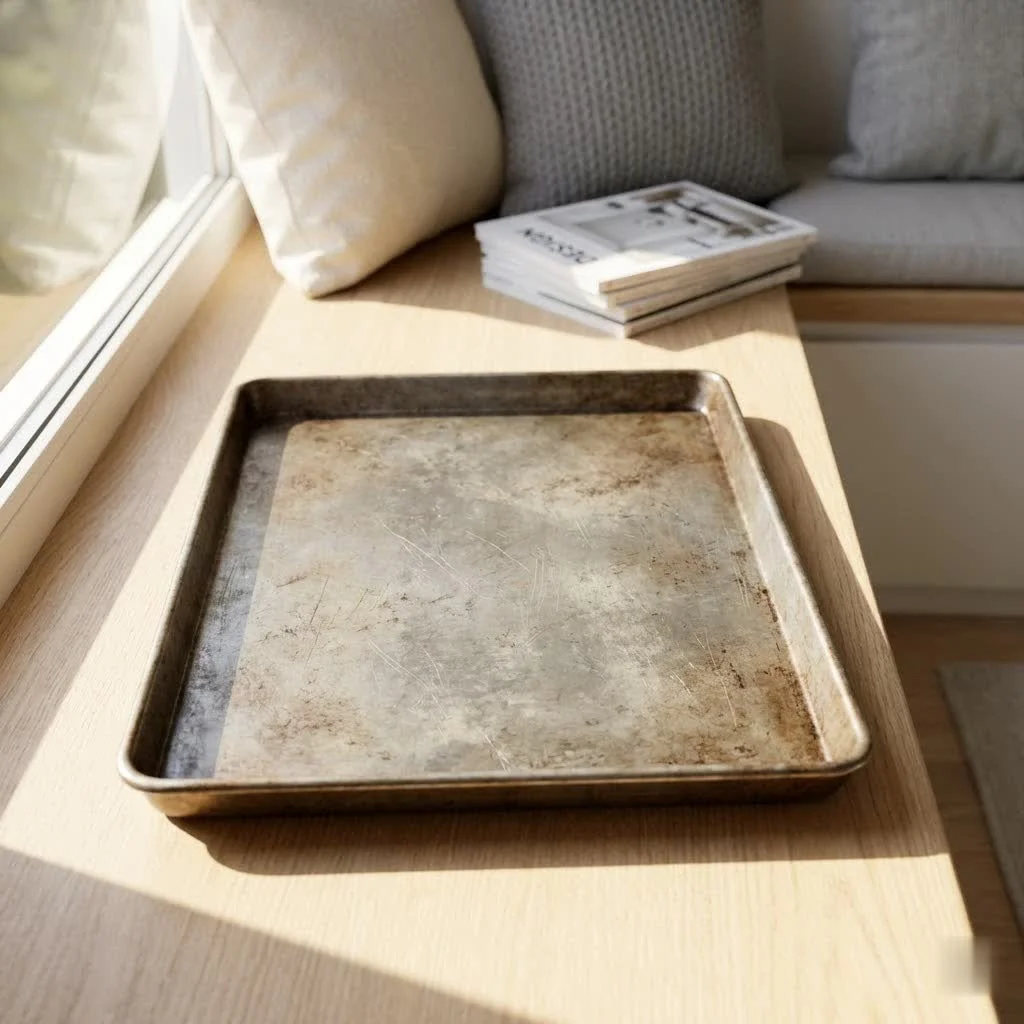
Understanding “Baking” in Your Microwave: Convection vs. Standard Modes
The term “baking” can mean different things depending on your microwave oven’s capabilities. Understanding the distinction between a standard microwave and a convection microwave is crucial for choosing appropriate bakeware and achieving desired results. For explore our baking trays reviews on this site.
Standard Microwave (Reheating Mode)
A standard microwave oven heats food by generating electromagnetic radiation that excites water molecules within the food. This process cooks food from the inside out and is incredibly fast, but it doesn’t typically brown or crisp surfaces.
- How it Works: Microwaves penetrate food, causing water molecules to vibrate rapidly and generate heat.
- Limitations for Traditional Baking: Due to the lack of radiant heat, standard microwaves cannot create the crisp crusts, even browning, or fluffy textures associated with traditional oven baking. They are primarily for cooking, reheating, and defrosting.
- Best for: Quick, moist desserts like mug cakes, instant puddings, or small, quick-bake items that don’t require browning. Reheating casseroles and stews also works well.
- Why Metal is a No-Go: Metal reflects microwaves, causing sparks (arcing) and potentially damaging your appliance and food. It’s strictly forbidden in a standard microwave.
Convection Microwave (Oven Mode)
Convection microwaves combine microwave heating with a conventional heating element and a fan to circulate hot air, much like a regular oven. This allows for actual baking, roasting, and grilling, producing browned and crispy results.
- How it Works: The convection feature uses a heating element and fan to distribute hot air, while the microwave function can be used simultaneously or separately to speed up cooking.
- Baking Versatility: These ovens can genuinely bake cakes, cookies, pizzas, and roasted dishes, offering the functionality of two appliances in one.
- Often Includes Metal Baking Trays: Many convection microwaves come with a metal baking tray, often made of anodized aluminum, specifically designed for use in their convection mode. These trays are safe for the convection function but should not be used when only the microwave function is active, unless explicitly stated in the manual.
Clarifying what a “baking tray” means for your specific microwave is paramount. For a standard microwave, a “baking tray” refers to any microwave-safe dish used for quick microwave cooking. For a convection microwave, it can refer to the traditional metal trays designed for oven-like baking.
Essential Materials for Microwave-Safe Bakeware
When selecting bakeware for your microwave, the material is the most critical factor. Different materials react differently to microwave energy, affecting both safety and cooking performance.
Glass Bakeware
|
Our Picks for the Best Baking Tray in 2026
As an Amazon Associate I earn from qualifying purchases.
|
||
| Num | Product | Action |
|---|---|---|
| 1 | Nordic Ware Naturals Half Sheet - USA Made Aluminum Commercial Quality Sheet Pan for Baking or Roasting, Encapsulated Galvanized Steel Rim Prevents Warping, 2-Pack |

|
| 2 | GoodCook BestBake Nonstick Textured Carbon Steel Cookie Sheet, 11" x 17", Large Baking Sheet, Even Heating, Scratch-Resistant, Non-Toxic, Durable, Ideal for Baking and Sheet Pan Dinners |
|
| 3 | NutriChef 3-Piece Nonstick Kitchen Oven Baking Pans - Premium & Stylish Non-Stick Steel, Commercial Grade Restaurant Quality Metal Bakeware with Red Silicone Handles - Easy to Clean, NCSBS3S |
|
| 4 | Stainless Steel Baking Sheet Tray Cooling Rack with Silicone Baking Mat Set, Cookie Pan with Cooling Rack, Set of 9 (3 Sheets + 3 Racks + 3 Mats), 10/12/16 Inch, Easy Clean |
|
| 5 | GoodCook Everyday Nonstick Carbon Steel Baking Sheet Set, 3 Pack – Small 13” x 9”, Medium 15” x 10”, Large 17” x 11” – Carbon Steel Cooking Pans, Cookie Sheet Bakeware Set |
|
| 6 | Baking Sheet Tray Cooling Rack with Silicone Baking Mat Set, Stainless Steel Cookie Pan For Oven, Set of 9 (3 Sheets + 3 Racks + 3 Mats), Warp Resistant & Heavy Duty & Easy Clean, Red |
|
| 7 | GoodCook Everyday Nonstick Carbon Steel 13” x 9” Baking Sheet Set, 3 Pack – Standard-Sized Carbon Steel Cooking Pans, Bakeware Set, Cookie Sheets for Baking, Oven Pan Set |
|
| 8 | Premium Nonstick Baking Sheet Pans – Set of 3, Heavy-Gauge Carbon Steel, Warp, Dent, and Rust-Resistant – Gourmet Rimmed Half Cookie Sheet Trays, Non-Toxic for Exceptional Baking Performance |
|
| 9 | Commercial Quality Baking Sheet Pan Set, Natural Aluminum Cookie Sheet, Umite Chef Warp Resistant Baker's Half Sheet Pan, Large Thick Cookie Tray Pans for Baking, Roasting(2 Pack, 18X13In) |
|
| 10 | ROTTAY Baking Sheet with Rack Set (2 Pans + 2 Racks), Stainless Steel Cookie Sheet with Cooling Rack, Nonstick Baking Pan, Warp Resistant & Heavy Duty & Rust Free, Size 16 x 12 x 1 Inches |
|
Glass is a perennially popular choice for microwave use due to its non-reactive nature and versatility.
- Pros:
- Non-reactive: Does not leach chemicals into food.
- Transparent: Allows you to monitor cooking progress.
- Widely Available: Easy to find in various shapes and sizes.
- Easy to Clean: Dishwasher safe for convenience.
- Good for Short Cooking Times: Passes microwaves effectively to heat food.
- Cons:
- Poor Heat Conductor: While it heats up, it doesn’t conduct heat evenly, which can lead to uneven “baking” results for dishes that require more uniform heat distribution.
- Thermal Shock Risk: Can shatter if subjected to sudden temperature changes (e.g., hot glass into cold water).
- Weight: Can be heavier than other materials.
- Best for: Casseroles, quick microwave cakes, reheating leftovers, and cooking vegetables. Brands like Pyrex and Anchor Hocking are well-known for their glass bakeware, often designed for oven-to-microwave versatility.
Ceramic Bakeware
Ceramic dishes offer both functionality and aesthetic appeal, making them a favorite for serving directly from the microwave to the table.
- Pros:
- Non-reactive: Safe for food contact without chemical leaching.
- Aesthetically Pleasing: Available in a wide array of colors and patterns for attractive presentation.
- Retains Heat Well: Once hot, ceramic keeps food warm, which is excellent for serving.
- Similar Microwave Performance to Glass: Effective for heating food directly.
- Cons:
- Can be Heavy: Similar to glass, ceramic dishes can be quite weighty.
- Breakable: Prone to chipping or breaking if dropped.
- Uneven Heat Distribution: Like glass, it may not distribute heat perfectly evenly for all microwave “baking” tasks.
- Best for: Individual soufflés, custards, gratins, and other dishes where presentation is as important as cooking.
Silicone Bakeware
Silicone has gained immense popularity in the baking world for its flexibility and non-stick properties, extending its utility to microwave applications.
- Pros:
- Flexible and Non-stick: Makes demoulding baked goods incredibly easy, often without needing to grease.
- Wide Temperature Range: Most silicone bakeware is safe for both oven and microwave use, as well as freezer-safe.
- Lightweight: Much lighter than glass or ceramic.
- Easy to Store: Malleable nature allows for compact storage.
- Cons:
- Can be Flimsy: May require a rigid support (like a baking sheet) underneath when transferring batter.
- Can Retain Odors: Some types of silicone can absorb food odors over time.
- Not Ideal for Cutting: Sharp knives can damage the surface, making it unsuitable for dishes you intend to cut directly in the pan.
- Best for: Muffins, cupcakes, small loaf cakes, and other individual-portion desserts that benefit from easy release.
Specialized Microwave-Safe Metal (for Convection Microwaves or Specific Crisper Pans)
While general metal is taboo in standard microwaves, certain specialized metal items are designed for specific microwave functionalities.
- Anodized Aluminum: Often found as the baking tray included with convection microwave ovens. Its anodized surface and specific design allow it to be safely used when the convection function is active. It conducts heat well, aiding in even baking and browning.
- Microwave Crisper Trays: These are specialized metal (or metal-hybrid) trays designed to absorb microwave energy and convert it into direct heat, effectively browning and crisping foods like pizza, chicken nuggets, or fries in a standard microwave.
- Crucial Note: Always verify that any metal item is explicitly marked “microwave safe” or “convection microwave safe” and designed for your specific appliance’s functions. Never assume a regular metal baking tray is safe for a standard microwave.
How to Choose the Right Microwave-Safe Baking Tray
Selecting the ideal microwave-safe bakeware involves more than just picking a material; it requires considering your appliance, cooking goals, and practical needs.
- Consider Your Microwave Type: The fundamental question is whether you have a standard microwave or a convection microwave. This dictates whether metal bakeware (for convection mode) is even an option. For standard microwaves, stick to glass, ceramic, or silicone.
- Intended Use: What do you plan to “bake” or cook?
- For quick, moist desserts like mug cakes or single-serving brownies, a small ceramic ramekin or silicone muffin mold is perfect.
- For crisping pizzas or reheating pastries, a specialized microwave crisper pan is ideal.
- For larger casseroles or main dishes, a glass baking dish or sturdy ceramic option works well.
- Size and Shape:
- Fit: Ensure the bakeware fits comfortably inside your microwave and can rotate freely on the turntable. Oversized dishes can block rotation, leading to uneven cooking.
- Performance: Shallow, round, or oval shapes generally promote quicker and more uniform heat distribution in a microwave. Square or rectangular dishes can sometimes create “hot spots” in corners, leading to dried-out edges.
- Durability and Care:
- Look for materials that are robust enough for your usage. Glass and ceramic are durable but can chip or break. Silicone is resilient but can be punctured.
- Check if the bakeware is dishwasher safe for easy cleaning. Non-stick coatings on metal (for convection use) require gentle cleaning to prolong their lifespan.
- Non-stick Properties: For recipes prone to sticking, consider silicone or ceramic with a good glaze. If using glass or metal (in convection), be prepared to grease and flour as needed.
- Brand Reputation: Stick with reputable brands known for quality and safety. Read reviews to gauge product performance and user satisfaction.
Top Microwave-Safe Bakeware Recommendations
While “baking trays” in the traditional sense are rare for standard microwaves, a range of excellent microwave-safe bakeware exists to facilitate various cooking tasks.
-
For General Purpose & Versatility (Glass):
- Pyrex Glass Bakeware: A household name, Pyrex offers a wide range of oven-safe glass dishes that are also perfectly microwave-safe. Ideal for casseroles, small cakes, and reheating.
- Anchor Hocking Glass Bakeware: Similar to Pyrex, known for durability and versatility from oven to microwave to freezer.
-
For Style & Performance (Ceramic):
- CorningWare: While some vintage CorningWare is not microwave safe, modern CorningWare pieces are designed for both oven and microwave use, offering excellent heat retention and elegant serving.
- Stoneware Ramekins and Dishes: Many ceramic brands offer individual ramekins or small baking dishes that are perfect for microwave mug cakes, custards, or individual gratins, often chosen for their charming aesthetics.
-
For Non-Stick & Easy Release (Silicone):
- Nordic Ware Silicone Muffin/Cupcake Pans: Great for making individual microwave cupcakes or muffins, offering easy demoulding.
- Generic Silicone Loaf Pans or Molds: Available in various shapes and sizes, these are excellent for quick microwave bread or cake recipes that benefit from the flexibility of silicone.
-
For Dedicated Microwave Cooking & Browning (Specialized):
- Anyday Everyday Microwave Cookware: Praised by experts, this line of cookware is specifically designed for comprehensive microwave cooking, featuring tight silicone seals that retain moisture, making food more tender. While not traditional “trays,” they excel at microwave “baking” tasks like steaming vegetables, cooking grains, and even making molten lava cakes.
- Universal Microwave Crisper Pans (e.g., Itopfox): These specialized pans are designed to achieve crispy results for items like pizza, bacon, or chicken nuggets in a standard microwave, mimicking the effect of an oven.
Usage and Care Tips for Microwave-Safe Bakeware
Proper use and maintenance extend the life of your microwave-safe bakeware and ensure safe cooking.
- Always Check Labels: Before first use, locate the “microwave safe” symbol (often a microwave with wavy lines) or consult the manufacturer’s instructions. When in doubt, don’t use it.
- Avoid Thermal Shock: This is particularly important for glass and ceramic. Never place a hot dish directly into cold water or a cold dish directly into a very hot oven (even in convection mode). Allow dishes to cool gradually.
- Proper Cleaning:
- Most glass, ceramic, and silicone bakeware is dishwasher safe.
- For non-stick surfaces (on metal convection trays or crisper pans), use mild soap and a soft sponge. Avoid abrasive scrubbers or harsh chemicals that can damage the coating.
- For silicone, wash thoroughly to prevent odor absorption.
- Storage: Ensure bakeware is completely dry before storing to prevent mildew or odors. Store carefully to avoid chips or cracks, especially with glass and ceramic.
- Preheating (if applicable): If using a convection microwave, always follow the manufacturer’s guidelines for preheating, especially when using metal trays.
Where to Buy Microwave-Safe Bakeware
Finding the right microwave-safe bakeware is easier than ever with numerous retail options available.
- Online Retailers: Websites like Amazon, Target, and Walmart offer vast selections of glass, ceramic, and silicone bakeware, often with competitive pricing and customer reviews. Specialized microwave cookware brands also sell directly through their own websites.
- Department Stores: Stores such as Macy’s, Kohl’s, or JCPenney often carry a range of kitchenware, including reputable brands of glass and ceramic dishes.
- Specialty Kitchen Stores: Stores like Sur La Table or Williams Sonoma provide high-quality bakeware, including more specialized items, though prices may be higher.
- Manufacturer Websites: Many brands (e.g., Pyrex, Anchor Hocking, Anyday) sell their products directly, sometimes offering exclusive items or bundles.
When purchasing online, always review product descriptions carefully to confirm microwave compatibility and check customer reviews for practical insights into performance and durability. Comparing prices across different retailers can help you find the best deal.
Conclusion
Navigating the world of “microwave-safe baking trays” means understanding that the microwave offers a unique approach to cooking, distinct from traditional oven baking. By recognizing the capabilities of your microwave (standard vs. convection) and the properties of different materials like glass, ceramic, and silicone, you can unlock a new level of versatility in your kitchen. Whether you’re whipping up a quick mug cake, crisping a pizza, or preparing a moist casserole, choosing the right bakeware ensures safe, delicious, and efficient results.
Which microwave-safe bakeware will you add to your kitchen arsenal to improve your microwave cooking?
Frequently Asked Questions
Can I use a regular metal baking tray in a microwave?
No, a regular metal baking tray should not be used in a standard microwave oven. Metal reflects microwaves, which can cause arcing (sparks) and potentially damage your appliance or start a fire. However, if you have a convection microwave, certain metal trays specifically designed for its convection mode are safe to use when that function is active. Always check your microwave’s manual and the bakeware’s label.
What is the best material for microwave baking?
The “best” material depends on your specific microwave and what you are cooking. For standard microwaves, glass, ceramic, and silicone are excellent choices due to their ability to allow microwaves to pass through and heat the food directly. For convection microwaves, anodized aluminum trays (often supplied with the oven) are also highly effective for traditional baking.
Are silicone baking trays truly microwave safe?
Yes, most silicone baking trays are genuinely microwave safe. Silicone is a synthetic rubber that can withstand extreme temperatures, making it suitable for both microwave and conventional oven use. It’s flexible, non-stick, and allows microwaves to pass through effectively, making it ideal for items like muffins, cupcakes, and small cakes.
Can I put Pyrex in the microwave?
Yes, Pyrex glass bakeware is generally considered microwave safe. Pyrex is made from borosilicate glass (or sometimes soda-lime glass, depending on the product and region) which is designed to withstand temperature changes, though sudden thermal shock should still be avoided. Always ensure your specific Pyrex dish is marked as microwave safe.
How do I know if my dish is microwave safe?
Look for a “microwave-safe” symbol on the bottom of the dish, typically depicting a microwave with three wavy lines. If no symbol is present, check the manufacturer’s website or product information. As a quick test, you can place the empty dish in the microwave with a cup of water for one minute; if the dish remains cool and the water heats up, it’s likely microwave safe. If the dish gets hot, it’s not.
Get our weekly buyer guide
Practical specs, not advice. Unsubscribe anytime.
