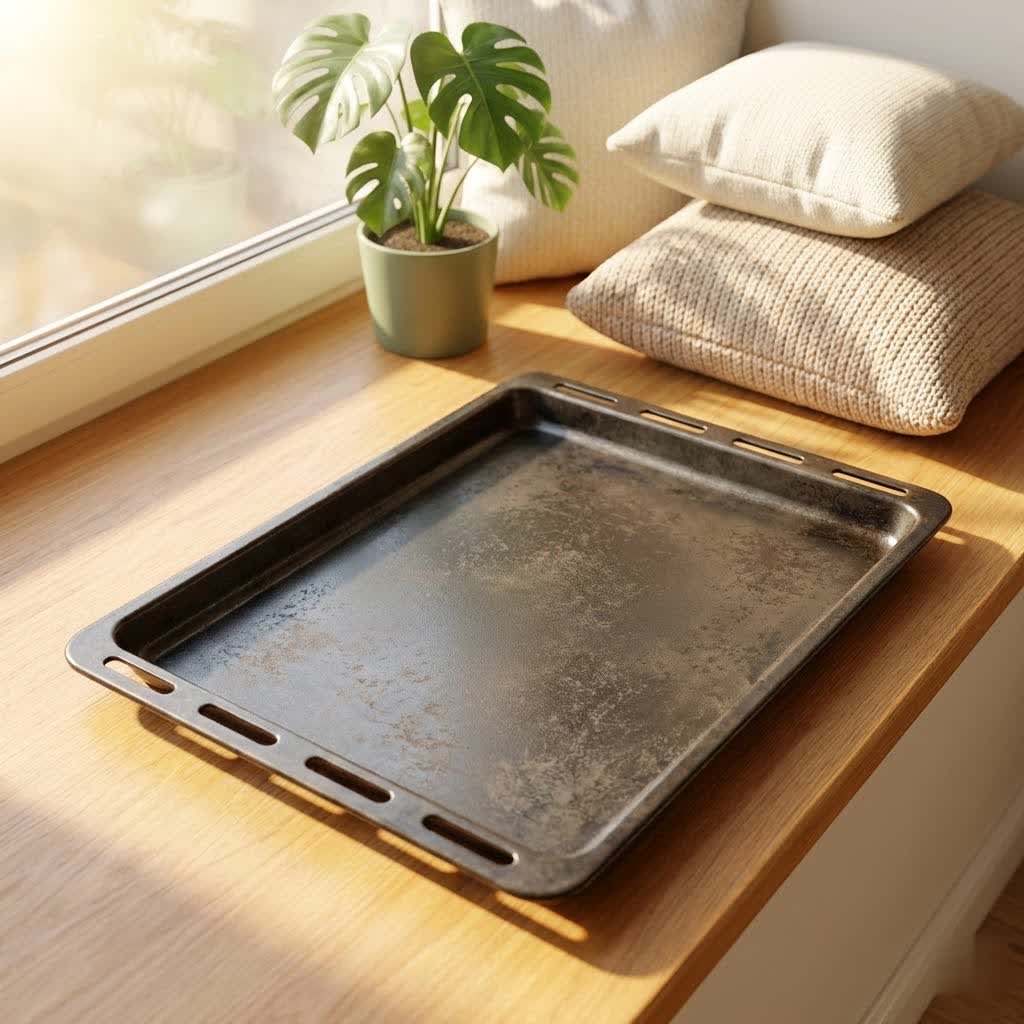
Have you ever wondered what truly separates a good baker from a great one, or a home cook from a culinary enthusiast who consistently churns out perfect roasts and beautifully baked goods? Often, it comes down to having the right tools. Among the myriad of kitchen essentials, the humble rimmed baking tray, also known as a sheet pan, stands out as an unsung hero. Far more versatile than a simple cookie sheet, this foundational piece of bakeware is indispensable for everything from delicate pastries to robust sheet pan dinners, directly influencing the outcome of your culinary creations.
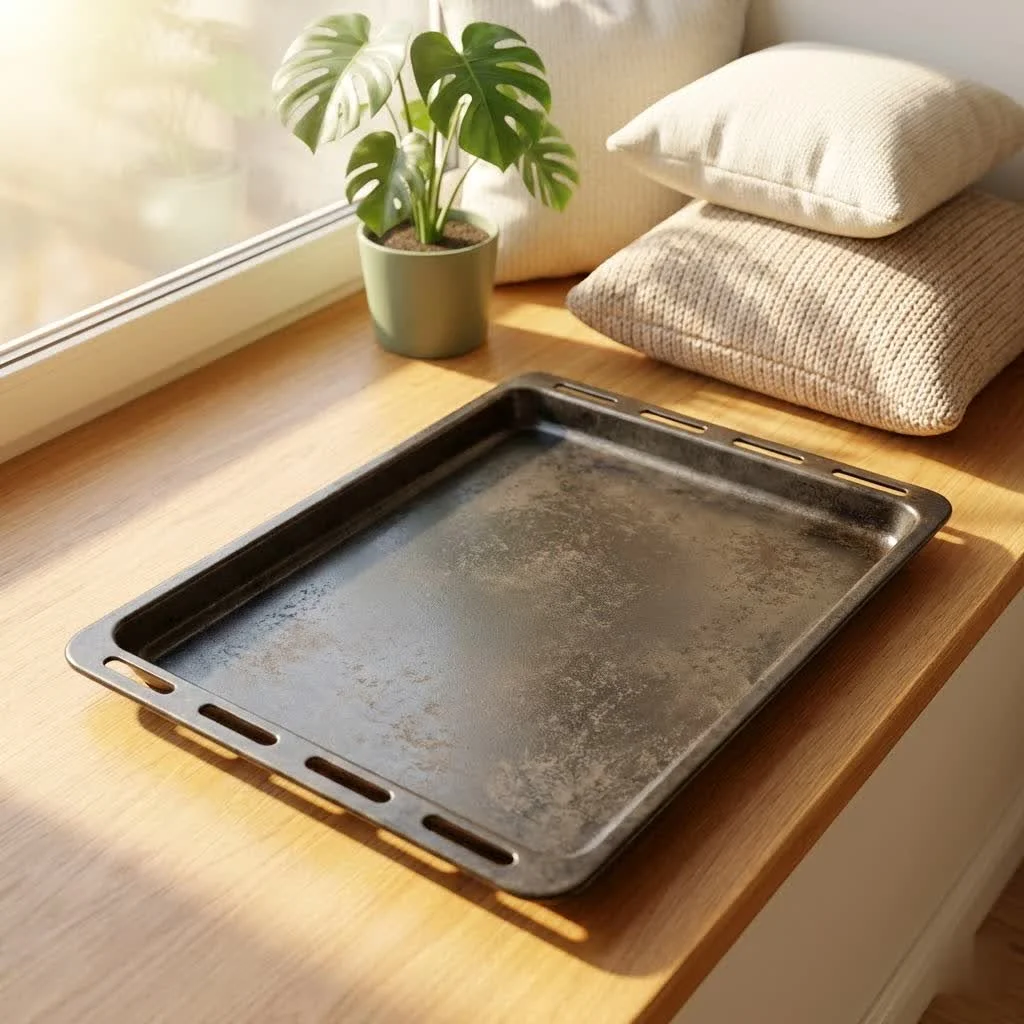
This comprehensive guide will delve deep into the world of rimmed baking trays, sharing expert insights gleaned from years of hands-on experience in the kitchenware domain. We’ll explore the various types, discuss how to choose the perfect one for your needs, compare them to their flat counterparts, and provide practical tips for usage and maintenance, ensuring your tray remains a trusted companion for years to come. Get ready to unlock the full potential of your oven with the ultimate rimmed baking tray.
The Indispensable Role of Rimmed Baking Trays
What makes a rimmed baking tray such an essential tool in any kitchen, regardless of your cooking prowess? Its true value lies in its remarkable versatility and fundamental design that enhances a multitude of cooking tasks. Unlike traditional flat cookie sheets, rimmed trays feature a raised edge on all four sides, typically around one inch high, a seemingly minor detail that makes a monumental difference.
This crucial rim prevents liquids, sauces, and smaller ingredients from spilling over during baking or roasting, keeping your oven cleaner and your food intact. Imagine roasting a medley of vibrant vegetables with olive oil and herbs; the rim ensures every piece stays on the pan, allowing for easy tossing and even caramelization. For baking, whether it’s a gooey batch of bar cookies or a delicate jelly roll cake, the edges contain batters and doughs, preventing them from spreading too thin or dripping. Beyond baking and roasting, rimmed baking trays serve as excellent prep stations, holding your “mise en place” ingredients tidy and organized, or even as convenient serving platters.
Decoding the Different Types of Rimmed Baking Trays
The world of rimmed baking trays offers a variety of materials and designs, each with unique properties that can impact your cooking. Understanding these differences is key to choosing the right tray for your culinary adventures.
Materials Matter: Aluminum, Steel, and Nonstick
|
Our Picks for the Best Baking Tray in 2026
As an Amazon Associate I earn from qualifying purchases.
|
||
| Num | Product | Action |
|---|---|---|
| 1 | Nordic Ware Naturals Half Sheet - USA Made Aluminum Commercial Quality Sheet Pan for Baking or Roasting, Encapsulated Galvanized Steel Rim Prevents Warping, 2-Pack |

|
| 2 | Baking Sheet Tray Cooling Rack with Silicone Baking Mat Set, Stainless Steel Cookie Pan For Oven, Set of 9 (3 Sheets + 3 Racks + 3 Mats), Warp Resistant & Heavy Duty & Easy Clean, Red |
|
| 3 | GoodCook Everyday Nonstick Carbon Steel Baking Sheet Set, 3 Pack – Small 13” x 9”, Medium 15” x 10”, Large 17” x 11” – Carbon Steel Cooking Pans, Cookie Sheet Bakeware Set |
|
| 4 | ROTTAY Baking Sheet with Rack Set (2 Pans + 2 Racks), Stainless Steel Cookie Sheet with Cooling Rack, Nonstick Baking Pan, Warp Resistant & Heavy Duty & Rust Free, Size 16 x 12 x 1 Inches |
|
| 5 | Premium Nonstick Baking Sheet Pans – Set of 3, Heavy-Gauge Carbon Steel, Warp, Dent, and Rust-Resistant – Gourmet Rimmed Half Cookie Sheet Trays, Non-Toxic for Exceptional Baking Performance |
|
| 6 | GoodCook Everyday Nonstick Carbon Steel 13” x 9” Baking Sheet Set, 3 Pack – Standard-Sized Carbon Steel Cooking Pans, Bakeware Set, Cookie Sheets for Baking, Oven Pan Set |
|
| 7 | Stainless Steel Baking Sheet Tray Cooling Rack with Silicone Baking Mat Set, Cookie Pan with Cooling Rack, Set of 9 (3 Sheets + 3 Racks + 3 Mats), 10/12/16 Inch, Easy Clean |
|
| 8 | GoodCook BestBake Nonstick Textured Carbon Steel Cookie Sheet, 11" x 17", Large Baking Sheet, Even Heating, Scratch-Resistant, Non-Toxic, Durable, Ideal for Baking and Sheet Pan Dinners |
|
| 9 | NutriChef 3-Piece Nonstick Kitchen Oven Baking Pans - Premium & Stylish Non-Stick Steel, Commercial Grade Restaurant Quality Metal Bakeware with Red Silicone Handles - Easy to Clean, NCSBS3S |
|
| 10 | Commercial Quality Baking Sheet Pan Set, Natural Aluminum Cookie Sheet, Umite Chef Warp Resistant Baker's Half Sheet Pan, Large Thick Cookie Tray Pans for Baking, Roasting(2 Pack, 18X13In) |
|
The material of your rimmed baking tray is paramount, as it dictates heat conductivity, durability, and even the finished texture of your food.
- Aluminum: Often the preferred choice for professional and home bakers, uncoated aluminum is an excellent heat conductor. It heats up quickly and cools down rapidly, providing even heat distribution crucial for consistent baking and browning. Lighter-colored aluminum is generally recommended as it reflects heat, preventing over-browning. While durable, aluminum can be susceptible to scratching and discoloration over time, and it’s best to handwash these pans.
- Aluminized Steel: This material combines the best features of both aluminum and steel. It consists of a steel core coated with an aluminum-silicon alloy, offering superior strength and warp resistance from the steel, paired with the excellent heat conductivity and reflective properties of aluminum. Aluminized steel trays are known for their durability and even baking performance.
- Stainless Steel: Stainless steel trays are highly durable, non-reactive, and easy to clean, making them a hygienic choice. However, they are not as efficient at conducting heat as aluminum, which can sometimes lead to uneven baking or hot spots. If opting for stainless steel, look for thicker gauges (lower gauge number) to improve heat distribution.
- Nonstick (Ceramic Coated/PTFE): Nonstick coatings, whether ceramic-derived or PTFE-based, offer the convenience of easy food release and simpler cleanup. However, they often have a darker finish, which absorbs more heat and can lead to faster, sometimes uneven browning. This might require adjusting your oven temperature or baking times. Nonstick coatings can also scratch and degrade over time, limiting the pan’s lifespan and versatility for high-heat tasks. Ceramic coatings, while a good alternative, can be brittle and prone to cracking if mistreated.
The Importance of Gauge and Thickness
Beyond the material, the gauge (or thickness) of your baking tray significantly impacts its performance and longevity. Gauge is inversely measured, meaning a lower gauge number indicates a thicker, heavier metal. Thicker trays (typically 10-12 gauge) are more robust, resisting warping and buckling that can occur with rapid temperature changes in a hot oven. They also tend to distribute heat more evenly, contributing to consistent cooking results. Thin, flimsy pans are more prone to warping and uneven heating, potentially leading to burnt edges and undercooked centers.
Standardized Sizes for Every Kitchen Task
Rimmed baking trays come in several standardized sizes, designed to fit various ovens and accommodate different batch sizes.
- Half-Sheet Pan (18″ x 13″ with a 1″ rim): This is the most popular and versatile size for home kitchens. It fits comfortably in most standard residential ovens and is ideal for everyday baking, roasting, and meal preparation.
- Quarter-Sheet Pan (9″ x 13″ with a 1″ rim): Half the size of a half-sheet, this smaller pan is perfect for single servings, toaster ovens, small batches of cookies, or as a convenient tray for ingredients.
- Jelly Roll Pan (typically 10″ x 15″ or 12″ x 17″): Similar to a half-sheet but often slightly smaller and with a shallower rim, these are specifically designed for baking thin cakes that can be rolled, such as Swiss rolls. Their dimensions can vary more than standard sheet pans.
- Full-Size Sheet Pan (18″ x 26″): These large pans are typically found in commercial kitchens and industrial ovens due to their substantial size. They are generally too large for standard home ovens.
- Two-Thirds Sheet Pan (16″ x 22″): While still quite large, this can be the biggest size that fits into some larger residential ovens (typically 30-inch models), suitable for home bakeries or large family meals.
- Eighth-Sheet Pan (6.5″ x 9.5″): The smallest of the common sheet pan sizes, great for individual portions, heating small items, or as a personal serving tray.
How to Select Your Perfect Rimmed Baking Tray
Choosing the right rimmed baking tray can feel overwhelming with so many options. However, by focusing on a few key factors, you can make an informed decision that meets your specific baking and cooking needs.
When selecting a rimmed baking tray, prioritize uncoated aluminum or aluminized steel for superior heat conductivity and durability. These materials offer excellent browning and are generally more resistant to warping than thinner alternatives. Aim for a pan with a 10-12 gauge thickness; this medium-heavy gauge strikes a perfect balance between preventing warps and not being overly cumbersome to handle. The half-sheet pan (13″ x 18″) is the ultimate workhorse for most home bakers, fitting comfortably in standard ovens and handling the majority of tasks. Always check that the tray has reinforced, rolled edges, which not only provide a secure grip but also contribute significantly to the pan’s structural integrity, helping it maintain its shape under high heat. While darker pans can speed up browning, a lighter-colored surface is often preferred for more consistent and even results, especially for delicate baked goods.
> “The material and thickness of a baking tray are critical. A good quality, heavy-gauge aluminum or aluminized steel pan ensures even heat distribution, which is the secret to perfectly cooked food and consistent baking results.”
When considering your oven, ensure the chosen tray size allows for at least an inch or two of clearance on all sides to allow proper air circulation. Without adequate airflow, your food may cook unevenly, with some spots burning while others remain undercooked. This is particularly important for home ovens, which can have varying internal dimensions.
Rimmed Baking Tray vs. Flat Cookie Sheet: A Head-to-Head
While both are used for baking, a rimmed baking tray and a flat cookie sheet serve distinct purposes, and understanding their differences is crucial for optimal results.
The primary distinction lies in their edges. A rimmed baking tray features a raised edge on all four sides, typically one inch high. This design is invaluable for containing liquids, preventing ingredients from sliding off, and facilitating roasting or baking items that might spread or release juices. The rim also adds structural integrity, reducing the likelihood of warping. However, these edges can slightly impede airflow around cookies, sometimes leading to slightly slower leavening or less uniform browning compared to rimless sheets.
In contrast, a flat cookie sheet is typically rimless or has only one or two very low sides. This design maximizes air circulation around cookies, promoting faster, more even browning and crisping. The absence of a rim also makes it incredibly easy to slide baked cookies directly off the sheet onto a cooling rack. While excellent for cookies, flat sheets are less versatile for tasks involving liquids, loose ingredients, or items that rise significantly, as they offer no containment.
For general versatility and a wider range of culinary applications, the rimmed baking tray is the superior choice for any home kitchen. For serious cookie bakers, having both a rimmed tray and a flat cookie sheet can provide the best of both worlds, allowing you to choose the perfect tool for each specific baking task.
Mastering Usage and Maintenance for Longevity
To ensure your rimmed baking tray delivers optimal performance and stands the test of time, proper usage and diligent maintenance are key. With a little care, your baking tray can remain a dependable kitchen companion for many years.
Before using your tray, especially for baking, consider lining it with parchment paper or a silicone baking mat. This creates a nonstick surface, makes cleanup significantly easier, and helps prevent food from sticking and burning onto the pan. If not using a liner, a thin layer of cooking oil or baking spray will suffice.
For cleaning, hand washing with warm, soapy water is almost always recommended, particularly for aluminum and aluminized steel trays. Allow the pan to cool completely before washing to prevent warping. For light messes, a quick wash with a soft sponge or brush will do. For stubborn, stuck-on food residue, soak the tray in hot, soapy water for at least 30 minutes, or even overnight. This softens baked-on bits, making them easier to scrub away. Avoid abrasive scrubbers like steel wool or harsh chemical cleaners, as these can scratch and damage the pan’s surface, especially on nonstick coatings. Pay extra attention to the corners and rolled edges, where grime tends to accumulate. While some manufacturers claim their metal pans are dishwasher safe, the harsh detergents and high heat in dishwashers can dull the finish, cause discoloration, or even weaken the metal over time. Always rinse thoroughly and dry your tray completely with a towel or by air drying to prevent water spots and rust.
Warping, the characteristic “boing” sound many bakers hear, occurs when metal expands unevenly due to rapid temperature changes. While a heavy-gauge pan with reinforced rolled edges will resist this better, it can still happen. Minor warping is usually not detrimental to cooking, but severe, persistent warping might indicate it’s time for a replacement.
Some experienced cooks choose to season their uncoated aluminum pans by baking a very thin layer of neutral oil onto the surface at a high temperature. This process creates a polymerized, somewhat nonstick layer that can improve browning for savory dishes. However, a seasoned pan can behave differently with delicate pastries, sometimes causing them to brown too quickly. Many bakers prefer to keep one set of shiny pans for delicate baking and another, slightly seasoned set for roasting and hearty dishes.
Top-Rated Rimmed Baking Trays on the Market
With a plethora of options available, identifying the best rimmed baking trays can be challenging. Based on extensive testing and user reviews, several brands consistently stand out for their quality, durability, and performance.
Nordic Ware Naturals Half Sheet Pans are frequently cited as a top choice. Made from natural aluminum, they are known for their excellent heat conductivity, warp resistance, and consistent baking results. Many professionals and home bakers swear by their robust construction and reliability. For those seeking a nonstick option, USA Pan Aluminized Steel Half Sheet Pans often receive high marks. Their corrugated surface promotes airflow and prevents sticking, while the aluminized steel construction ensures durability. If a ceramic-coated nonstick surface is your preference, the Caraway Large Baking Sheet offers a stylish and effective solution, praised for its easy-release capabilities and aesthetic appeal, though some adjustments to baking times might be necessary due to its darker surface. Other reputable brands include Vollrath and Chicago Metallic, both recognized for producing sturdy, commercial-grade sheet pans that perform exceptionally well under various cooking conditions. When considering a purchase, look for features like reinforced rolled edges, a substantial feel without being overly heavy, and a material that suits your primary cooking needs.
Where to Purchase Your Next Rimmed Baking Tray
Finding the perfect rimmed baking tray is easier than ever, with numerous options available both in brick-and-mortar stores and online. Your choice of retailer might depend on your preference for inspecting the product in person or the convenience of online shopping.
Specialty kitchenware stores and large department stores are excellent places to start. Here, you can physically examine the weight, feel, and construction of different trays, ensuring they meet your quality expectations. Brands like Nordic Ware, OXO, and Wilton are commonly stocked. For a wider selection and competitive pricing, online retailers such as Amazon, Williams Sonoma, Sur La Table, and directly from brands like USA Pan or Caraway, offer extensive choices. Online platforms provide the convenience of home delivery and often feature customer reviews that can be invaluable in making a decision. However, when purchasing online, always double-check the exact dimensions, material specifications, and return policy to ensure you receive the right product. Many restaurant supply stores also carry commercial-grade aluminum sheet pans, which are often exceptionally durable and cost-effective for home use.
Conclusion
The rimmed baking tray is undeniably a cornerstone of any well-equipped kitchen. Its unparalleled versatility, from perfectly roasted vegetables and crispy sheet pan dinners to flawless bar cookies and delicate pastries, makes it an indispensable tool for every cook. By understanding the nuances of different materials, appreciating the importance of gauge, selecting the appropriate size, and committing to proper care, you can transform your everyday cooking and baking experiences.
Choosing a high-quality rimmed baking tray, such as a sturdy aluminized steel or uncoated aluminum half-sheet, is an investment in countless delicious meals and effortless kitchen efficiency. So, why wait to elevate your culinary game? Embrace the power of the rimmed baking tray and discover the joy of consistently superior results. What will be the first delicious creation you embark on with your new kitchen essential?
Frequently Asked Questions
What is the main difference between a rimmed baking tray and a cookie sheet?
A rimmed baking tray has raised edges on all four sides, typically 1 inch high, designed to contain liquids and prevent food from sliding off. A cookie sheet is generally flat or has only one or two low sides, allowing for better airflow around cookies for even browning and easy removal.
Which material is best for a rimmed baking tray?
Uncoated aluminum and aluminized steel are widely considered the best materials due to their excellent heat conductivity, even heat distribution, and resistance to warping. They are versatile for both sweet and savory dishes, though nonstick coatings offer easier food release.
Can I use a rimmed baking tray for baking cookies?
Absolutely! While a flat cookie sheet might offer slightly faster browning for cookies due to unimpeded airflow, a rimmed baking tray works perfectly well for baking cookies and is often preferred for its versatility with other dishes. You may need to adjust baking times slightly.
How do I prevent my rimmed baking tray from warping?
To minimize warping, opt for heavier-gauge pans (10-12 gauge) with reinforced, rolled edges. Always preheat your oven properly, and try to avoid extreme temperature shocks, such as placing a very hot pan directly under cold water.
Is it safe to put my aluminum rimmed baking tray in the dishwasher?
It is generally recommended to handwash aluminum and aluminized steel baking trays. Dishwasher detergents can be harsh, causing discoloration, dulling the finish, and potentially damaging the metal over time. Hand washing helps preserve the pan’s appearance and performance.
Get our weekly buyer guide
Practical specs, not advice. Unsubscribe anytime.
