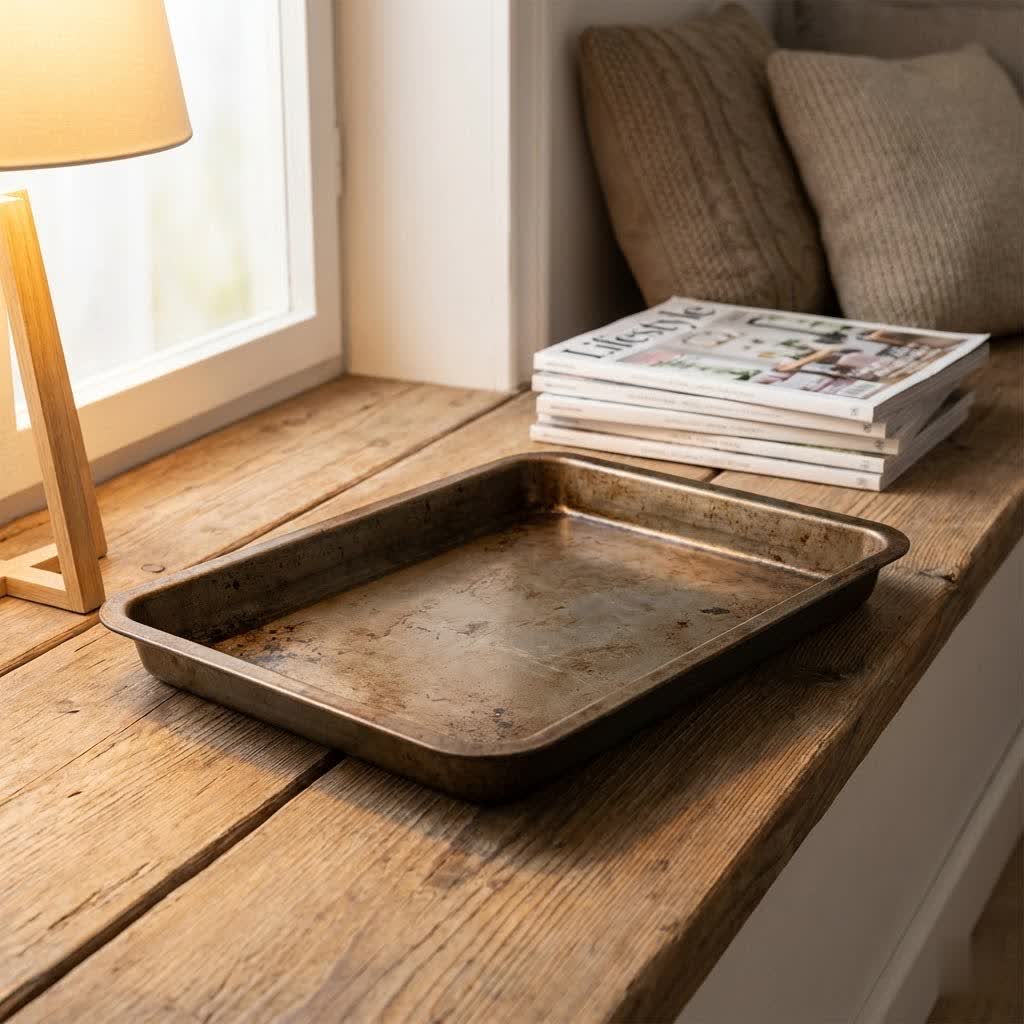
For every home baker, the quest for the perfect brownie is a delicious journey. From irresistibly fudgy to delightfully chewy or wonderfully cakey, the ideal brownie is a deeply personal preference. But what many don’t realize is that the secret to consistent brownie perfection often lies not just in the recipe, but in the unsung hero of your kitchen: the brownie baking tray. This seemingly simple piece of bakeware plays a monumental role in how your brownies bake, brown, and ultimately taste. Understanding the nuances of different brownie trays is the first step to unlocking your best batches yet.
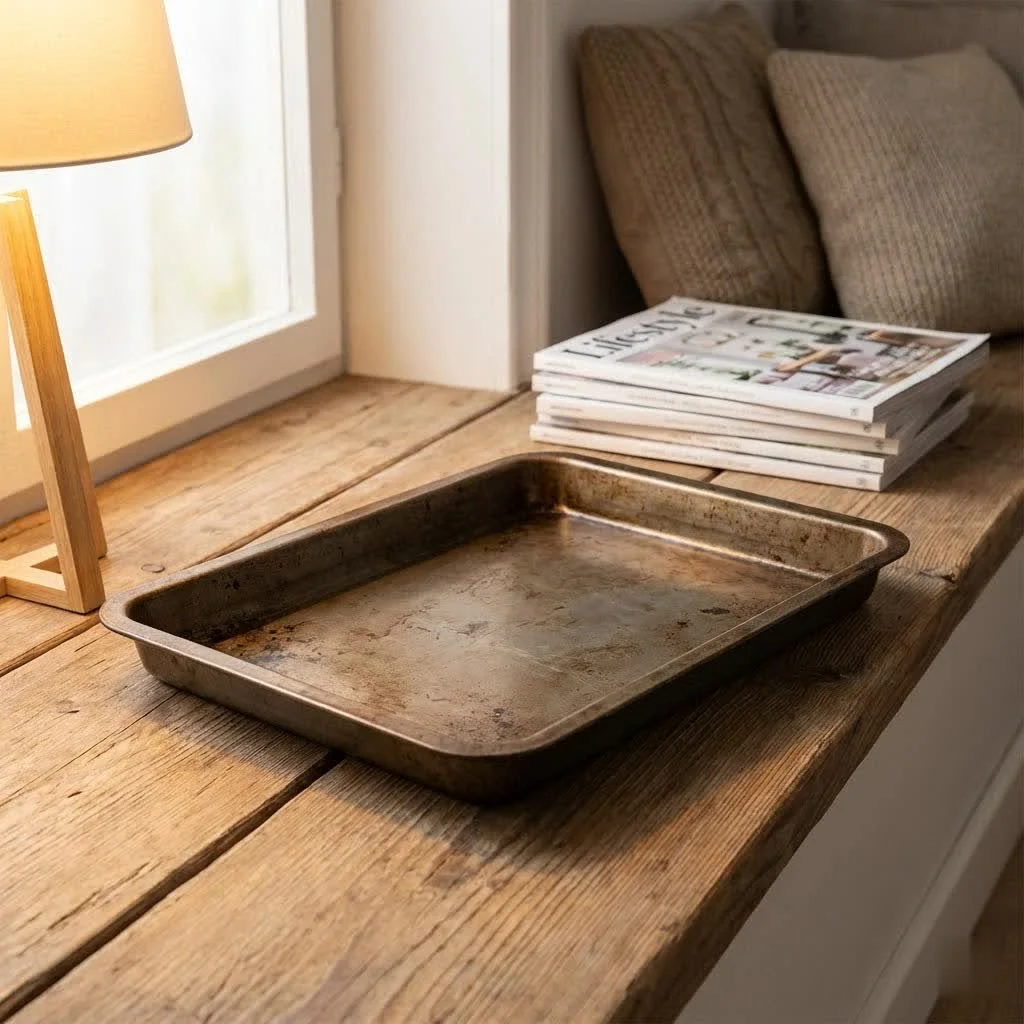
This comprehensive guide, informed by years of baking experience, will delve into the world of brownie baking trays, exploring their diverse types, crucial selection factors, maintenance tips, and even highlighting top picks on the market. Let’s embark on a journey to find the perfect companion for your chocolatey creations. For explore our baking trays reviews on this site.
Popular Brownie Baking Tray Types
The variety of brownie baking trays can seem overwhelming, but they primarily differ in material, shape, and unique features. Each type offers distinct advantages, influencing everything from heat distribution to the final texture of your brownies.
Materials Matter
- Aluminized Steel: Often considered the gold standard for bakeware, aluminized steel trays are crafted from steel coated with aluminum for superior heat conduction. These heavy-gauge pans heat evenly, preventing hot spots that can lead to unevenly baked brownies. They are frequently treated with a nonstick coating, making release effortless and cleanup a breeze. Brownies baked in aluminized steel tend to be consistently cooked, striking a lovely balance between fudgy and cakey.
- Anodized Aluminum: These pans are made from aluminum that has undergone an electrochemical process, creating a hardened, non-reactive surface. Anodized aluminum is lightweight, durable, and heats up quickly while also cooling down rapidly once removed from the oven. This rapid cooling helps prevent overbaking, giving you greater control over the texture of your brownies, from delightfully fudgy to perfectly chewy. Many find the reflective surface of these pans helps reduce excessive browning on the bottom.
- Carbon Steel: A heavier and sturdier option, carbon steel trays offer excellent heat distribution and are known for their impressive durability and long lifespan. Often featuring a nonstick coating, these pans contribute to an even bake and reliable release.
- Glass: Glass baking dishes, like those made from tempered glass, are popular for their aesthetic appeal and versatility. However, when it comes to brownies, they behave differently from metal. Glass is a poor heat conductor; it heats up slowly and retains heat for a longer period. This can result in brownies that have crispier, potentially overbaked edges while the center might still be setting. If using a glass pan, it’s often recommended to reduce your oven temperature by 25°F (approximately 15°C) and monitor baking time closely. Always grease and line with parchment paper for easier removal.
- Ceramic: Similar to glass, ceramic trays offer beautiful presentation and are excellent for retaining heat, but they also share the same slow heating and cooling properties. This can lead to a similar effect on brownies, with edges cooking faster than the center. Ceramic pans require careful handling, as they can be prone to chips or cracks and should be allowed to cool completely before washing to prevent thermal shock.
- Silicone: Flexible and inherently nonstick, silicone brownie trays are lightweight and easy to store. Their insulating properties mean brownies might take slightly longer to bake. High-grade silicone pans often incorporate a steel rim for added stability, as silicone can be quite floppy. When using silicone, avoid cooking sprays as they can leave a sticky residue and stain the pan over time.
Shapes and Sizes
|
Our Picks for the Best Baking Tray in 2026
As an Amazon Associate I earn from qualifying purchases.
|
||
| Num | Product | Action |
|---|---|---|
| 1 | Nordic Ware Naturals Half Sheet - USA Made Aluminum Commercial Quality Sheet Pan for Baking or Roasting, Encapsulated Galvanized Steel Rim Prevents Warping, 2-Pack |

|
| 2 | ROTTAY Baking Sheet with Rack Set (2 Pans + 2 Racks), Stainless Steel Cookie Sheet with Cooling Rack, Nonstick Baking Pan, Warp Resistant & Heavy Duty & Rust Free, Size 16 x 12 x 1 Inches |
|
| 3 | GoodCook Everyday Nonstick Carbon Steel 13” x 9” Baking Sheet Set, 3 Pack – Standard-Sized Carbon Steel Cooking Pans, Bakeware Set, Cookie Sheets for Baking, Oven Pan Set |
|
| 4 | Commercial Quality Baking Sheet Pan Set, Natural Aluminum Cookie Sheet, Umite Chef Warp Resistant Baker's Half Sheet Pan, Large Thick Cookie Tray Pans for Baking, Roasting(2 Pack, 18X13In) |
|
| 5 | GoodCook BestBake Nonstick Textured Carbon Steel Cookie Sheet, 11" x 17", Large Baking Sheet, Even Heating, Scratch-Resistant, Non-Toxic, Durable, Ideal for Baking and Sheet Pan Dinners |
|
| 6 | Premium Nonstick Baking Sheet Pans – Set of 3, Heavy-Gauge Carbon Steel, Warp, Dent, and Rust-Resistant – Gourmet Rimmed Half Cookie Sheet Trays, Non-Toxic for Exceptional Baking Performance |
|
| 7 | GoodCook Everyday Nonstick Carbon Steel Baking Sheet Set, 3 Pack – Small 13” x 9”, Medium 15” x 10”, Large 17” x 11” – Carbon Steel Cooking Pans, Cookie Sheet Bakeware Set |
|
| 8 | Baking Sheet Tray Cooling Rack with Silicone Baking Mat Set, Stainless Steel Cookie Pan For Oven, Set of 9 (3 Sheets + 3 Racks + 3 Mats), Warp Resistant & Heavy Duty & Easy Clean, Red |
|
| 9 | Stainless Steel Baking Sheet Tray Cooling Rack with Silicone Baking Mat Set, Cookie Pan with Cooling Rack, Set of 9 (3 Sheets + 3 Racks + 3 Mats), 10/12/16 Inch, Easy Clean |
|
| 10 | NutriChef 3-Piece Nonstick Kitchen Oven Baking Pans - Premium & Stylish Non-Stick Steel, Commercial Grade Restaurant Quality Metal Bakeware with Red Silicone Handles - Easy to Clean, NCSBS3S |
|
Beyond material, brownie trays come in various dimensions. The most common sizes are 8×8 inches and 9×13 inches, influencing the thickness and number of brownies you’ll yield. Specialty pans, such as those with individual cavities or “all-edge” designs, cater to specific preferences. The famed “all-edge” brownie pan, for example, features a serpentine design that ensures every piece boasts those coveted chewy edges, eliminating any debate over who gets the corner.
Guide to Choosing Your Ideal Brownie Baking Tray
Selecting the right brownie baking tray is a crucial decision for any baker. It’s about more than just finding a pan that fits in your oven; it’s about choosing a tool that aligns with your baking style and desired brownie outcome.
Consider the Material
The material of your brownie tray directly impacts heat transfer and, consequently, the texture of your brownies.
- For fudgy, consistently baked brownies, opt for aluminized steel or anodized aluminum pans. Their efficient heat conduction ensures an even bake.
- If you love crispier edges and don’t mind a slightly longer cooling time, glass or ceramic can work, but remember to adjust baking temperatures.
- For easy release and storage, silicone is a convenient choice, particularly those with reinforced steel frames.
Size and Depth Matter for Desired Thickness
Always check your recipe for the recommended pan size. Using an 8×8 inch pan instead of a 9×13 inch pan (or vice-versa) will dramatically alter the brownie’s thickness and baking time. A smaller, deeper pan will produce thicker brownies that require a longer bake, while a larger, shallower pan will yield thinner, crispier brownies that bake more quickly. Consider how many people you typically serve and your preference for thick or thin brownies.
Nonstick Properties and Release
A truly nonstick surface is invaluable for easy release and pristine brownies. Many metal pans come with high-quality nonstick coatings, often PFOA-free, designed for durability. Even with nonstick, it’s a good practice to grease your pan or, for ultimate assurance, line it with parchment paper, leaving an overhang to easily lift the cooled brownies out. Parchment paper is especially recommended for glass or ceramic pans to prevent sticking.
Ergonomics and Handles
Don’t underestimate the importance of good handles. Large, sturdy, and easy-to-grip handles are essential for safely transferring a hot brownie tray in and out of the oven, especially when wearing bulky oven mitts. This small feature can significantly improve your baking experience and prevent accidental spills.
Durability and Warp-Resistance
Invest in a heavy-gauge brownie tray. Thicker materials, especially for metal pans like aluminized steel, are less prone to warping at high temperatures, ensuring your pan maintains its shape and continues to bake evenly for years to come. A durable pan is a long-term investment in your baking success.
Special Features for Specialty Brownies
- Removable Bottoms: Some pans, particularly those for cheesecakes, offer removable bottoms, which can be fantastic for effortlessly releasing delicate brownies without damaging them.
- Individual Dividers: Pans with integrated dividers ensure perfectly portioned brownies with uniform edges, satisfying those who crave an “all-edge” experience.
Comparing Brownie Baking Tray Materials
Choosing the right material for your brownie baking tray is paramount to achieving the desired texture and perfect bake. Here’s a comparison of common materials:
| Material | Heat Conduction | Nonstick Properties | Durability | Best for Brownie Type | Care Notes |
|---|---|---|---|---|---|
| Aluminized Steel | Excellent | Good (often coated) | High | Consistent, Fudgy-Cakey | Easy to clean, often dishwasher safe (check manufacturer) |
| Anodized Aluminum | Excellent | Good (can be plain/coated) | High | Controlled bake, Fudgy | Hand wash recommended, non-reactive for acidic batters |
| Carbon Steel | Good | Good (often coated) | High | Evenly baked, Robust | Hand wash recommended, season if uncoated, can be heavy |
| Glass | Low (retains heat) | Poor (needs greasing/lining) | Medium | Crispier edges, Denser | Hand wash, allow to cool completely before cleaning, can break |
| Ceramic | Low (retains heat) | Poor (needs greasing/lining) | Medium | Crispier edges, Denser | Hand wash, allow to cool completely before cleaning, prone to chips |
| Silicone | Low (insulating) | Excellent (inherent) | Medium (can be floppy) | Cakey, Evenly cooked | Hand wash, avoid cooking spray (residue), can be stored compactly |
Tips for Using and Caring for Your Brownie Baking Tray
Proper usage and consistent care are essential to maximize the performance and longevity of your brownie baking tray, ensuring delicious results for years to come.
Tray Preparation is Key
Even with nonstick pans, proper preparation is crucial for a clean release.
- Greasing: Always grease your pan, whether with butter, shortening, or baking spray. Ensure all corners and sides are thoroughly coated.
- Parchment Paper: For extra insurance, especially with glass or ceramic pans, or if you want perfectly clean edges, line your tray with parchment paper. Leave an overhang on two sides to create “handles” for easy lifting once the brownies have cooled.
Baking Adjustments for Different Materials
- Temperature: If using glass or ceramic, consider lowering your oven temperature by 25°F (around 15°C) from what your recipe suggests. These materials absorb and retain heat more, which can lead to overbaking or overly crisp edges.
- Dark vs. Light Pans: Dark-colored metal pans absorb more heat, resulting in faster baking and darker crusts. Lighter-colored metal pans reflect heat, promoting a more even bake and preventing over-browning. Adjust your baking time accordingly – dark pans may require a slightly shorter bake.
- Cooling: Allow brownies to cool in the pan on a wire rack as specified by the recipe. For glass or ceramic, it’s often best to lift the brownies out using the parchment paper handles and let them cool completely on a rack to prevent further cooking from the retained heat.
Cleaning and Maintenance
- Hand Washing: Most nonstick and specialty pans benefit from hand washing with warm, soapy water and a soft sponge. Avoid abrasive scrubbers or harsh detergents, which can damage the nonstick coating.
- Silicone Care: Silicone is naturally nonstick, so it typically only needs a gentle wash. Remember to avoid cooking sprays on silicone, as they can cause a sticky residue and staining.
- Stoneware/Ceramic Care: These materials require delicate handling. Always allow stoneware and ceramic pans to cool completely to room temperature before washing to prevent cracking from thermal shock. Hand wash with mild soap and water.
- Storage: Protect nonstick surfaces by stacking pans with a layer of paper towels or soft cloths in between. This prevents scratches and prolongs the life of the coating.
Top Brownie Baking Trays to Consider
Based on performance, material, and user satisfaction, several brownie baking trays stand out as excellent choices for your kitchen.
- All-Clad Pro-Release Nonstick Square Baking Pan: Often cited as a top performer, this pan is made from heavy-gauge, commercial-grade aluminized steel with a durable nonstick coating. It’s known for even heat conduction, warp resistance, and large handles that make it easy to maneuver. Ideal for consistently baked, fudgy-cakey brownies.
- USA Pan 8 Inch Square Pan: A favorite for its value and performance, USA Pan’s bakeware is typically made from aluminized steel and features a unique fluted surface that promotes airflow for even baking and easy release. It’s sturdy, warp-resistant, and delivers excellent results.
- Hestan Provisions OvenBond Square Baker: For those seeking a premium option, this tri-ply stainless steel pan offers exceptional durability and performance. It’s a splurge but built to last and provides superb heat distribution.
- Fat Daddio’s Anodized Aluminum Sheet Cheesecake Pan (with removable bottom): While designed for cheesecakes, its anodized aluminum construction and removable bottom make it an excellent choice for delicate brownies, ensuring effortless release and perfect presentation.
- Baker’s Edge Nonstick Edge Brownie Pan: The ultimate pan for edge-lovers. Its unique labyrinth design ensures every brownie piece has at least two chewy edges. Made from heavy-gauge nonstick cast aluminum, it’s a game-changer for those who prefer crispy, chewy perimeter pieces.
- MasterClass Smart Silicone Square Flexible Bake Pan: For a flexible, nonstick option, this silicone pan often features reinforced handles for stability. It’s great for easy storage and release, though you might need to slightly adjust baking times.
Where to Buy Brownie Baking Trays
Finding your perfect brownie baking tray is easier than ever with a multitude of purchasing options available, both online and in brick-and-mortar stores.
- Online Retailers: Websites like Amazon, Wayfair, and Perigold offer an extensive selection of brownie trays from various brands, often with competitive pricing and customer reviews to guide your choice. Be sure to check return policies, especially for bakeware.
- Specialty Kitchen Stores: Stores such as Williams Sonoma, Sur La Table, Le Creuset, or Made In often carry higher-end, specialized bakeware. These stores can provide expert advice and a chance to physically inspect the pans before buying.
- Department Stores and Supermarkets: For more budget-friendly or basic options, department stores with home goods sections and larger supermarkets typically stock a range of standard brownie trays.
When buying online, always read customer reviews, compare prices, and verify product dimensions to ensure the pan meets your specific needs and fits your oven.
Conclusion
The journey to baking the perfect brownie is a delightful one, and at its heart lies the right brownie baking tray. From the even-heating efficiency of aluminized steel to the unique edge-maximizing designs, understanding the material, size, and features of your bakeware is paramount. Investing in a quality tray that suits your preferences will transform your baking, consistently delivering the fudgy, chewy, or cakey results you crave. With the insights shared here, you’re now equipped to choose your ideal baking companion and elevate every batch of brownies you make.
So, go forth, explore the options, and confidently select the brownie baking tray that will bring countless moments of chocolatey bliss to your kitchen. What’s your secret for the perfect brownie?
Frequently Asked Questions
What is the best material for a brownie baking tray?
Aluminized steel and anodized aluminum are generally considered excellent due to their even heat conduction, leading to consistently baked brownies with desirable textures. Nonstick coatings further enhance easy release.
How does pan size affect brownie thickness and baking time?
Using a smaller pan than specified will result in thicker brownies, potentially requiring a longer baking time to ensure the center is cooked through. Conversely, a larger pan yields thinner, crispier brownies that bake faster.
Can I use a glass baking dish for brownies?
Yes, but glass heats and cools slowly, retaining heat longer. This can lead to overbaked edges. For best results, consider lowering the oven temperature by 25°F (around 15°C) and/or reducing baking time slightly, and always line the pan with parchment paper for easy removal.
How do I prevent brownies from sticking to the pan?
Proper greasing is key. Use butter, shortening, or baking spray. For extra assurance, line your brownie baking tray with parchment paper, leaving an overhang on the sides to easily lift the brownies out once cooled.
Are individual brownie pans worth it?
Individual brownie pans or “all-edge” pans are ideal for those who love chewy edges, as they maximize the crisp surface area. They ensure every brownie piece has at least two delicious, chewy edges, eliminating arguments over who gets the coveted corner slice.
What’s the difference between dark and light-colored brownie pans?
Darker pans absorb more heat, leading to faster baking and potentially crispier, darker edges and bottoms. Lighter-colored metal pans reflect heat, promoting a more even bake and preventing over-browning, which is often preferred for fudgy or chewy brownies.
Get our weekly buyer guide
Practical specs, not advice. Unsubscribe anytime.
